
H.R. 7032: Pay Paraprofessionals and Support Staff Act
This bill, known as the Pay Paraprofessionals and Support Staff Act, is designed to ensure that paraprofessionals and education support staff in public schools are paid a living wage. Here’s a breakdown of the key components of the bill:
Purpose
The main goals of the bill are to:
- Ensure paraprofessionals and education support staff receive a minimum salary and wage that reflects the cost of living.
- Recognize their essential role in the public education system.
- Provide safe working conditions and respect their contributions.
Salary Provisions
The bill establishes provisions for minimum salaries and wages for paraprofessionals and education support staff:
- Minimum Salary:
- For fiscal years 2026 through 2030, the minimum salary will be set at $45,000.
- From fiscal year 2031 onward, the minimum salary will increase based on inflation or by a set percentage.
- Minimum Wage:
- For fiscal years 2026 through 2030, the minimum wage for part-time staff will be $30.00 per hour.
- Similar to the minimum salary, increases will occur in subsequent years based on inflation or a percentage increase.
Funding
The bill allocates significant federal funding to ensure these salary requirements are met:
- An appropriation of $25 billion for the fiscal year 2026.
- Funds will increase each year based on a percentage change in the Consumer Price Index.
Grant Process
The bill outlines a grant process for states to access funding to implement these requirements:
- States must submit an application to receive federal grants to ensure local agencies can pay the required salaries and wages.
- Grants will also support research and professional development for staff to enhance their skills and qualifications.
State Requirements
States are required to create plans to meet the salary and wage standards within specified timelines. This plan must include:
- Goals for increasing annual salary or wage baselines.
- A plan for significant progress toward payment standards over the set timeline.
Subgranting to Local Agencies
At least 98% of the funds received must be allocated as subgrants to local educational agencies to comply with the minimum salary and wage laws. Local agencies may also use these funds for additional salary increases for other staff members, as well as for training and development opportunities for paraprofessionals and support staff.
Monitoring and Compliance
States will be tasked with monitoring compliance among local educational agencies to ensure that salary and wage requirements are being met. This includes verifying that contracted staff are also compensated according to the standards set by the bill.
Significance of the Bill
This legislation aims to recognize and improve the financial conditions of paraprofessional and educational support staff, acknowledging their critical role in the education system. By ensuring they receive a living wage, the bill seeks to enhance the attractiveness and sustainability of these positions, ultimately benefiting the education system as a whole.
Relevant Companies
None found
This is an AI-generated summary of the bill text. There may be mistakes.
Sponsors
26 bill sponsors
-
TrackJesús G. "Chuy" García
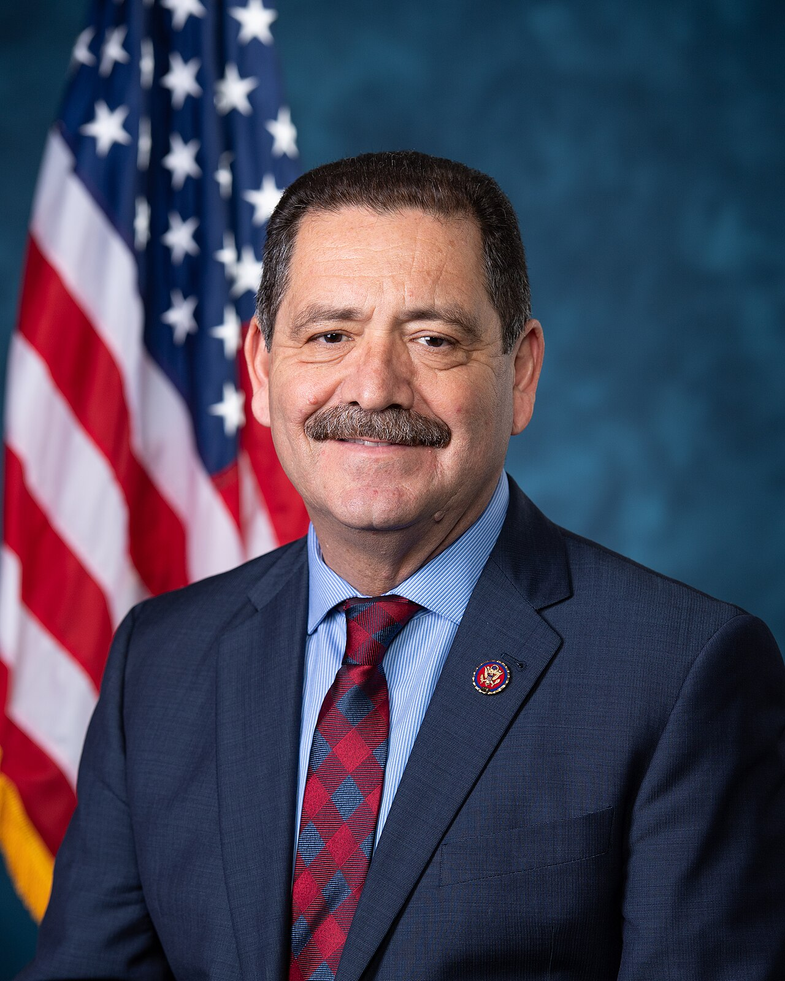
Sponsor
-
TrackBrendan F. Boyle
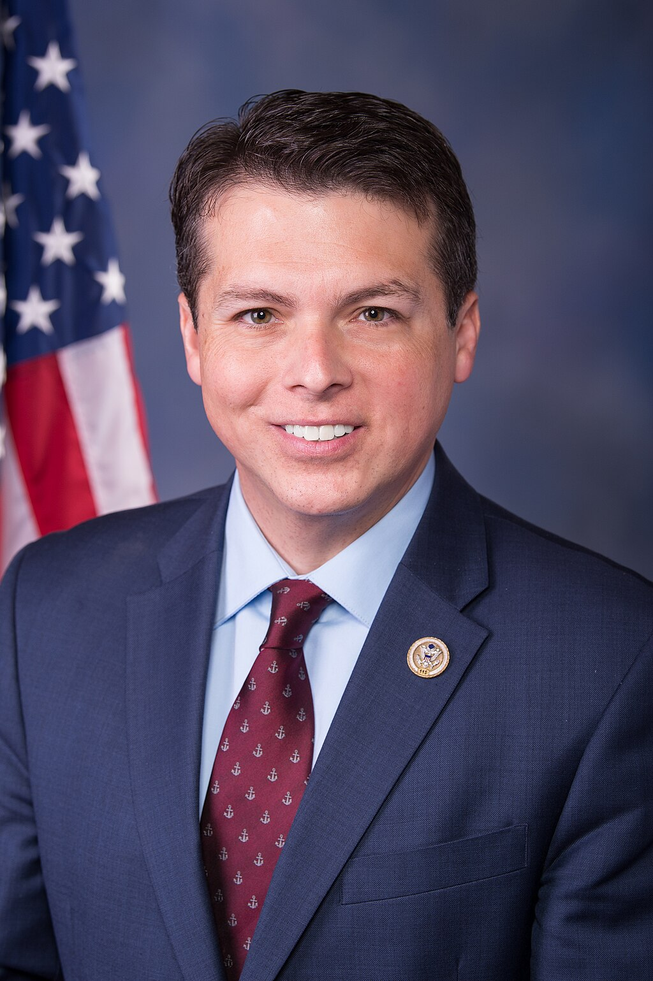
Co-Sponsor
-
TrackNikki Budzinski
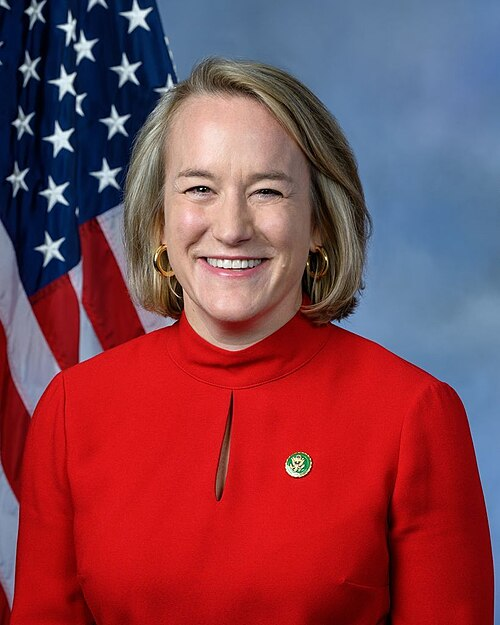
Co-Sponsor
-
TrackSalud O. Carbajal
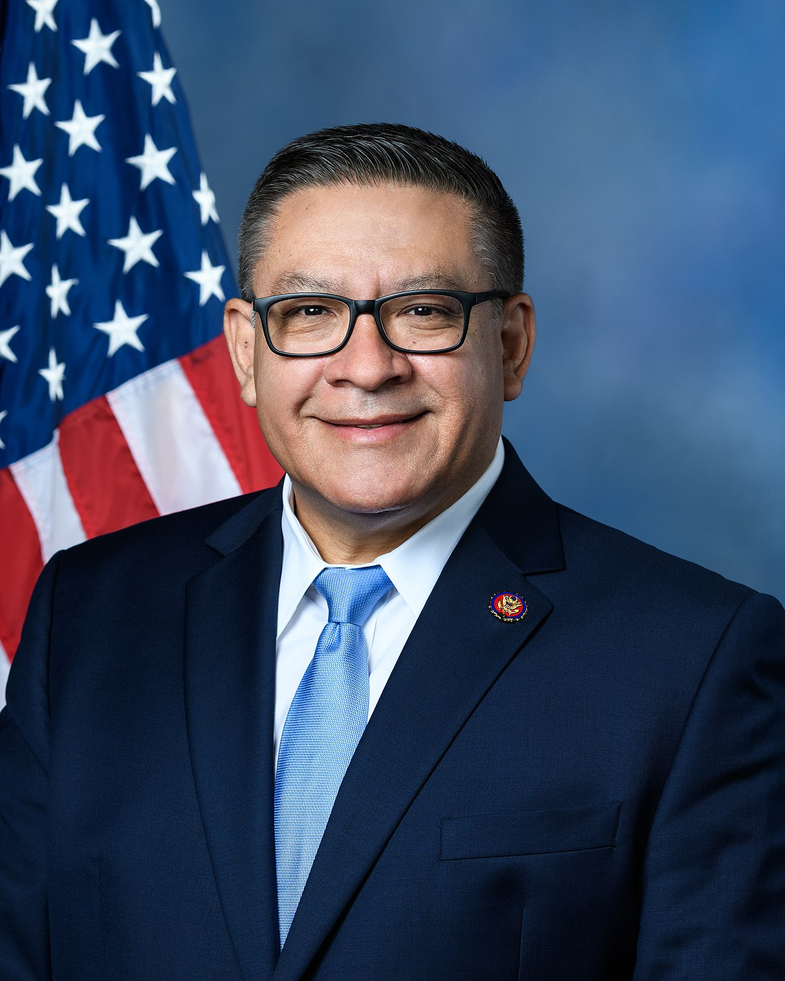
Co-Sponsor
-
TrackAndré Carson
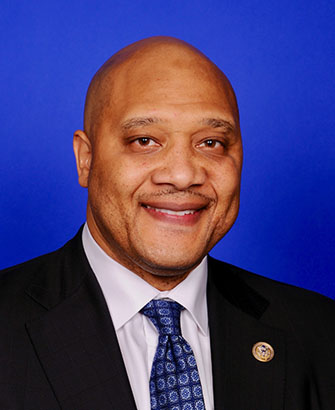
Co-Sponsor
-
TrackGreg Casar
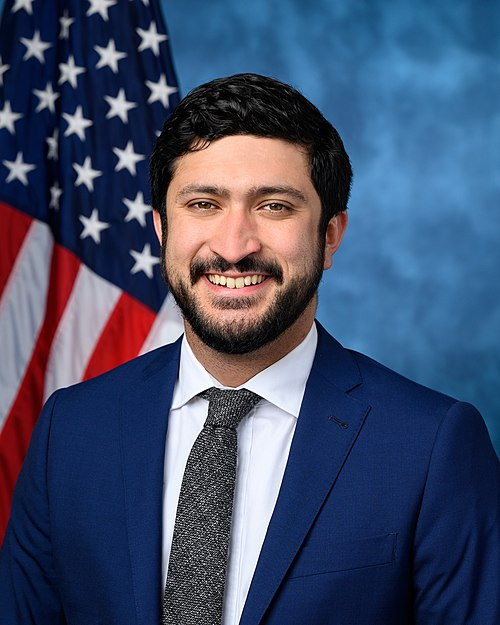
Co-Sponsor
-
TrackSheila Cherfilus-McCormick
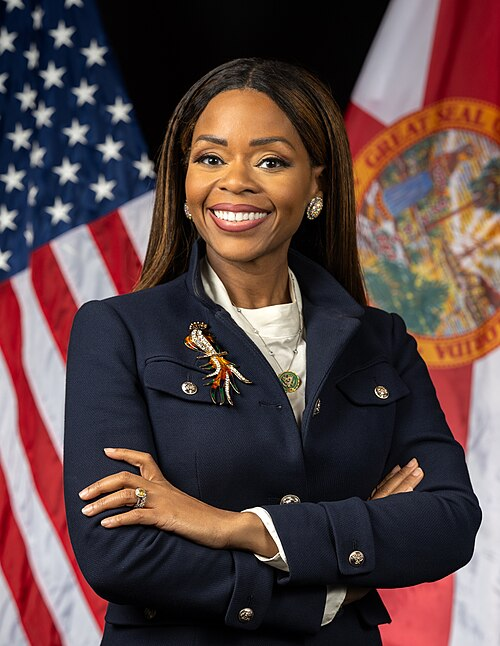
Co-Sponsor
-
TrackJudy Chu
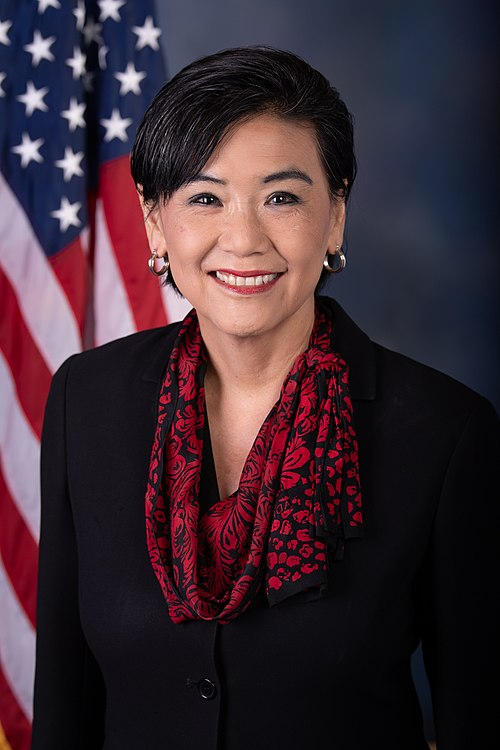
Co-Sponsor
-
TrackAngie Craig
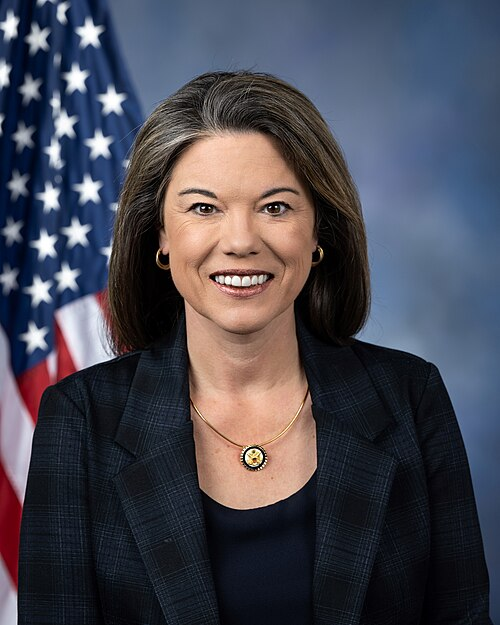
Co-Sponsor
-
TrackDanny K. Davis
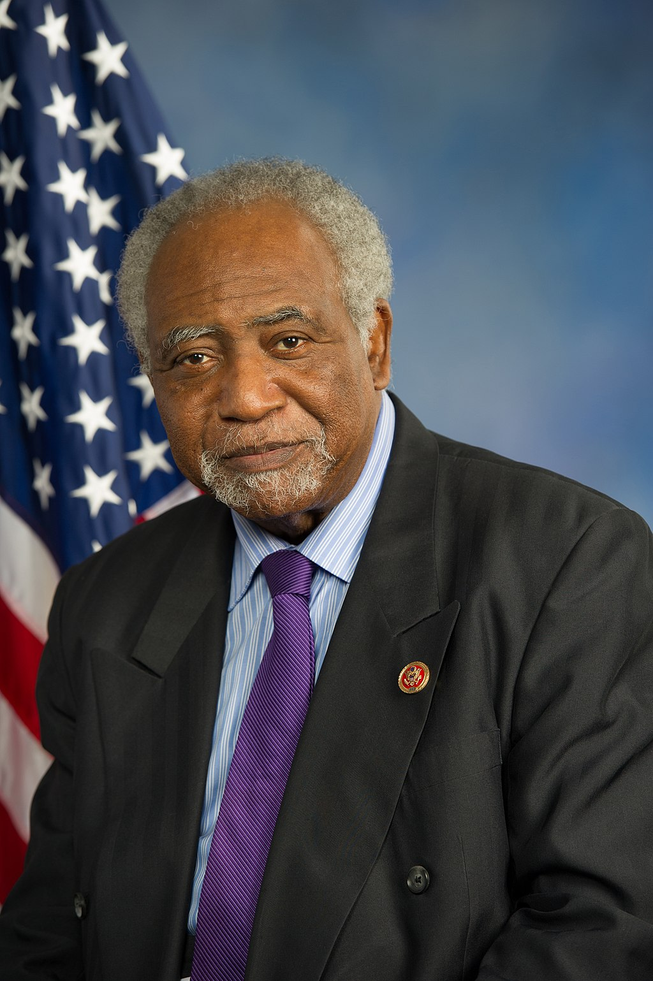
Co-Sponsor
-
TrackDwight Evans
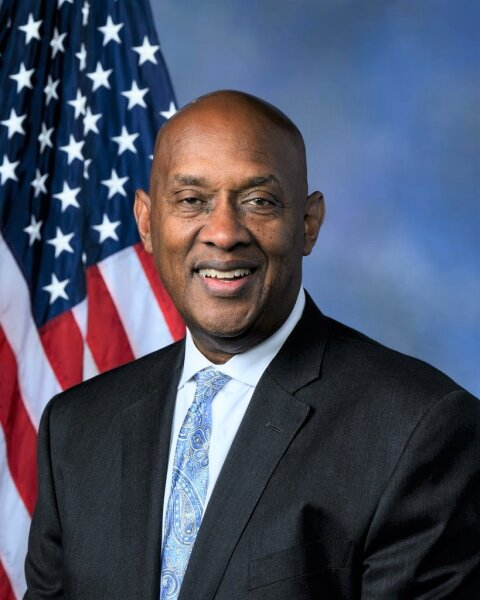
Co-Sponsor
-
TrackSylvia R. Garcia
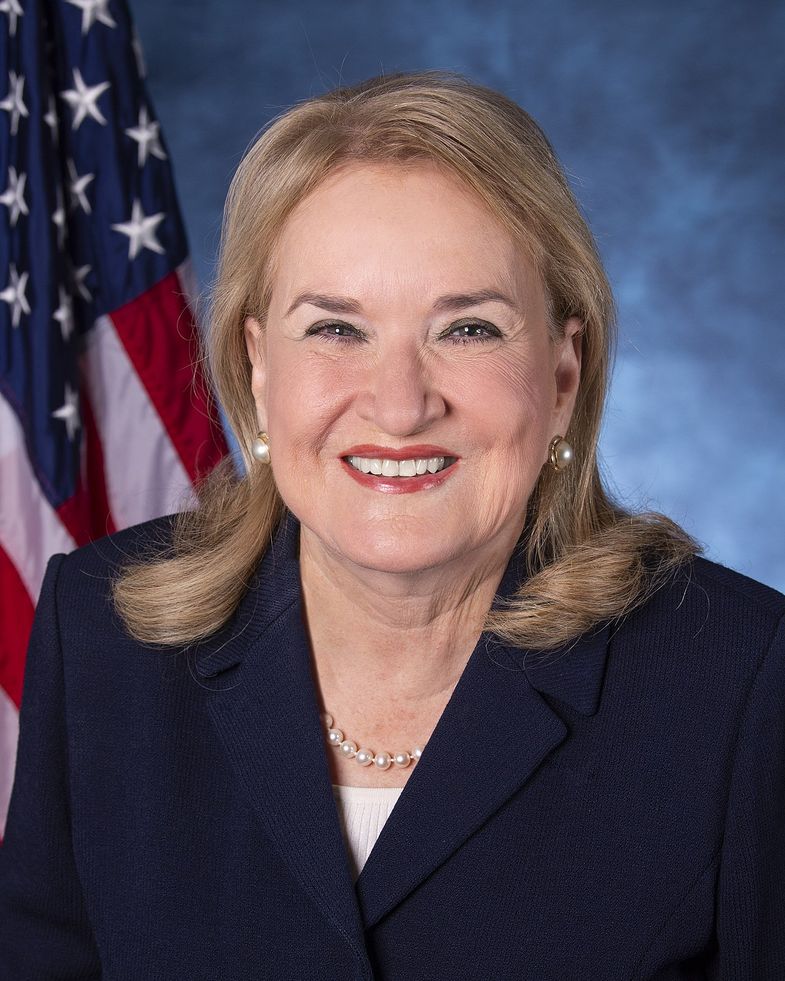
Co-Sponsor
-
TrackRobert Garcia
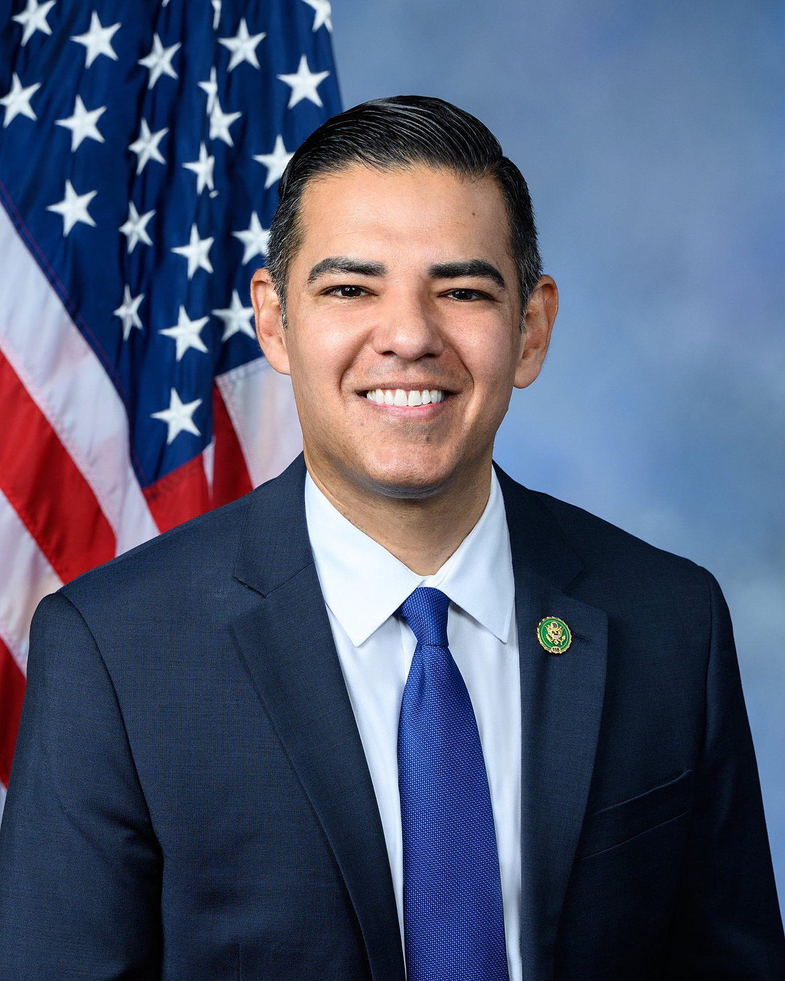
Co-Sponsor
-
TrackJahana Hayes
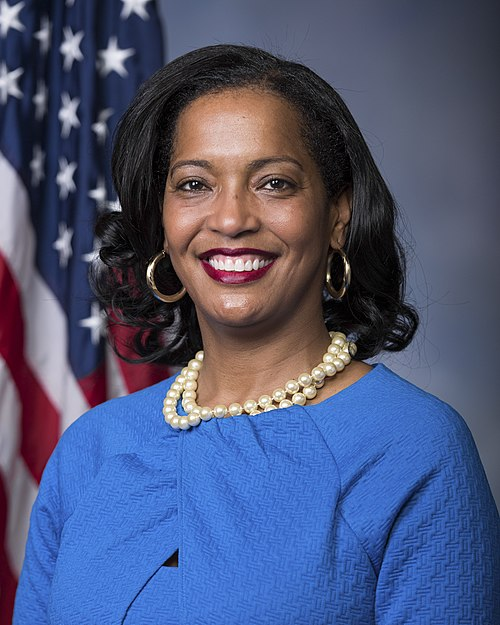
Co-Sponsor
-
TrackHenry C. "Hank" Johnson, Jr.
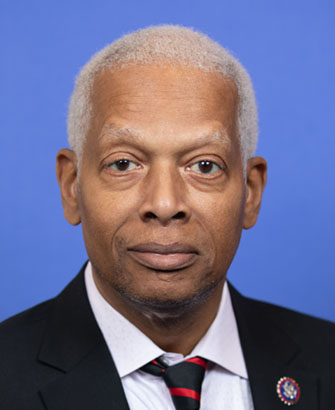
Co-Sponsor
-
TrackRaja Krishnamoorthi
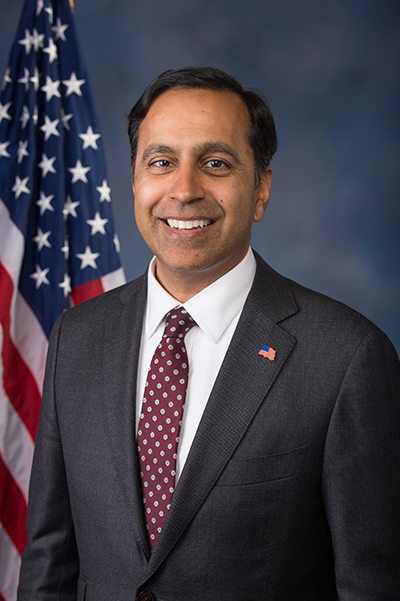
Co-Sponsor
-
TrackGreg Landsman
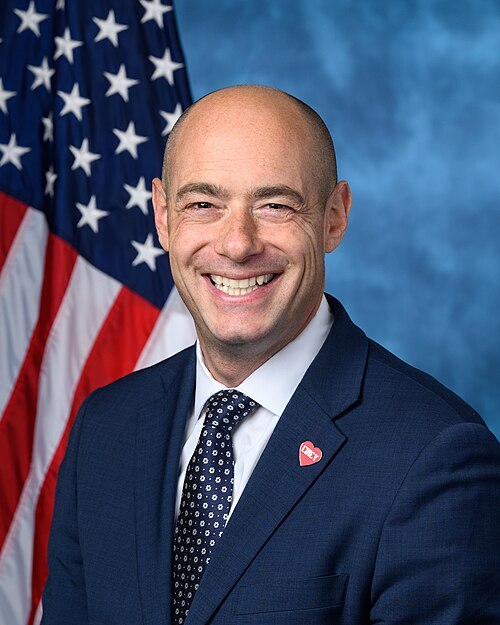
Co-Sponsor
-
TrackEleanor Holmes Norton
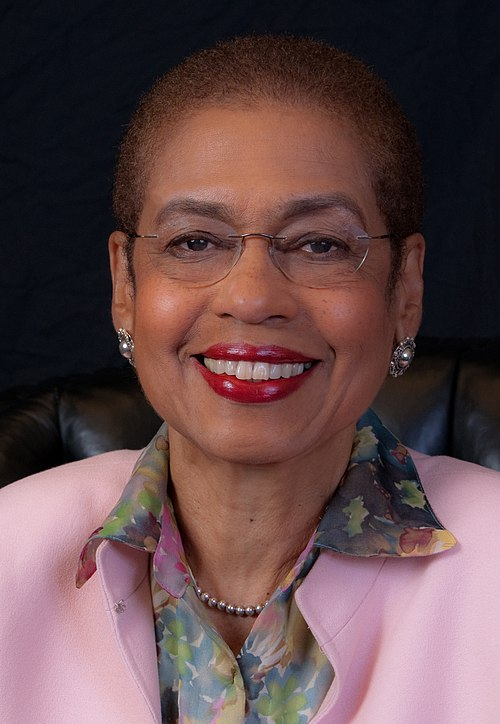
Co-Sponsor
-
TrackDelia C. Ramirez
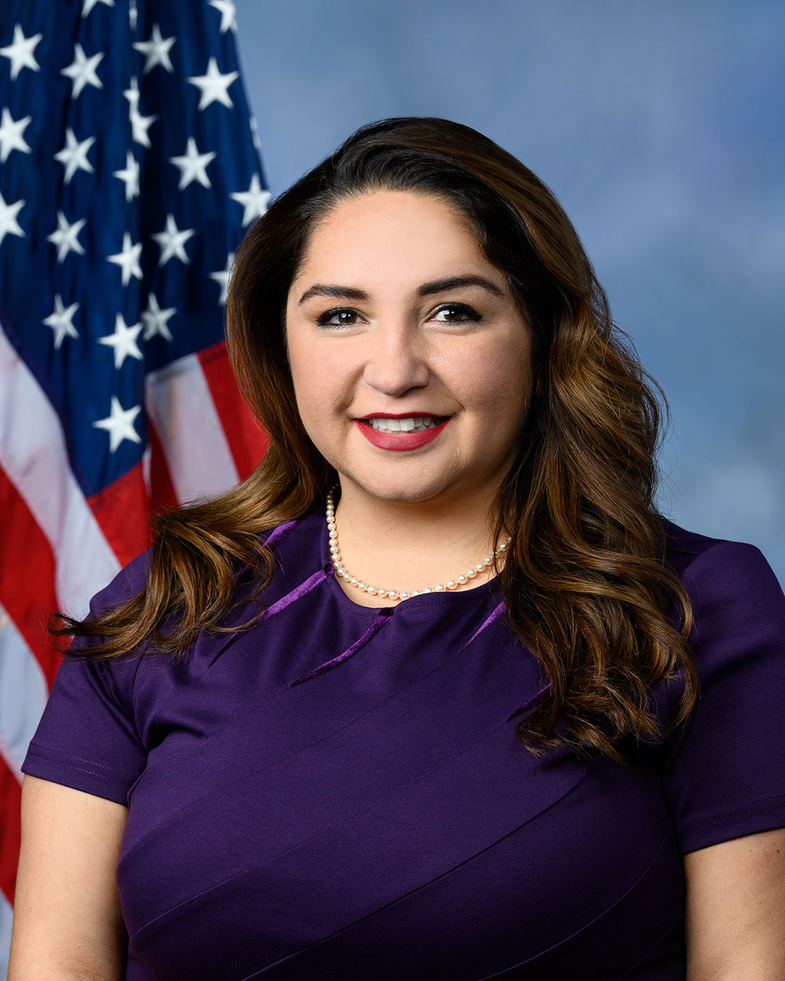
Co-Sponsor
-
TrackMelanie A. Stansbury
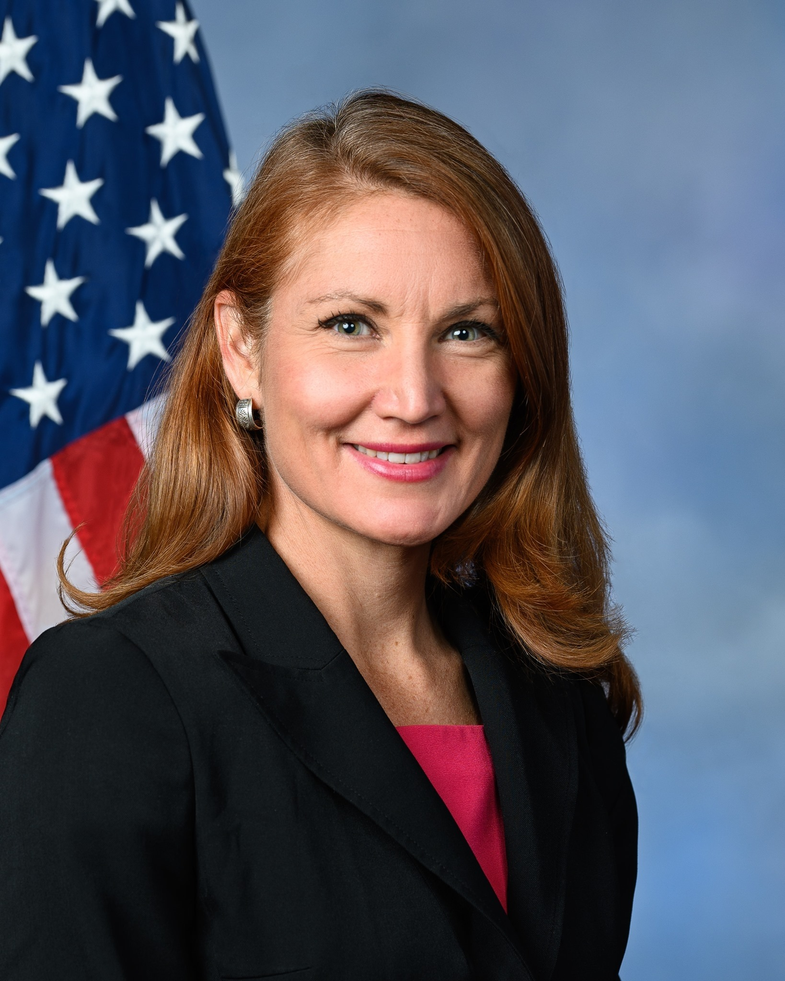
Co-Sponsor
-
TrackShri Thanedar
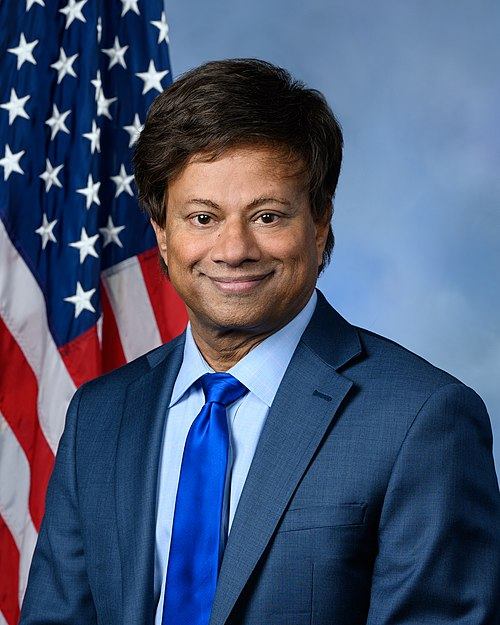
Co-Sponsor
-
TrackDina Titus
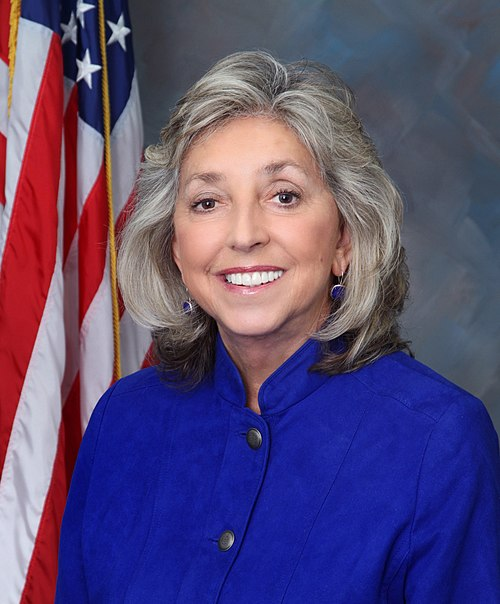
Co-Sponsor
-
TrackRashida Tlaib
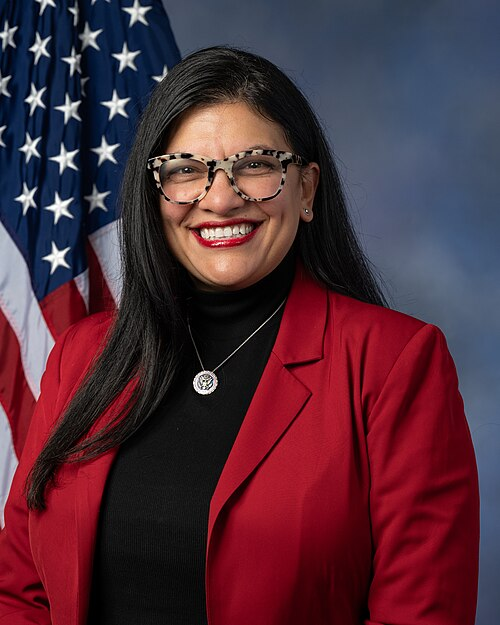
Co-Sponsor
-
TrackJill N. Tokuda
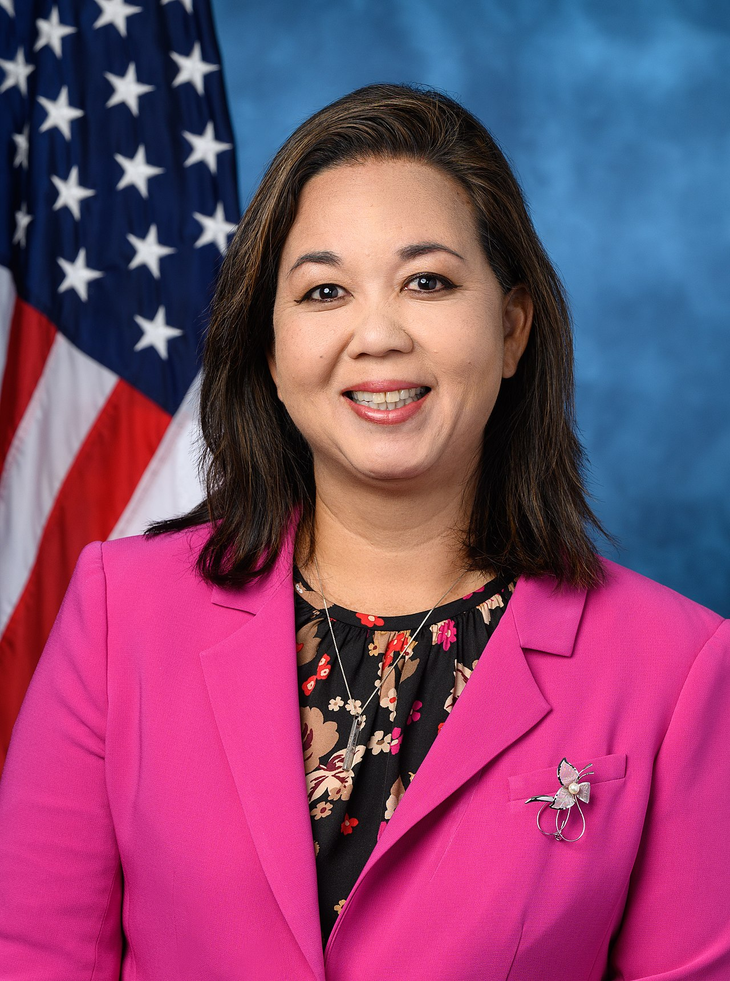
Co-Sponsor
-
TrackFrederica S. Wilson
Co-Sponsor
-
Tracknan

Co-Sponsor
Actions
2 actions
| Date | Action |
|---|---|
| Jan. 13, 2026 | Introduced in House |
| Jan. 13, 2026 | Referred to the House Committee on Education and Workforce. |
Corporate Lobbying
0 companies lobbying
None found.
* Note that there can be significant delays in lobbying disclosures, and our data may be incomplete.
Potentially Relevant Congressional Stock Trades
No relevant congressional stock trades found.