H.R. 7008: Stop Insider Trading Act
The Stop Insider Trading Act aims to amend existing laws regarding stock trading by Members of Congress and their immediate families. Here’s a breakdown of the key provisions of the bill:
Overview of the Act
The bill introduces new restrictions on stock transactions conducted by "covered individuals," which include Members of Congress, as well as their spouses and dependent children.
Definitions
- Covered Individual: A Member of Congress and their spouse or dependent children.
- Covered Investment: Stocks or securities issued by publicly traded companies, excluding certain funds and small business investments.
- Publicly Traded Company: A company with securities registered under federal securities laws.
Restrictions on Investments
The bill prohibits covered individuals from purchasing covered investments while they are serving in Congress. Additionally, there are specific requirements related to selling such investments, which include:
- A mandatory public notice of intent to sell, which must be disclosed at least 7 but no more than 14 days before the sale.
- Content requirements for the notice, including the projected date, description, and number of shares to be sold.
- Allowed withdrawal of the notice if the individual decides not to proceed with the sale.
Exceptions
- The notice requirements do not apply to transactions by spouses or dependents made on behalf of others or as part of employment compensation.
- Transactions made for reinvesting dividends from a covered investment are also exempt from the restrictions.
Enforcement
Violations of the investment restrictions can result in penalties including:
- Fees imposed on the violator, which could be up to $2,000 or 10% of the transaction value, whichever is greater.
- Mandates to sell any covered investment purchased in violation of the restrictions.
Collected fees are to be deposited into the general fund of the Treasury, and the supervising ethics office may issue guidance on enforcement and compliance.
Effective Date
The provisions of this Act will take effect 180 days after it is enacted.
Relevant Companies
None found
This is an AI-generated summary of the bill text. There may be mistakes.
Sponsors
94 bill sponsors
-
TrackBryan Steil
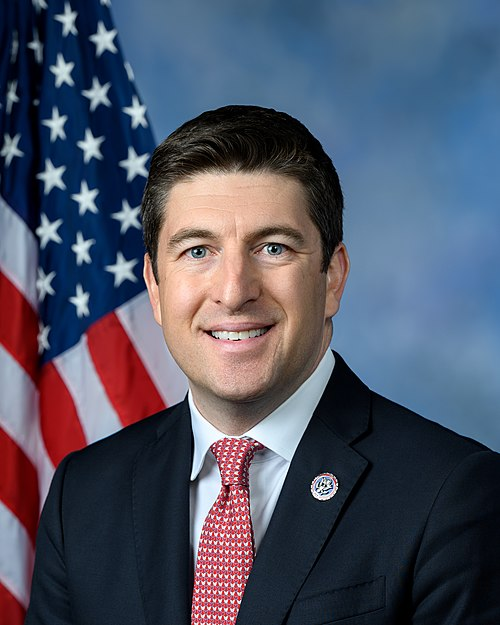
Sponsor
-
TrackMark Alford
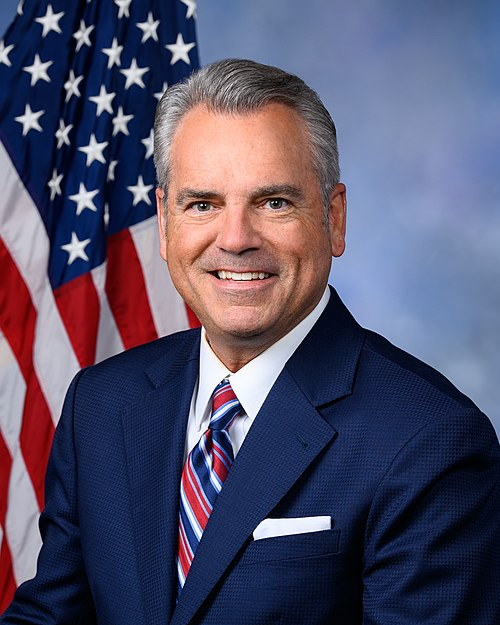
Co-Sponsor
-
TrackJodey C. Arrington
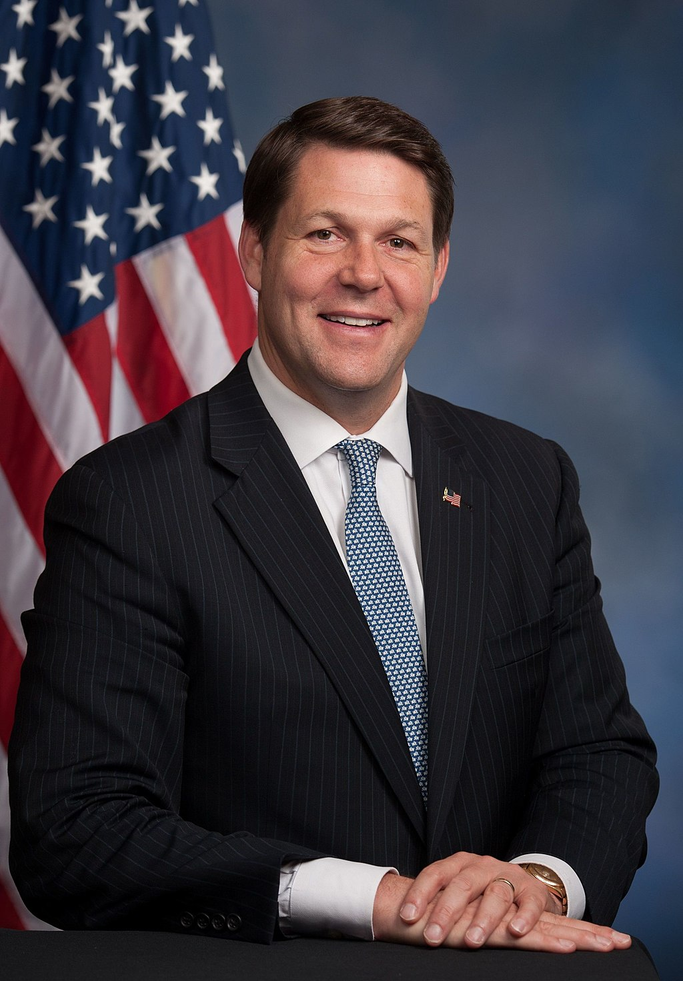
Co-Sponsor
-
TrackDon Bacon
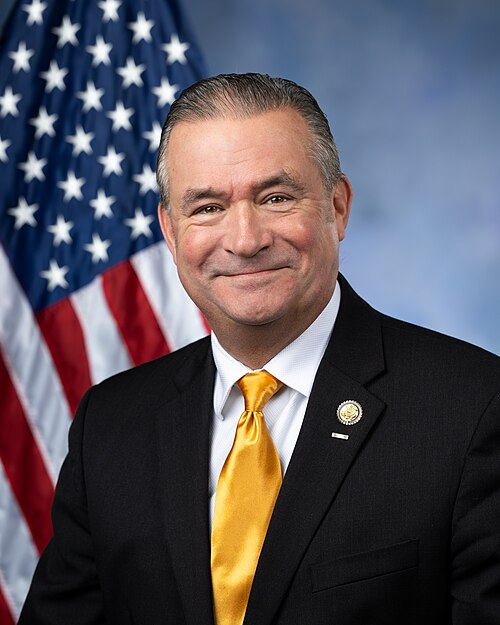
Co-Sponsor
-
TrackTom Barrett
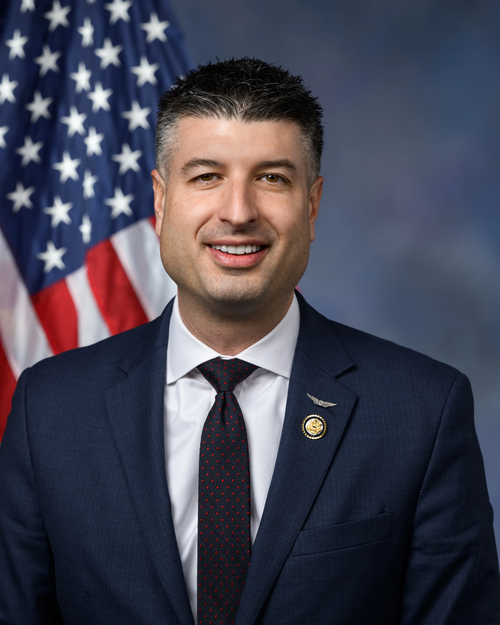
Co-Sponsor
-
TrackMichael Baumgartner
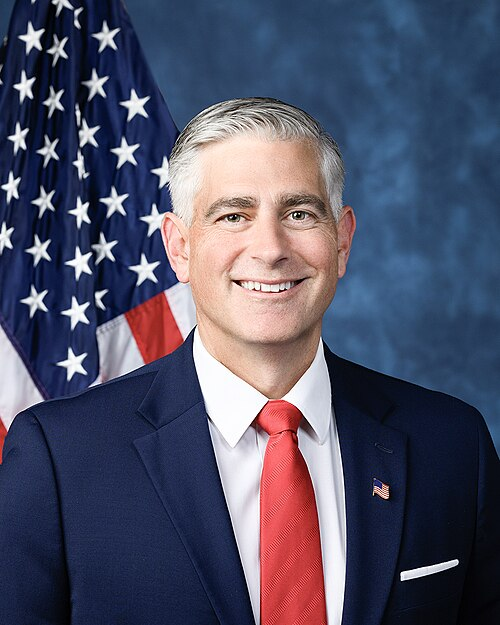
Co-Sponsor
-
TrackAaron Bean
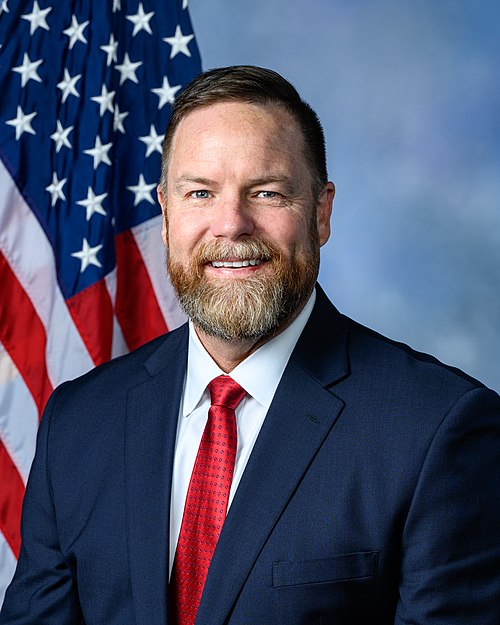
Co-Sponsor
-
TrackNicholas Begich

Co-Sponsor
-
TrackCliff Bentz
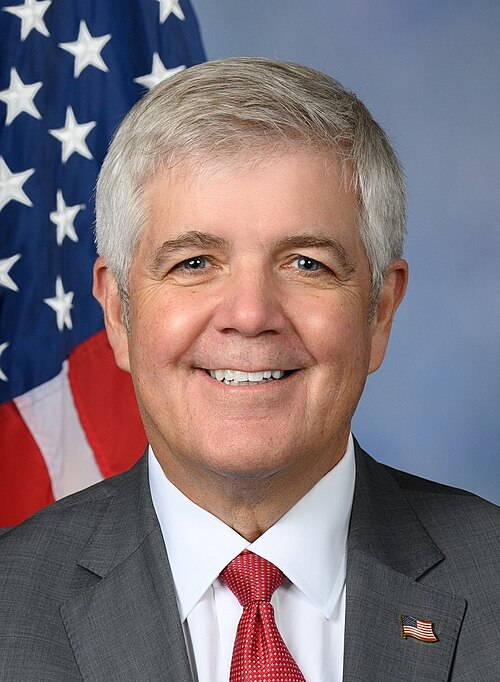
Co-Sponsor
-
TrackJack Bergman
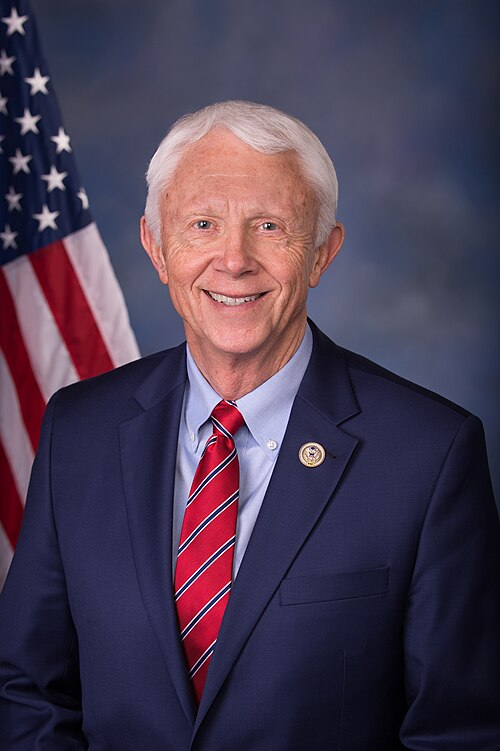
Co-Sponsor
-
TrackStephanie I. Bice
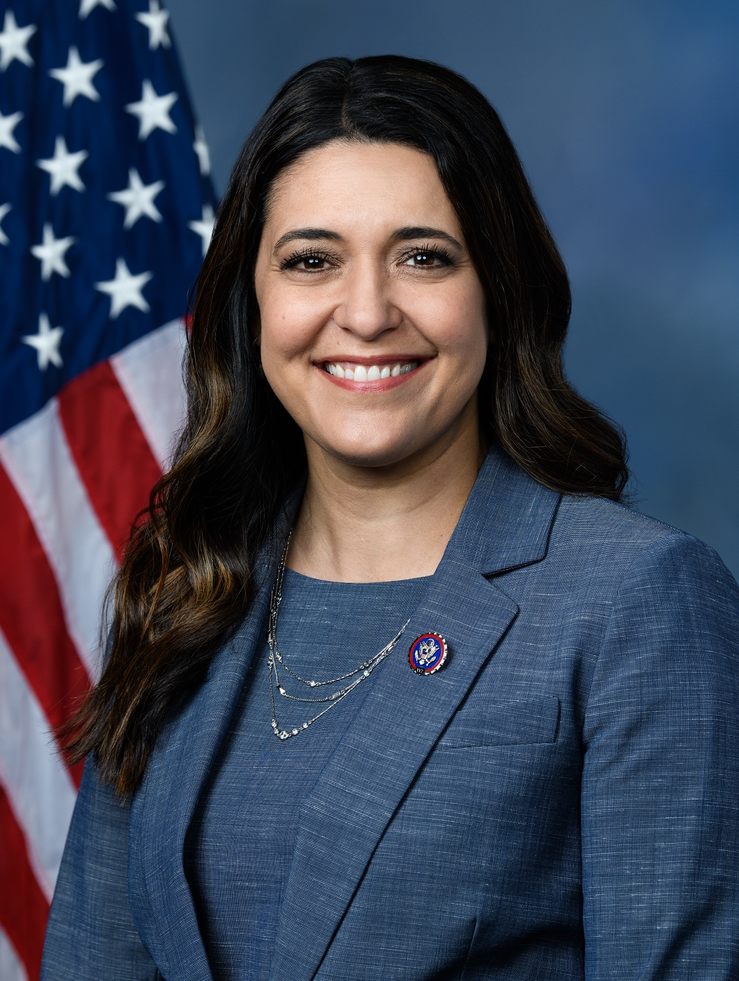
Co-Sponsor
-
TrackAndy Biggs
Co-Sponsor
-
TrackRobert Bresnahan
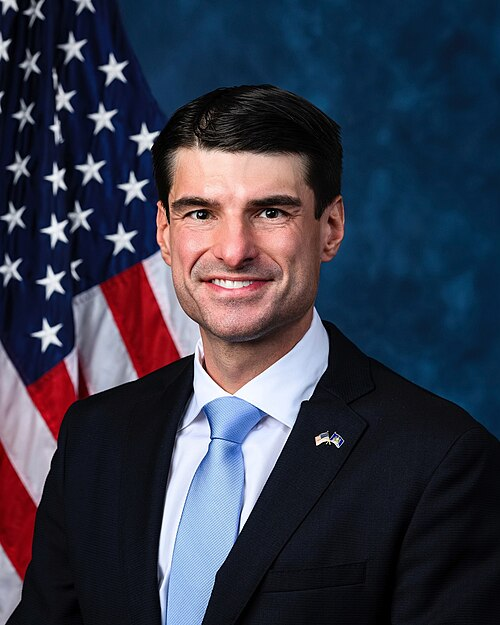
Co-Sponsor
-
TrackVern Buchanan
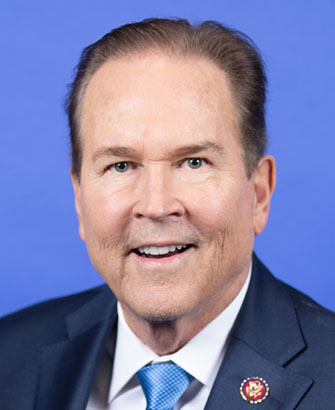
Co-Sponsor
-
TrackKat Cammack
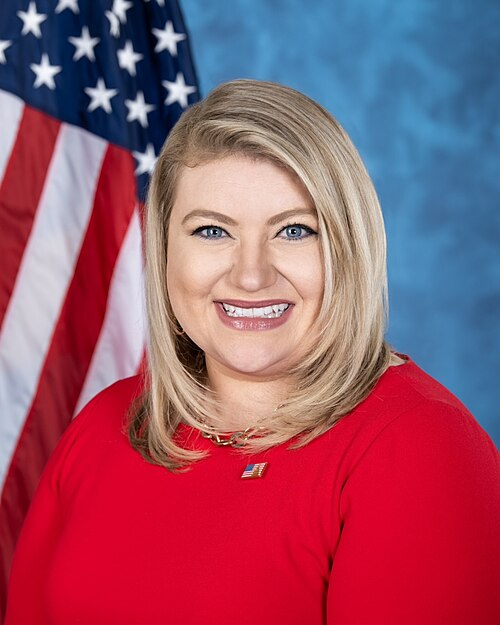
Co-Sponsor
-
TrackMike Carey

Co-Sponsor
-
TrackEarl L. "Buddy" Carter
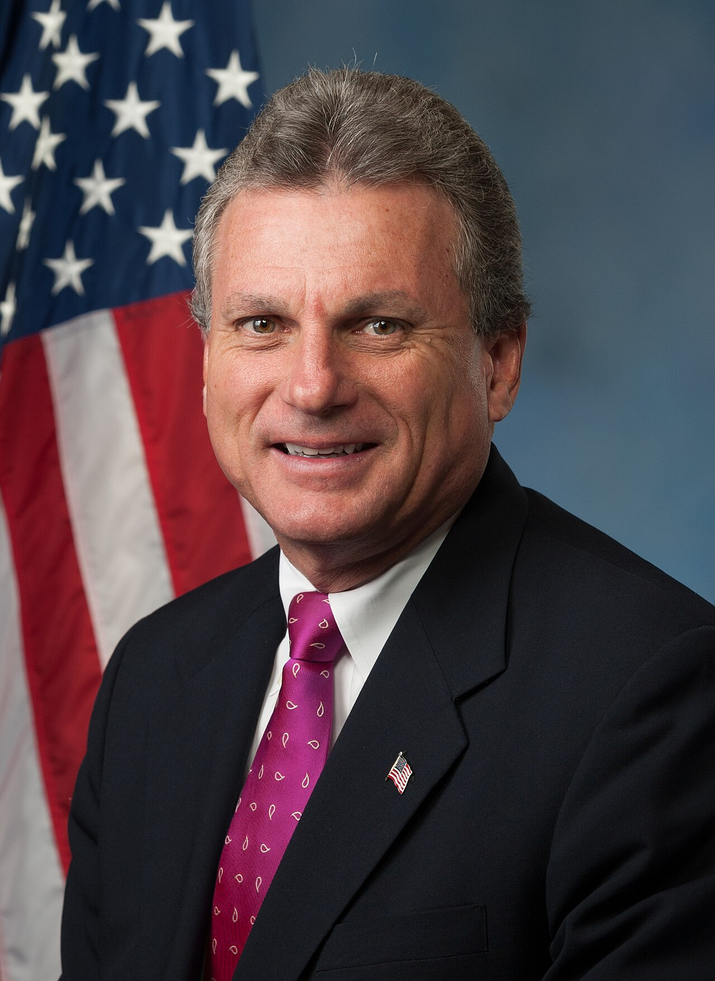
Co-Sponsor
-
TrackEd Case
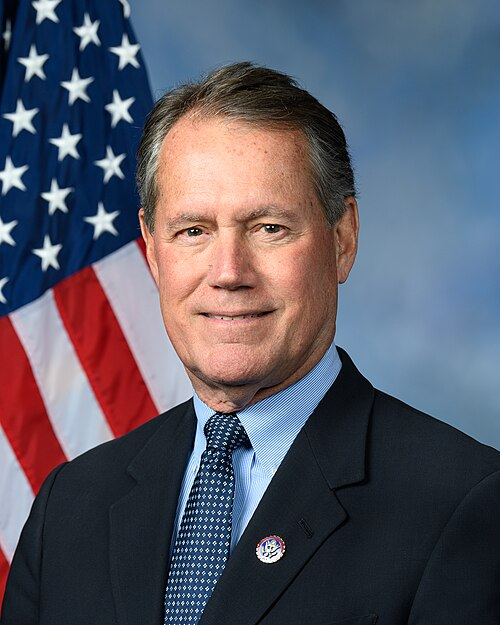
Co-Sponsor
-
TrackJuan Ciscomani
Co-Sponsor
-
TrackBen Cline
Co-Sponsor
-
TrackMichael Cloud
Co-Sponsor
-
TrackMike Collins
Co-Sponsor
-
TrackElijah Crane
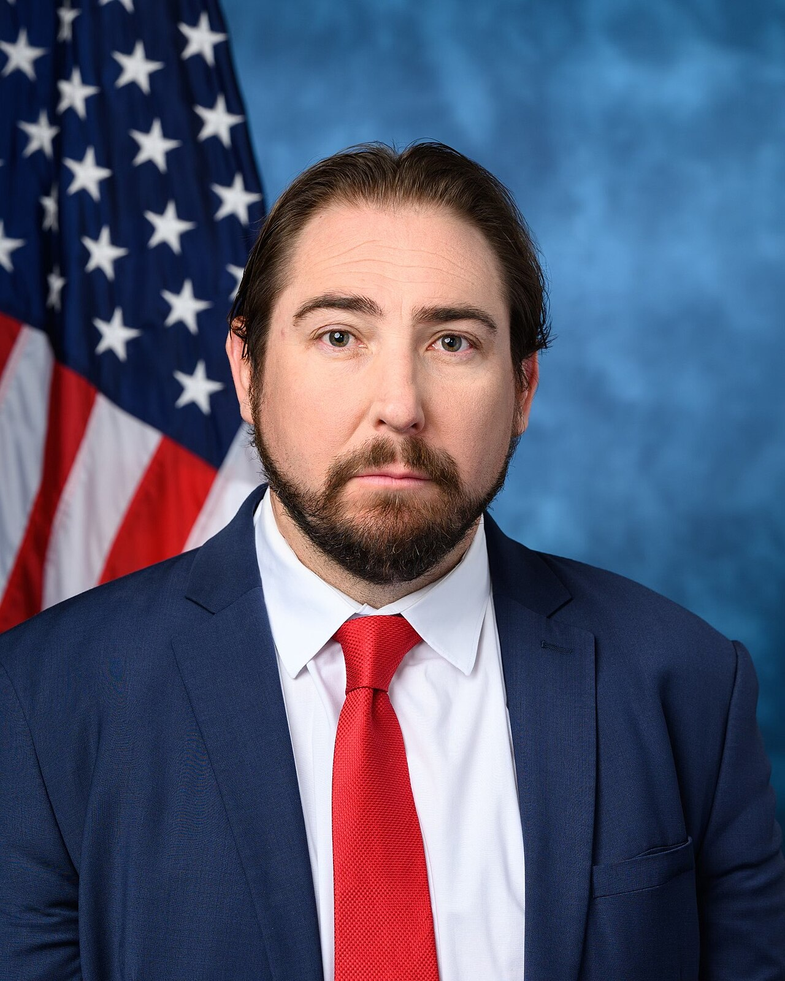
Co-Sponsor
-
TrackJeff Crank
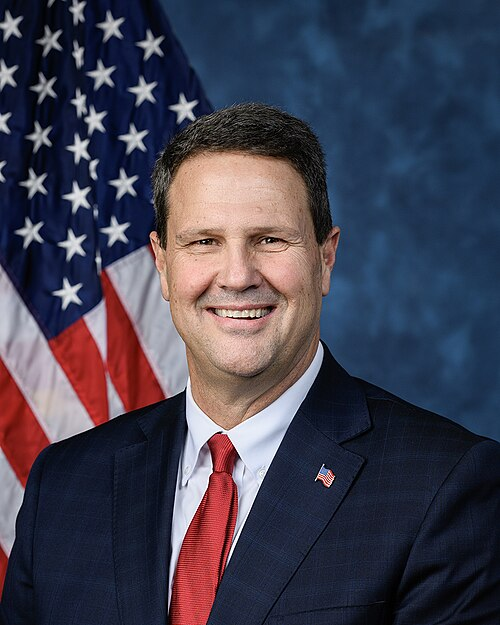
Co-Sponsor
-
TrackDan Crenshaw

Co-Sponsor
-
TrackTroy Downing
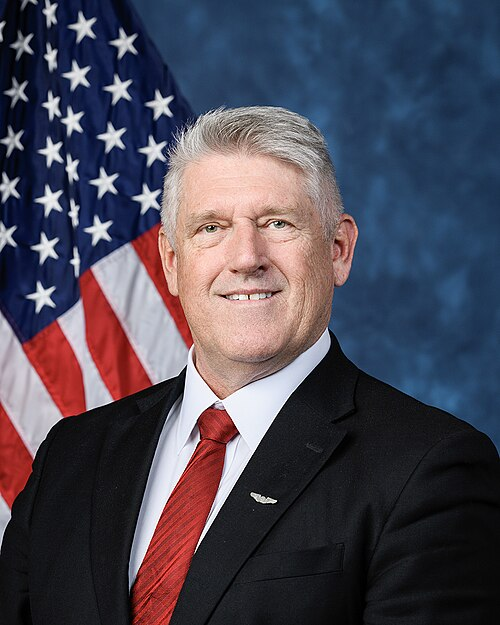
Co-Sponsor
-
TrackJake Ellzey
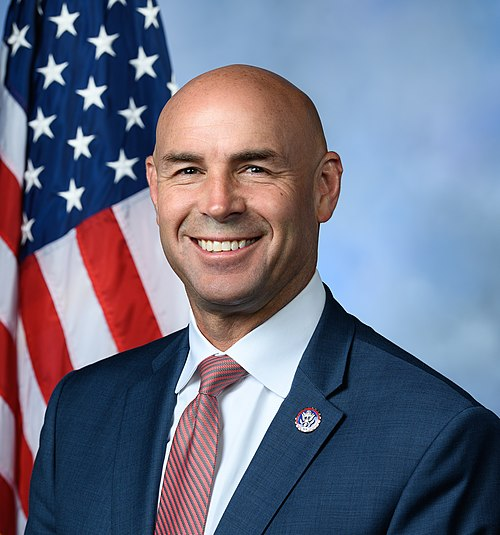
Co-Sponsor
-
TrackGabe Evans
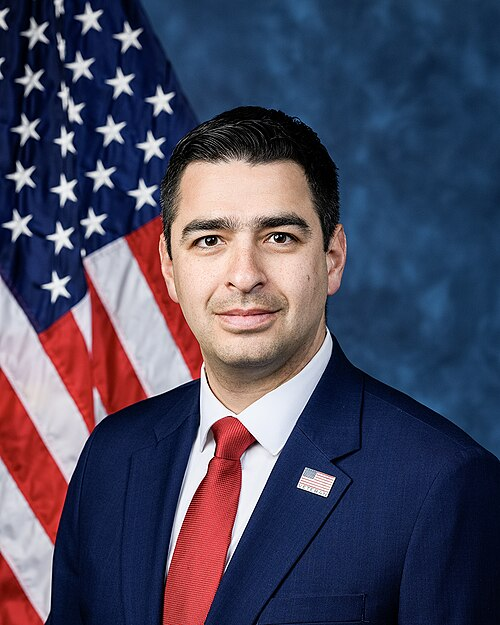
Co-Sponsor
-
TrackPat Fallon
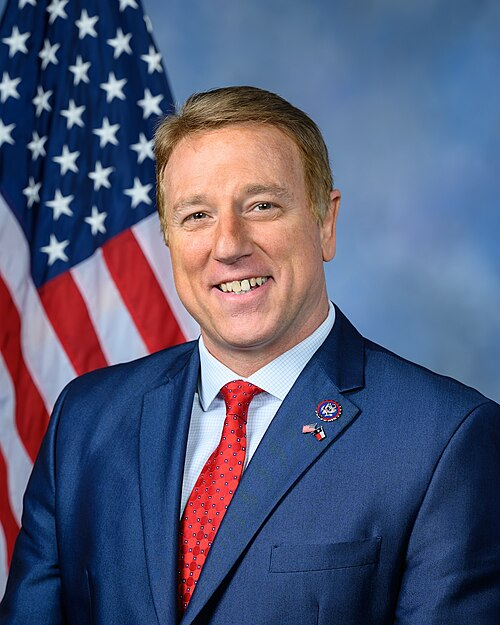
Co-Sponsor
-
TrackJulie Fedorchak
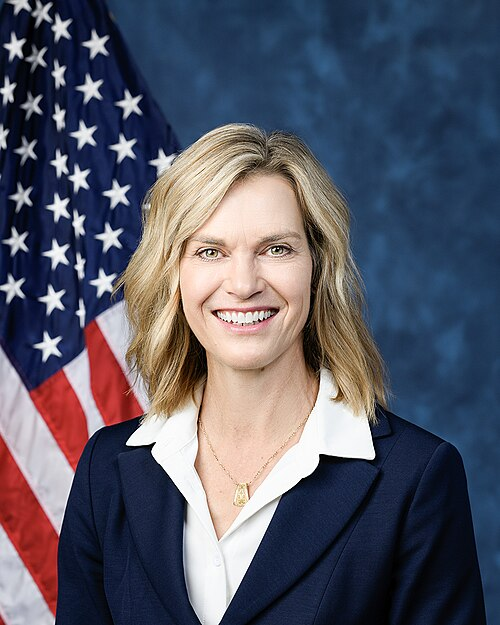
Co-Sponsor
-
TrackRandy Feenstra
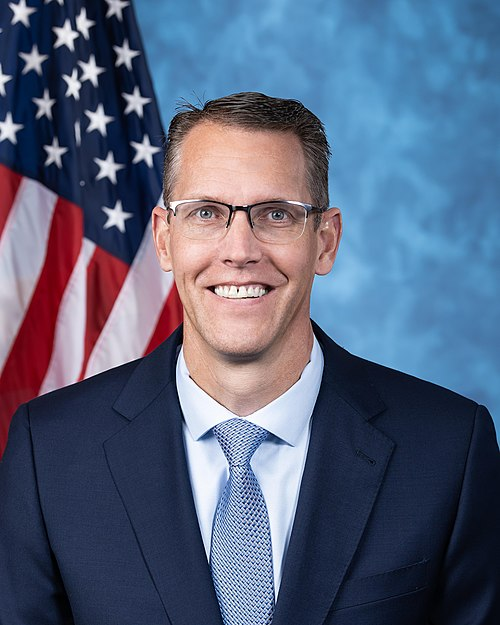
Co-Sponsor
-
TrackScott Fitzgerald
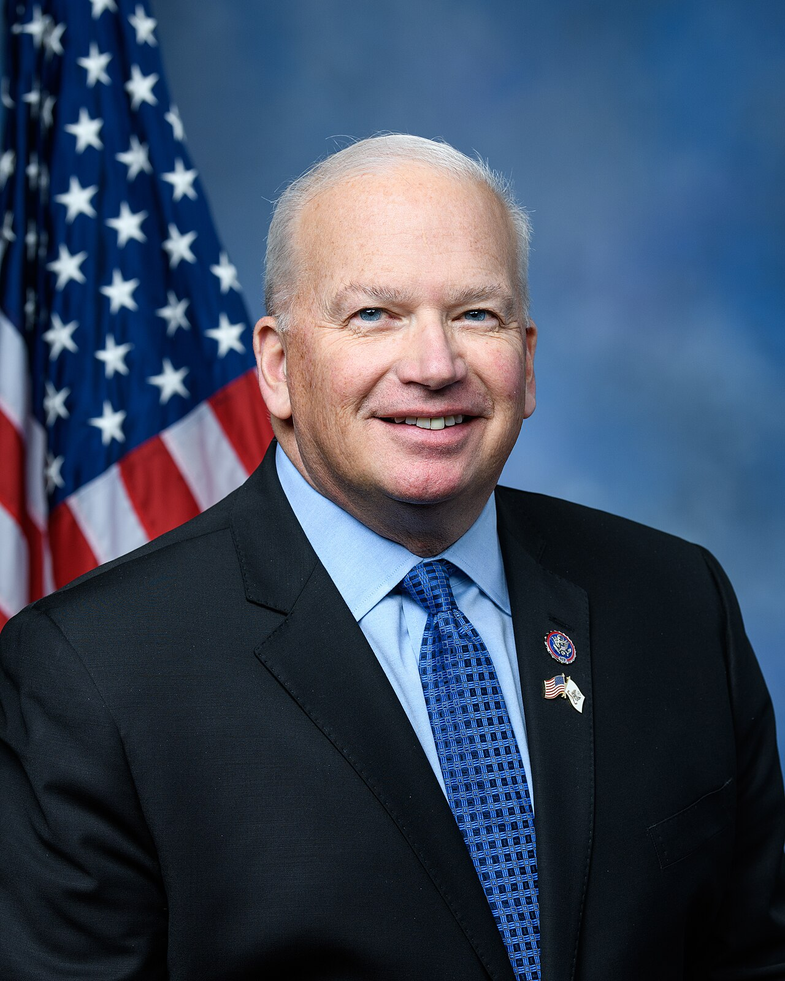
Co-Sponsor
-
TrackMike Flood

Co-Sponsor
-
TrackVince Fong
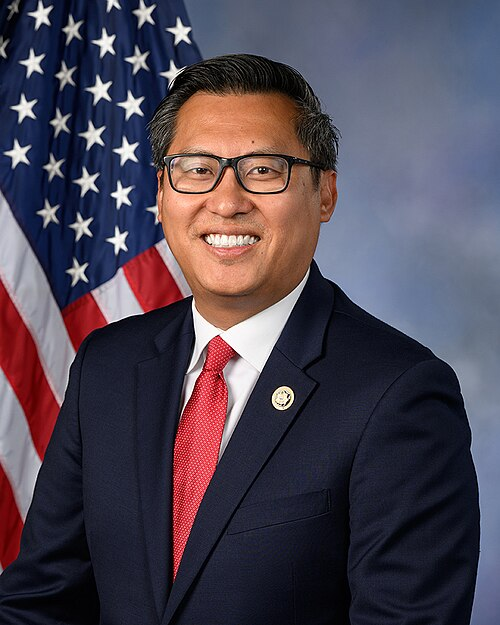
Co-Sponsor
-
TrackScott Franklin
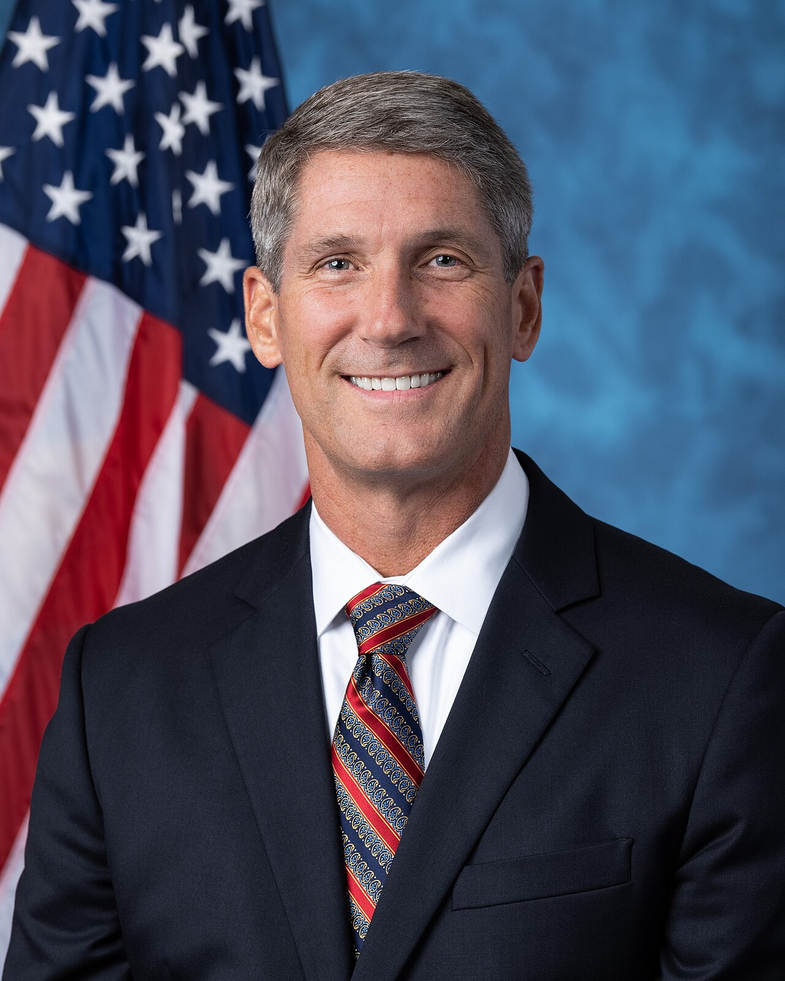
Co-Sponsor
-
TrackPaul A. Gosar

Co-Sponsor
-
TrackH. Morgan Griffith
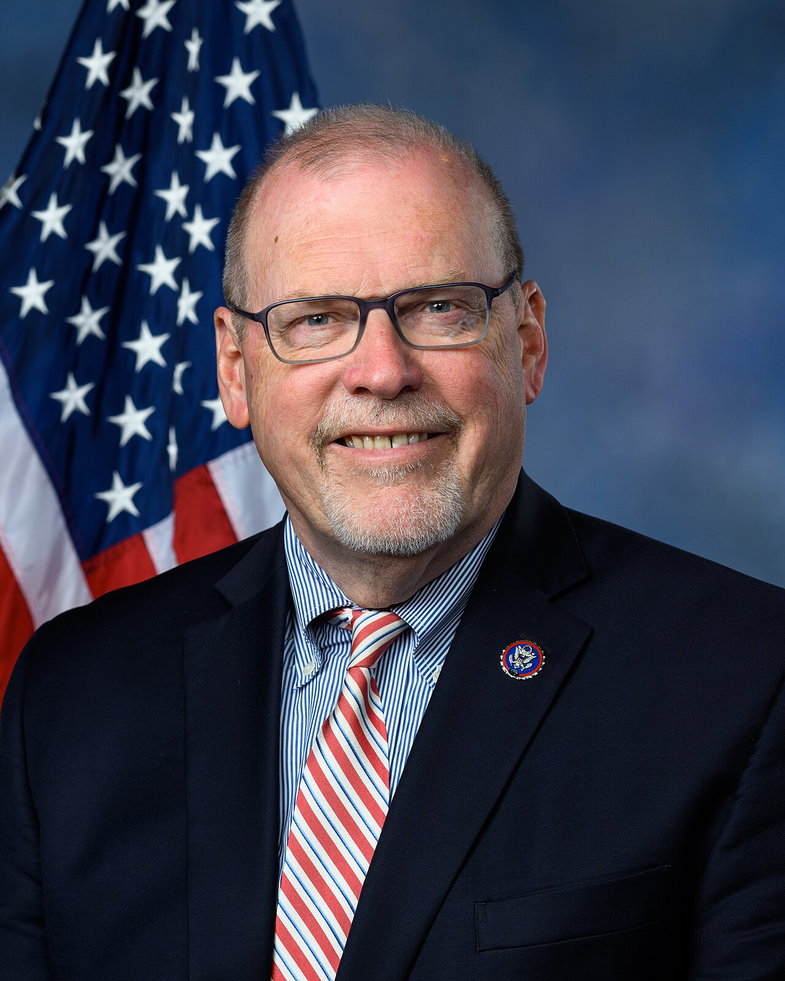
Co-Sponsor
-
TrackGlenn Grothman
Co-Sponsor
-
TrackMichael Guest
Co-Sponsor
-
TrackMike Haridopolos
Co-Sponsor
-
TrackPat Harrigan
Co-Sponsor
-
TrackAndy Harris
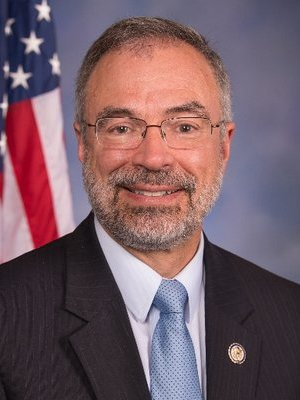
Co-Sponsor
-
TrackAshley Hinson
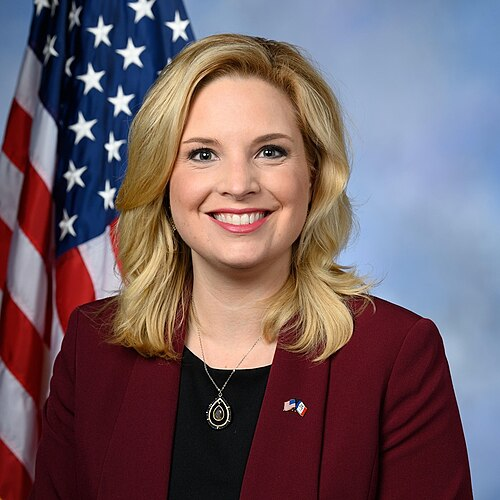
Co-Sponsor
-
TrackErin Houchin
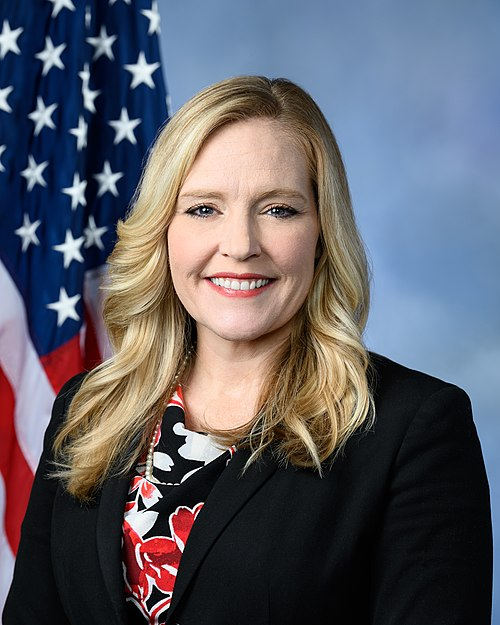
Co-Sponsor
-
TrackRichard Hudson
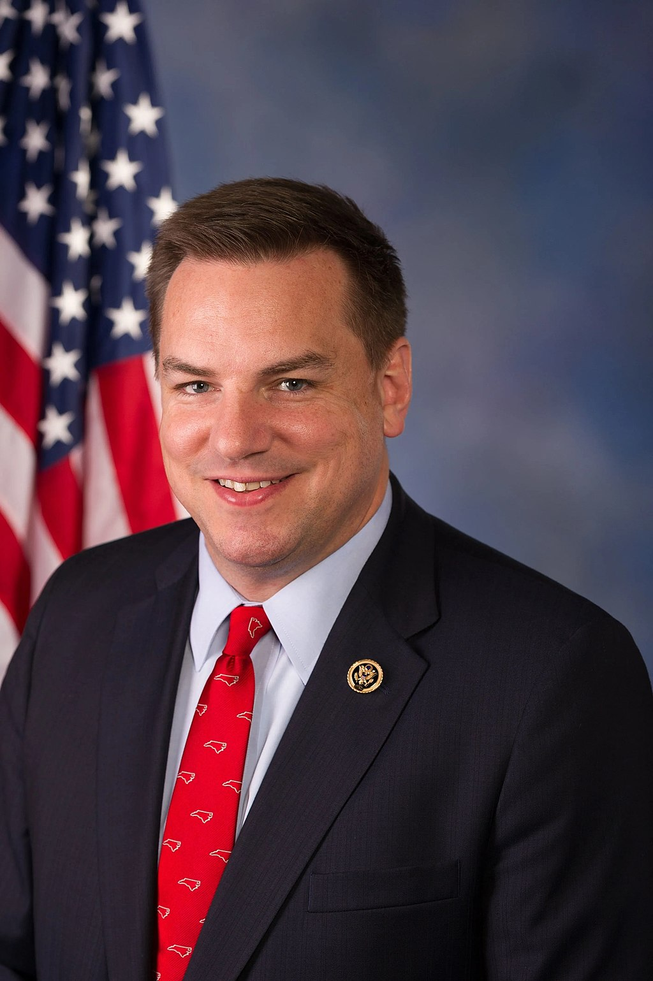
Co-Sponsor
-
TrackBill Huizenga
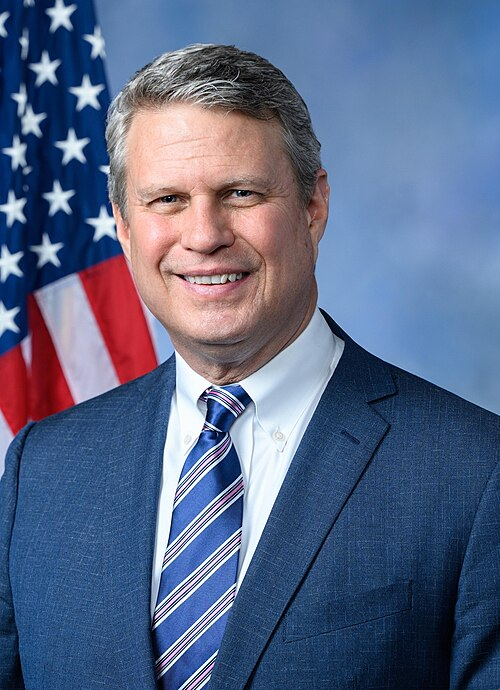
Co-Sponsor
-
TrackJeff Hurd
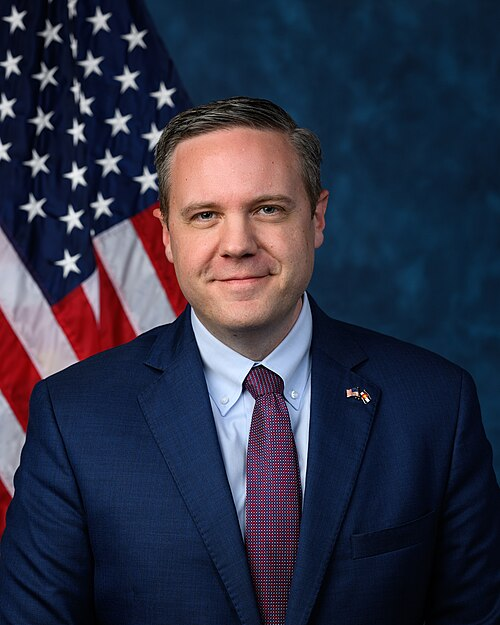
Co-Sponsor
-
TrackJohn James
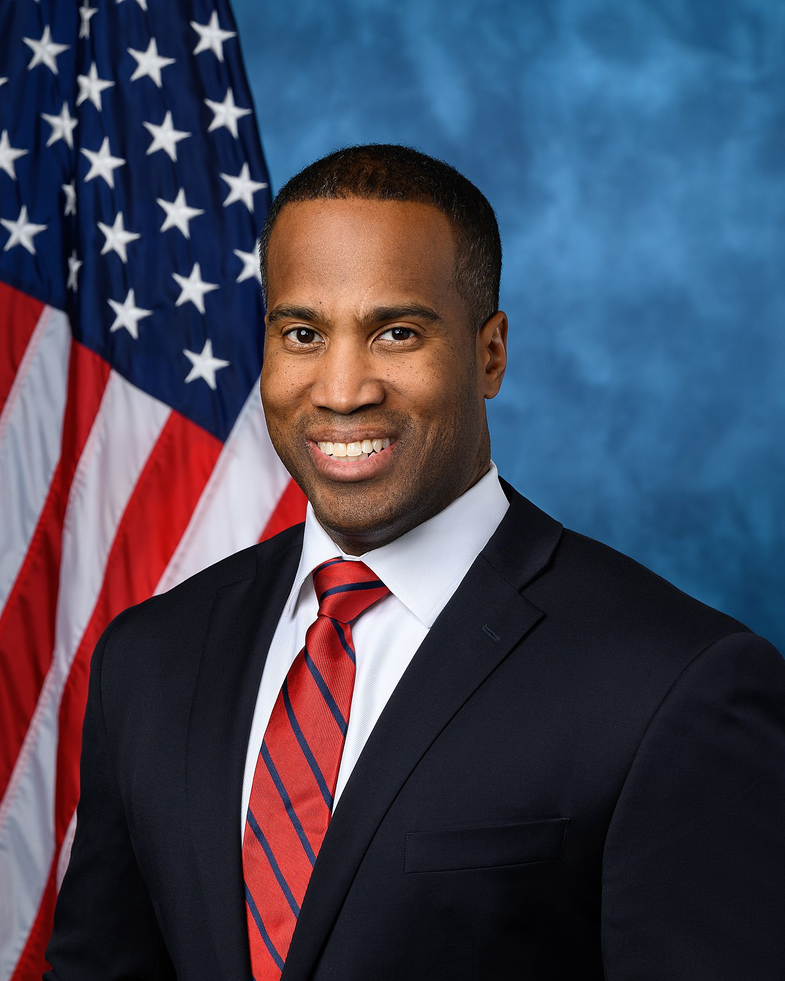
Co-Sponsor
-
TrackDusty Johnson

Co-Sponsor
-
TrackJohn Joyce
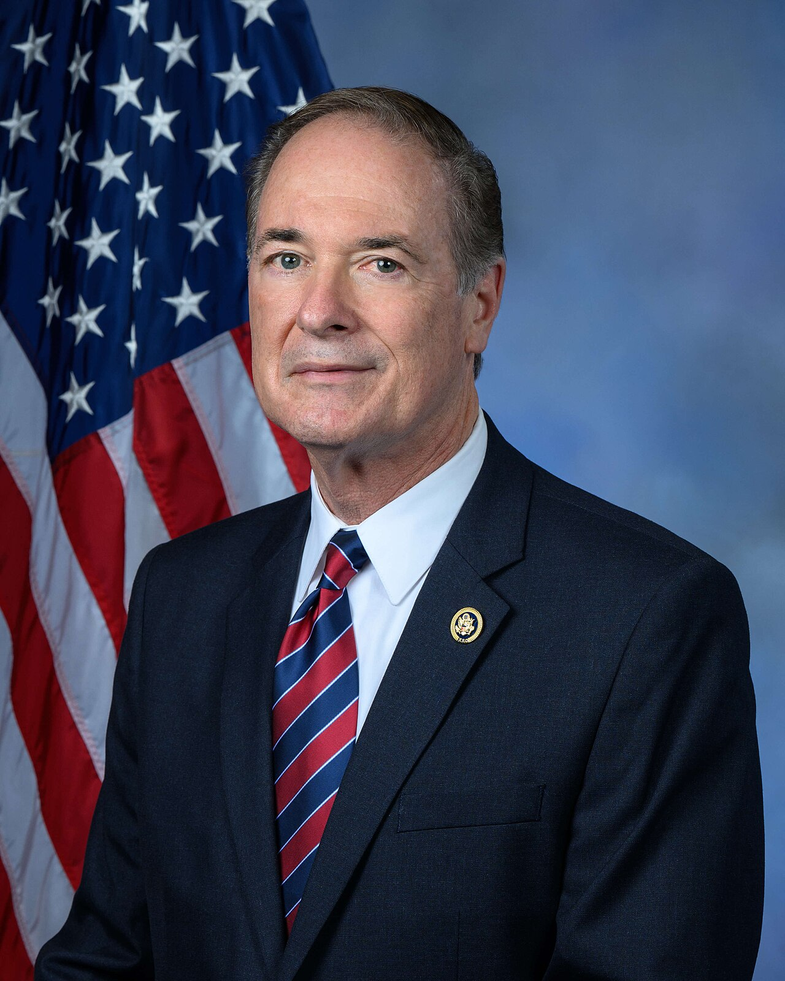
Co-Sponsor
-
TrackMike Kennedy
Co-Sponsor
-
TrackJennifer Kiggans
Co-Sponsor
-
TrackKevin Kiley
Co-Sponsor
-
TrackYoung Kim

Co-Sponsor
-
TrackDarin LaHood
Co-Sponsor
-
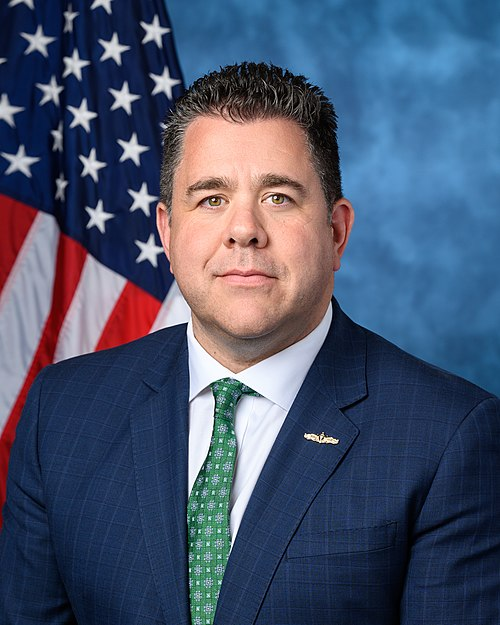
TrackNick LaLota
Co-Sponsor
-
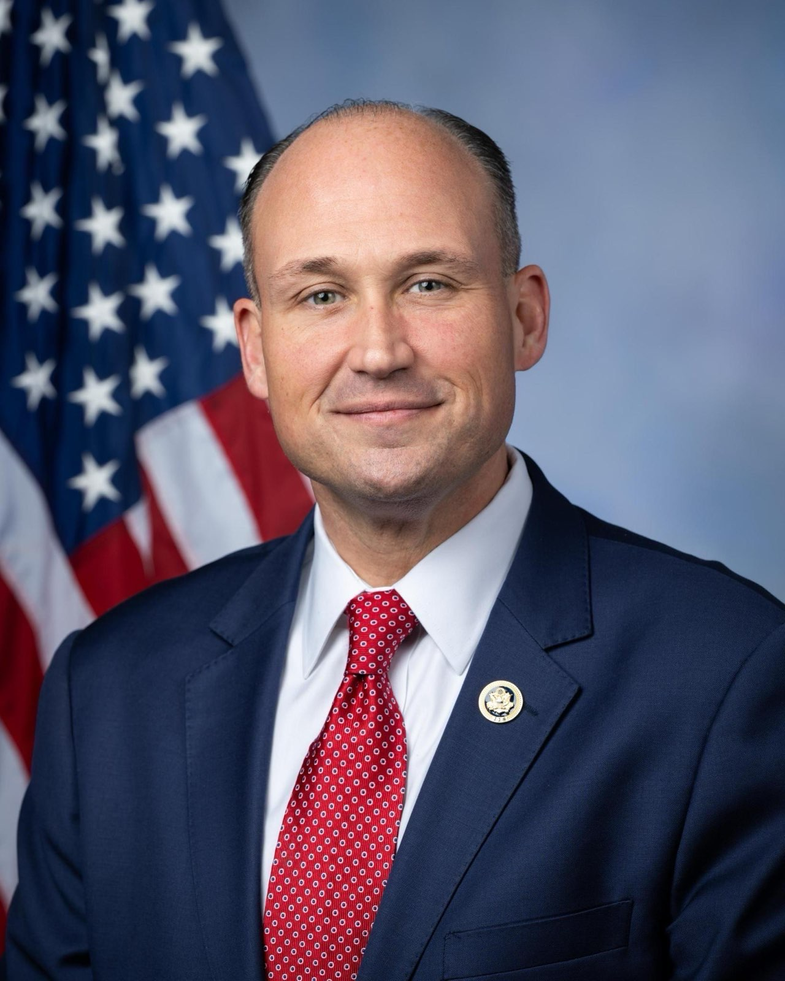
TrackNicholas A. Langworthy
Co-Sponsor
-
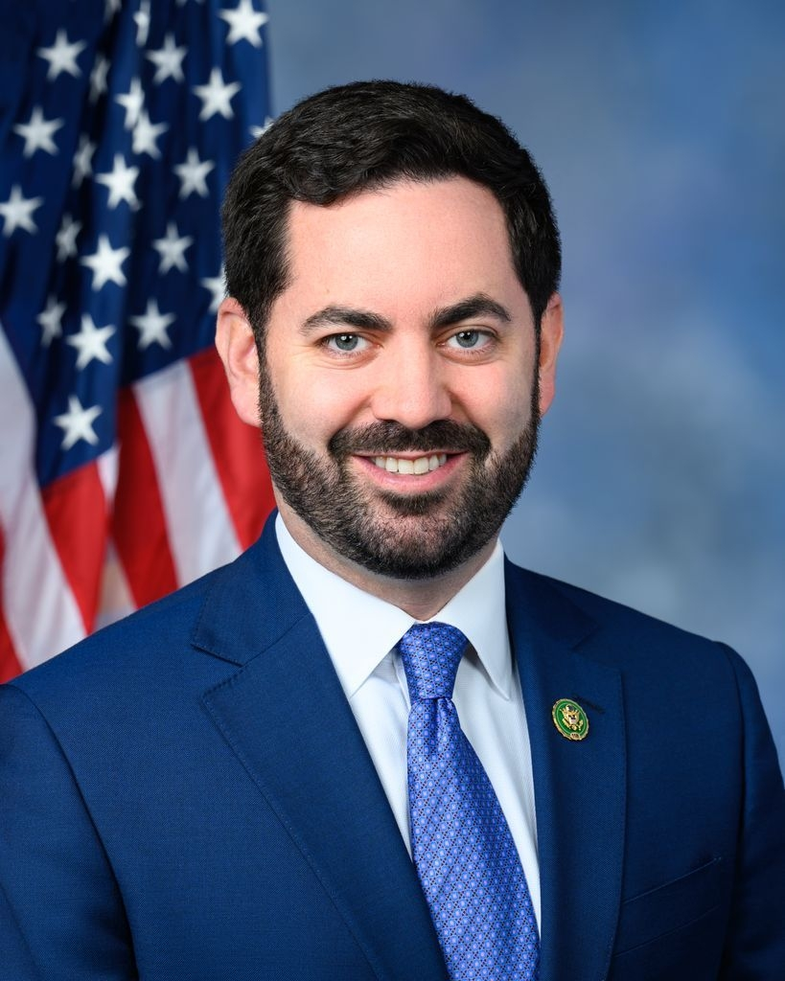
TrackMichael Lawler
Co-Sponsor
-
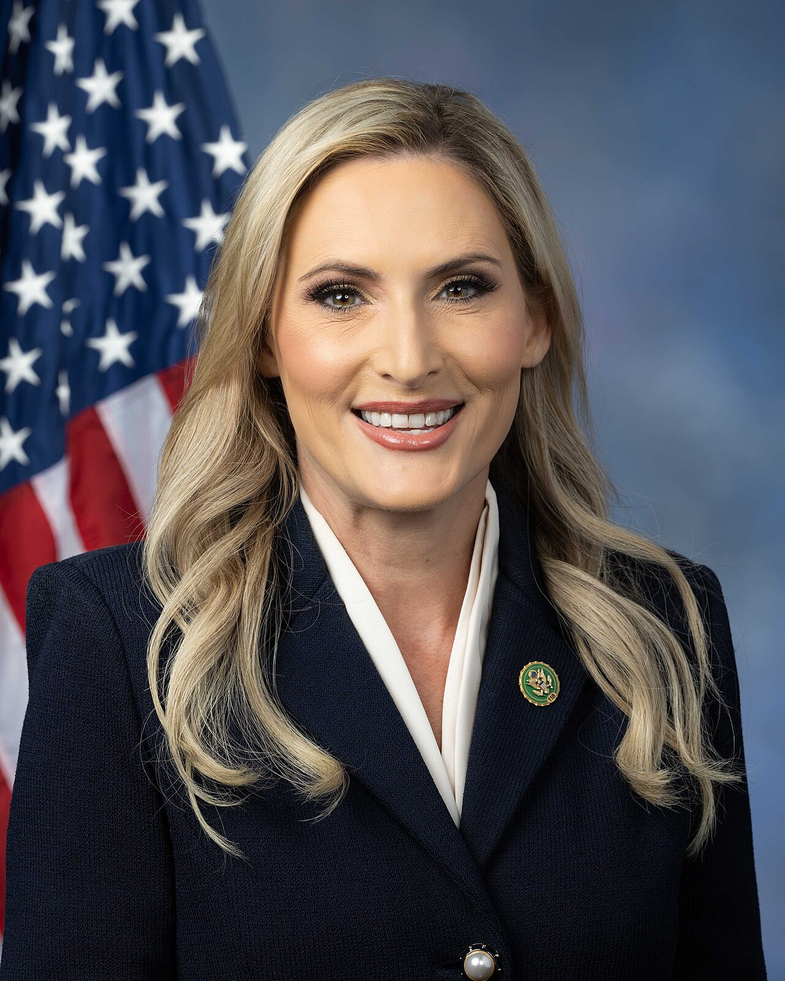
TrackLaurel M. Lee
Co-Sponsor
-
TrackAnna Paulina Luna
Co-Sponsor
-
TrackRyan Mackenzie
Co-Sponsor
-
TrackTracey Mann
Co-Sponsor
-
TrackBrian J. Mast
Co-Sponsor
-
TrackRichard McCormick
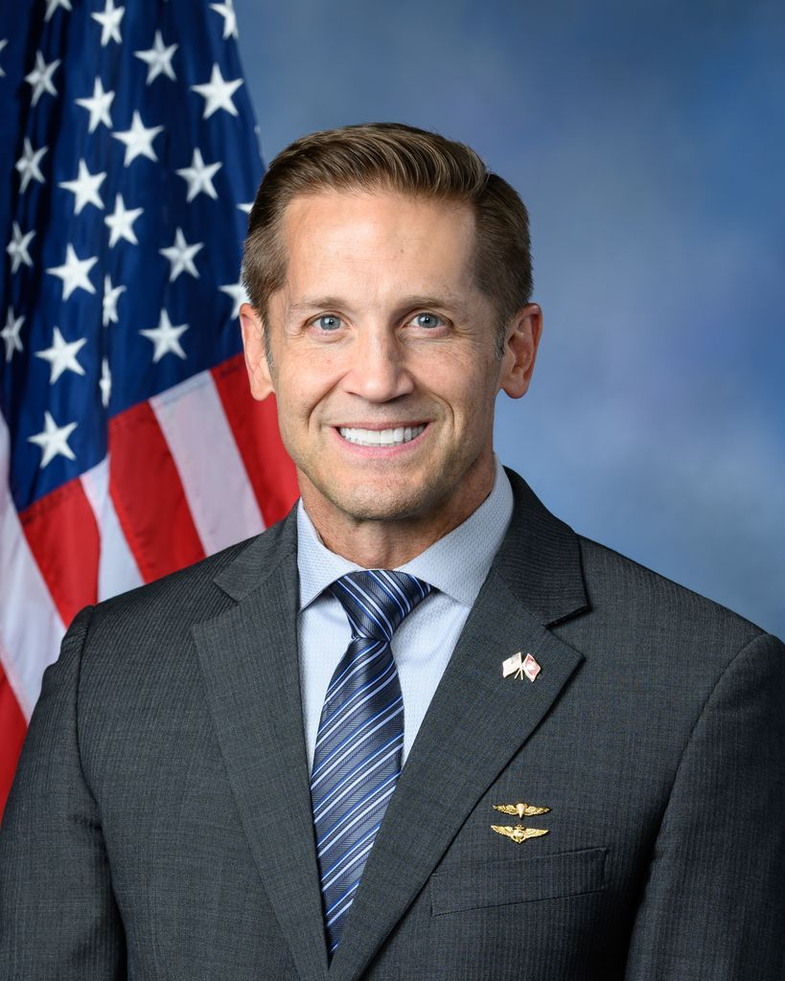
Co-Sponsor
-
TrackAddison McDowell
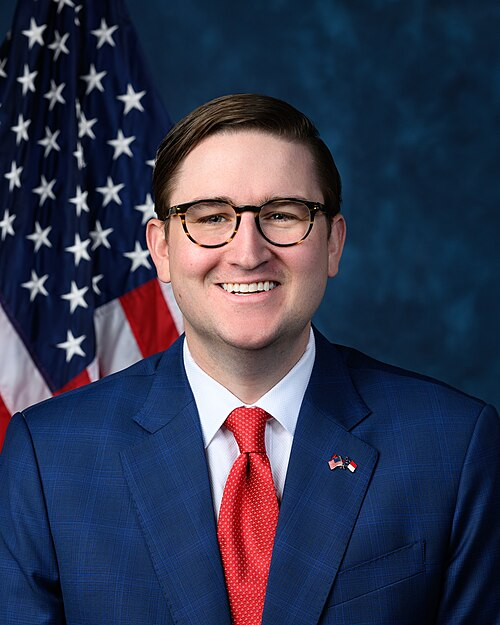
Co-Sponsor
-
TrackMark Messmer
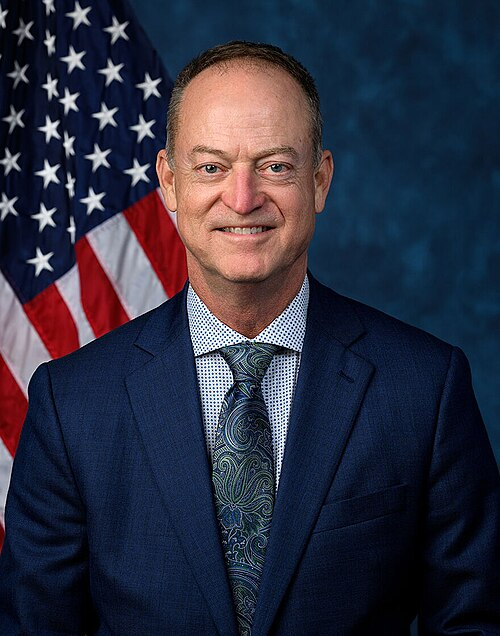
Co-Sponsor
-
TrackMax L. Miller
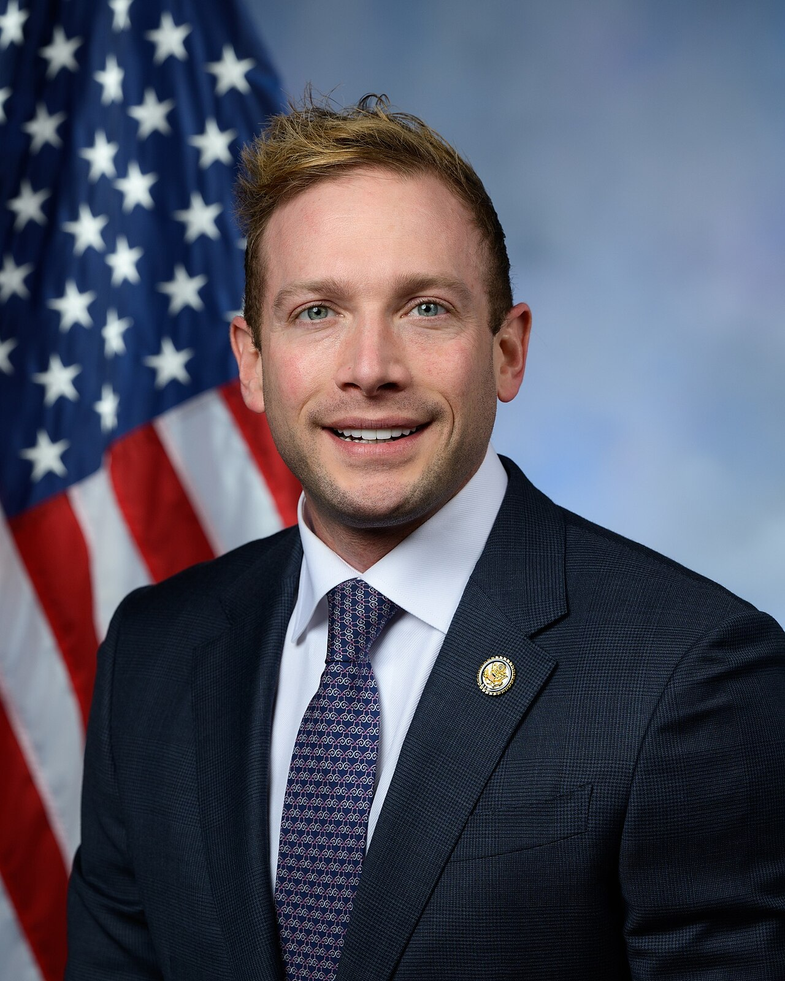
Co-Sponsor
-
TrackMary E. Miller

Co-Sponsor
-
TrackMariannette Miller-Meeks
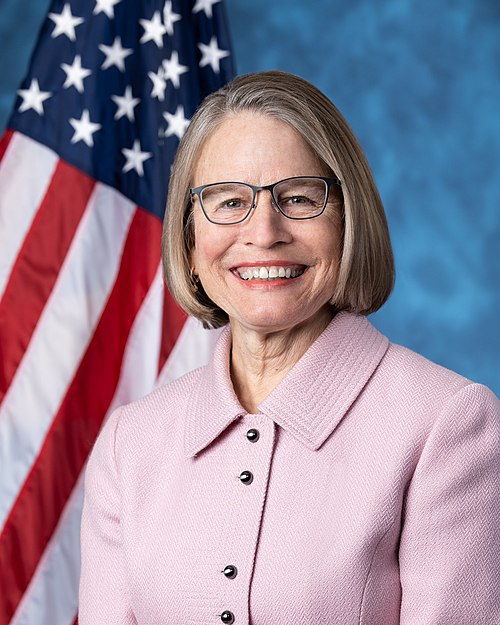
Co-Sponsor
-
TrackCory Mills
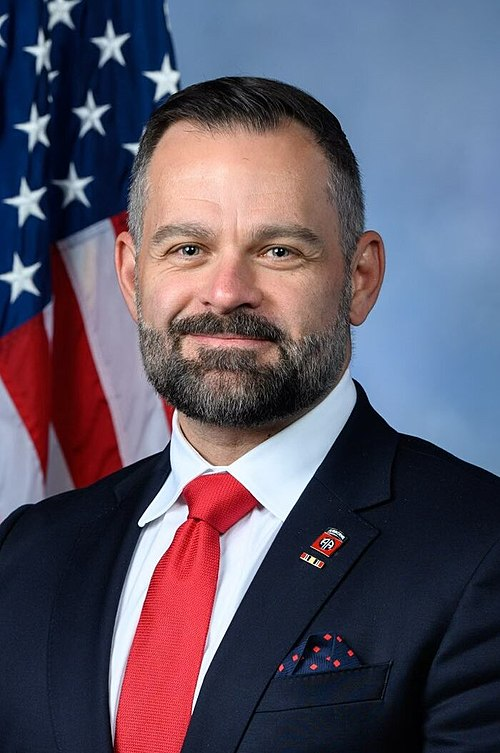
Co-Sponsor
-
TrackJohn R. Moolenaar
Co-Sponsor
-
TrackGregory F. Murphy
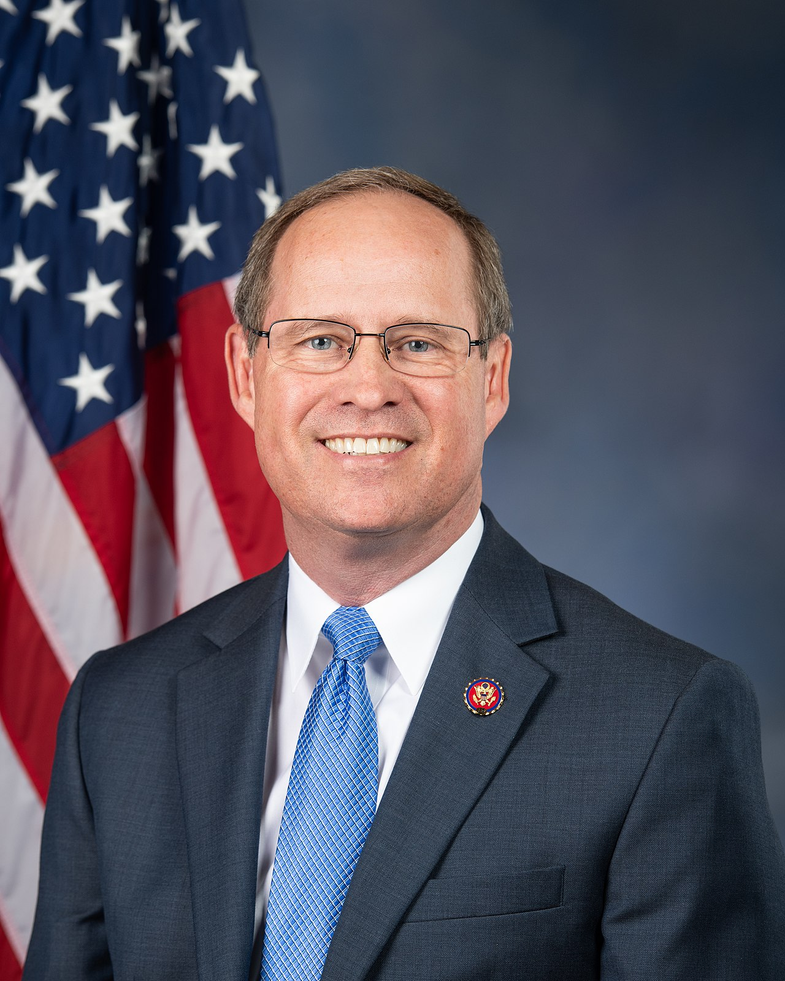
Co-Sponsor
-
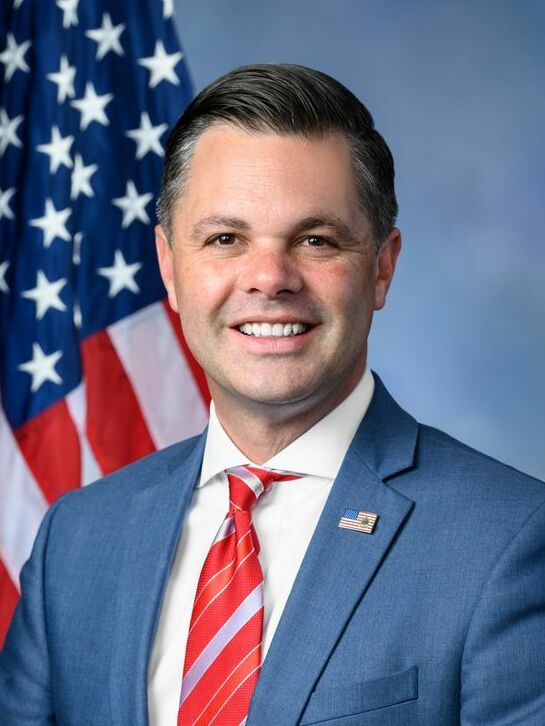
TrackZachary Nunn
Co-Sponsor
-
TrackAndrew Ogles

Co-Sponsor
-
TrackJimmy Patronis

Co-Sponsor
-
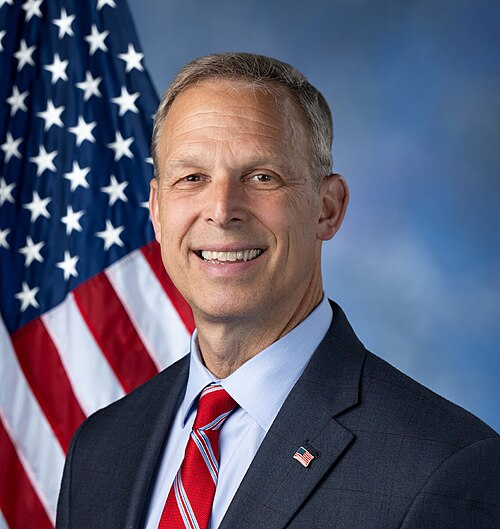
TrackScott Perry
Co-Sponsor
-
TrackJosh Riley

Co-Sponsor
-
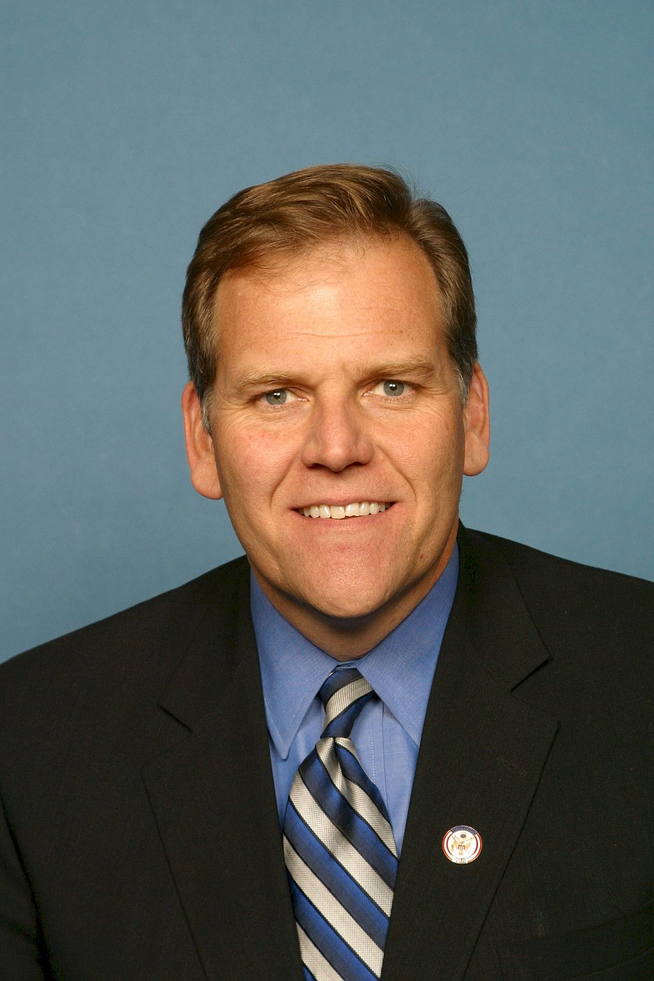
TrackMike Rogers
Co-Sponsor
-
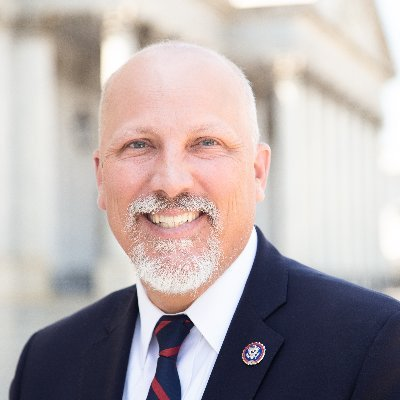
TrackChip Roy
Co-Sponsor
-
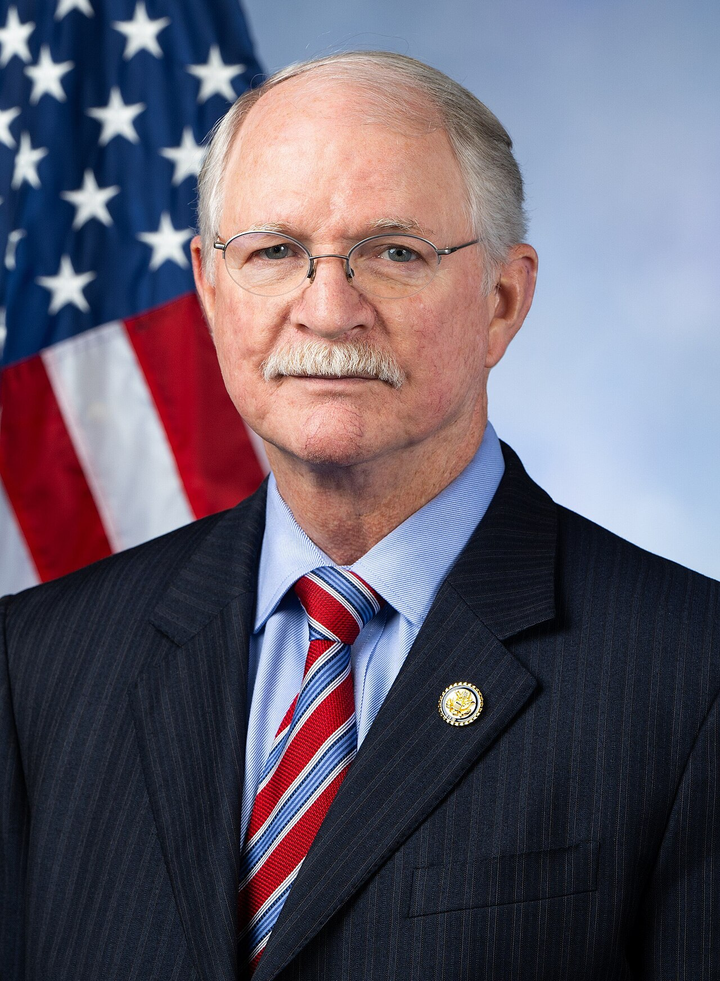
TrackJohn H. Rutherford
Co-Sponsor
-
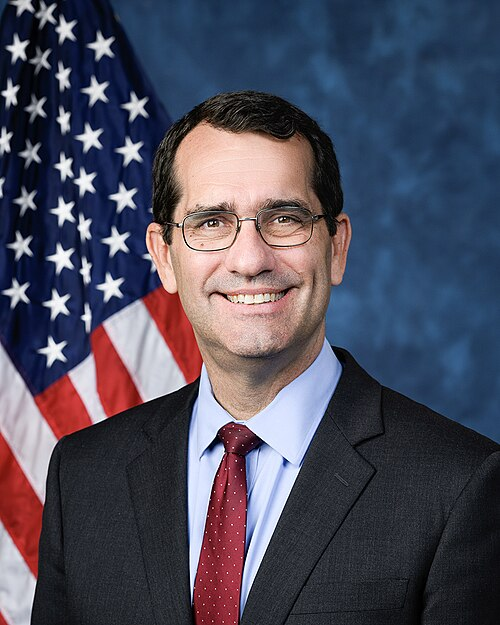
TrackDerek Schmidt
Co-Sponsor
-
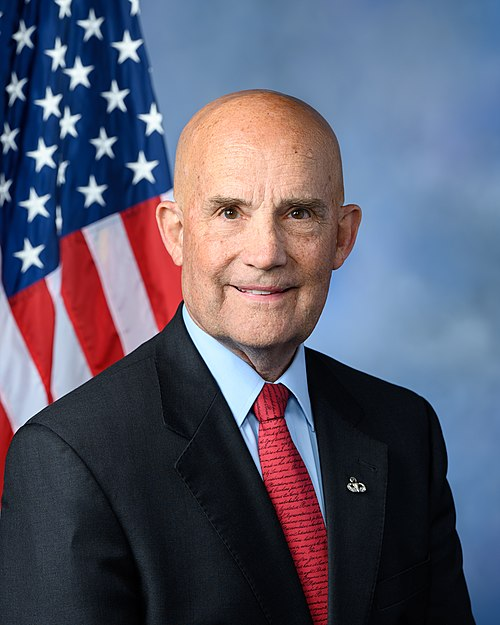
TrackKeith Self
Co-Sponsor
-
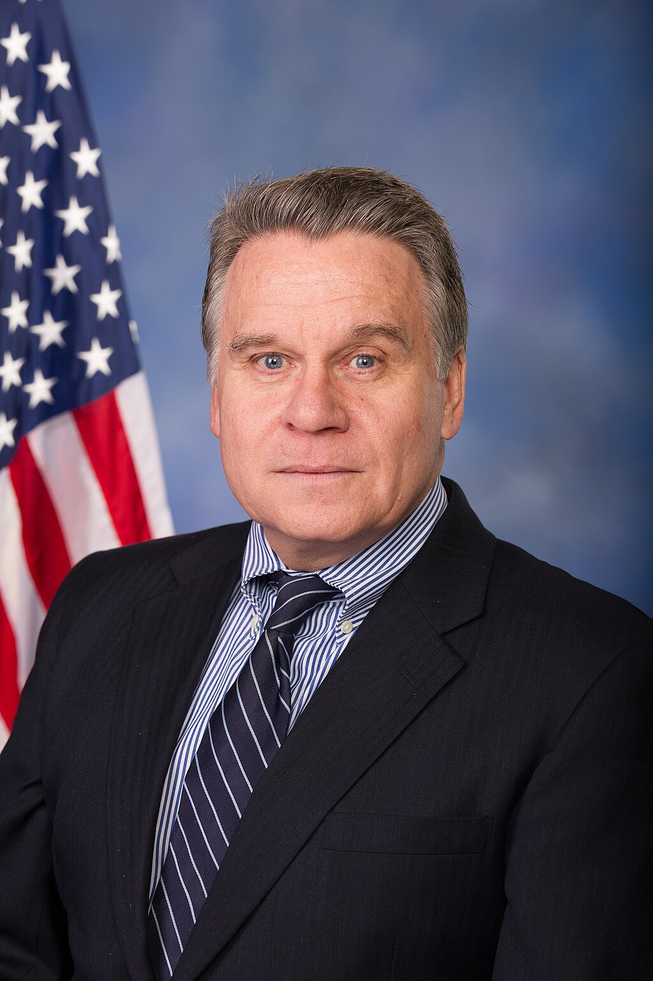
TrackChristopher H. Smith
Co-Sponsor
-
TrackLloyd Smucker
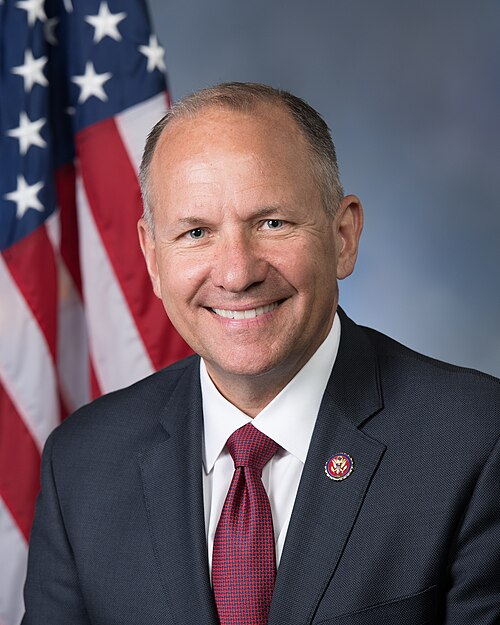
Co-Sponsor
-
TrackDale W. Strong
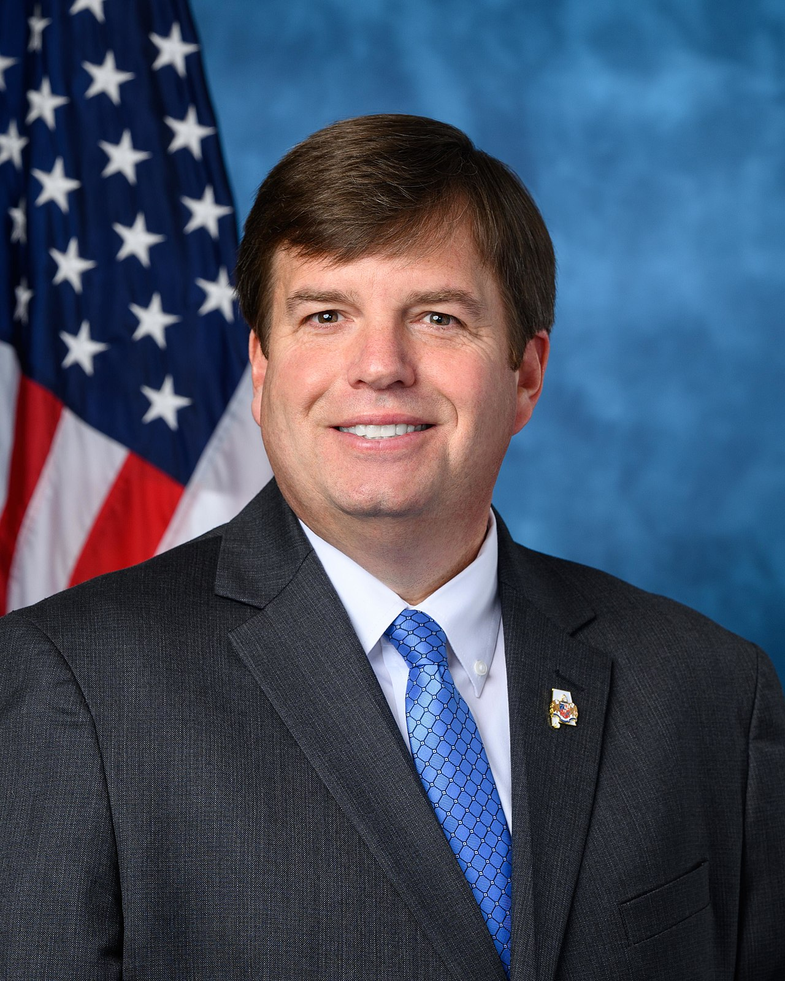
Co-Sponsor
-
TrackDavid Taylor
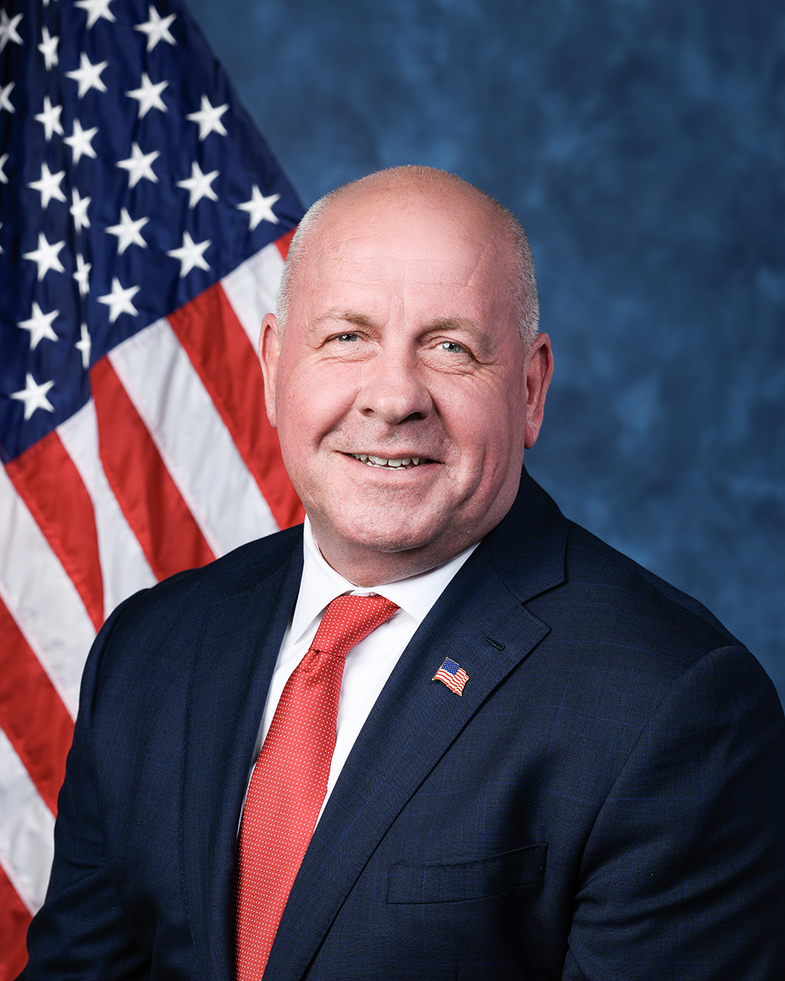
Co-Sponsor
-
TrackClaudia Tenney
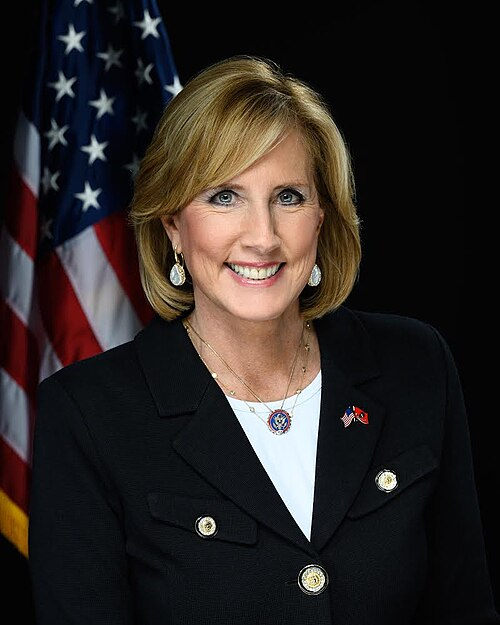
Co-Sponsor
-
TrackThomas P. Tiffany
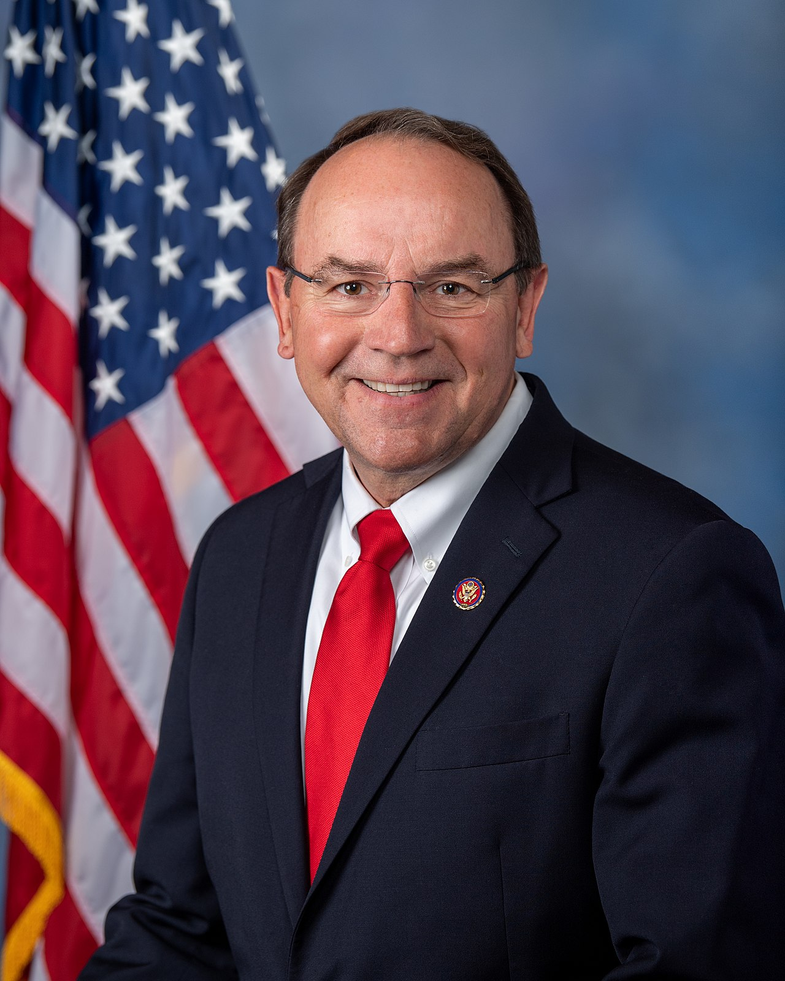
Co-Sponsor
-
TrackWilliam R. Timmons IV
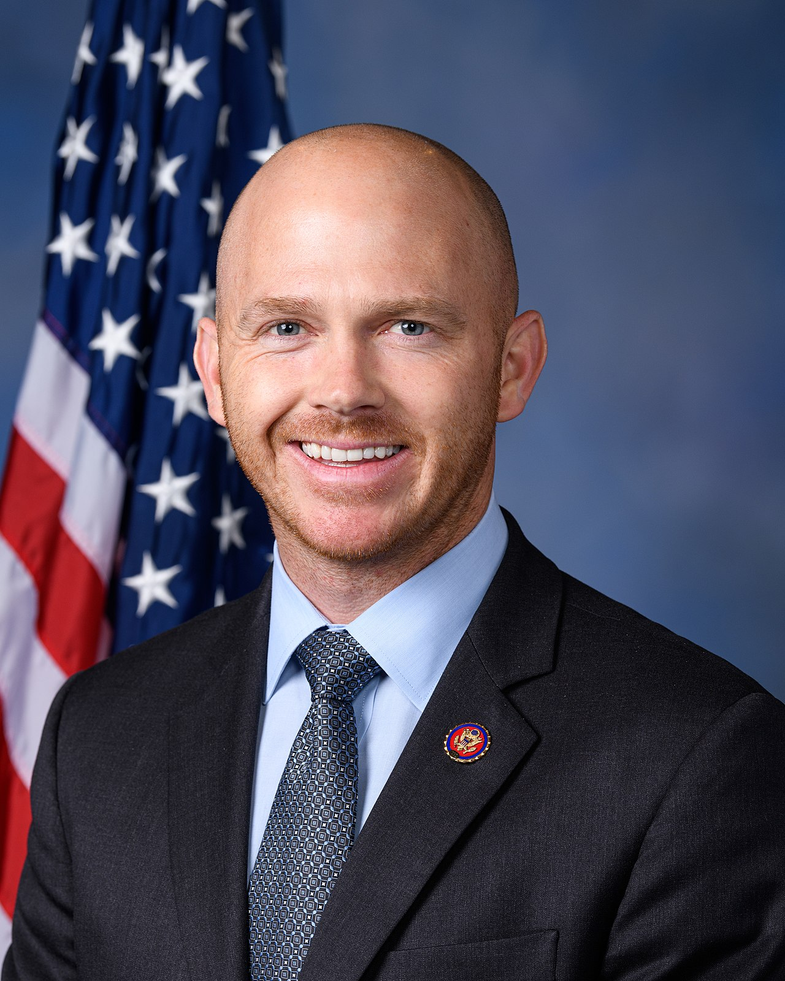
Co-Sponsor
-
TrackMatthew Van Epps

Co-Sponsor
-
TrackDerrick Van Orden
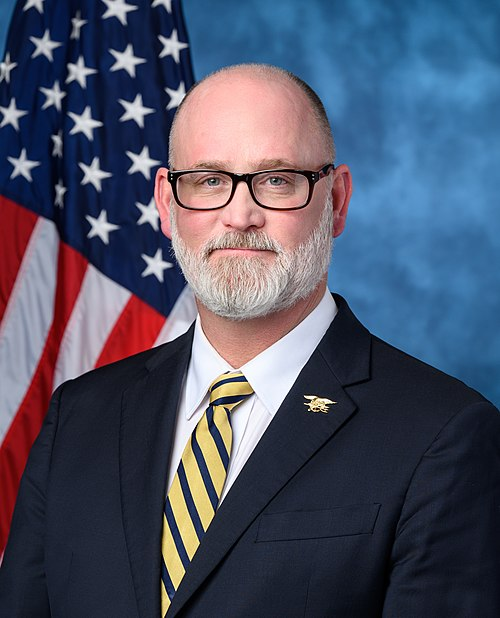
Co-Sponsor
-
TrackAnn Wagner
Co-Sponsor
-
TrackDaniel Webster
Co-Sponsor
-
TrackRudy Yakym III
Co-Sponsor
Actions
7 actions
| Date | Action |
|---|---|
| Jul. 20, 2026 | Rules Committee Resolution H. Res. 1438 Reported to House. Rule provides for consideration of H.R. 8800, H.R. 8884, H. Con. Res. 113, H.R. 7008, H.R. 6955 and H.R. 9770. The resolution provides for consideration of H.R. 8800 under a structured rule and for consideration of H.R. 8884, H. Con. Res. 113, H.R. 7008, H.R. 6955, and H.R. 9770 under a closed rule, with one hour of debate on each measure and one motion to recommit on H.R. 8800, H.R. 8884, H.R. 7008, H.R. 6955, and H.R. 9770. |
| Feb. 03, 2026 | Placed on the Union Calendar, Calendar No. 409. |
| Feb. 03, 2026 | Reported (Amended) by the Committee on House Administration. H. Rept. 119-479. |
| Jan. 14, 2026 | Committee Consideration and Mark-up Session Held |
| Jan. 14, 2026 | Ordered to be Reported (Amended) by the Yeas and Nays: 7 - 4. |
| Jan. 12, 2026 | Introduced in House |
| Jan. 12, 2026 | Referred to the House Committee on House Administration. |
Corporate Lobbying
0 companies lobbying
None found.
* Note that there can be significant delays in lobbying disclosures, and our data may be incomplete.
Potentially Relevant Congressional Stock Trades
No relevant congressional stock trades found.