H.R. 6994: Mental Health TALK SAFE Act of 2026
This bill, known as the Mental Health TALK SAFE Act of 2026, proposes several changes to the Controlled Substances Act concerning telehealth services, particularly in the area of mental health. Here’s a summary of its key provisions:
Telehealth Prescribing Enhancements
The bill seeks to make it easier for telehealth practitioners to prescribe controlled substances for mental health treatment. Specifically, it mandates that:
- A telehealth practitioner must conduct at least one telehealth evaluation of a patient before prescribing an approved mental health controlled substance.
- For prescriptions related to opioid use disorder, the practitioner must also complete at least one telehealth evaluation of the patient.
Definitions and Requirements
Several terms and requirements will be clarified under this bill:
- Approved mental health controlled substance refers to specific controlled substances used in treating mental health disorders, as approved by the FDA.
- A telehealth evaluation requires the health care provider and patient to communicate in real-time using interactive telecommunications systems.
- Telehealth entity must meet several criteria, including maintaining a minimum percentage of psychiatrists and ensuring no conflicts of interest with pharmacies.
Regulations Regarding Prescriptions
The legislation introduces minimum standards for pharmacists regarding the refusal to fill a prescription. It stipulates that:
- Pharmacists cannot refuse to fill prescriptions solely because they were issued following a telehealth evaluation.
- Before refusing a prescription, pharmacists must attempt to validate the prescription through communication with the patient and the prescriber.
Impact on Psychiatric Practitioners
Covered psychiatrists will have certain protections and provisions regarding their professional liability insurance when providing services across state lines. If a psychiatrist has insurance coverage in their primary state, they will be covered when providing services in a secondary state, provided the scope of practice is similar in both states.
State Law Preemption
The bill also states that its provisions will take precedence over any conflicting state laws. This means that if a state statute restricts telehealth practices allowed by this bill, the federal law would supersede that restriction.
Effective Date
The amendments proposed in this bill would take effect on the date of its enactment.
Relevant Companies
- AMZN (Amazon) - As a leader in telehealth services through Amazon Care, changes in telehealth regulations could affect its operations and service offerings.
- TDOC (Teladoc Health) - Being one of the largest telehealth providers, this bill may significantly impact how it offers mental health services and manages prescriptions.
- CMD (Comcast) - With their plans to enter the telehealth space, the regulations around telehealth prescribing may guide their service capabilities.
This is an AI-generated summary of the bill text. There may be mistakes.
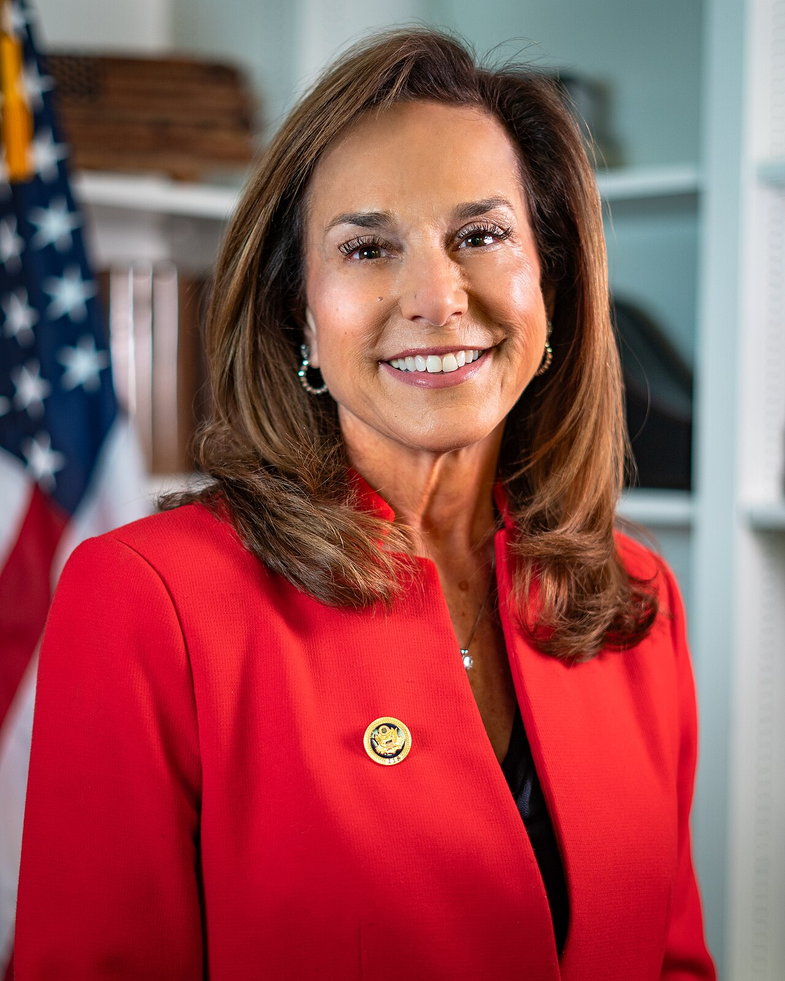
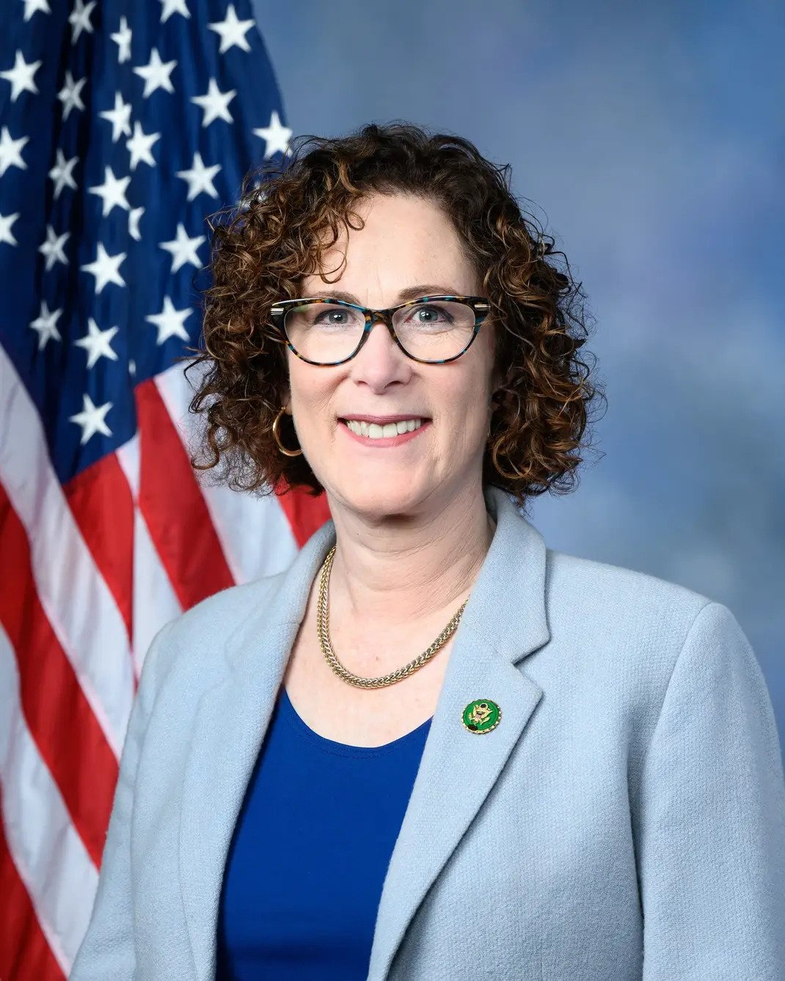
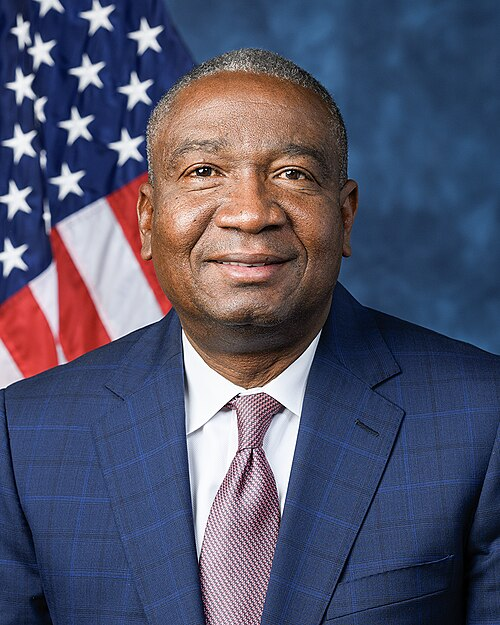
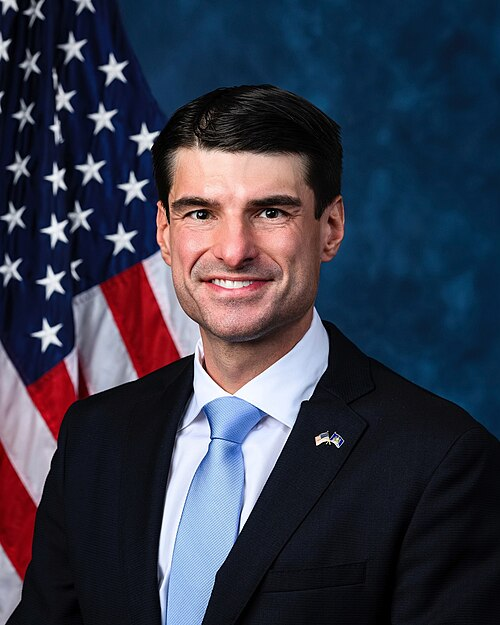
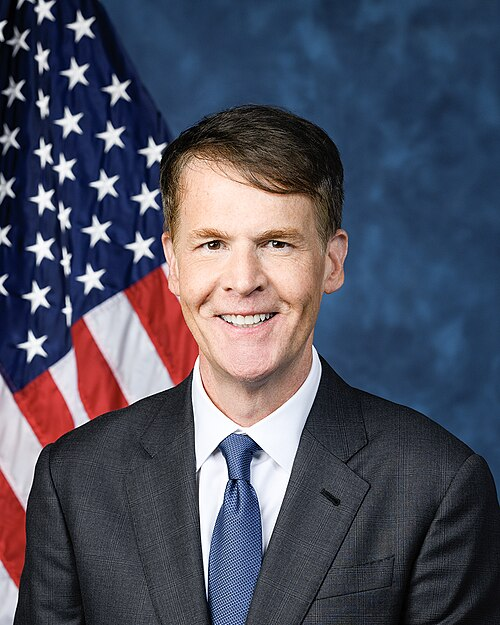
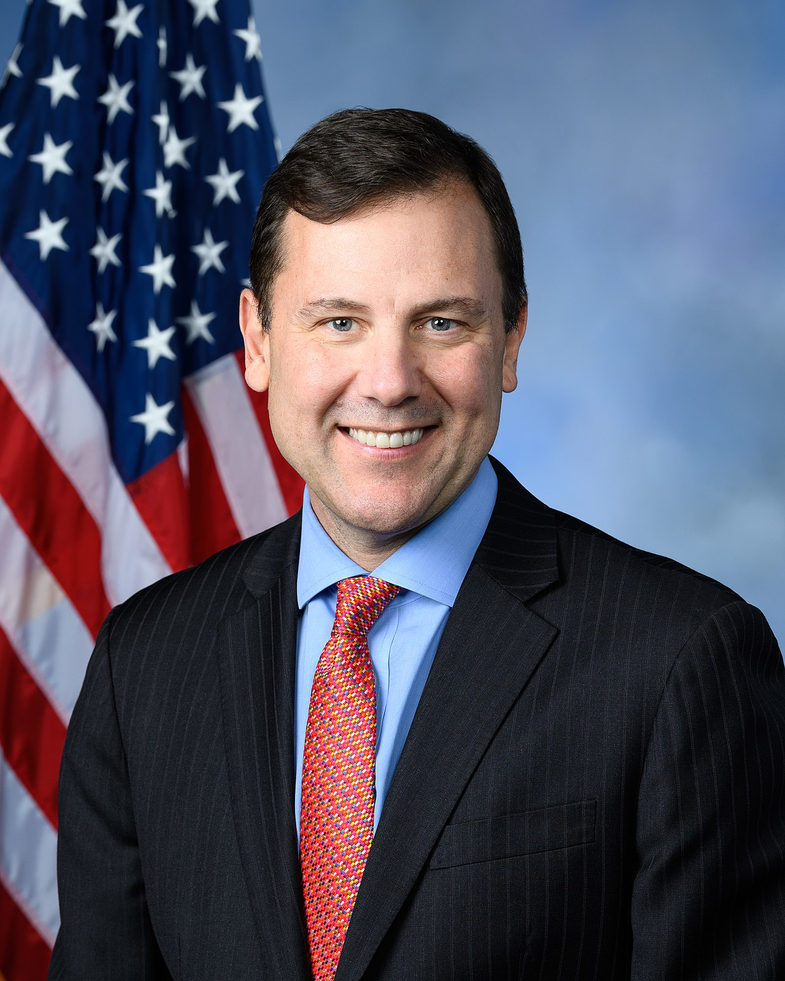
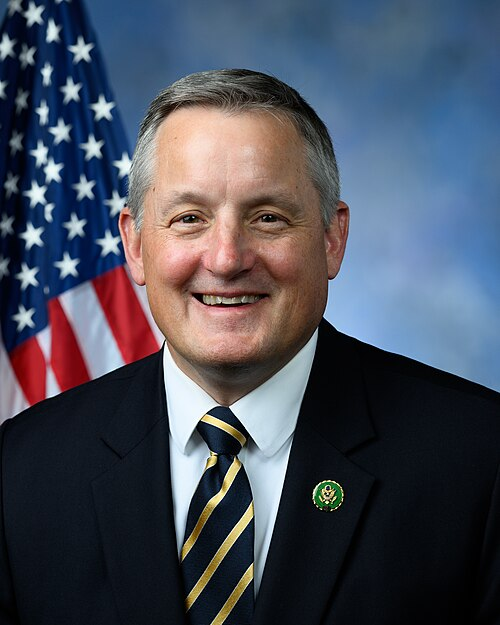
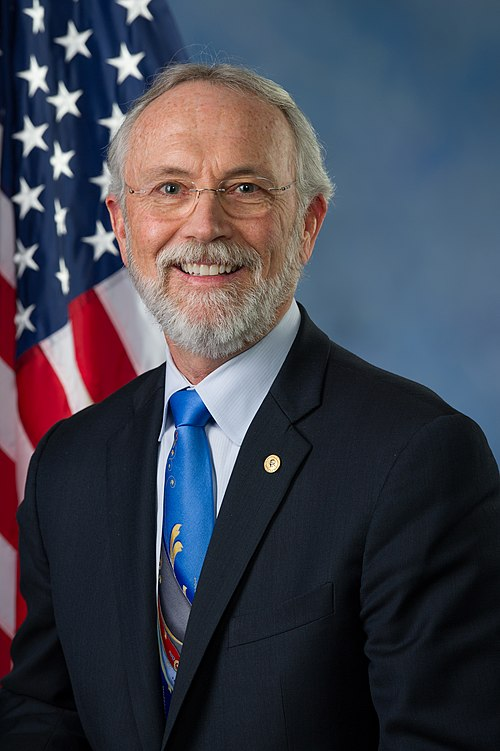
Sponsors
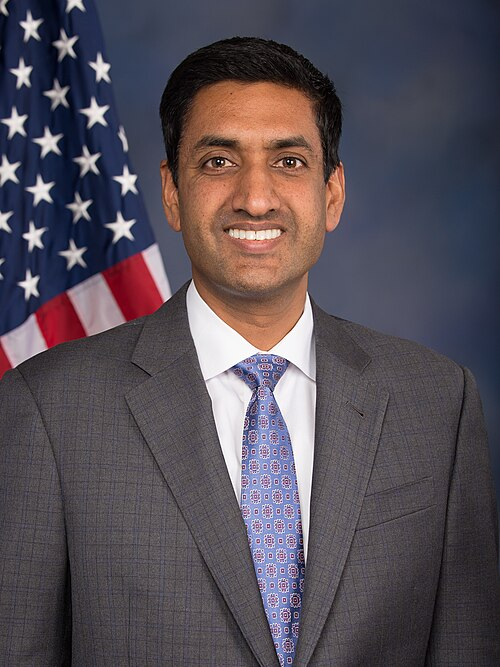
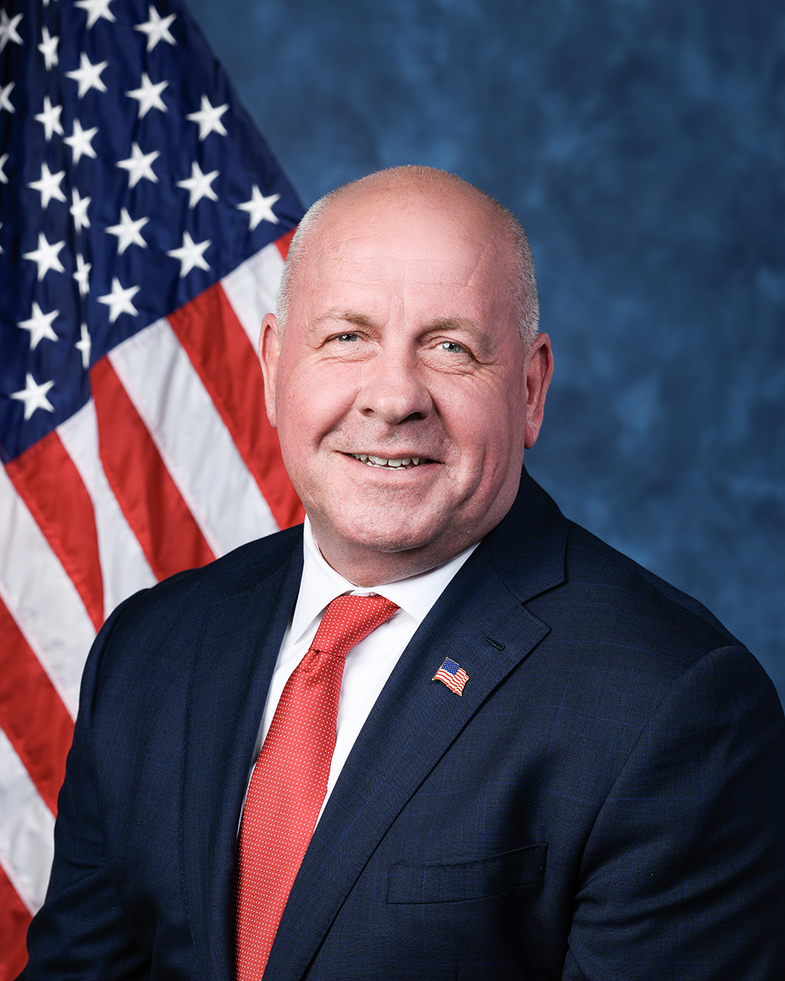
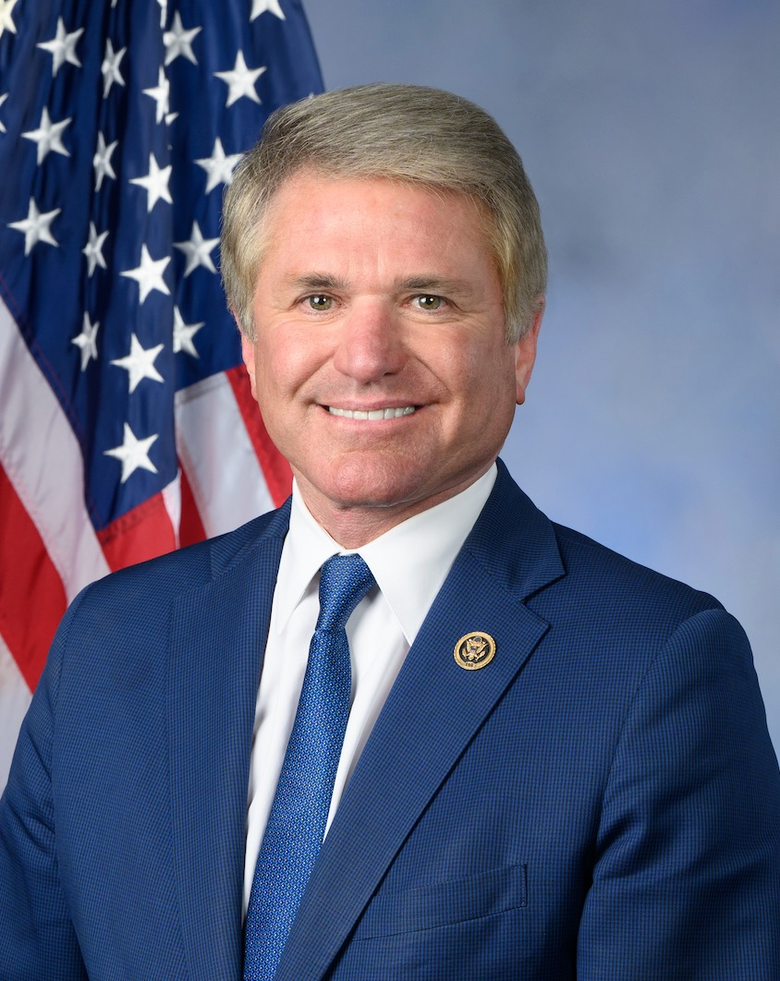
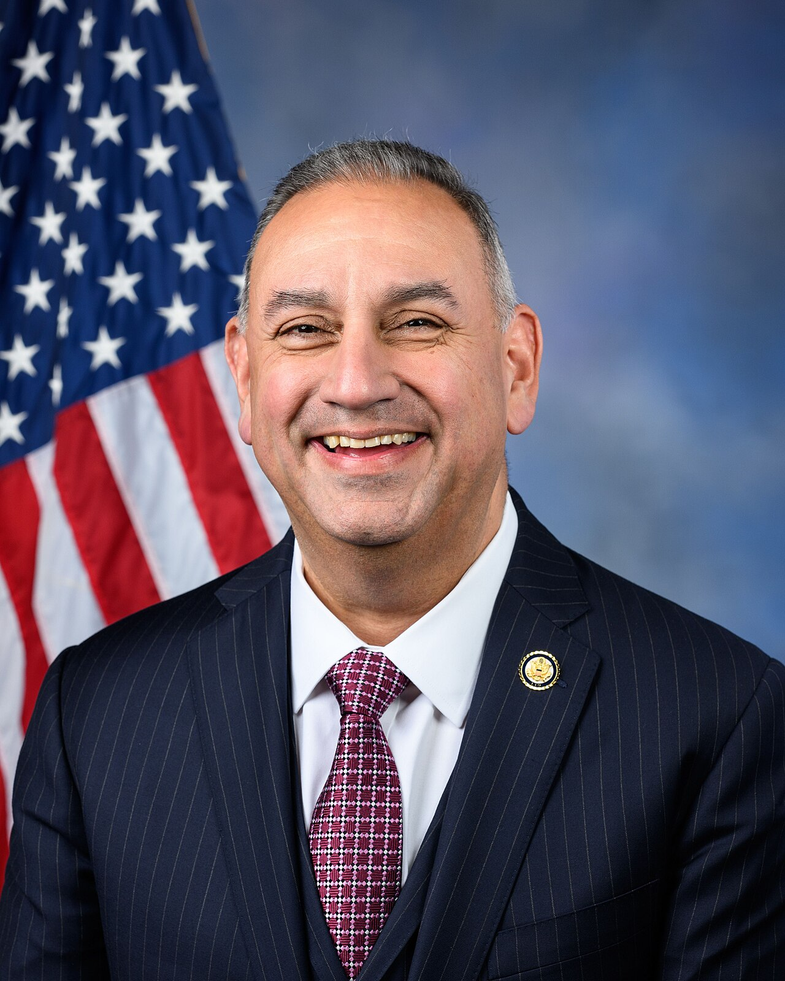
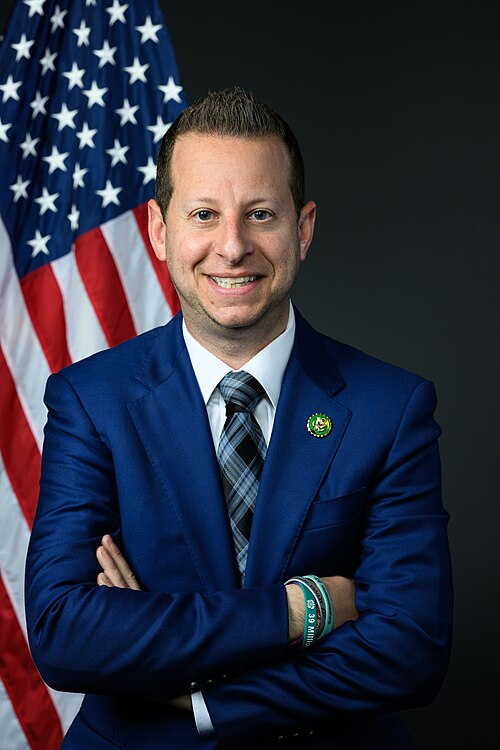
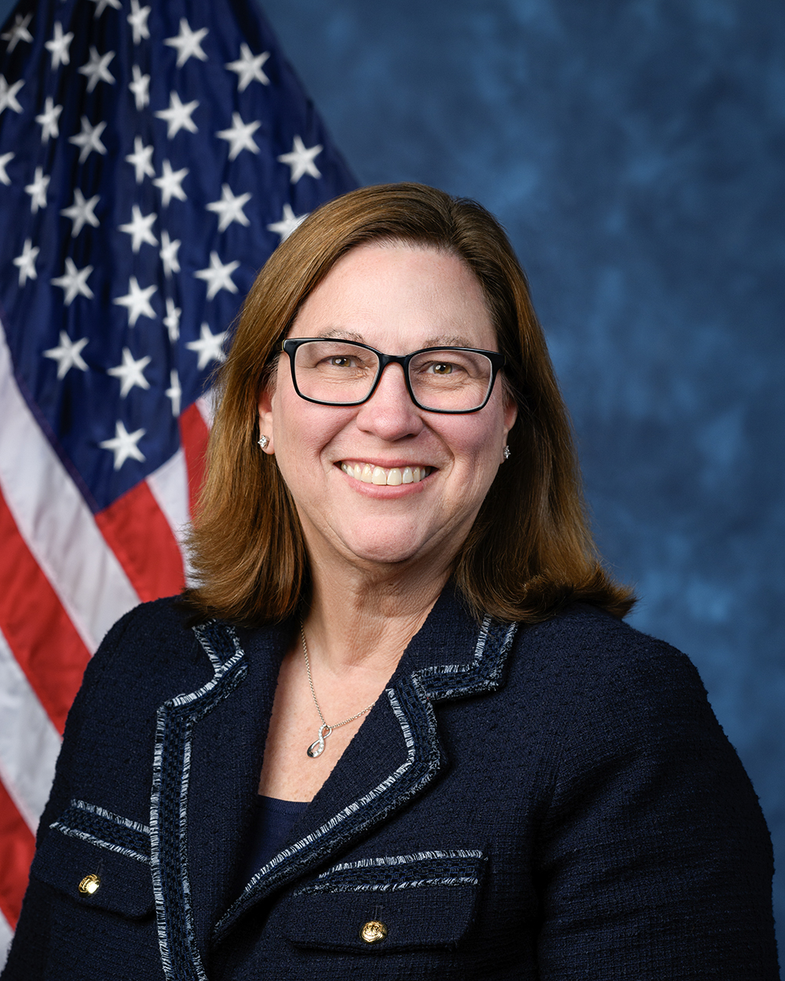
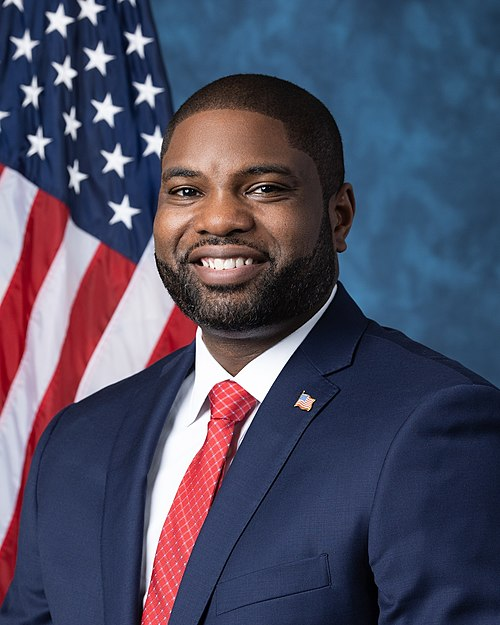
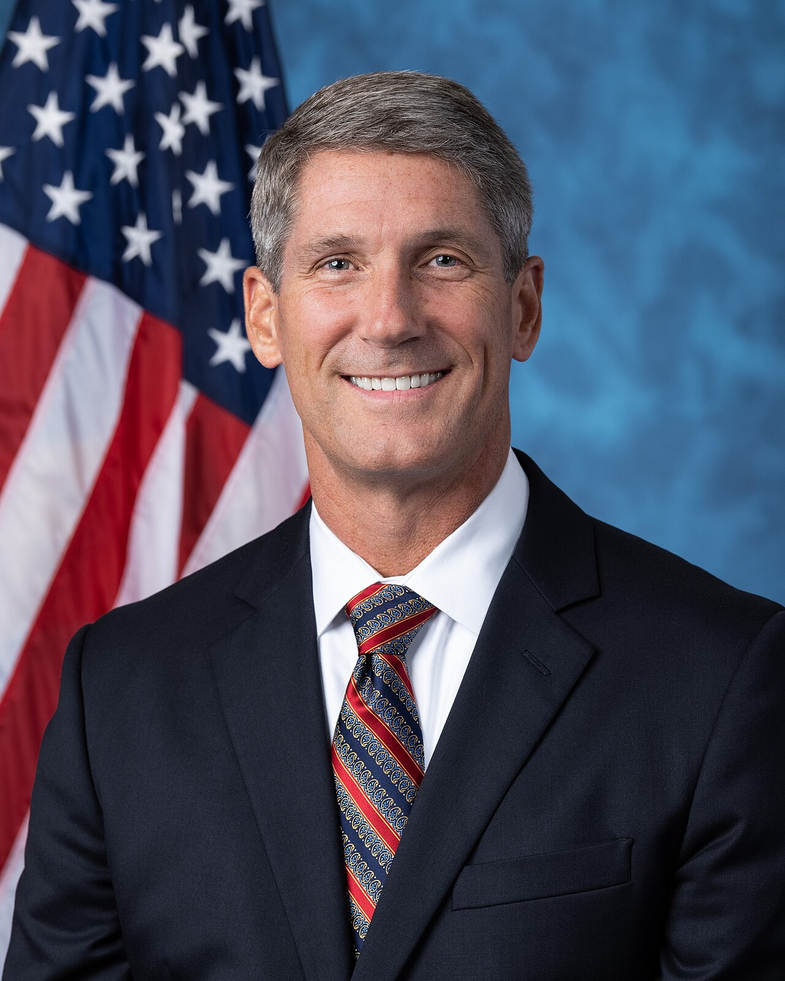
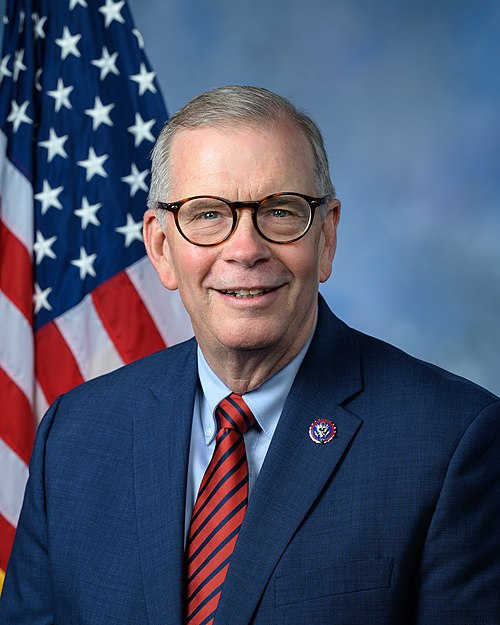
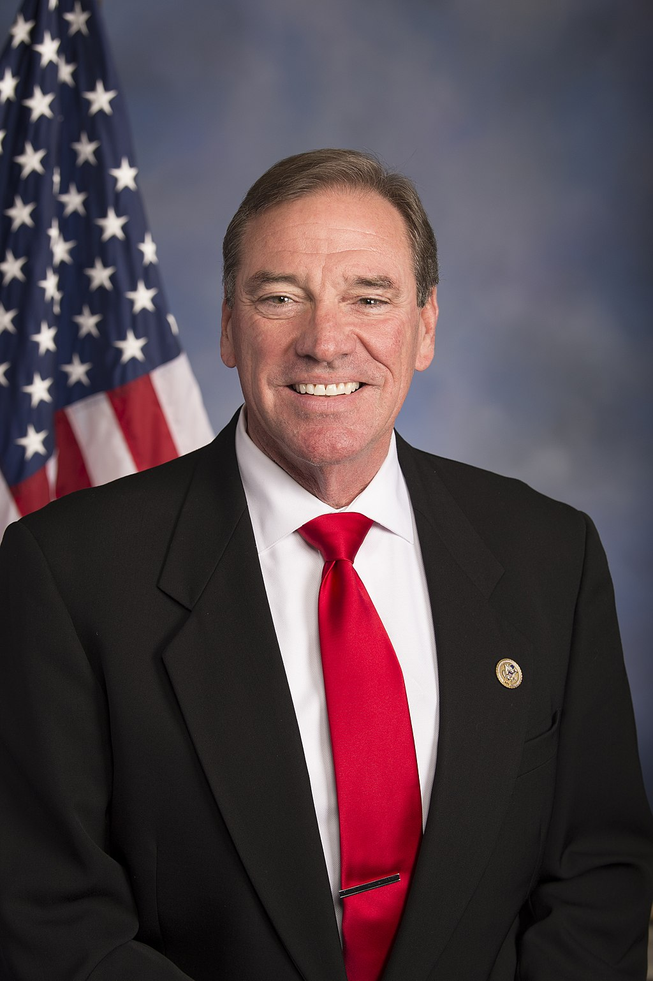
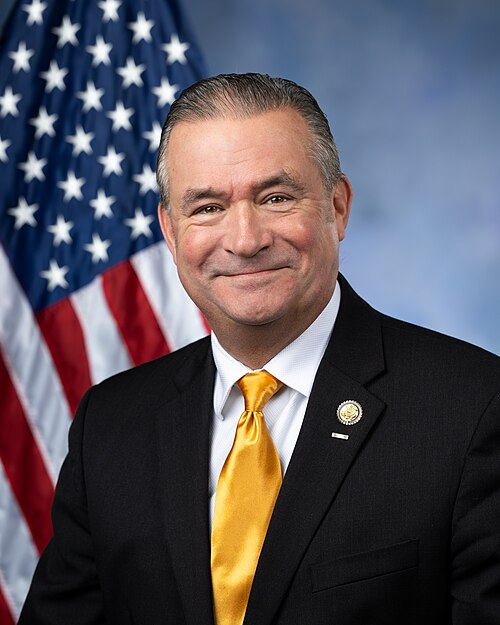
2 bill sponsors
Actions
2 actions
| Date | Action |
|---|---|
| Jan. 09, 2026 | Introduced in House |
| Jan. 09, 2026 | Referred to the Committee on Energy and Commerce, and in addition to the Committee on the Judiciary, for a period to be subsequently determined by the Speaker, in each case for consideration of such provisions as fall within the jurisdiction of the committee concerned. |
Corporate Lobbying
0 companies lobbying
None found.
* Note that there can be significant delays in lobbying disclosures, and our data may be incomplete.