H.R. 6982: Preventing Prosecutors from Protecting Predators Act of 2026
This bill, known as the "Preventing Prosecutors from Protecting Predators Act of 2026," proposes several changes to the way prosecutorial data is reported for jurisdictions receiving federal grants to combat violence against women. Below is a summary of the main points of the bill:
Annual Reporting Requirements
Under this bill, chief prosecuting officers in jurisdictions with a population of 100,000 or more that receive federal funds must provide the Attorney General with an annual report containing detailed statistics on cases related to certain specified offenses. These offenses include various forms of violence and sexual crimes, such as:
- Rape
- Sexual assault
- Domestic violence
- Child abuse
- Sex trafficking
- Production or distribution of child pornography
Required Data Elements
The reports must include information on:
- The total number of cases referred for prosecution.
- Cases declined for prosecution and the reasons for these decisions.
- Details about defendants, including prior offenses or current status related to probation or parole.
- Bail details, including types and amounts requested or imposed.
- Outcomes of cases, including convictions, acquittals, and dismissals.
- Details about plea agreements and sentencing recommendations.
Standardization of Reporting
The Attorney General is tasked with developing uniform standards for how this data should be reported and organized. Reports must be categorized by offense type and include distinct sections for different prosecutor activities related to each offense.
Public Disclosure
The Attorney General must compile and publish this information on a publicly accessible website and share it with both the House and Senate judiciary committees.
Compliance and Penalties
In terms of compliance, the bill includes specific penalties for noncompliance. For example:
- If the required report is not submitted, the Attorney General can withhold a portion of federal funds from that office in the following fiscal year.
- If an office declines to prosecute more than half of the cases referred to it for a covered offense, it must submit a corrective action plan and may face conditions on future funding or grant eligibility.
Definitions
Key definitions are also included, such as what constitutes a "covered offense" and what is meant by "covered office." Covered offices primarily include state or local prosecutorial agencies.
Implementation Timeline
The requirements would take effect in the fiscal year following the bill's enactment, initiating compliance and reporting protocols for the involved jurisdictions.
Relevant Companies
None found
This is an AI-generated summary of the bill text. There may be mistakes.
Sponsors
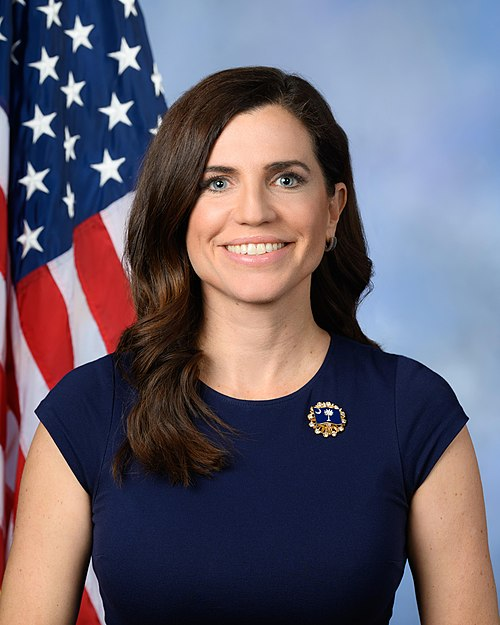
2 bill sponsors

Actions
2 actions
| Date | Action |
|---|---|
| Jan. 08, 2026 | Introduced in House |
| Jan. 08, 2026 | Referred to the House Committee on the Judiciary. |
Corporate Lobbying
0 companies lobbying
None found.
* Note that there can be significant delays in lobbying disclosures, and our data may be incomplete.
Potentially Relevant Congressional Stock Trades
No relevant congressional stock trades found.