H.R. 6955: Main Street Capital Access Act
This bill would change how federal bank regulators supervise banks and how some bank-related transactions are reviewed. Its main goal is to make the banking system easier for new banks and smaller banks to operate in, while also adding new rules for transparency, appeals, and reporting by regulators.
Bank formation and support for smaller institutions
The bill is intended to make it faster and easier to form new banks. It also increases support for community development financial institutions (CDFIs), which are lenders that focus on serving low-income and underserved communities. In addition, it raises the size threshold for what counts as a “small bank holding company,” which would allow more bank holding companies to qualify for lighter regulation.
The bill would also adjust certain regulatory thresholds over time, so that some rules automatically update instead of staying fixed indefinitely.
Changes to bank supervision and exams
The bill would require bank exam ratings to be clearer and more objective. It would keep the CAMELS system in place, but require that anti-money laundering compliance be included in the review process. CAMELS is the system regulators use to rate a bank’s capital, assets, management, earnings, liquidity, and sensitivity to risk.
It would set deadlines for exams and for regulators to provide reports, and it would create a faster process for written guidance from regulators. The bill would also set up an independent review board and an appeals process for supervisory decisions, so banks could challenge certain regulatory determinations. Employees or banks that use these processes would be protected from retaliation.
The bill would also bar regulators from using “reputational risk” as a basis for supervision if the bank is otherwise operating safely and soundly. It would require regulators to add disclaimers to guidance and to review the economic impact of certain regulations.
Enforcement and hearing procedures
The bill would require faster and more flexible hearings for civil money penalties and other enforcement actions. This would change how disputes over penalties are handled and could speed up the process for banks and regulators alike.
Rules for small and well-managed banks
Smaller banks and credit unions that are well managed would receive some reduced supervisory burden. The bill would allow alternating examinations and combined examinations in some cases, which could reduce how often separate regulators examine the same institution.
Liquidity and discount window review
The bill would require the Federal Reserve to review how its discount window operates and how well it provides liquidity to banks. The discount window is the Fed’s lending facility for banks that need short-term funds. After the review, the Fed would need to create a remediation plan if problems are found and report to Congress on the findings.
Deposits and mergers
The bill would raise limits on reciprocal deposits, which are deposits that banks place with each other in order to provide customers with access to higher deposit insurance coverage. It would also require a study of reciprocal deposits.
For bank mergers, the bill would streamline approval for smaller-bank mergers. In certain cases, mergers involving institutions under $10 billion in assets would be exempt from antitrust review, which could make some smaller deals easier and faster to complete.
Fintech partnerships, merchant banking, and failed bank rules
The bill would require federal studies and reports on bank-fintech partnerships and merchant banking activities. It would extend the holding period for merchant banking investments to 15 years, which affects how long banks or affiliated firms can hold certain ownership stakes in nonfinancial companies.
It would also narrow the circumstances in which a failing bank can be acquired despite concentration limits. Under the bill, exceptions to those limits would be tied more tightly to financial stability emergencies.
Federal Reserve surplus fund
The bill would reduce the Federal Reserve’s surplus fund by $425 million starting in 2036. This would affect the Fed’s retained surplus balance rather than direct taxpayer funding.
Relevant Companies
- JPM — JPMorgan Chase could be affected by changes to bank merger review, supervision standards, and merchant banking rules.
- BAC — Bank of America could be affected by changes to supervision, regulatory thresholds, and discount window/liquidity rules.
- WFC — Wells Fargo could be affected by changes to exam procedures, supervision, and regulatory appeal processes.
- C — Citigroup could be affected by changes to bank oversight, merchant banking rules, and liquidity-related review requirements.
- PNC — PNC Financial Services could be affected by changes to community bank regulation, merger approvals, and supervisory exam practices.
- TFC — Truist Financial could be affected by changes to small bank holding company thresholds, exams, and merger-related procedures.
- USB — U.S. Bancorp could be affected by changes to supervision, liquidity access, and merger/approval rules.
This is an AI-generated summary of the bill text. There may be mistakes.
Sponsors
34 bill sponsors
-
TrackJ. French Hill
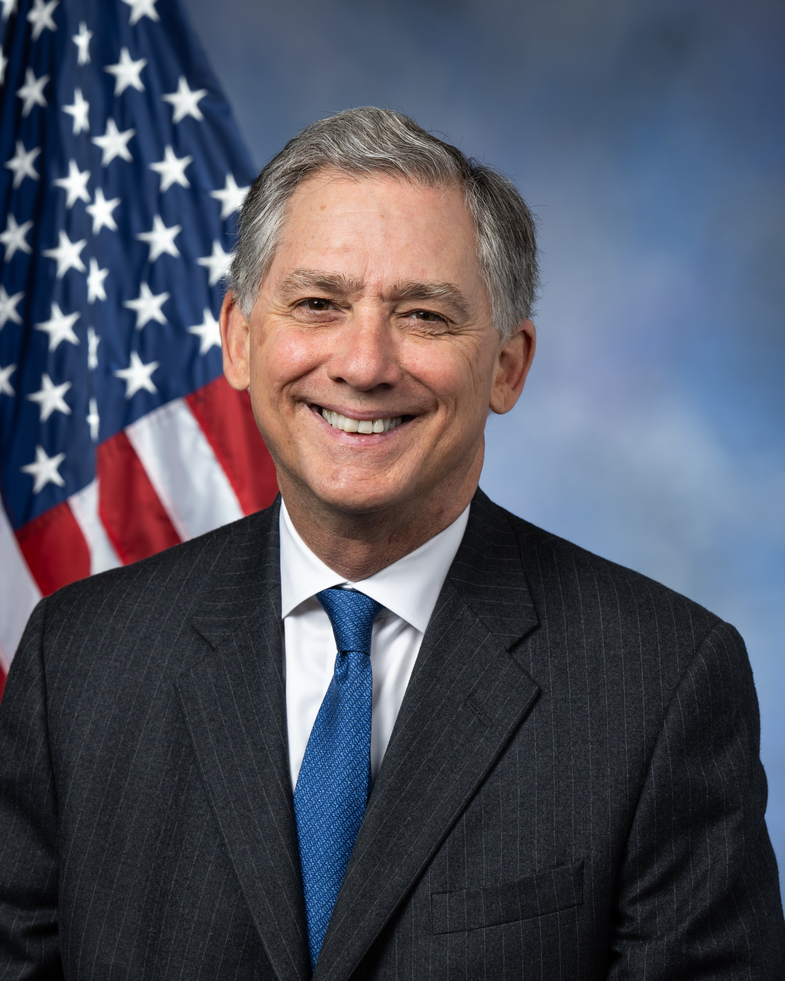
Sponsor
-
TrackAndy Barr
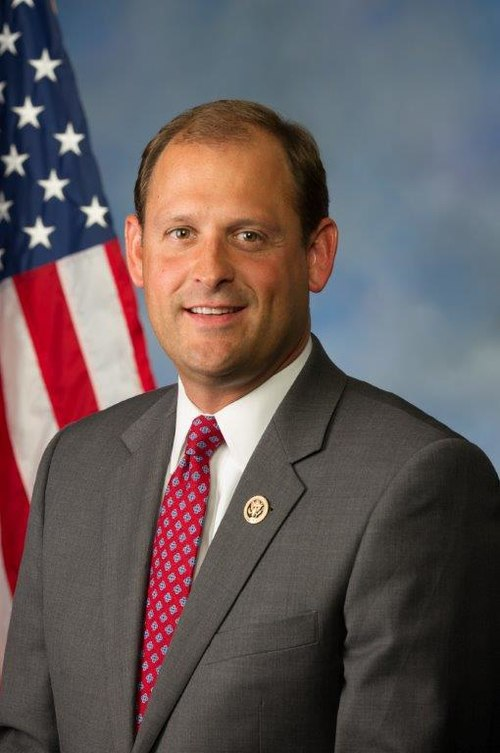
Co-Sponsor
-
TrackKen Calvert
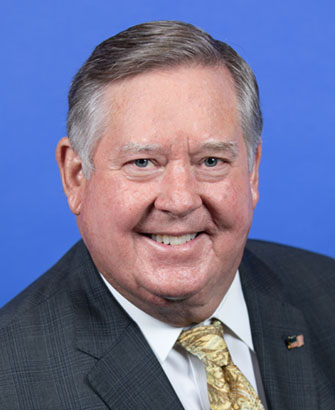
Co-Sponsor
-
TrackWarren Davidson
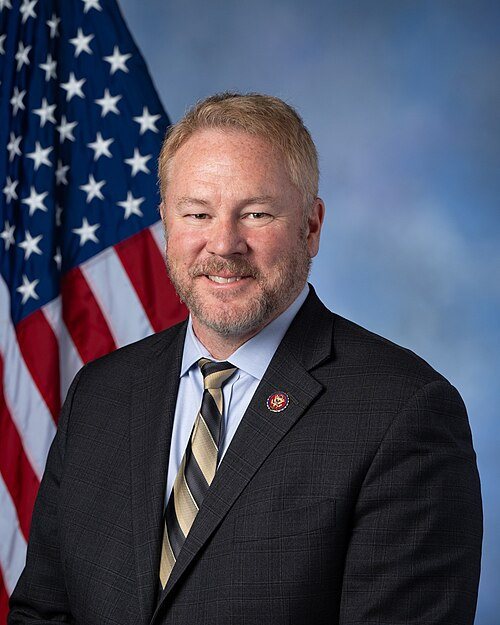
Co-Sponsor
-
TrackMonica De La Cruz
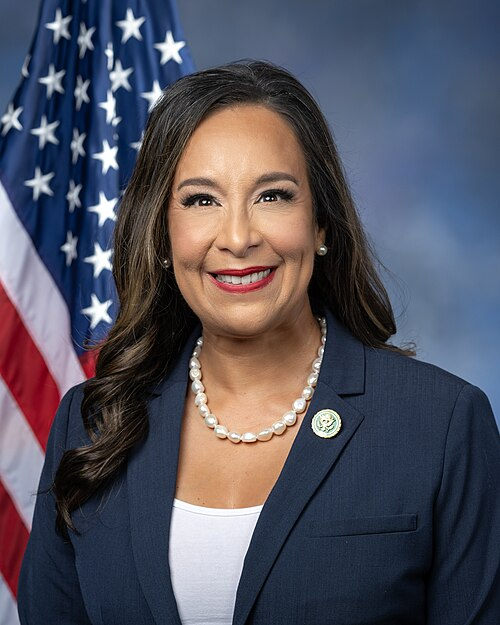
Co-Sponsor
-
TrackByron Donalds
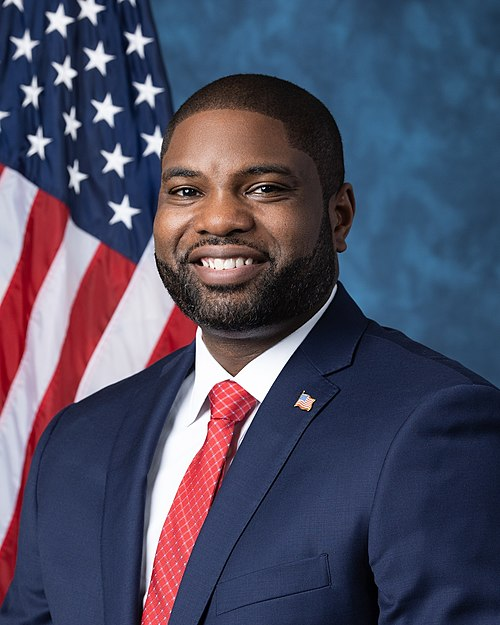
Co-Sponsor
-
TrackTroy Downing
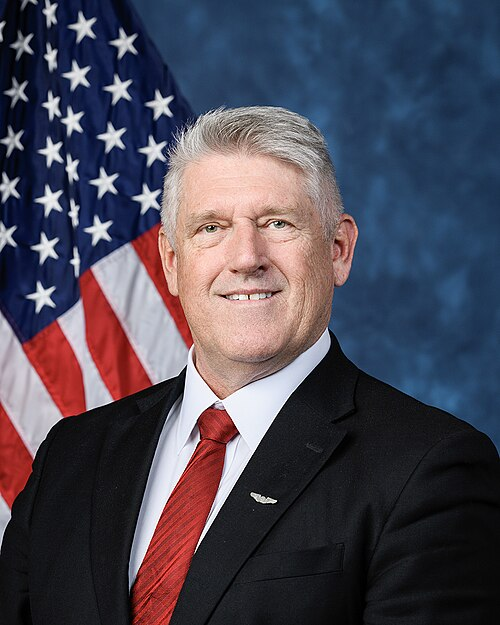
Co-Sponsor
-
TrackTom Emmer
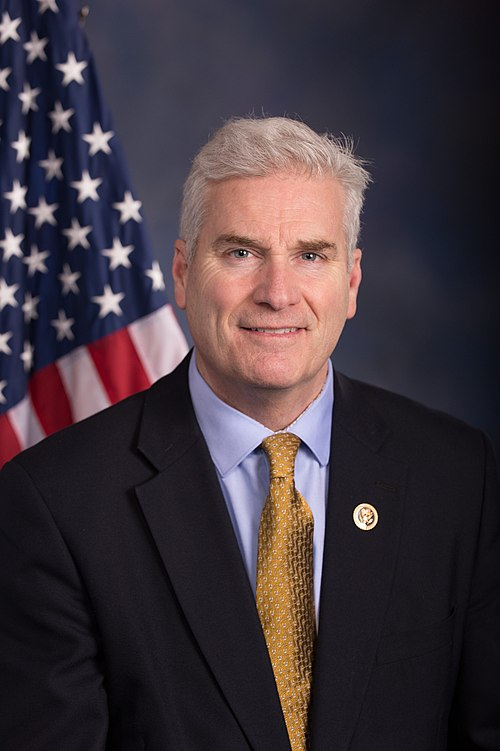
Co-Sponsor
-
TrackJulie Fedorchak
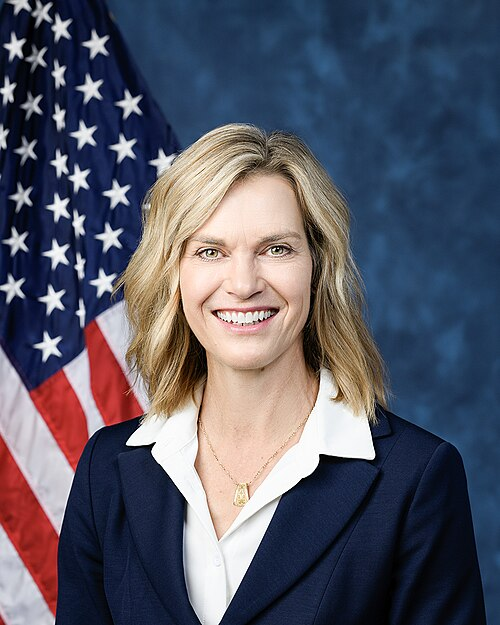
Co-Sponsor
-
TrackScott Fitzgerald
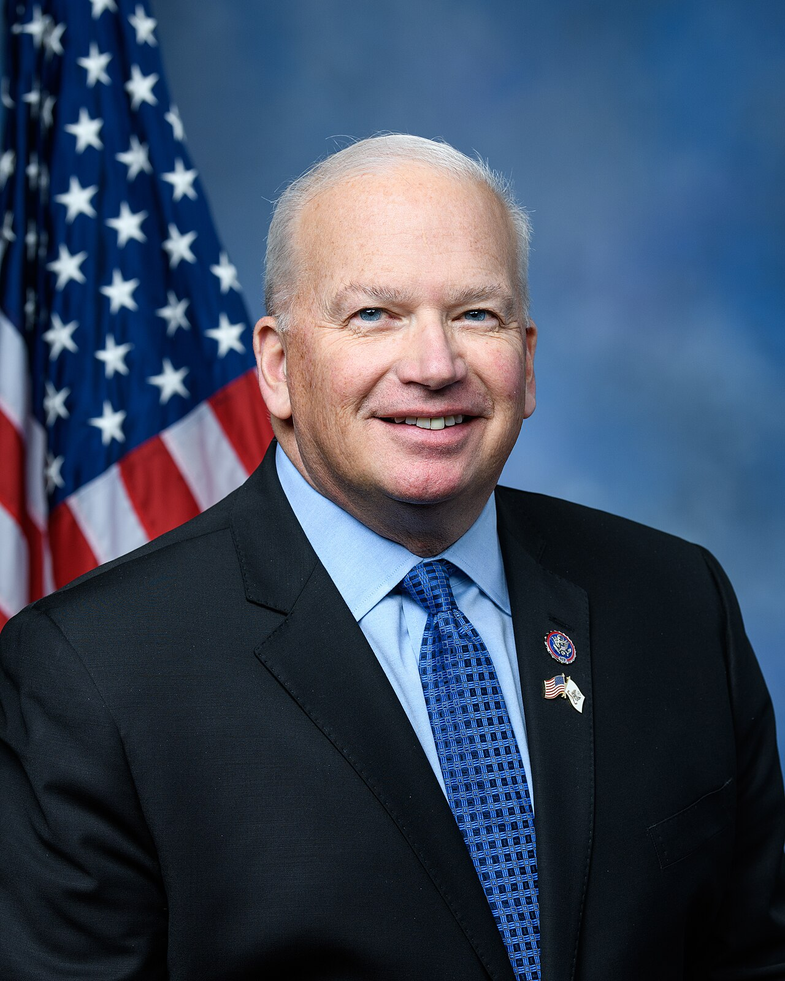
Co-Sponsor
-
TrackMike Flood
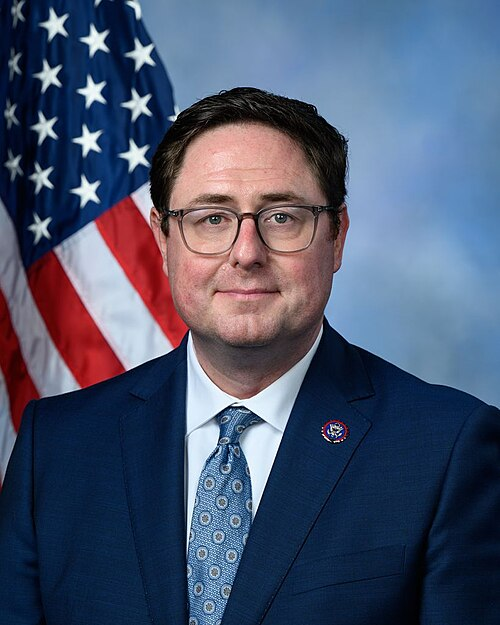
Co-Sponsor
-
TrackAndrew R. Garbarino
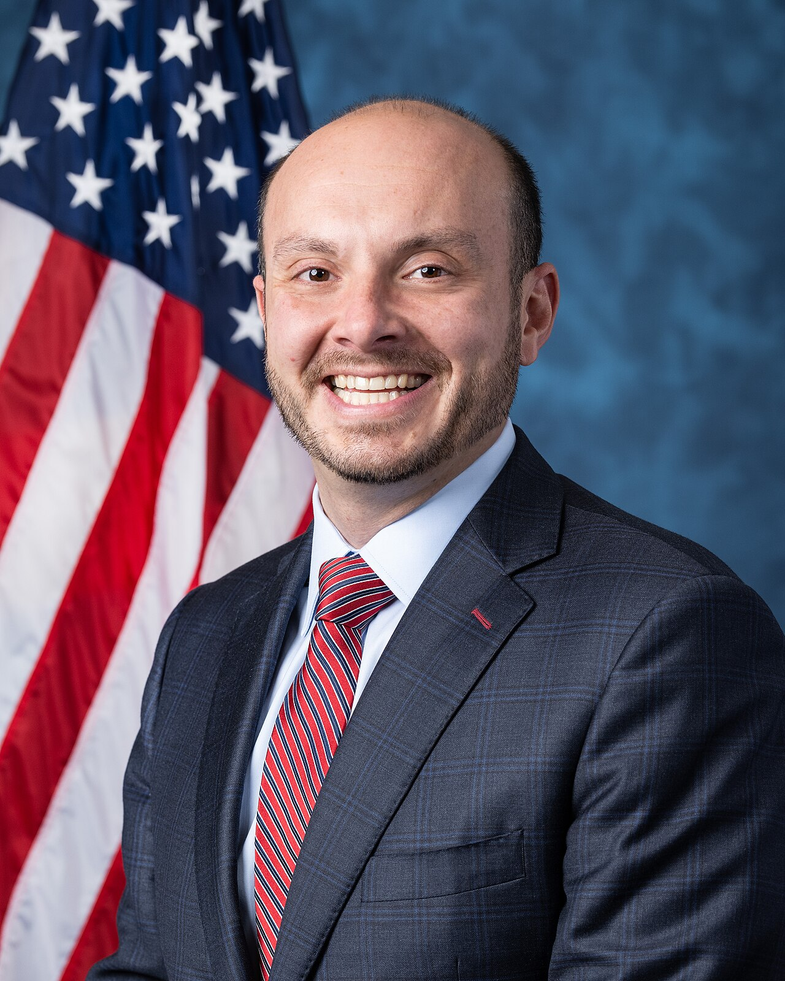
Co-Sponsor
-
TrackMike Haridopolos
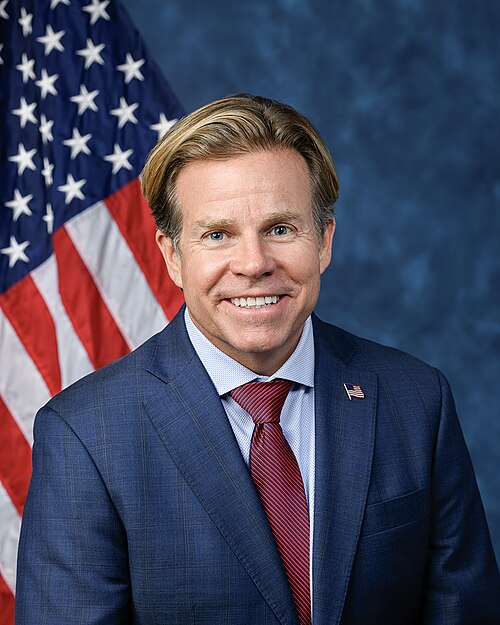
Co-Sponsor
-
TrackBill Huizenga
Co-Sponsor
-
TrackMike Kennedy
Co-Sponsor
-
TrackYoung Kim
Co-Sponsor
-
TrackBrad Knott
Co-Sponsor
-
TrackMichael Lawler
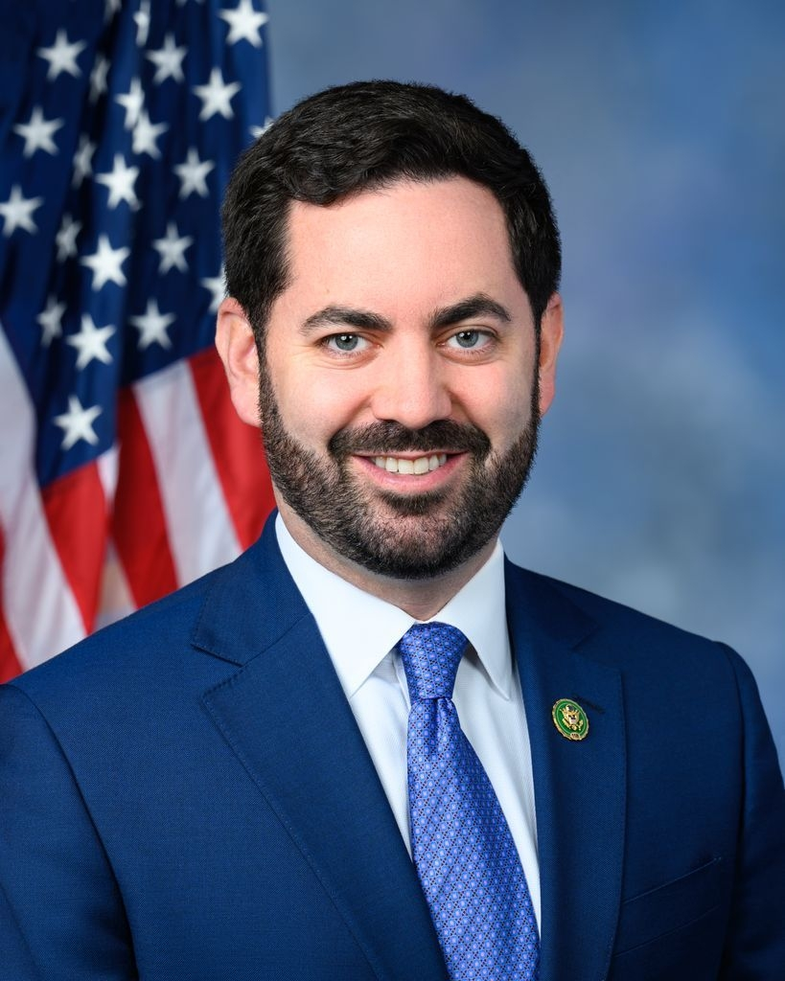
Co-Sponsor
-
TrackBarry Loudermilk
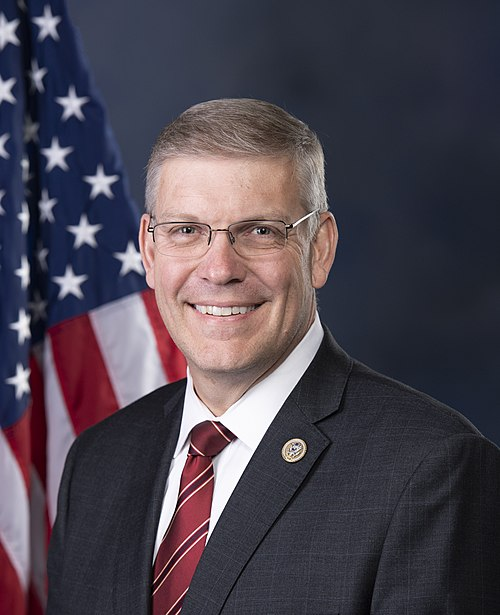
Co-Sponsor
-
TrackFrank D. Lucas
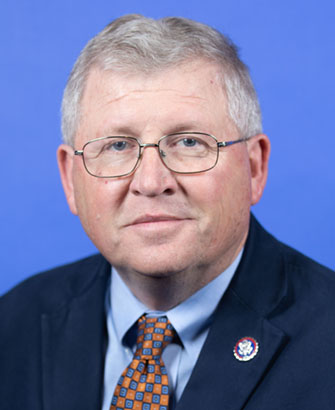
Co-Sponsor
-
TrackLisa C. McClain
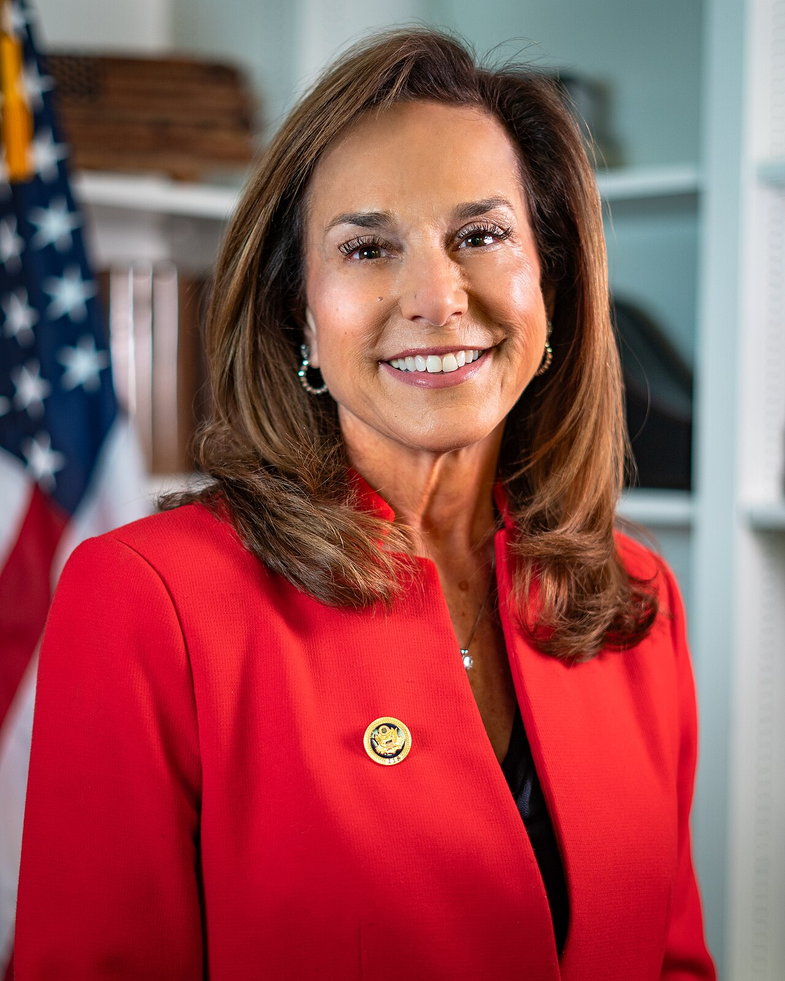
Co-Sponsor
-
TrackDaniel Meuser
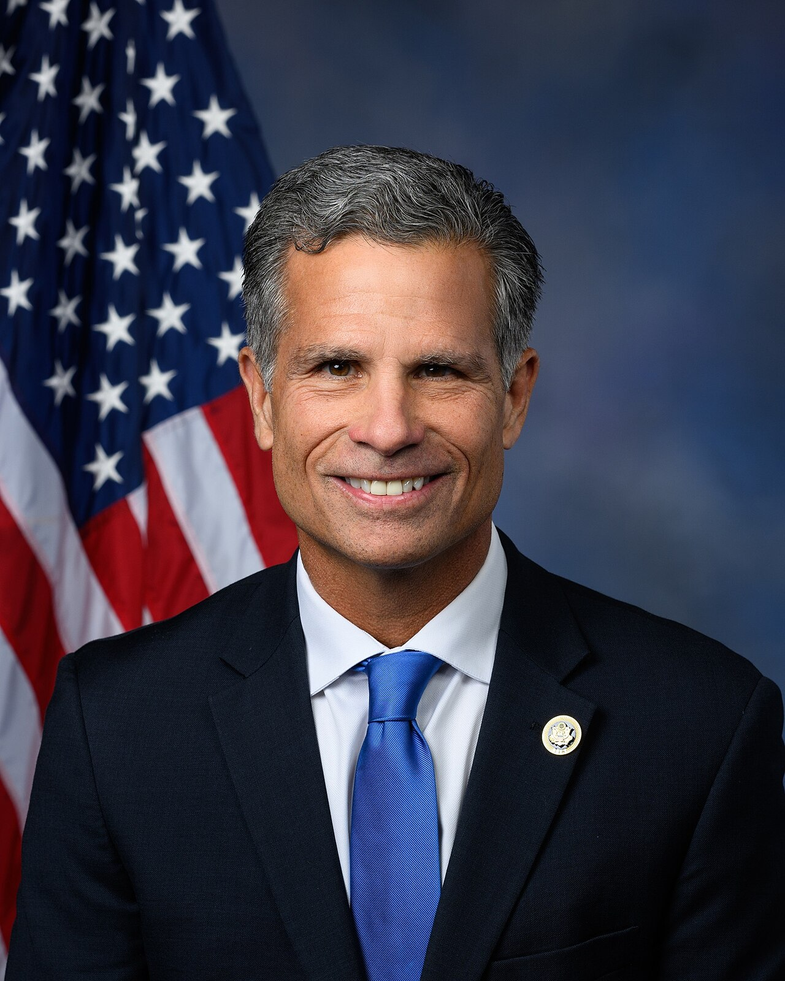
Co-Sponsor
-
TrackTim Moore
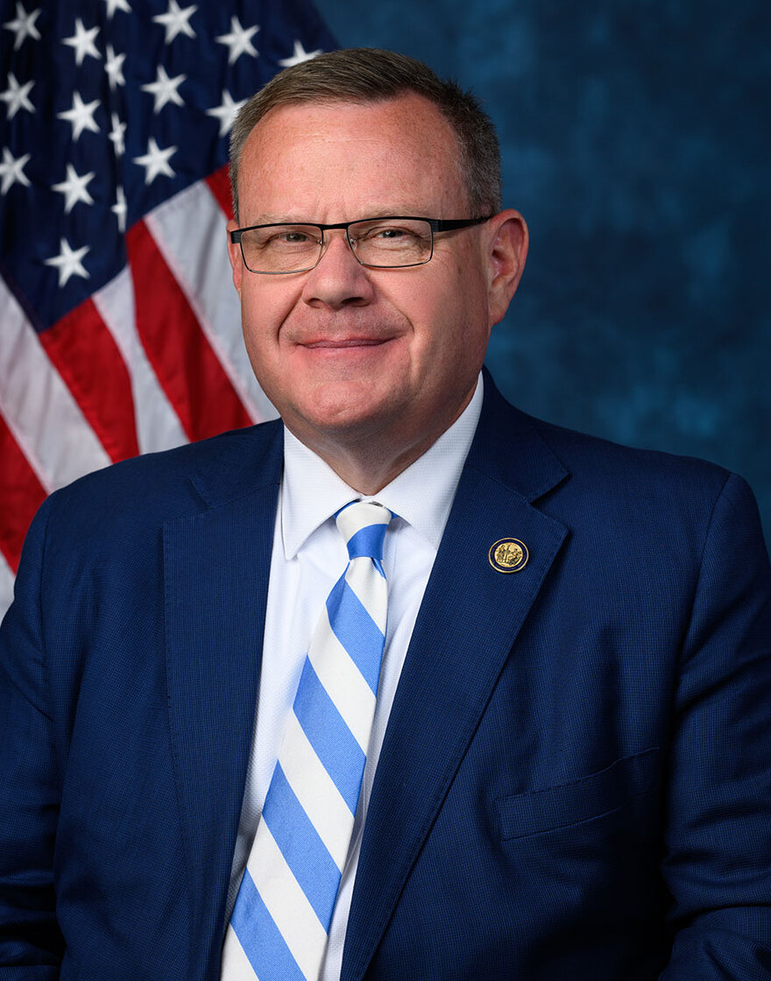
Co-Sponsor
-
TrackRalph Norman
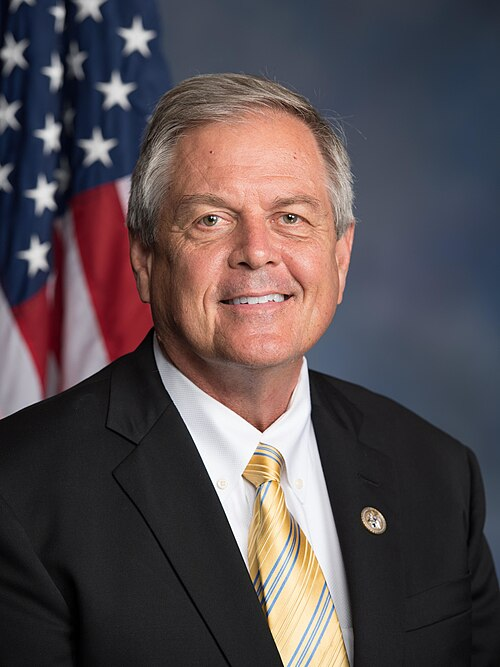
Co-Sponsor
-
TrackZachary Nunn
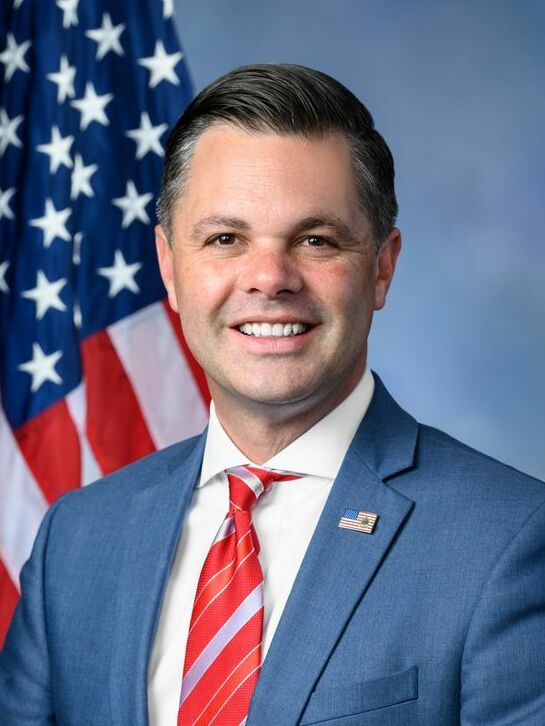
Co-Sponsor
-
TrackAndrew Ogles
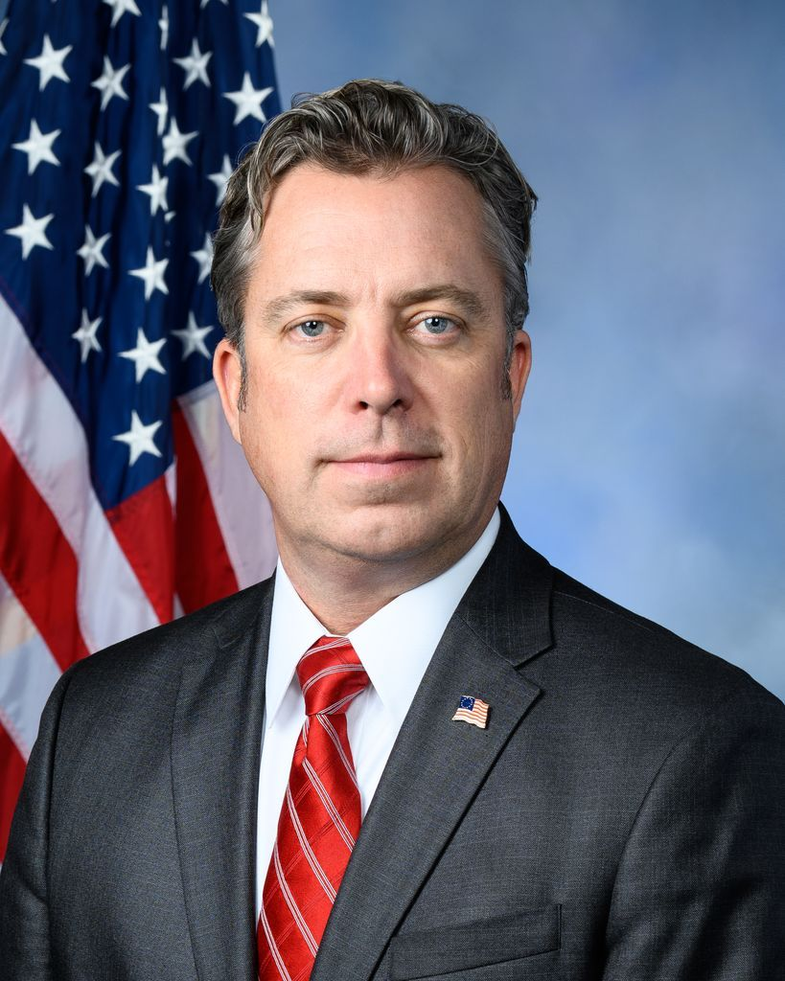
Co-Sponsor
-
TrackJohn W. Rose
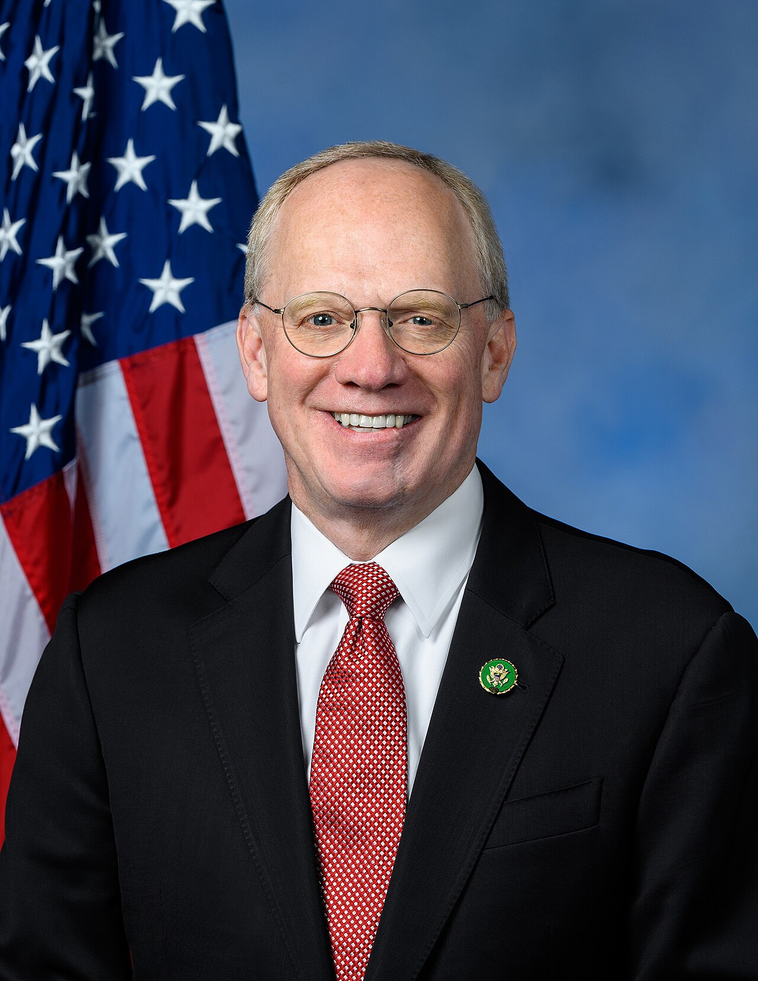
Co-Sponsor
-
TrackMaria Elvira Salazar
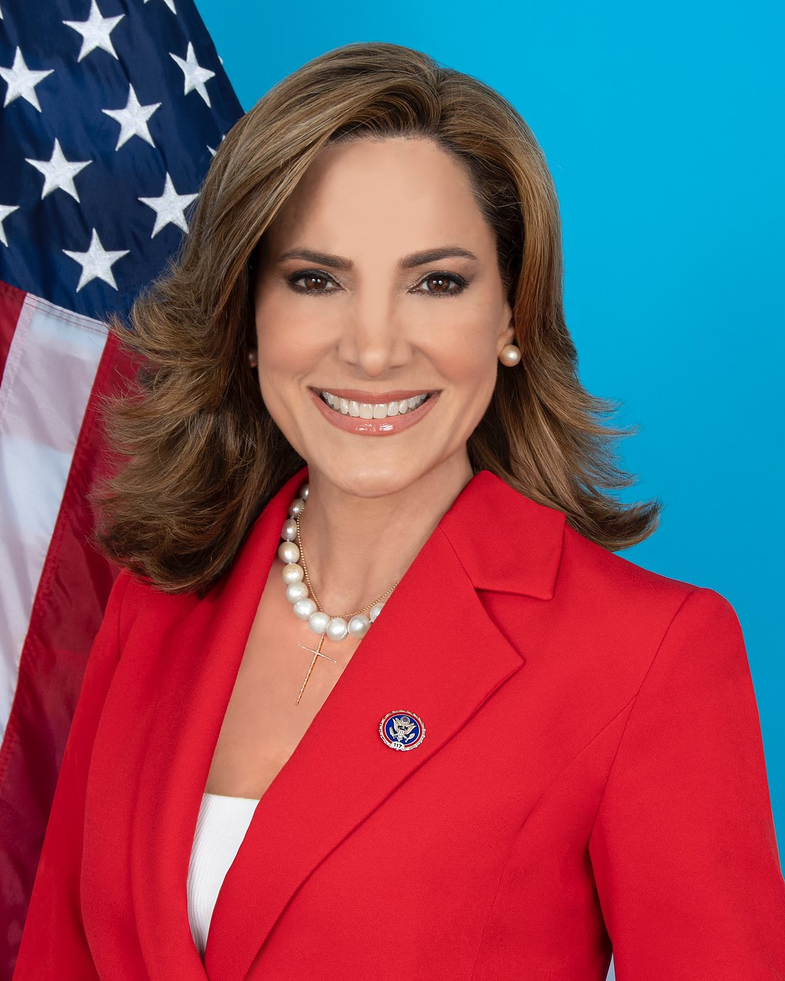
Co-Sponsor
-
TrackPete Sessions
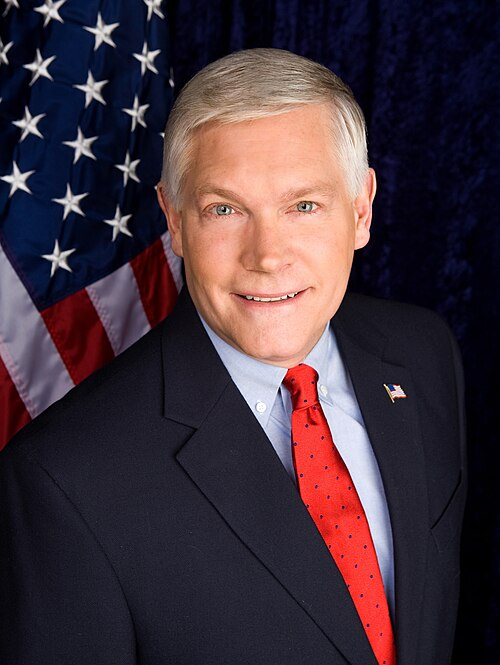
Co-Sponsor
-
TrackBryan Steil
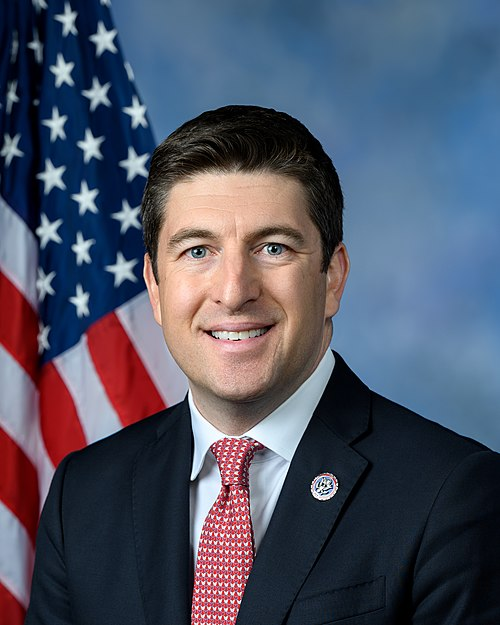
Co-Sponsor
-
TrackMarlin A. Stutzman
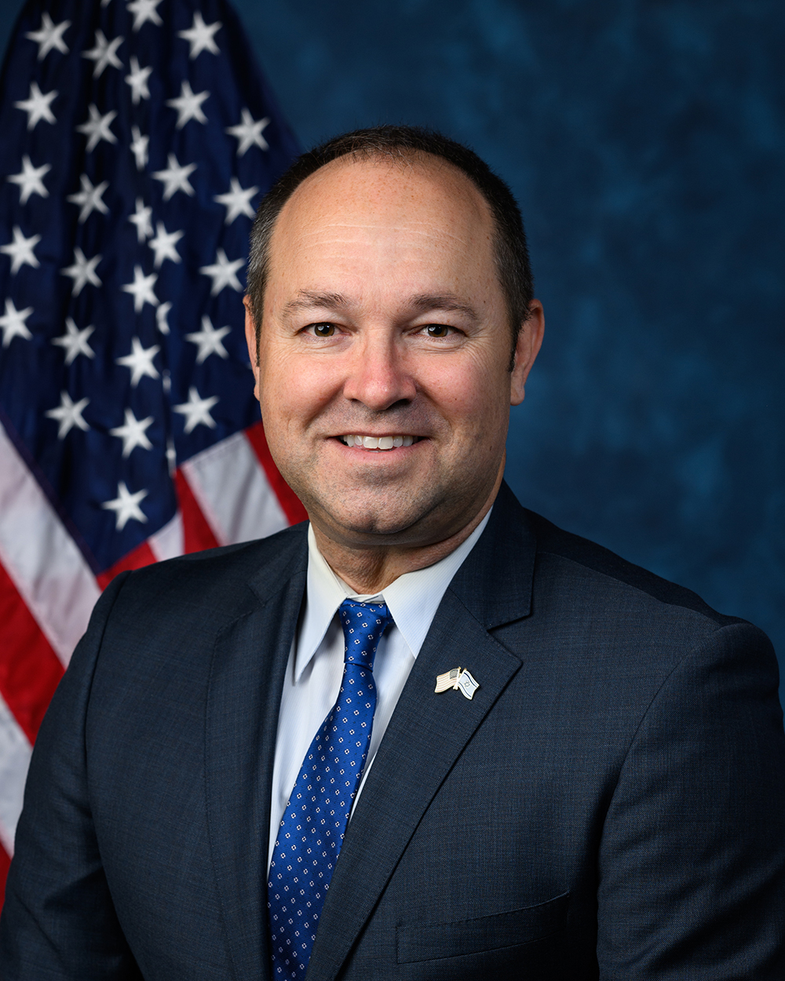
Co-Sponsor
-
TrackWilliam R. Timmons IV
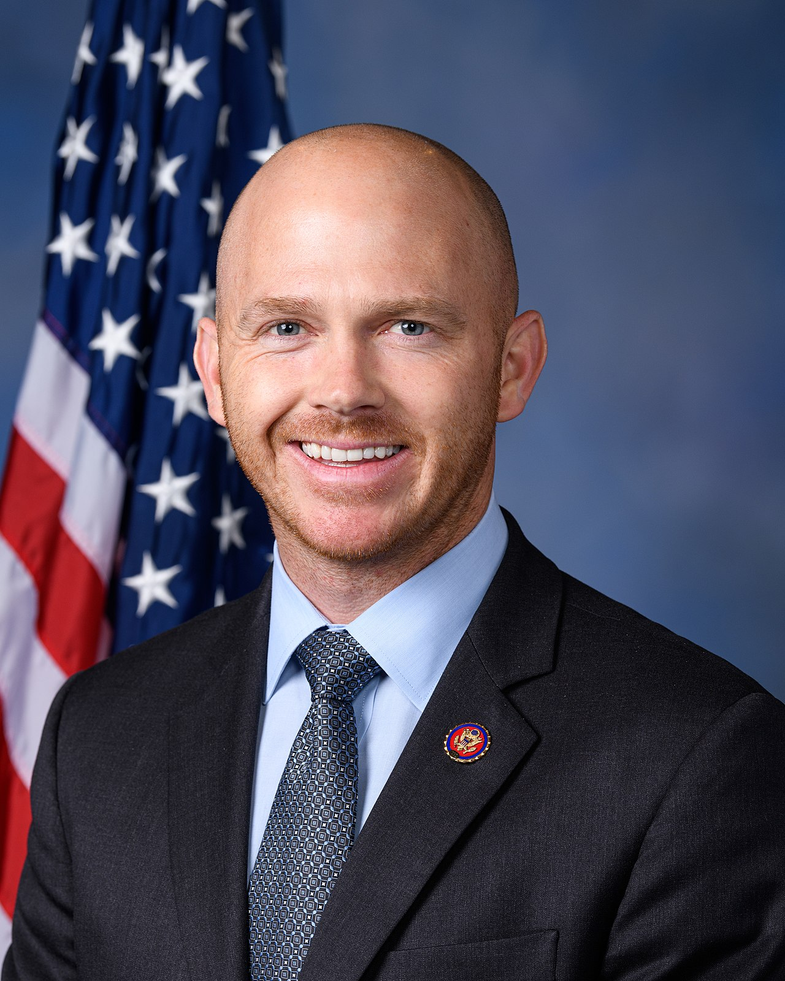
Co-Sponsor
-
TrackAnn Wagner
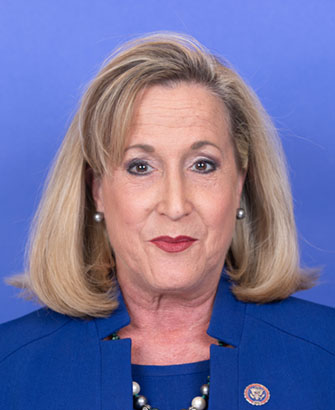
Co-Sponsor
-
TrackRoger Williams

Co-Sponsor
Actions
20 actions
| Date | Action |
|---|---|
| Jul. 22, 2026 | Received in the Senate and Read twice and referred to the Committee on Banking, Housing, and Urban Affairs. |
| Jul. 21, 2026 | Considered as unfinished business. (consideration: CR H5018-5019) |
| Jul. 21, 2026 | Considered under the provisions of rule H. Res. 1438. (consideration: CR H4707-4731) |
| Jul. 21, 2026 | DEBATE - The House proceeded with one hour of debate on H.R. 6955. |
| Jul. 21, 2026 | Motion to reconsider laid on the table Agreed to without objection. |
| Jul. 21, 2026 | Ms. Garcia (TX) moved to recommit to the Committee on Financial Services. (text: CR H4731) |
| Jul. 21, 2026 | On motion to recommit Failed by the Yeas and Nays: 210 - 216 (Roll no. 270). |
| Jul. 21, 2026 | On passage Passed by the Yeas and Nays: 270 - 155, 1 Present (Roll no. 271). (text of amendment in the nature of a substitute: CR H4708-4722) |
| Jul. 21, 2026 | Passed/agreed to in House: On passage Passed by the Yeas and Nays: 270 - 155, 1 Present (Roll no. 271). (text of amendment in the nature of a substitute: CR H4708-4722) |
| Jul. 21, 2026 | POSTPONED PROCEEDINGS - At the conclusion of debate on H.R. 6955, the Chair put the question on motion to recommit and by voice vote, announced that the noes had prevailed. Ms. Garcia (TX) demanded the yeas and nays and the Chair postponed further proceedings until a time to be announced. |
| Jul. 21, 2026 | Rule provides for consideration of H.R. 8800, H.R. 8884, H. Con. Res. 113, H.R. 7008, H.R. 6955 and H.R. 9770. The resolution provides for consideration of H.R. 8800 under a structured rule and for consideration of H.R. 8884, H. Con. Res. 113, H.R. 7008, H.R. 6955, and H.R. 9770 under a closed rule, with one hour of debate on each measure and one motion to recommit on H.R. 8800, H.R. 8884, H.R. 7008, H.R. 6955, and H.R. 9770. |
| Jul. 21, 2026 | The previous question on the motion to recommit was ordered pursuant to clause 2(b) of rule XIX. |
| Jul. 21, 2026 | The previous question was ordered pursuant to the rule. |
| Jul. 20, 2026 | Rules Committee Resolution H. Res. 1438 Reported to House. Rule provides for consideration of H.R. 8800, H.R. 8884, H. Con. Res. 113, H.R. 7008, H.R. 6955 and H.R. 9770. The resolution provides for consideration of H.R. 8800 under a structured rule and for consideration of H.R. 8884, H. Con. Res. 113, H.R. 7008, H.R. 6955, and H.R. 9770 under a closed rule, with one hour of debate on each measure and one motion to recommit on H.R. 8800, H.R. 8884, H.R. 7008, H.R. 6955, and H.R. 9770. |
| Apr. 20, 2026 | Placed on the Union Calendar, Calendar No. 535. |
| Apr. 20, 2026 | Reported (Amended) by the Committee on Financial Services. H. Rept. 119-617. |
| Mar. 04, 2026 | Committee Consideration and Mark-up Session Held |
| Mar. 04, 2026 | Ordered to be Reported by the Yeas and Nays: 26 - 16. |
| Jan. 07, 2026 | Introduced in House |
| Jan. 07, 2026 | Referred to the House Committee on Financial Services. |
Corporate Lobbying
0 companies lobbying
None found.
* Note that there can be significant delays in lobbying disclosures, and our data may be incomplete.