H.R. 6920: Supporting U.S. Critical Connectivity and Economic Strategy and Security for BEAD Act
This legislation, known as the Supporting U.S. Critical Connectivity and Economic Strategy and Security for BEAD Act (or SUCCESS for BEAD Act), aims to amend the Infrastructure Investment and Jobs Act to optimize the use of funds allocated for broadband deployment projects. Here’s a breakdown of its key provisions:
Overall Purpose
The bill focuses on reallocating any unspent funds from the Broadband Equity, Access, and Deployment (BEAD) Program to enhance the success and sustainability of broadband projects. The goal is to bolster the U.S. telecommunications infrastructure, which is essential for supporting advancements in artificial intelligence (AI), ensuring public safety, and maintaining national security.
Key Findings
- Unallocated funds from successful broadband project proposals need to be used effectively to support ongoing broadband deployment.
- Strengthening the telecommunication infrastructure is vital for improving AI deployment, which is crucial for U.S. technological leadership.
- Investments in federal broadband are necessary for modernizing emergency systems like 9-1-1.
- China's significant investments in technology create competitive pressures that America must address.
Subgrants for Infrastructure Development
This bill allows eligible entities to use grant funds for competitive subgrants aimed at supporting projects related to:
- Enhancing public safety and national security through emergency communications systems.
- Developing a skilled workforce in telecommunications and AI sectors.
- Fostering the use of telecommunications infrastructure that supports AI technologies.
Definitions of Terms Used
The bill defines several key terms, including:
- 9-1-1 request for emergency assistance: Any communication sent to request emergency help.
- Artificial intelligence: As defined by the National Artificial Intelligence Initiative Act of 2020.
- Next Generation 9-1-1: An advanced system that improves emergency response capabilities by utilizing modern technology.
- Interoperability: The ability for emergency systems to effectively communicate and share data without compatibility issues.
Use of Remaining Funds
Any remaining funds after the approval of proposals must be used for:
- Upgrading telecommunications infrastructure.
- Workforce training and development, particularly for sectors facing labor shortages.
- Data gathering and planning to facilitate effective broadband deployment.
- Improving and maintaining Next Generation 9-1-1 systems.
Subgrant Program
Eligible entities must establish a competitive subgrant program using remaining funds, focusing on proposals that:
- Serve areas lacking adequate broadband infrastructure, including Tribal lands.
- Support national security and economic growth.
- Enhance connectivity for emergency services and military installations.
Compliance and Oversight
The Assistant Secretary of Commerce for Communications and Information is tasked with guiding the execution of the bill, ensuring alignments with federally established guidelines, and coordinating Next Generation 9-1-1 implementations. This includes conducting evaluations of proposed projects and assisting in the development of efficient emergency response systems.
Prohibitions and Limitations
Subgrants cannot be used for construction projects that primarily focus on data centers for digital information storage. Furthermore, there are set requirements for local entities to maintain active communication and planning with emergency services regarding technology implementations.
Relevant Companies
- T (AT&T Inc.) - As a major telecommunications provider, AT&T may benefit from increased investments in broadband infrastructure to expand their network capabilities.
- VZ (Verizon Communications Inc.) - Verizon could see opportunities to enhance their emergency response services and integrate Next Generation 9-1-1 systems as funding becomes available.
- CSCO (Cisco Systems, Inc.) - Cisco, as a provider of networking technology, stands to gain from boosted demand for advanced telecommunications and AI-supportive technologies.
This is an AI-generated summary of the bill text. There may be mistakes.
Sponsors
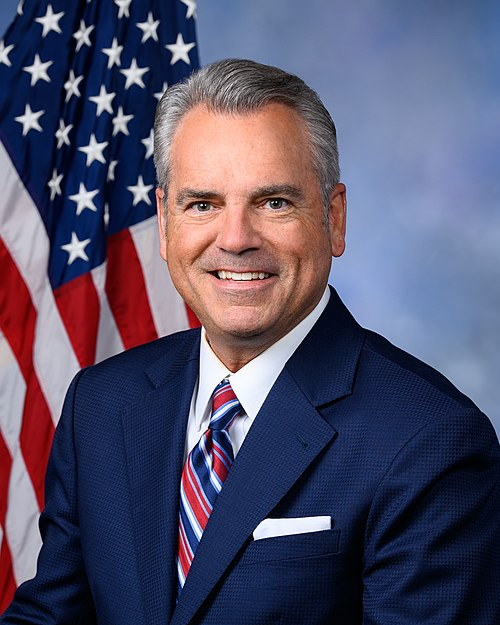
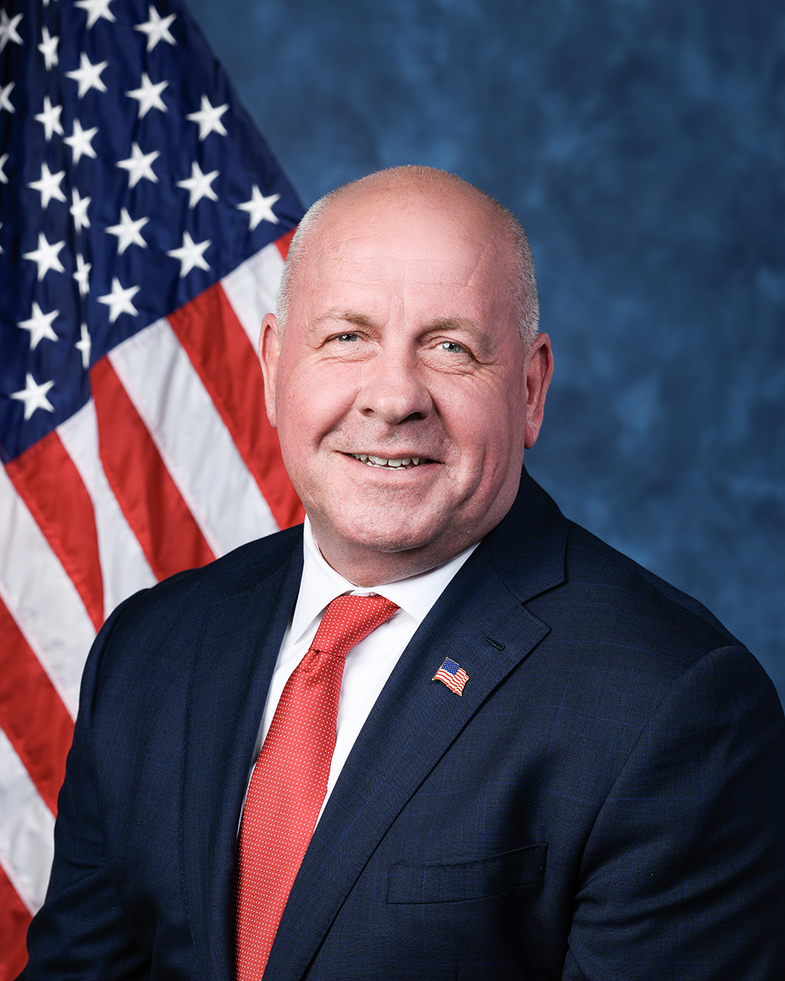
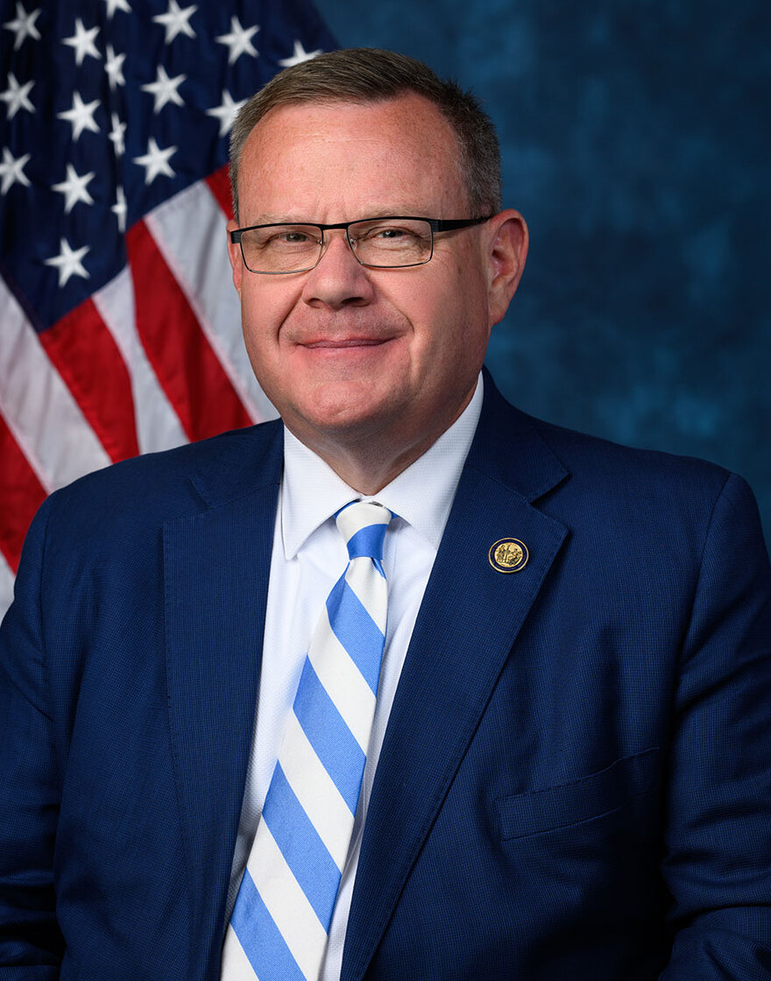
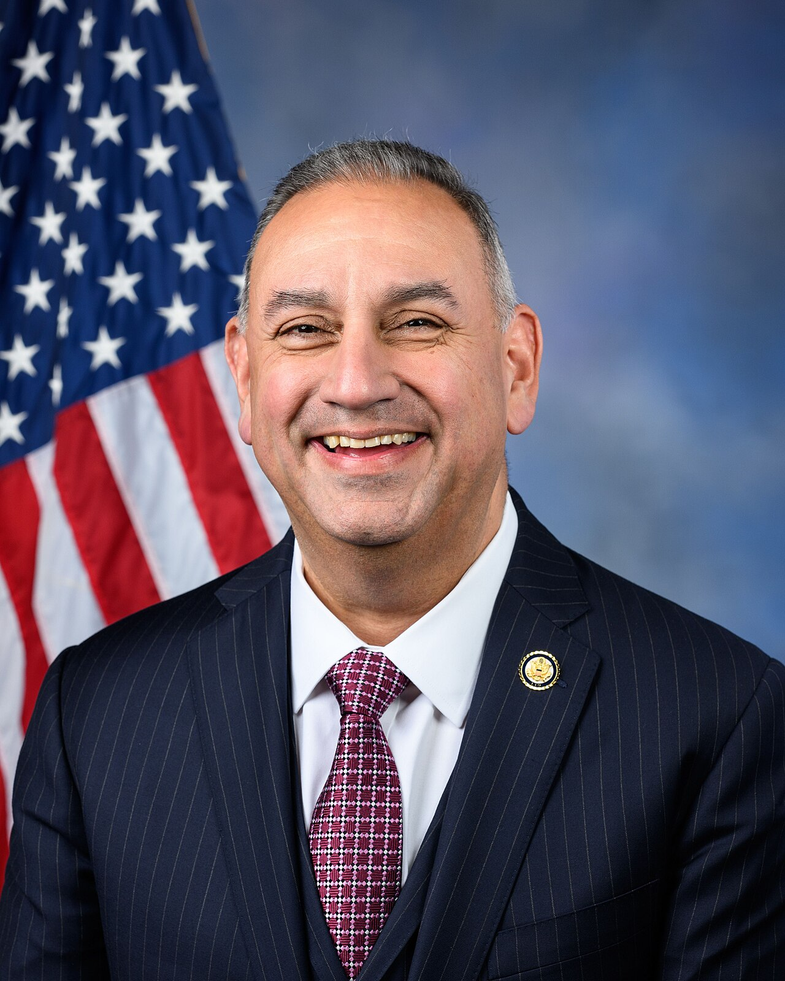
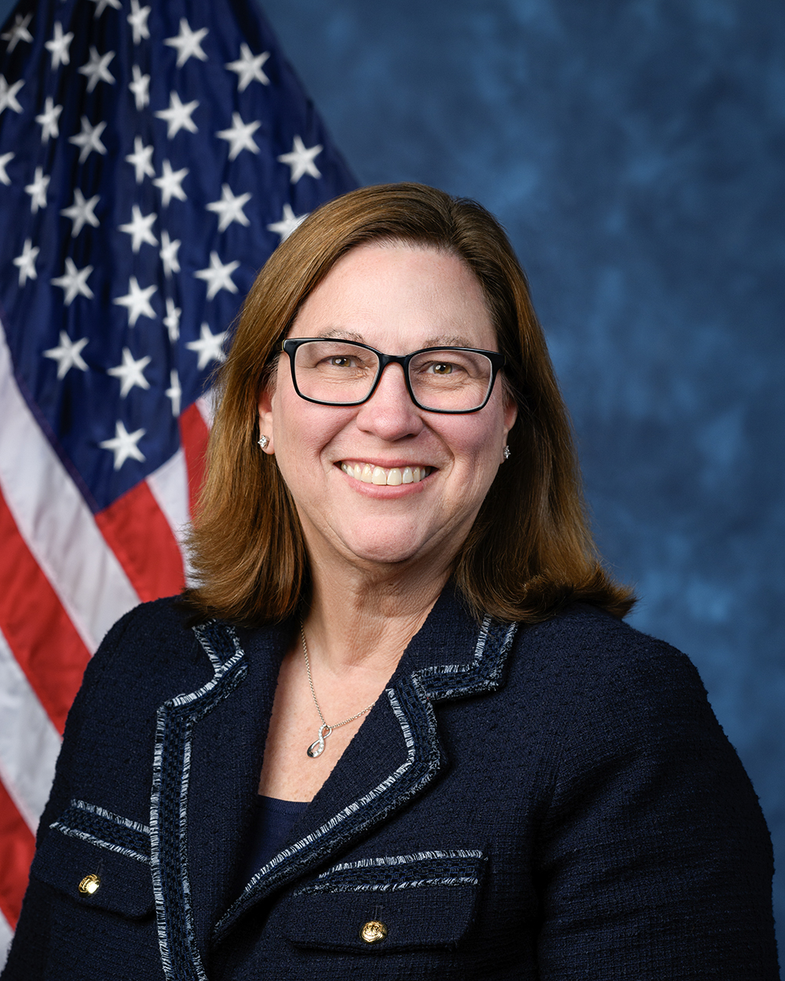
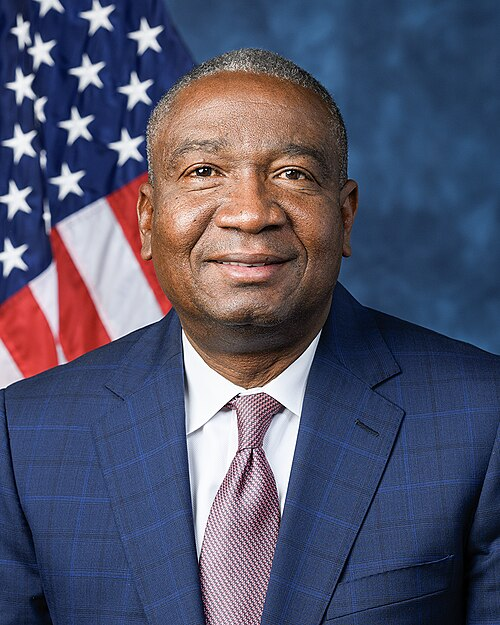
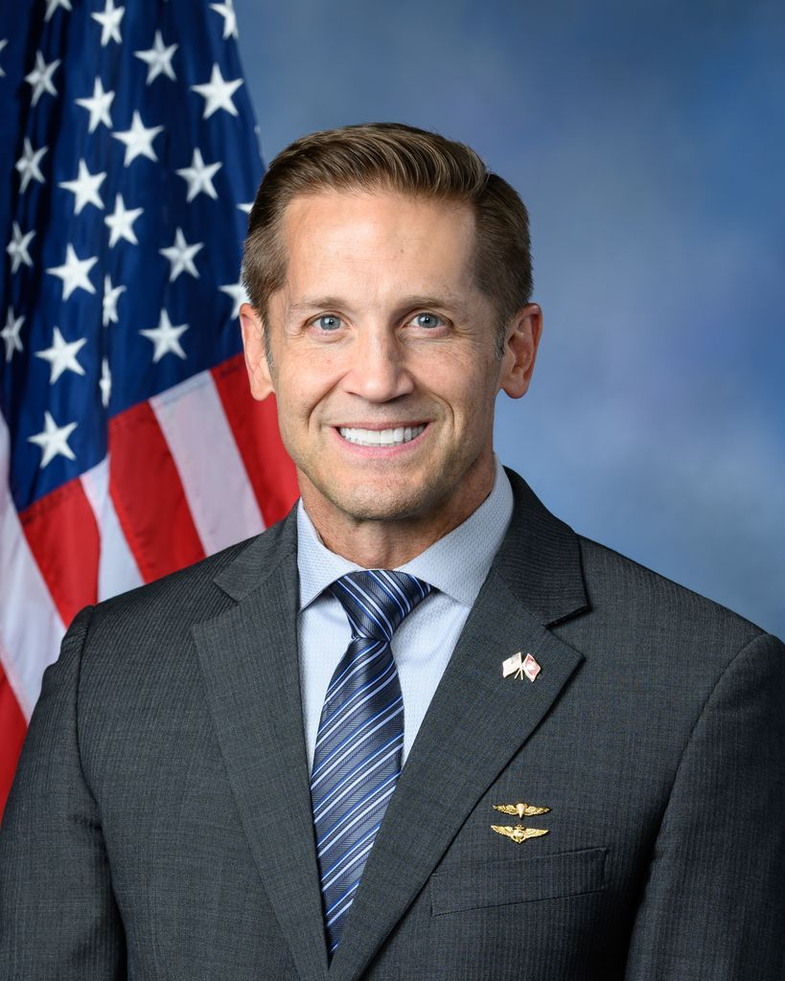
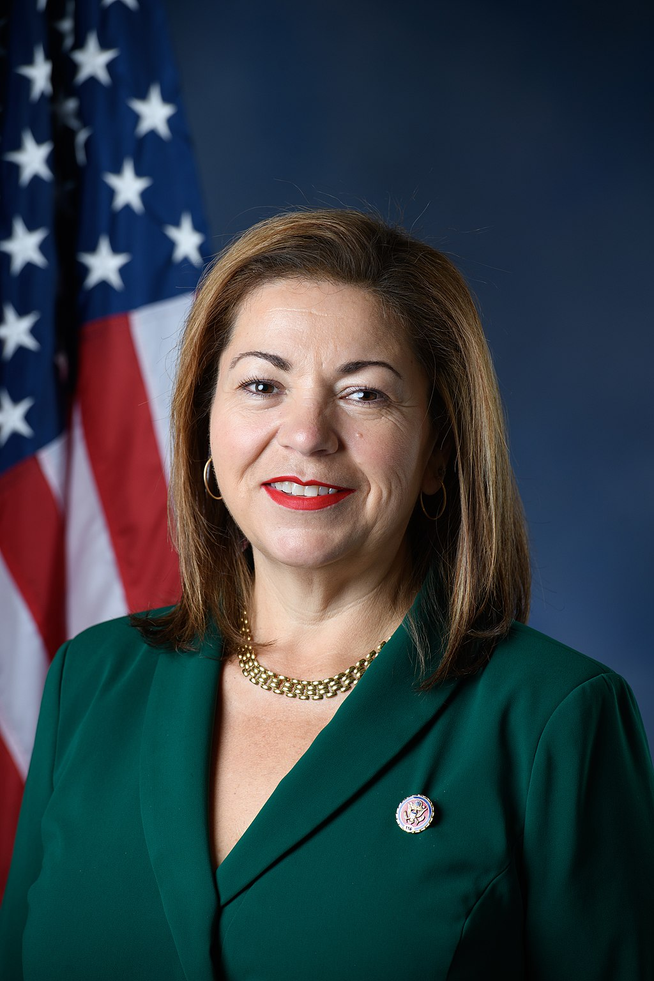
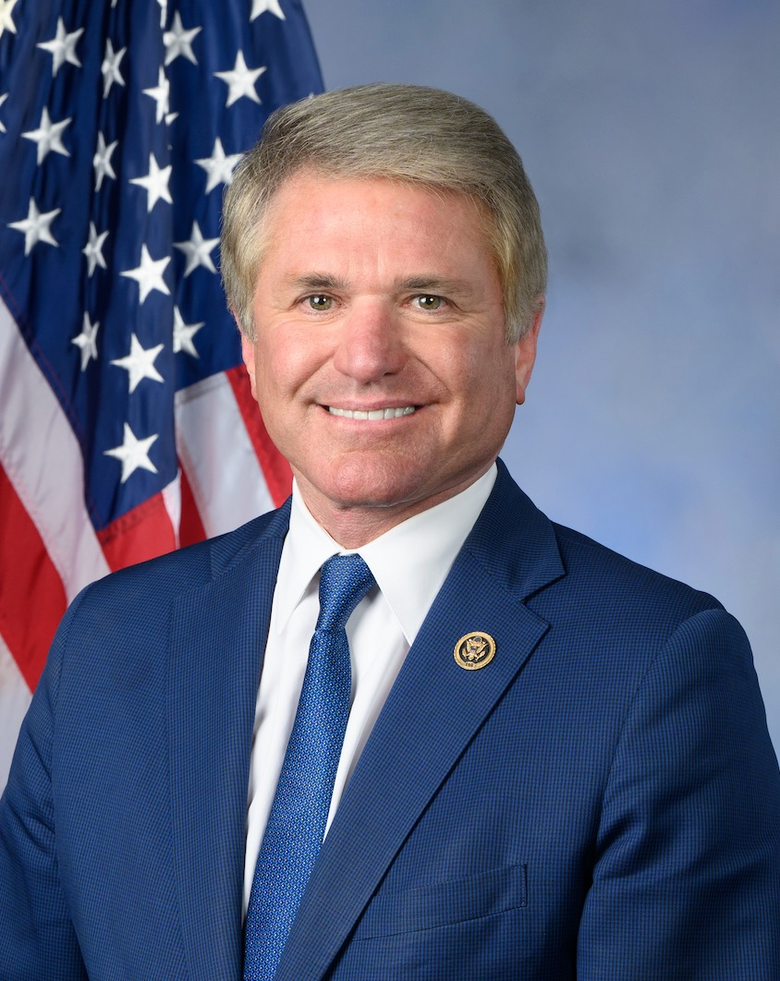
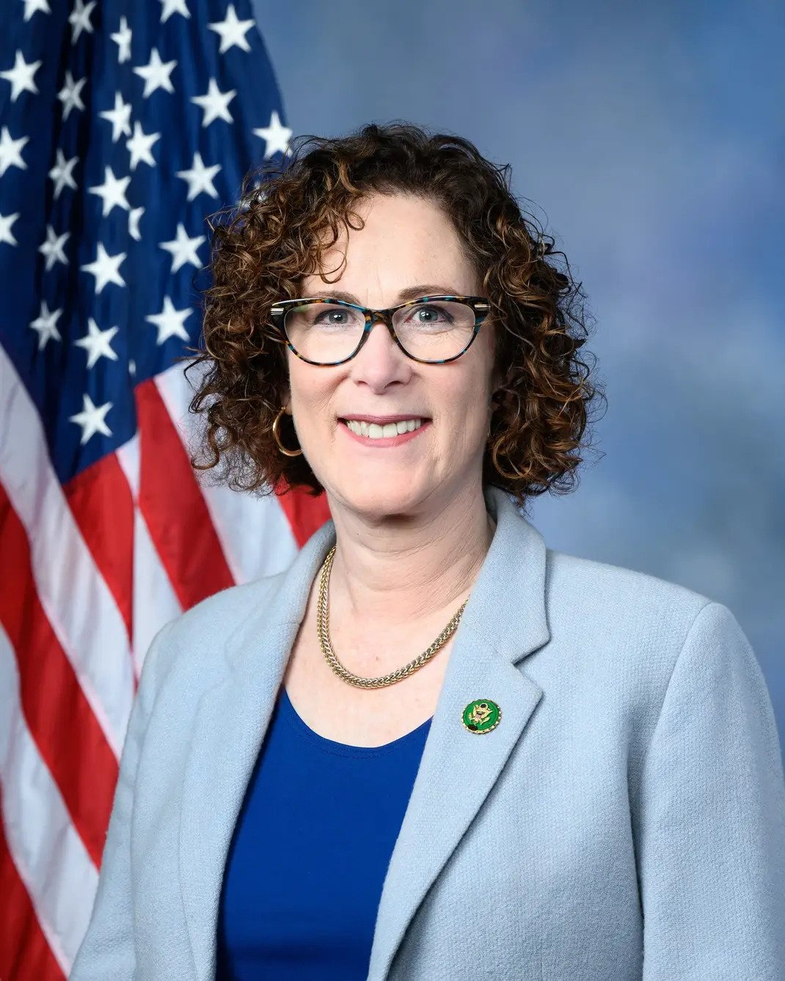
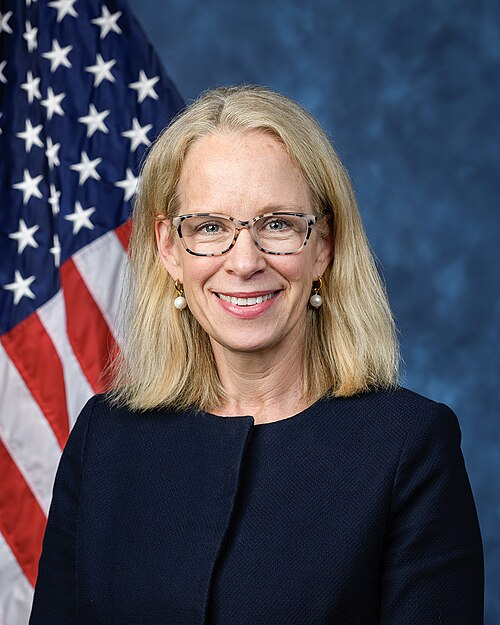
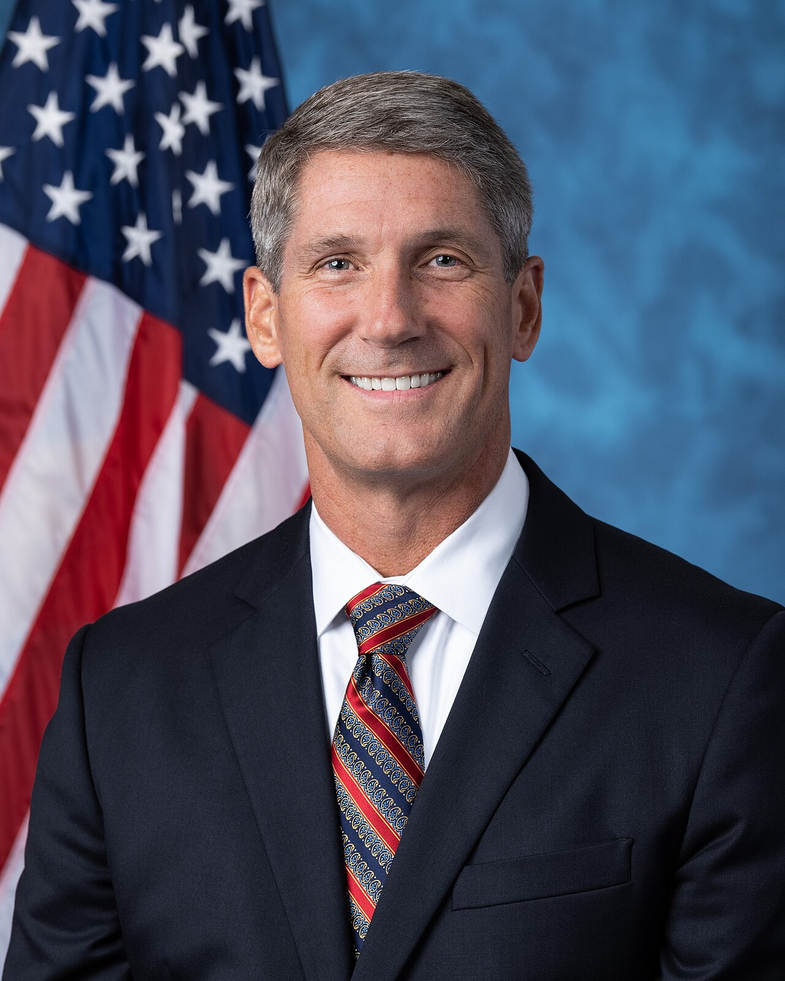
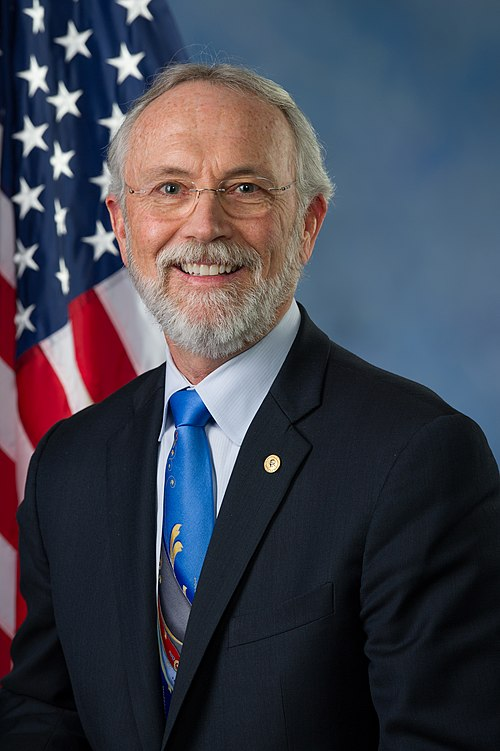
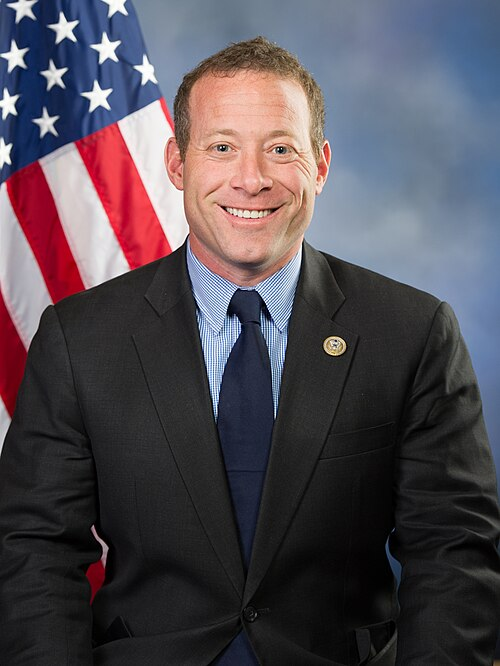
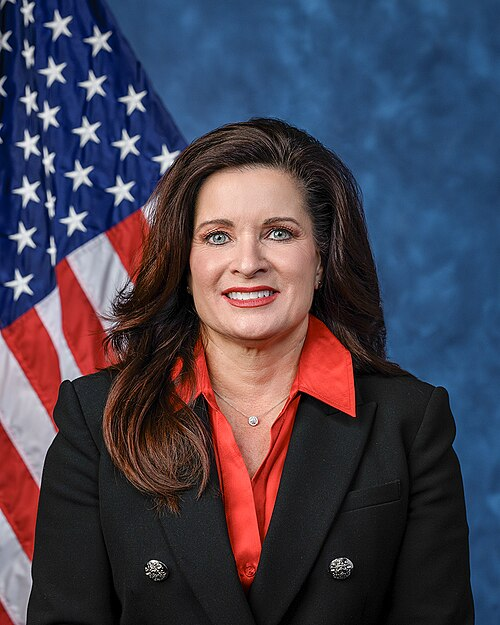
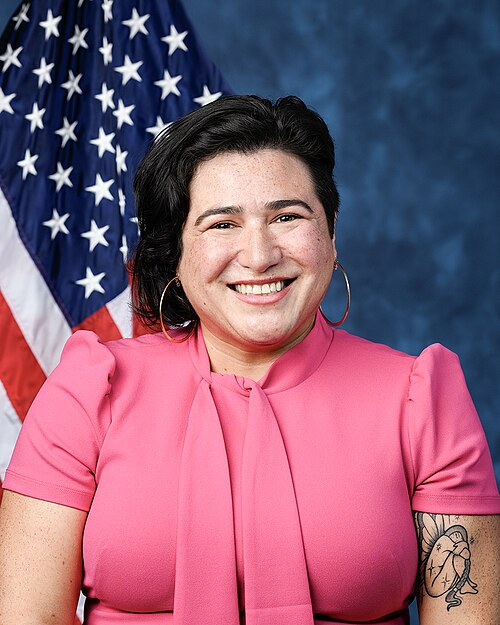
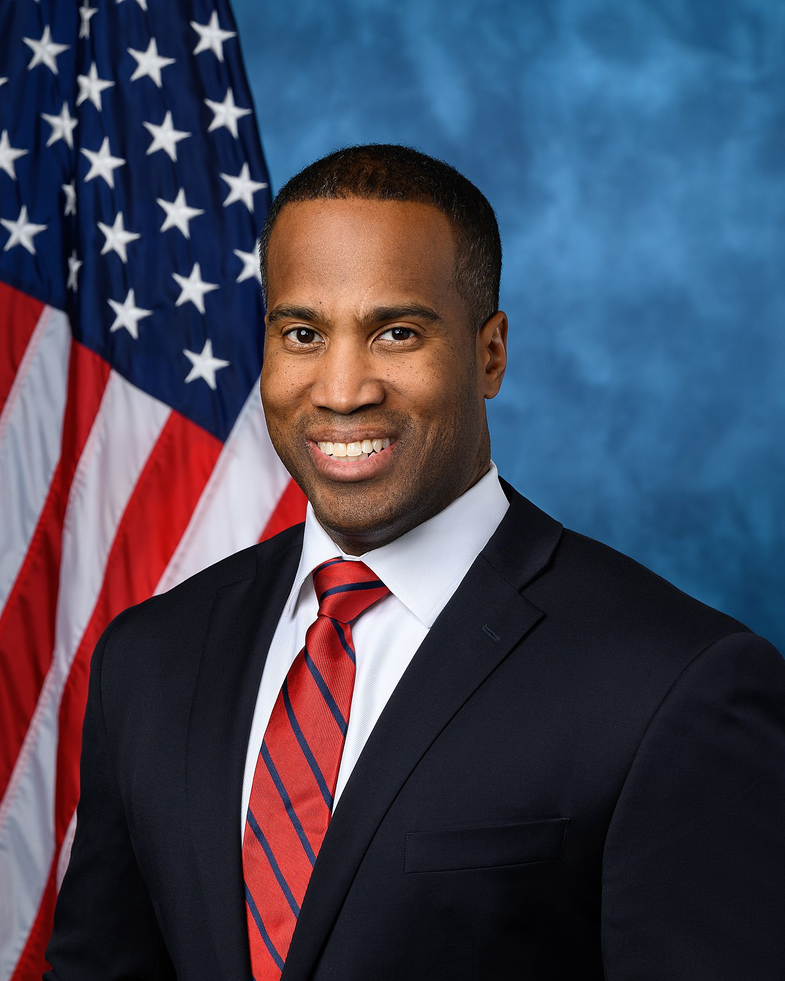
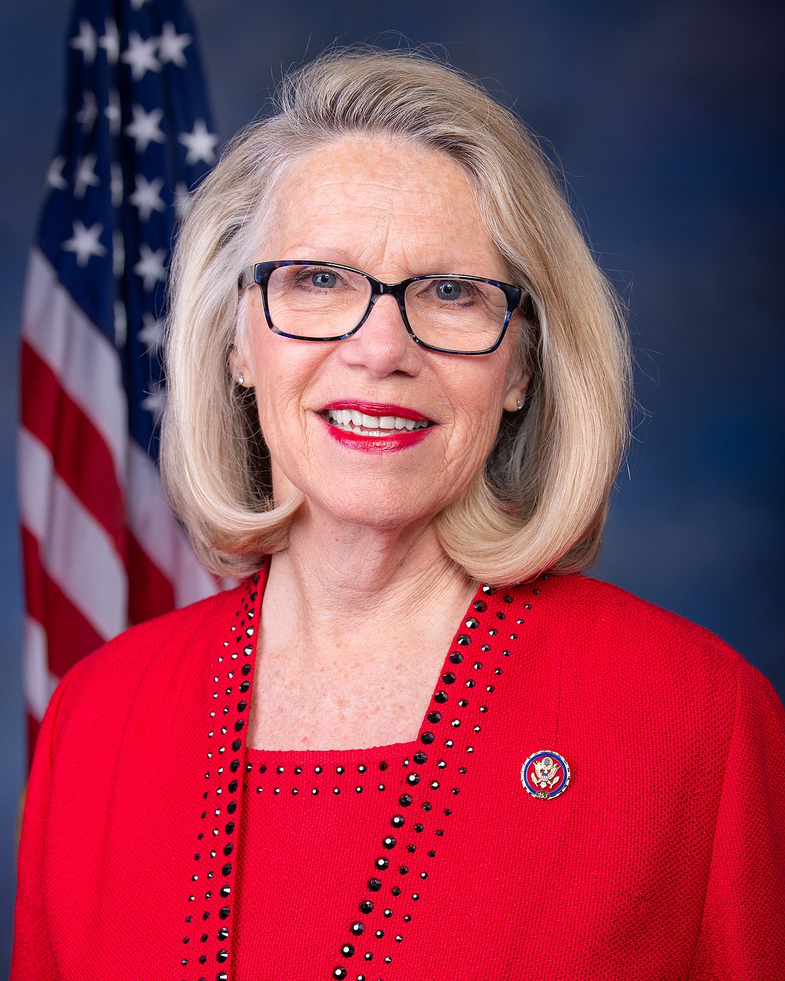
2 bill sponsors


Actions
2 actions
| Date | Action |
|---|---|
| Dec. 23, 2025 | Introduced in House |
| Dec. 23, 2025 | Referred to the House Committee on Energy and Commerce. |
Corporate Lobbying
0 companies lobbying
None found.
* Note that there can be significant delays in lobbying disclosures, and our data may be incomplete.