
H.R. 6663: Campus Free Speech Restoration Act
This bill, titled the Campus Free Speech Restoration Act, aims to amend the Higher Education Act of 1965 to enhance and protect the expressive rights of students in both public and private institutions of higher education in the United States.
Key Provisions
- Protection of Free Speech: The bill emphasizes that every individual at a public institution should have the right to express their opinions on matters of religion or philosophy without facing negative repercussions. Furthermore, it asserts that public institutions should not limit religious expression or free speech provided under the First Amendment of the U.S. Constitution.
- Restrictions on Policies: The bill declares that any policies from public institutions that create "free speech zones" or overly restrictive speech codes are incompatible with the First Amendment rights of students. It also notes that bias reporting systems could hinder free speech and should be avoided.
- Expressive Activities Defined: The bill defines "expressive activities," which include peaceful assembly, protesting, speaking, distributing literature, and other activities protected by the First Amendment. Any restrictions on these activities must be justified by compelling governmental interests, must be the least restrictive means, and must not prohibit spontaneous assemblies.
- Legal Recourse: Students or the Attorney General can bring actions against institutions that violate these provisions. Courts can award damages for violations, including compensatory damages of at least $500 for an initial violation and additional amounts for continuous violations.
- Federal Oversight: The U.S. Secretary of Education is tasked with reviewing institution policies to ensure compliance with the bill. Institutions found in violation could lose eligibility for federal funds unless they rectify their policies within specific timeframes.
- Transparency for Private Institutions: Private colleges and universities must clearly post their expressive rights policies on their websites and distribute them to new students. They are also held accountable for not fully disclosing these policies.
- Students’ Right to Sue: Students can take legal action if they believe their expressive rights have been violated by private institutions, allowing them to recover damages and necessitating a response from the institution.
- Protection Against Retaliation: The bill prohibits retaliation against any person for participating in investigations or complaints related to expressive rights, ensuring that individuals can report violations without fear of repercussions.
Implementation Processes
The bill outlines a structured process for reviewing and addressing complaints regarding speech rights at institutions. This includes:
- Complaint Procedures: Students can file complaints regarding violations of their rights, which the Secretary of Education must review promptly.
- Institution Response: Institutions are required to respond to complaints within specified timeframes, either by changing their policies or justifying their current policies.
- Time-Bound Reviews: The Secretary conducts reviews of institutional policies with set deadlines for responses and determinations.
- Restoration of Eligibility: Institutions that lose their eligibility for federal funds can restore their eligibility by addressing the identified violations within the specified guidance from the Secretary.
Exceptions
The bill specifies that certain institutions, such as military academies and those primarily training individuals for religious roles, will not be subject to these provisions.
Relevant Companies
None found
This is an AI-generated summary of the bill text. There may be mistakes.
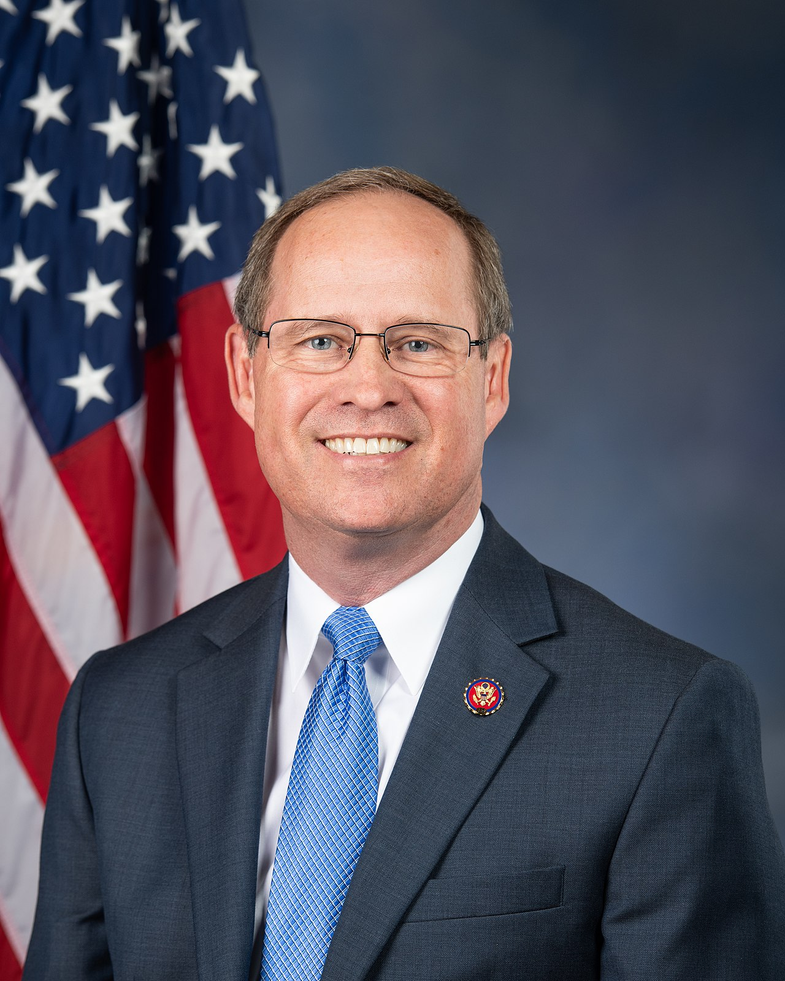
Sponsors
1 sponsor
Actions
2 actions
| Date | Action |
|---|---|
| Dec. 11, 2025 | Introduced in House |
| Dec. 11, 2025 | Referred to the House Committee on Education and Workforce. |
Corporate Lobbying
0 companies lobbying
None found.
* Note that there can be significant delays in lobbying disclosures, and our data may be incomplete.
Potentially Relevant Congressional Stock Trades
No relevant congressional stock trades found.