H.R. 6635: Bus Operator Safety and Security Act
This bill, known as the Bus Operator Safety and Security Act, aims to amend existing legislation regarding public transportation safety, specifically for fixed route buses that are 30 feet or longer. The key provisions of the bill are as follows:
Requirements for Bus Operator Workstations
Starting two years after the bill is passed, any new fixed route bus purchased with federal funds must have specific design features in its operator workstation unless it receives a certification waiver from a labor organization representing the majority of the workforce. The design must include:
- A barrier that extends from the floor to the ceiling of the bus.
- The barrier must enclose the operator's workstation completely, preventing unwanted entry of persons, fluids, or objects.
- The barrier must not obstruct the bus operator's view to ensure they can see outside the bus clearly.
Implications of the Bill
The bill is intended to enhance safety for bus operators by reducing the risk of physical incidents and ensuring that they have an unobstructed view while driving. It applies to new buses purchased with federal funds, which may impact how public transit authorities design and purchase their vehicles going forward.
Federal Funding Parameters
It specifies that federal funds cannot be used for buses that do not comply with these workstation safety standards, thereby incentivizing compliance with the new requirements among public transportation agencies.
Labor Organization Involvement
For the waiver to be granted, the labor organization representing the majority of the workforce must agree to waive the requirement for the safety barriers. This introduces an aspect of negotiation between transit authorities and labor groups regarding safety measures.
Implementation Timeline
The requirements would come into effect two years after the bill is enacted, providing a ramp-up period for transit authorities and bus manufacturers to adapt to the new regulations.
Scope of the Legislation
The legislation is focused specifically on fixed route buses, which serve set paths and schedules, and thus does not apply to other forms of public transportation that do not meet this description.
Overall Objectives
The overall goal of this legislation is to improve the safety and security of bus operators, creating a more secure environment that could help reduce workplace injuries and accidents related to external threats.
Relevant Companies
- GM - General Motors may see an impact as they manufacture large transit buses that could need to redesign workstations to meet the new safety standards.
- THO - Thor Industries, which also manufactures buses, could be directly affected by the need to comply with the new design regulations for their vehicles.
This is an AI-generated summary of the bill text. There may be mistakes.
Sponsors
25 bill sponsors
-
TrackShomari Figures
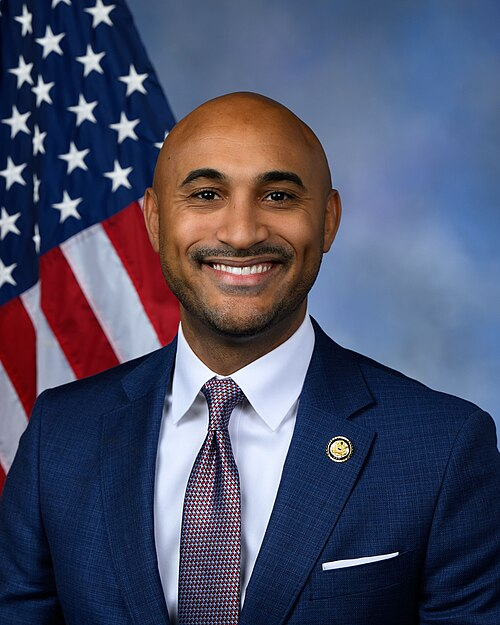
Sponsor
-
TrackTom Barrett
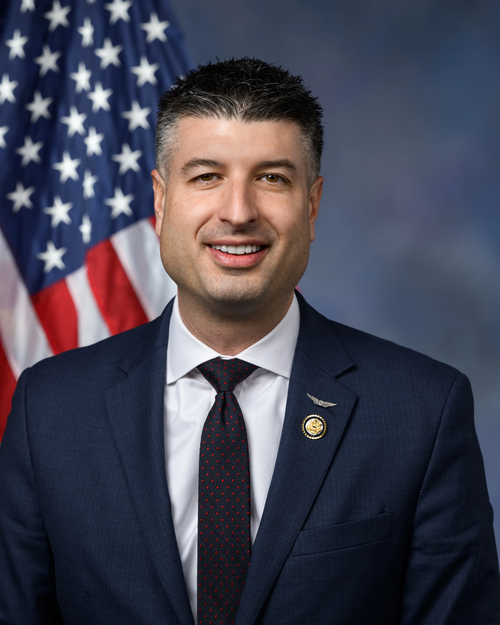
Co-Sponsor
-
TrackRobert Bresnahan
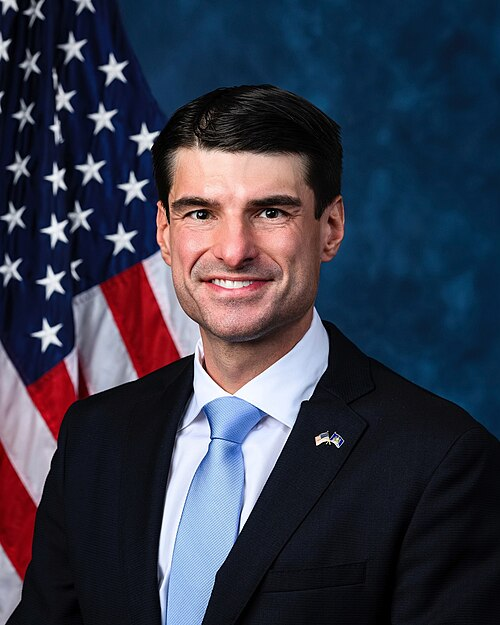
Co-Sponsor
-
TrackNikki Budzinski
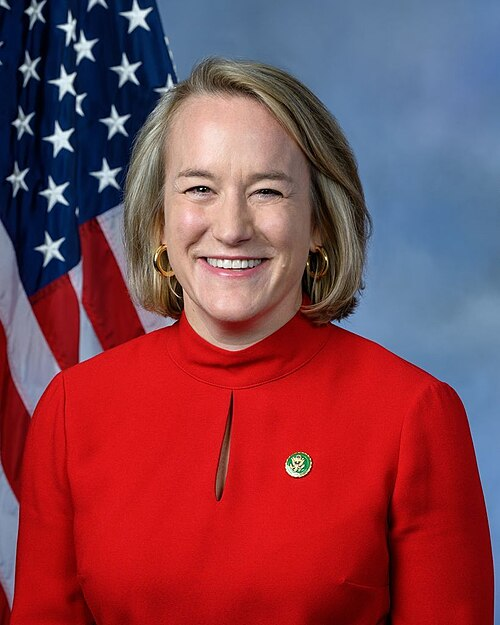
Co-Sponsor
-
TrackAndré Carson
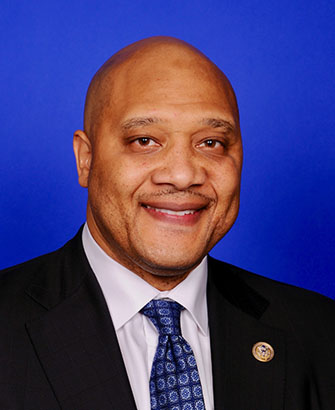
Co-Sponsor
-
TrackJuan Ciscomani
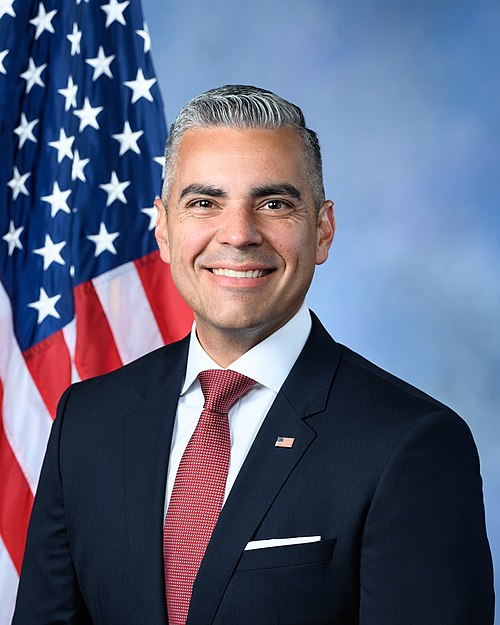
Co-Sponsor
-
TrackAngie Craig
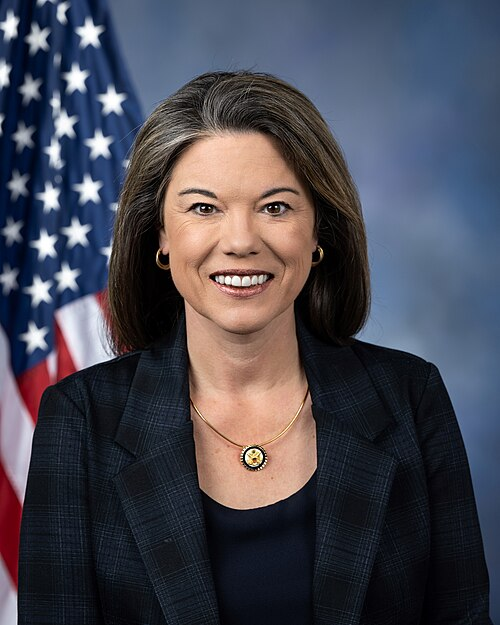
Co-Sponsor
-
TrackJasmine Crockett
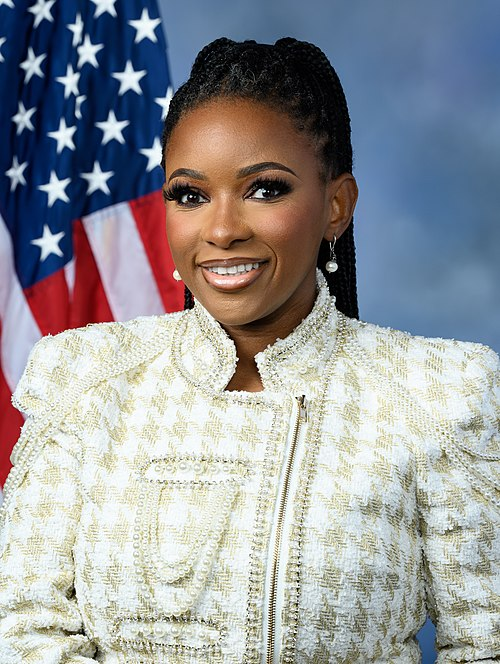
Co-Sponsor
-
TrackDonald G. Davis
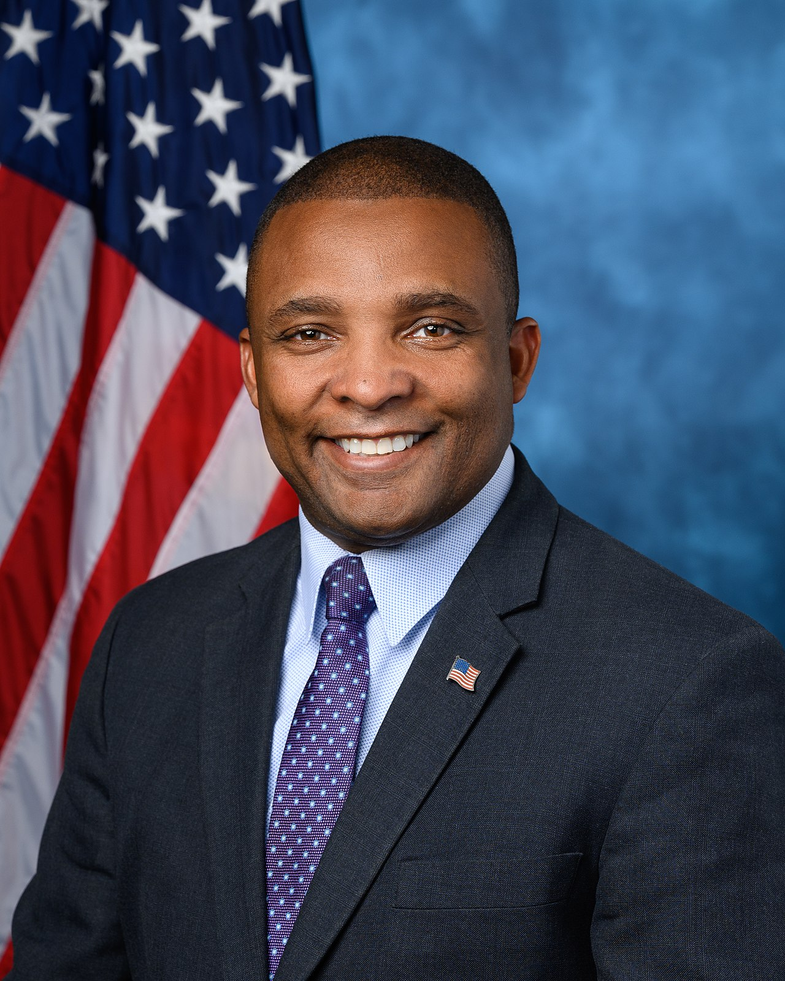
Co-Sponsor
-
TrackChristopher R. Deluzio

Co-Sponsor
-
TrackValerie P. Foushee
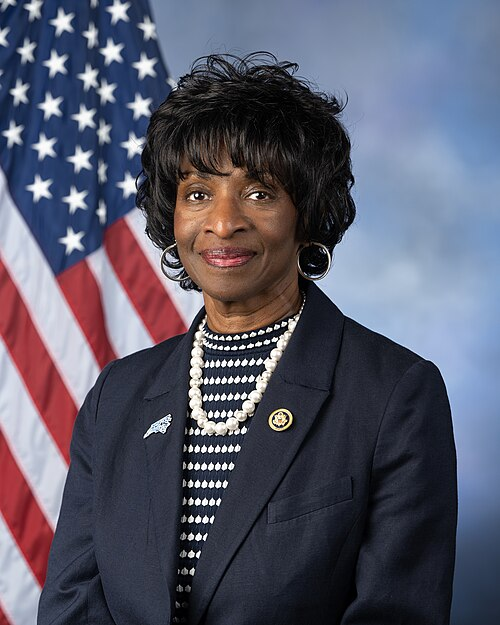
Co-Sponsor
-
TrackDaniel S. Goldman
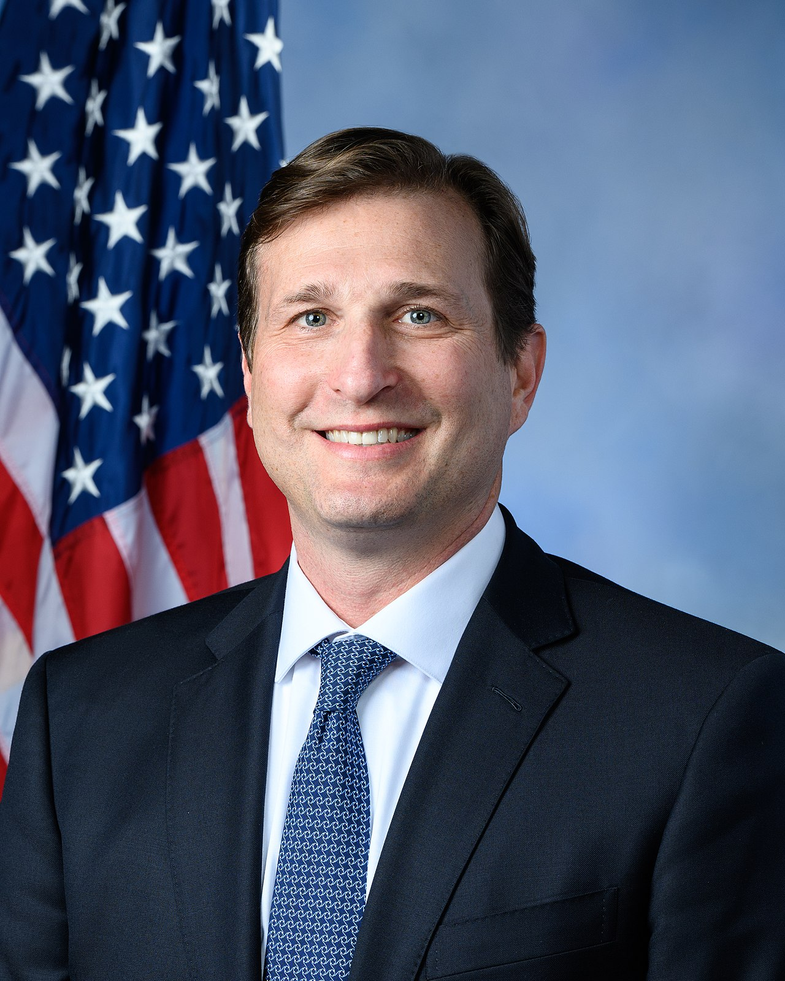
Co-Sponsor
-
TrackJosh Gottheimer
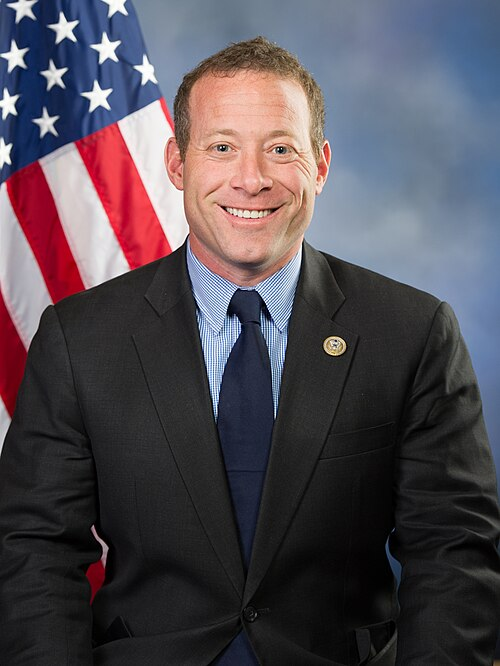
Co-Sponsor
-
TrackJeff Hurd
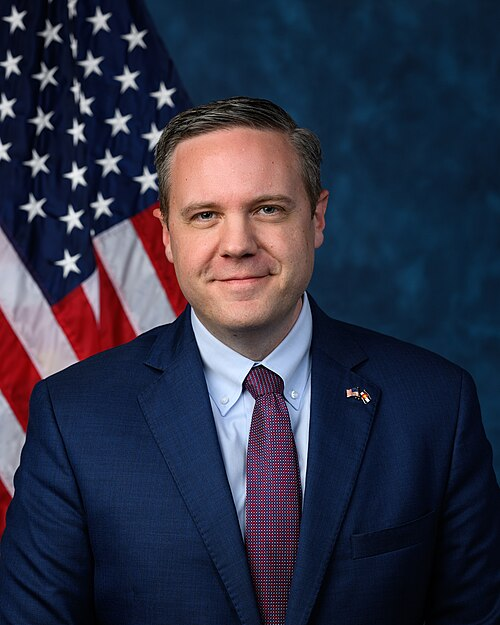
Co-Sponsor
-
TrackTimothy M. Kennedy
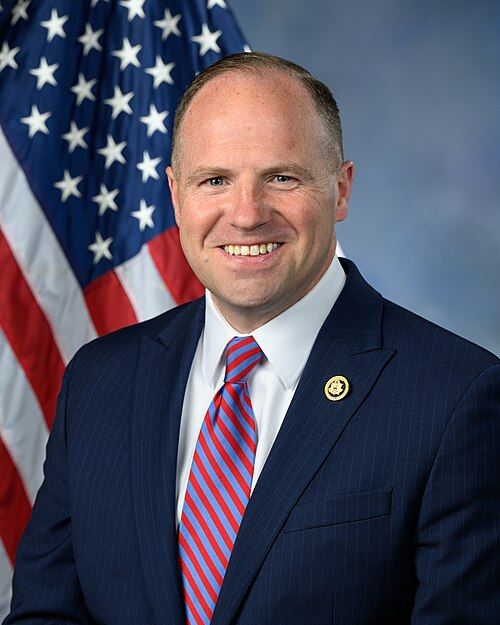
Co-Sponsor
-
TrackDarin LaHood
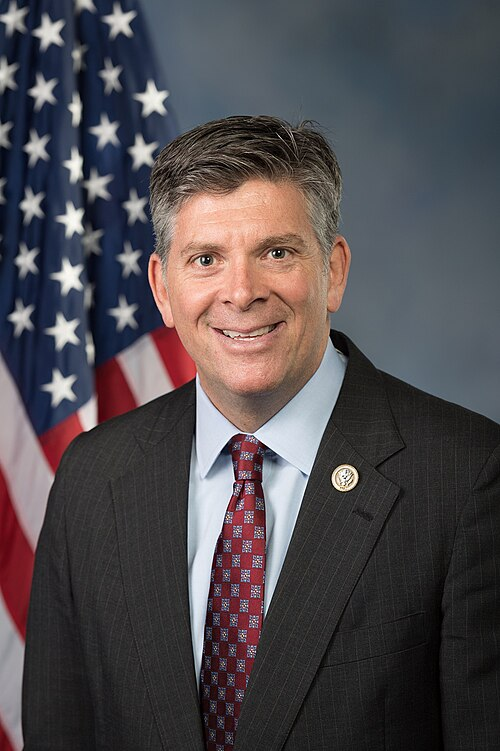
Co-Sponsor
-
TrackNicholas A. Langworthy
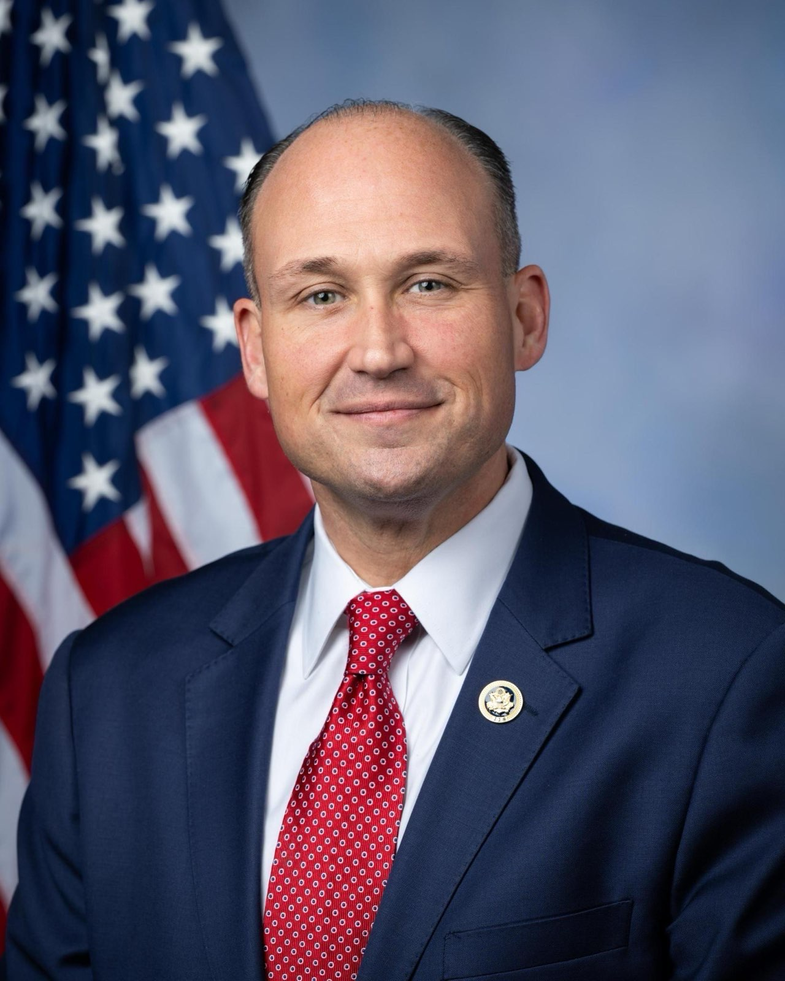
Co-Sponsor
-
TrackJohn B. Larson
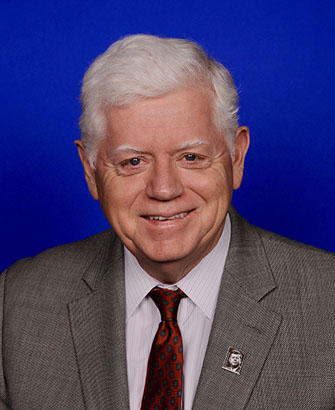
Co-Sponsor
-
TrackStephen F. Lynch
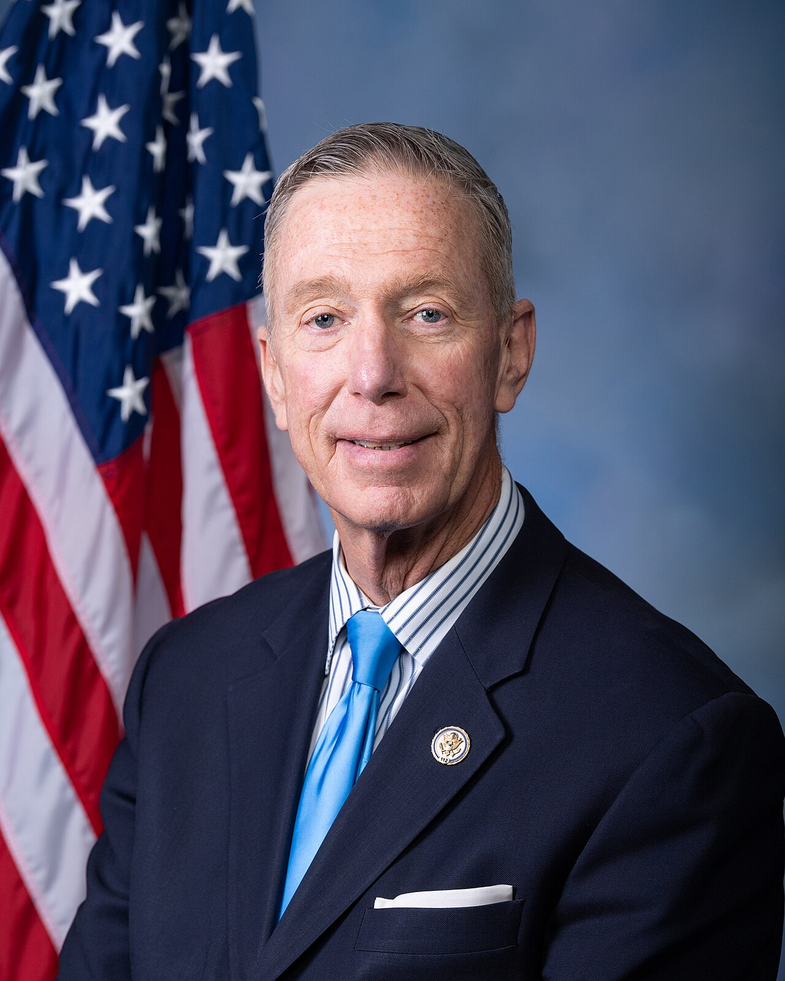
Co-Sponsor
-
TrackDonald Norcross
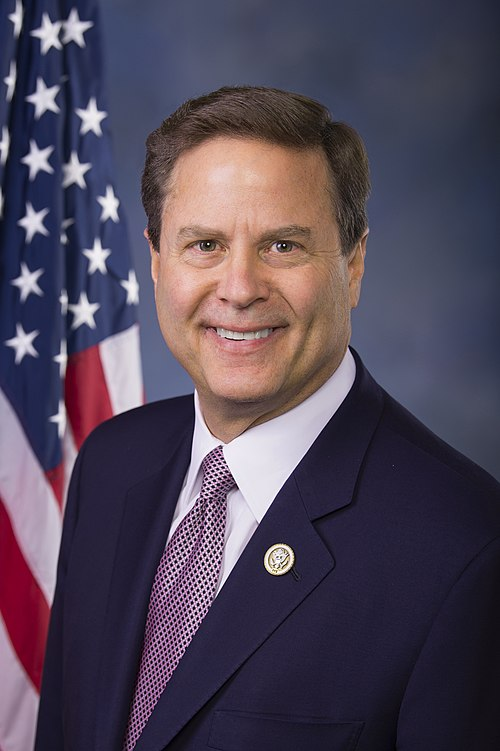
Co-Sponsor
-
TrackEleanor Holmes Norton

Co-Sponsor
-
TrackBrittany Pettersen
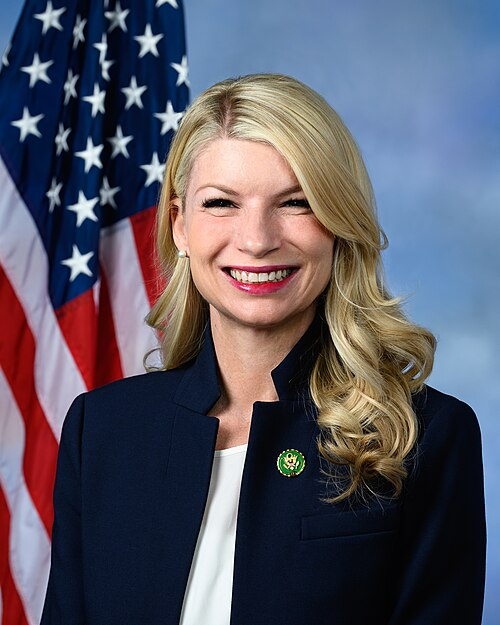
Co-Sponsor
-
TrackNellie Pou
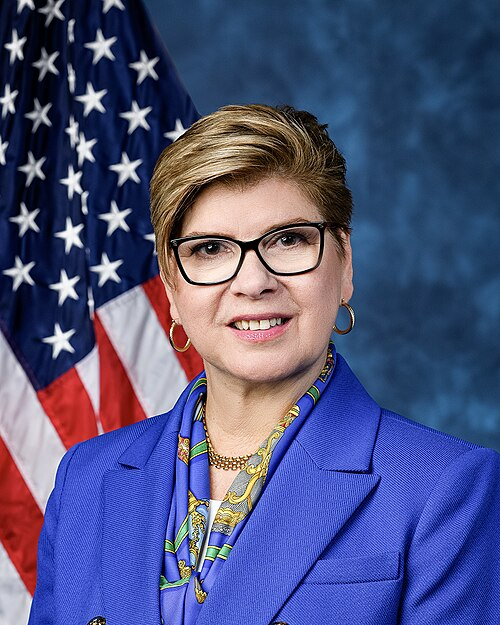
Co-Sponsor
-
TrackLateefah Simon
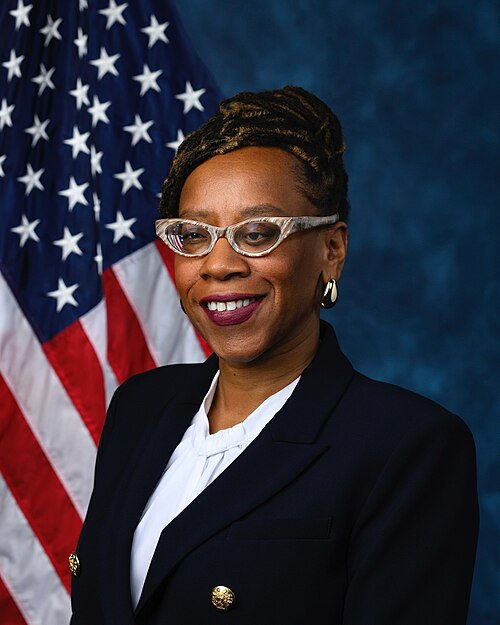
Co-Sponsor
-
TrackJefferson Van Drew
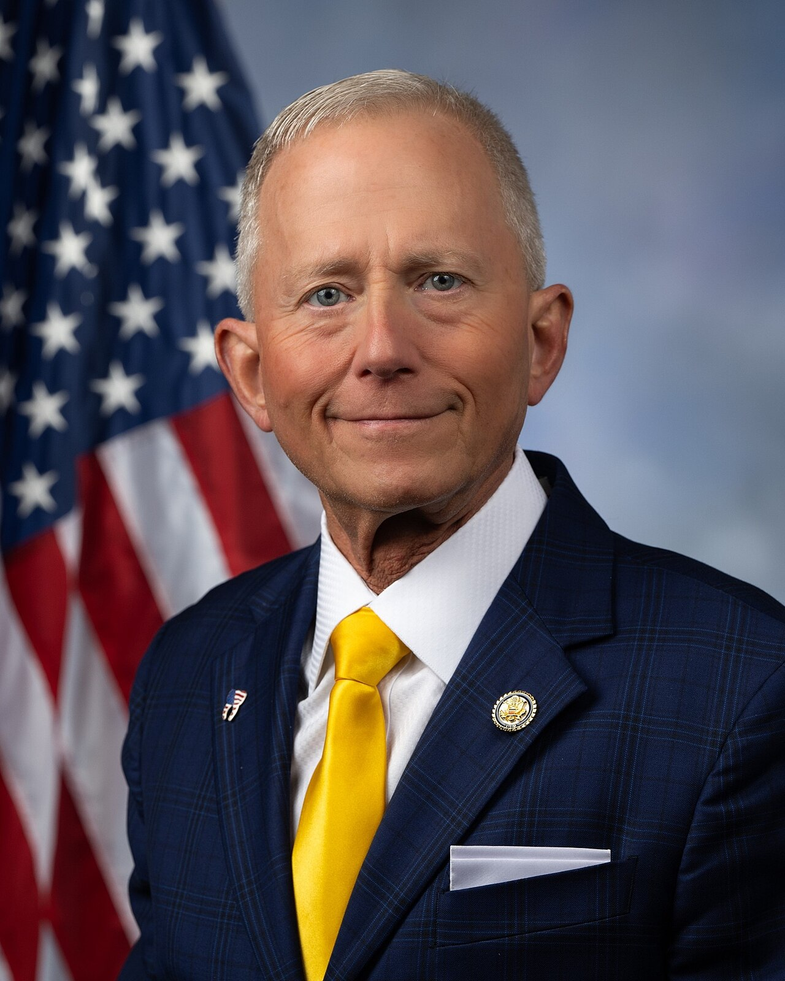
Co-Sponsor
Actions
3 actions
| Date | Action |
|---|---|
| Feb. 02, 2026 | Referred to the Subcommittee on Highways and Transit. |
| Dec. 11, 2025 | Introduced in House |
| Dec. 11, 2025 | Referred to the House Committee on Transportation and Infrastructure. |
Corporate Lobbying
0 companies lobbying
None found.
* Note that there can be significant delays in lobbying disclosures, and our data may be incomplete.