H.R. 6624: Biological Intellectual Property Protection Act of 2025
This proposed legislation, titled the Biological Intellectual Property Protection Act of 2025, aims to regulate the export of certain biological materials and technologies, specifically synthetic DNA and RNA sequences, to foreign entities labeled as "entities of concern." The bill is motivated by concerns about national security and the potential for these materials to be exploited by foreign nations, particularly the People's Republic of China, in advancing military capabilities or other strategic technological developments.
Key Provisions
- The legislation requires that, within one year of its enactment, the Secretary of State or another designated authority implement a licensing requirement for the export and transfer of synthetic DNA and RNA sequences to foreign entities of concern.
- These sequences refer specifically to digital representations of synthetic DNA and RNA that could be produced by humans or AI technologies.
- There are exceptions to this licensing requirement; however, details of these exceptions are outlined within existing regulations under the Export Administration Regulations.
National Security Concerns
The bill expresses the following viewpoints regarding the threats from foreign countries, particularly China:
- China is perceived to engage in systematic efforts to acquire sensitive U.S. data and intellectual property.
- This acquisition is believed to be linked to the enhancement and modernization of China’s military and technological capabilities.
- Existing laws in China compel cooperation with national security efforts, thereby increasing the risk that entities and individuals in China could misuse any sensitive U.S. biological information obtained.
- The export of synthetic biological materials poses significant risks, as they can reveal important research and development strategies of U.S. biotechnology firms.
Definitions and Terms
The bill includes definitions for key terms, which will help clarify which entities and materials are affected, including:
- Digital sequence: A representation of the identity, order, and any chemical modifications in a DNA or RNA molecule.
- Foreign entity of concern: Includes government entities or individuals who operate under the jurisdiction of a foreign country classified as a concern.
- Synthetic DNA or RNA: Molecules created synthetically that can replicate in living cells or are chemically modified but still interact with natural nucleic acids.
Implementation and Compliance
The act mandates the establishment of procedures for compliance with these new licensing requirements, aiming to enhance oversight of sensitive biological technology exports. It reflects a growing trend to secure national infrastructure related to biotechnology and intellectual property against foreign threats.
Relevant Companies
- AMGN (Amgen Inc.): As a leading biotechnology company, Amgen could be impacted by increased export controls on synthetic DNA and RNA materials that are important for their research and product development.
- ILMN (Illumina Inc.): Specializing in genetic sequencing and related technologies, Illumina may face restrictions in transferring certain technologies or sequences that are critical to its operations.
- GNK (Global Blood Therapeutics): This company works on gaining insights into genetic therapies, which could be affected by the export limitations on synthetic biological materials.
This is an AI-generated summary of the bill text. There may be mistakes.
Sponsors
12 bill sponsors
-
TrackWarren Davidson
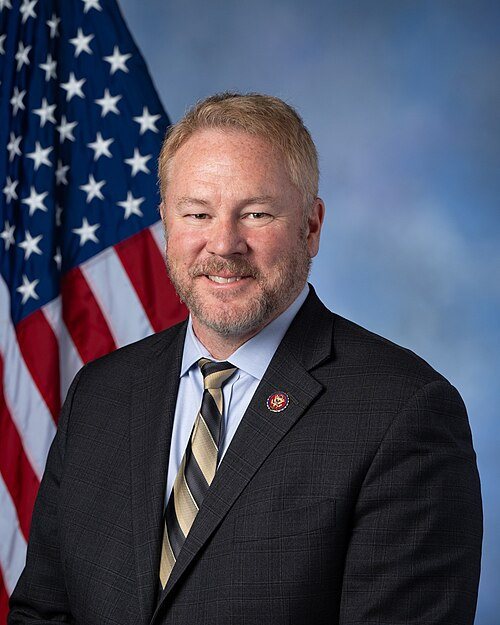
Sponsor
-
TrackNicholas Begich

Co-Sponsor
-
TrackStephanie I. Bice
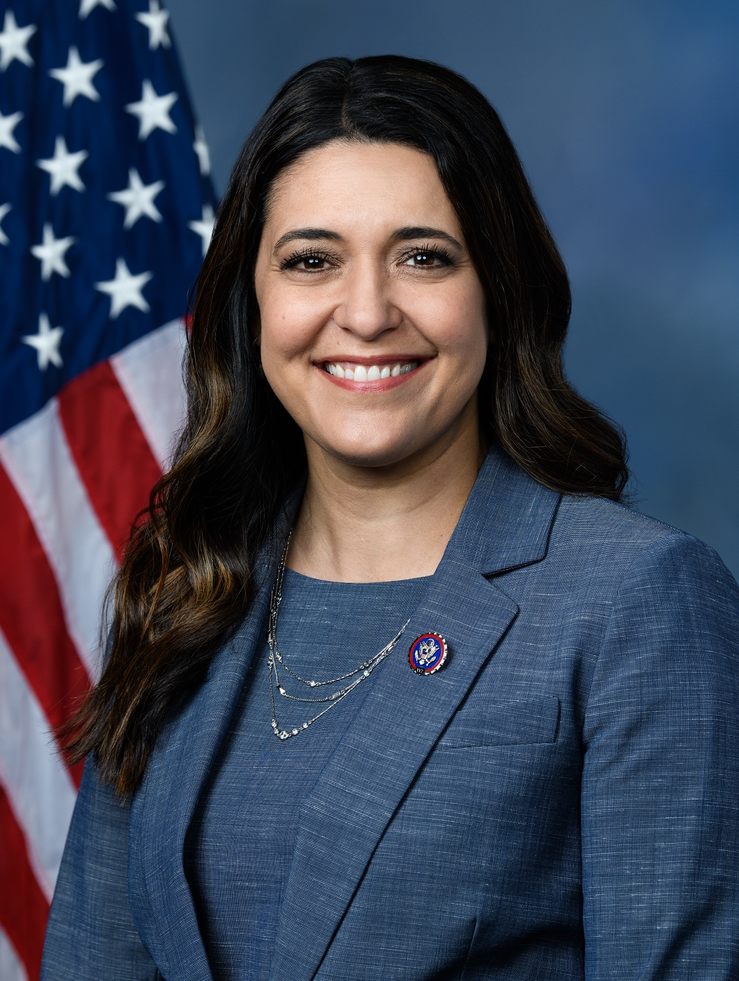
Co-Sponsor
-
TrackDonald G. Davis

Co-Sponsor
-
TrackBrandon Gill
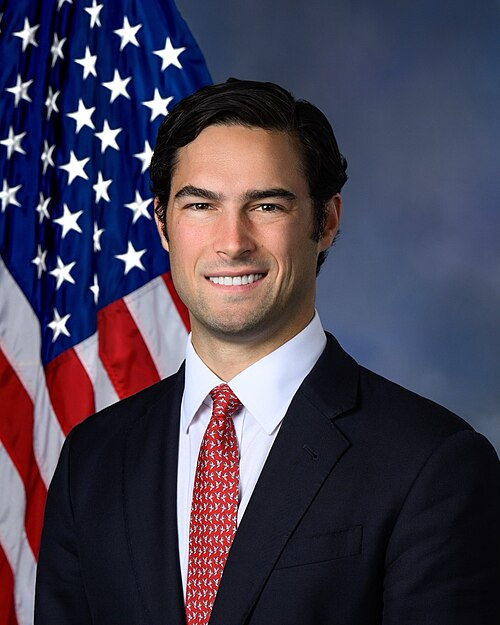
Co-Sponsor
-
TrackPat Harrigan

Co-Sponsor
-
TrackChrissy Houlahan
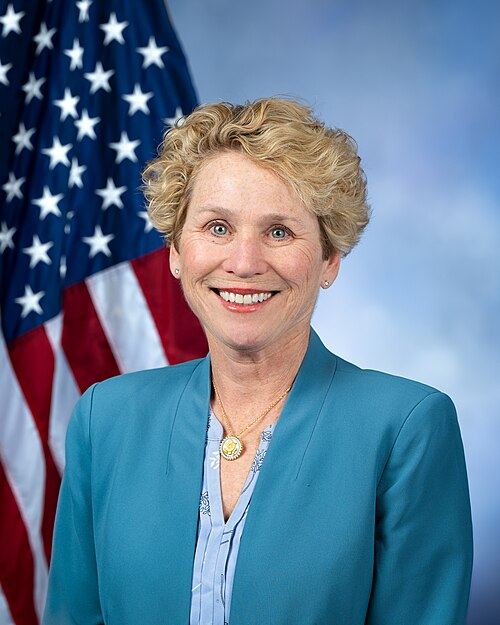
Co-Sponsor
-
TrackYoung Kim
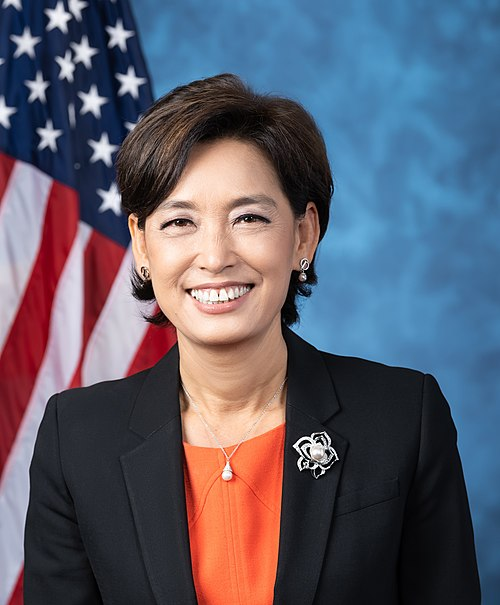
Co-Sponsor
-
TrackMichael Lawler
Co-Sponsor
-
TrackMichael T. McCaul
Co-Sponsor
-
TrackApril McClain Delaney
Co-Sponsor
-
TrackPete Sessions

Co-Sponsor
Actions
4 actions
| Date | Action |
|---|---|
| Apr. 22, 2026 | Committee Consideration and Mark-up Session Held |
| Apr. 22, 2026 | Ordered to be Reported in the Nature of a Substitute (Amended) by the Yeas and Nays: 30 - 14. |
| Dec. 11, 2025 | Introduced in House |
| Dec. 11, 2025 | Referred to the House Committee on Foreign Affairs. |
Corporate Lobbying
0 companies lobbying
None found.
* Note that there can be significant delays in lobbying disclosures, and our data may be incomplete.