H.R. 6593: Domestic Organic Investment Act of 2025
This bill, known as the Domestic Organic Investment Act of 2025, aims to support and enhance the domestic organic product supply chain in the United States. It seeks to amend the Agricultural Marketing Act of 1946 to establish a Domestic Organic Investment Program. Here are the primary components of the bill:
Program Establishment
The Secretary of Agriculture is tasked with establishing the Domestic Organic Investment Program. This program will focus on:
- Increasing the capacity of the supply chain for producers, handlers, suppliers, and processors of certified organic products.
- Modernizing manufacturing, tracking, storage, and information technology systems that are related to organic product production.
- Improving the ability of eligible entities to comply with market regulations and quality standards, particularly concerning food safety and organic certification.
- Expanding the storage, processing, aggregation, and distribution capacities for certified organic products to create better markets.
- Facilitating market development for organic products that are currently imported, helping domestically produced organic products gain a foothold.
- Addressing additional challenges within the organic product supply chain as determined by the Secretary.
Grants
The Secretary will provide grants to eligible entities to help them conduct activities that align with the program's goals. This includes:
- Financial assistance to support various projects related to the organic product supply chain.
- A simplified application process for equipment-only projects.
- Priority in grant applications based on trade imbalances, recommendations from the National Organic Standards Board, and the identification of supply chain bottlenecks.
Eligible Entities
Eligible entities for grant support include:
- Producers or cooperatives that create or handle certified organic products.
- Units of Tribal government involved in organic production.
- Other entities designated by the Secretary that meet specific criteria.
Project Types
Grants can be used for various project types related to the organic product supply chain, including:
- Capacity expansion for storage, including cold storage, processing, and distribution of organic products.
- Projects focused solely on equipment acquisitions.
Grant Details
Some specifics of the grant process include:
- Grants for storage and distribution capacity projects can go up to $2,000,000.
- Equipment-only project grants can reach up to $100,000.
- Entities receiving grants for capacity projects need to provide at least 50% of the project's cost in non-federal funds, and for equipment projects, at least 25%.
- There are provisions to lower or waive the matching funds requirement for beginning farmers and veterans.
Technical Assistance
The Secretary has the authority to provide technical support to eligible entities, either directly or through cooperative agreements, to help facilitate the program’s goals.
Funding Authorization
The bill authorizes the necessary appropriations for each fiscal year from 2026 through 2030 to support the implementation of the program.
Relevant Companies
- TSN (Tyson Foods) - As a major player in food production, Tyson Foods may be impacted by changes in the organic supply chain and increased competition from domestic producers.
- CPB (Campbell Soup Company) - Campbell may need to adapt to increased availability of domestic organic ingredients for their products.
- HAIN (Hain Celestial Group) - As a producer of organic and natural food products, Hain could benefit from improved domestic supply chains and grants that enhance capabilities.
This is an AI-generated summary of the bill text. There may be mistakes.
Sponsors
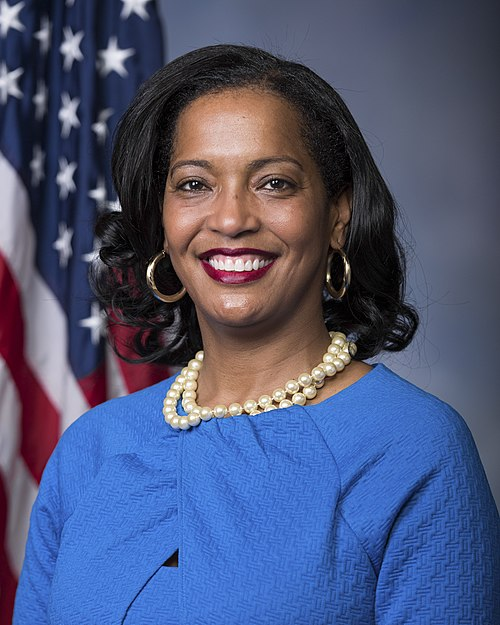
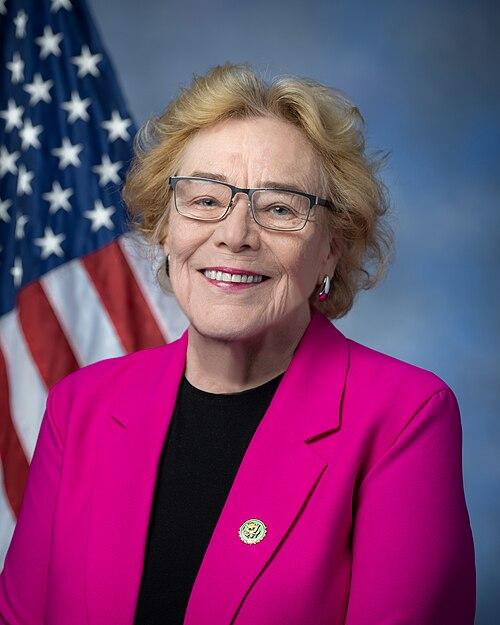
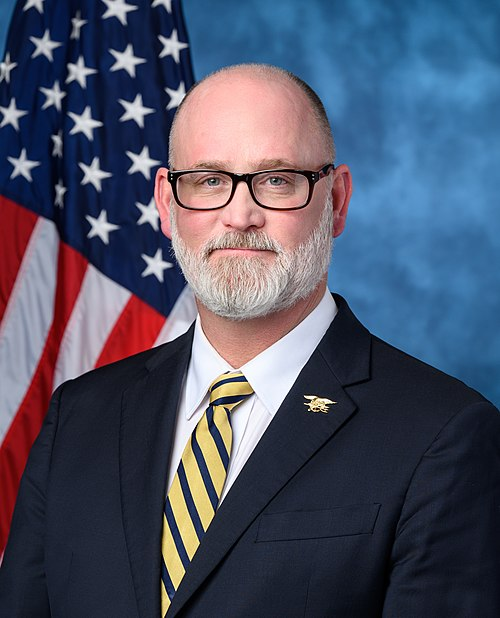
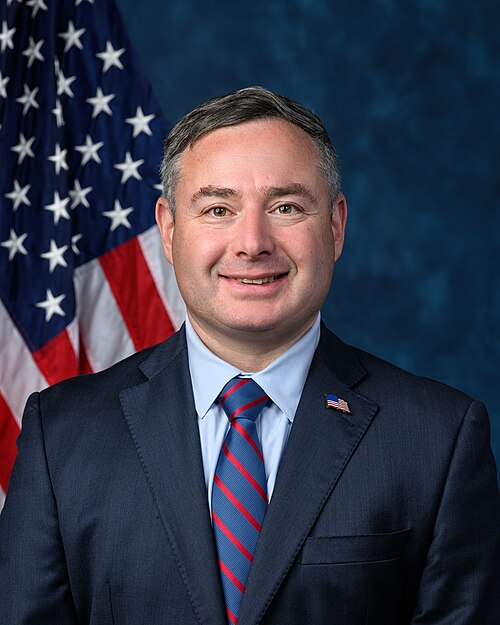
5 bill sponsors
Actions
4 actions
| Date | Action |
|---|---|
| Jan. 13, 2026 | Referred to the Subcommittee on Conservation, Research, and Biotechnology. |
| Jan. 13, 2026 | Referred to the Subcommittee on Nutrition and Foreign Agriculture. |
| Dec. 10, 2025 | Introduced in House |
| Dec. 10, 2025 | Referred to the House Committee on Agriculture. |
Corporate Lobbying
0 companies lobbying
None found.
* Note that there can be significant delays in lobbying disclosures, and our data may be incomplete.