H.R. 6583: VA Research Reform Act of 2025
The bill, known as the VA Research Reform Act of 2025, aims to enhance the research capabilities of the Department of Veterans Affairs (VA) by establishing a centralized research data system and reforming the research approval process. Below are the main components of the bill:
Establishment of Centralized VA Research Data System
The Secretary of Veterans Affairs is required to create a centralized research data system to:
- Collect and manage information on all research activities conducted by the VA.
- Include details on various research programs, such as biomedical, clinical, mental health, and health policy research.
The system must provide:
- Summaries of research objectives and design.
- Details on funding sources for each project.
- Information about the principal investigators and collaborators.
- Status updates on research progress.
- Results and outcomes of completed research.
The system will aim to improve oversight and coordination of VA research while protecting individual privacy as required by law.
Reforming Research Proposal Review and Approval Processes
The bill introduces a tiered review system based on the risk and impact of the research. This means:
- Research projects with minimal risk may go through an expedited review.
- Projects posing higher risks will require full reviews.
- Standardized timelines for approving research proposals will be implemented, which must be adhered to by all related VA facilities.
Implementation of High-Impact Research Findings
The Secretary will allocate certain funds specifically for the application of findings from research to enhance veterans' healthcare. This includes:
- Identifying crucial research outcomes that could significantly improve veteran care.
- Fund activities aimed at implementing these findings into practice.
Veteran Impact Forecast and Translation Plan
For major research projects, teams must include:
- A "veteran impact forecast" assessing potential benefits to veterans and healthcare improvements.
- A "translation plan" outlining how positive research outcomes will be implemented within the VA.
Creation of VA Regional Research Hubs
The bill calls for the establishment of regional research hubs to facilitate VA research across various locations. These hubs will:
- Coordinate multi-site research studies.
- Provide technical support and training for researchers.
- Assist in recruiting veteran participants for research studies.
Research Performance Metrics and Annual Report
A standardized set of performance metrics for VA research activities will be developed to assess productivity and impact. The Secretary is required to prepare an annual report detailing:
- Research performance metrics for each VA medical center.
- Reports on high-performing facilities and those needing improvement.
- Significant research achievements that have benefited veterans.
Improvement of Data Sharing for Research
The Secretary will work to enhance data sharing and collaboration between the VA and other federal agencies, ensuring that privacy and security standards are maintained.
Privacy and Security Protections
All data sharing activities will comply with federal privacy laws. The bill emphasizes the need for robust data protection measures when handling veterans' personal information.
Relevant Companies
- CSCO - Cisco could be involved in providing technology solutions for the centralized research data system.
- IBM - IBM might provide software and services related to data management and analysis for VA research initiatives.
- AMGN - Amgen could be affected through potential partnerships in VA clinical research programs, especially given its focus on healthcare innovation.
This is an AI-generated summary of the bill text. There may be mistakes.
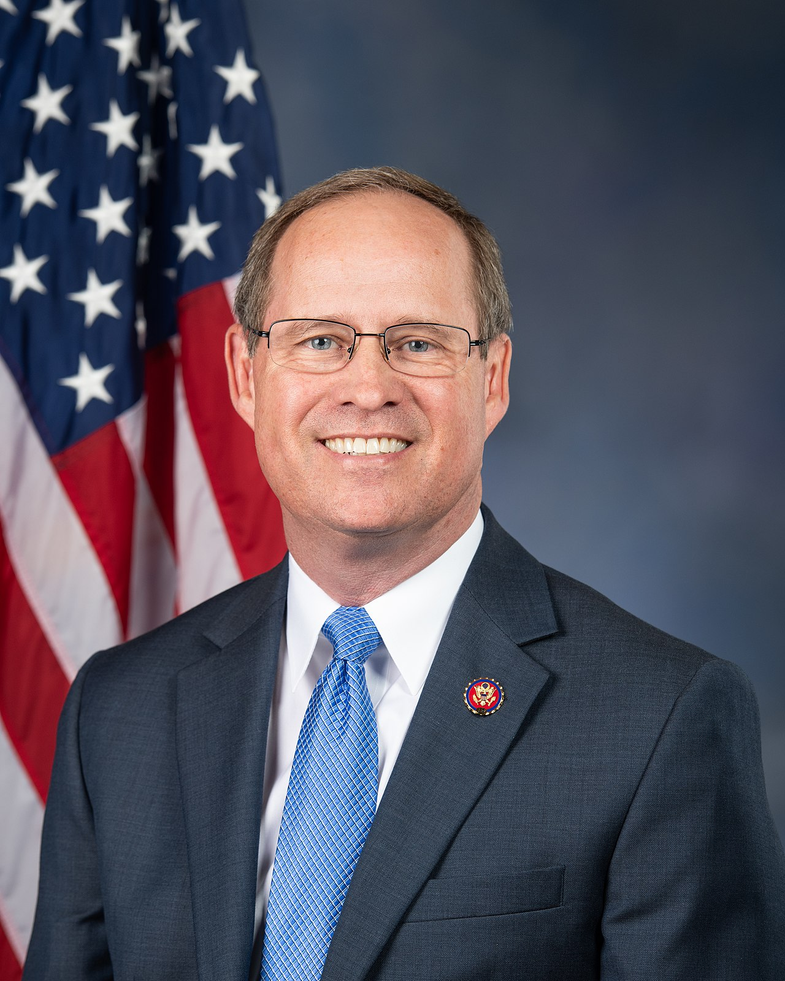
Sponsors
1 sponsor
Actions
4 actions
| Date | Action |
|---|---|
| May. 20, 2026 | Committee Hearings Held |
| Mar. 18, 2026 | Committee Hearings Held |
| Dec. 10, 2025 | Introduced in House |
| Dec. 10, 2025 | Referred to the House Committee on Veterans' Affairs. |
Corporate Lobbying
0 companies lobbying
None found.
* Note that there can be significant delays in lobbying disclosures, and our data may be incomplete.