H.R. 6430: Junk Fee Prevention Act
This bill, known as the Junk Fee Prevention Act, aims to reduce or eliminate unnecessary fees that consumers encounter when purchasing goods and services. The key provisions of the bill are as follows:
1. Disclosure of Fees
Covered entities, such as businesses selling goods or services, are required to:
- Declare the total price of a good or service upfront, including any mandatory fees, when first advertising or displaying a price.
- Ensure that any mandatory fees do not change from what was initially advertised.
- Avoid imposing excessive or misleading fees on consumers.
2. Ticketing Transparency
For services involving tickets (like events or performances), businesses must:
- Disclose the total number of tickets available for sale at least 72 hours before public sales begin.
- Clearly outline refund policies before the transaction is completed, ensuring consumers receive refunds that include all mandatory fees in case of a refund.
- If they don’t possess the ticket at the time of sale, they must inform the consumer and offer a full refund if the ticket cannot be delivered in time for the event.
3. Regulation of Fees by Federal Trade Commission (FTC)
The FTC will be empowered to make regulations regarding hidden or excessive fees, wherein factors like the fee's reasonableness and proportionality to the service are taken into account.
4. State Enforcement
States may take legal action against businesses that violate the bill's provisions. State attorneys general must notify the FTC of any actions they plan to take, and the FTC can intervene in these cases.
5. Communication Service Fees
For communication service providers:
- Early termination fees for services cannot be excessive or unreasonable.
- Upon termination, consumers must receive a prorated credit for the remaining billing period.
- Providers must clearly state full prices on bills and promotional materials, including when temporary promotional prices will end.
6. Airline Fees Reporting
Airlines will be required to report their revenue from ancillary fees quarterly. This report must detail the revenue and methods of collecting these fees. The data will be published to enhance transparency for consumers regarding costs associated with air travel.
Definitions and Scope
The bill defines "covered entities" to include:
- Providers of short-term lodging.
- Providers of ticketing services.
- Communications service providers.
It also clarifies what qualifies as "mandatory" and "deceptive" fees based on consumer expectations and transparency.
Relevant Companies
- AMZN - Amazon may face scrutiny regarding its fees for items and services offered on its platform.
- TWTR - Twitter's ad fees and service subscriptions may be impacted, requiring clearer disclosures.
- SQ - Square could see implications for its processing fees and costs associated with merchant services.
- UAL - United Airlines will need to comply with new reporting and transparency requirements for ancillary fees.
This is an AI-generated summary of the bill text. There may be mistakes.
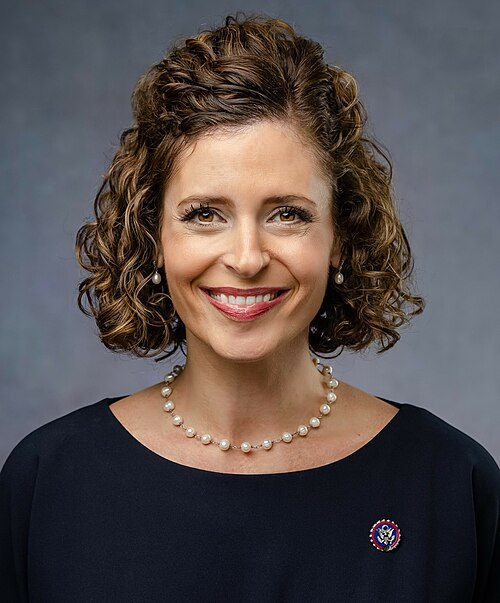
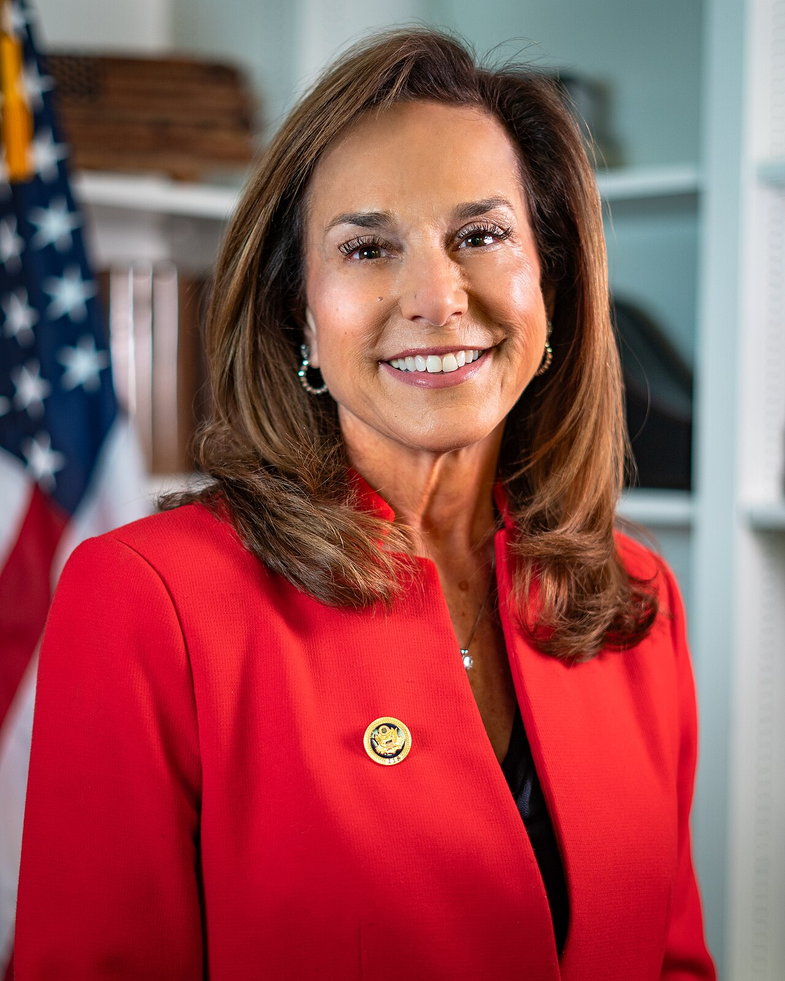
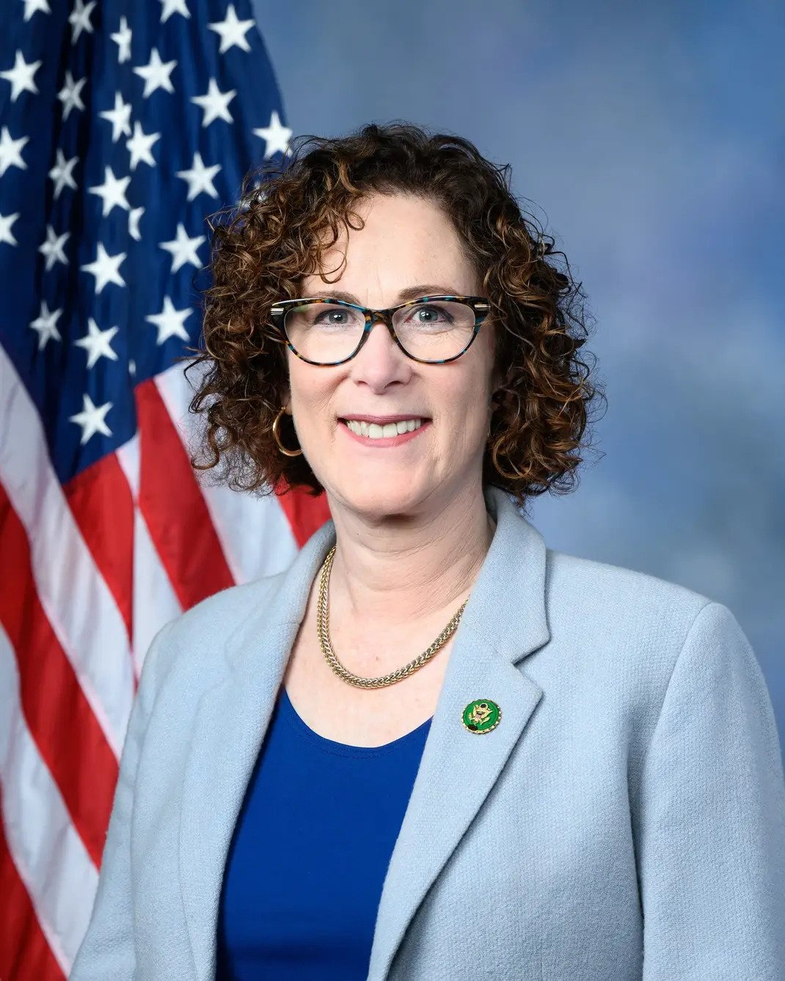
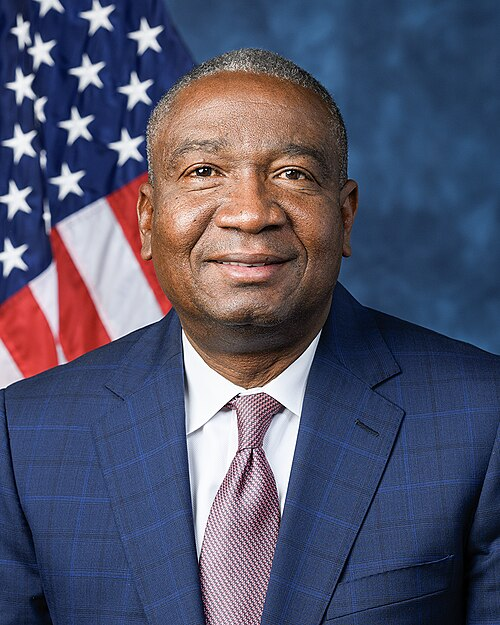
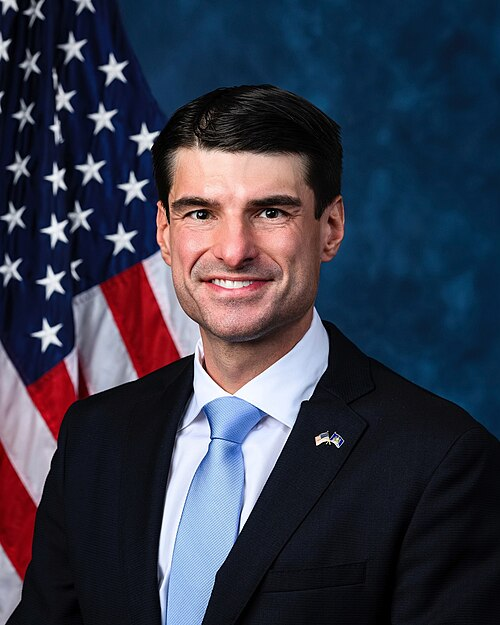
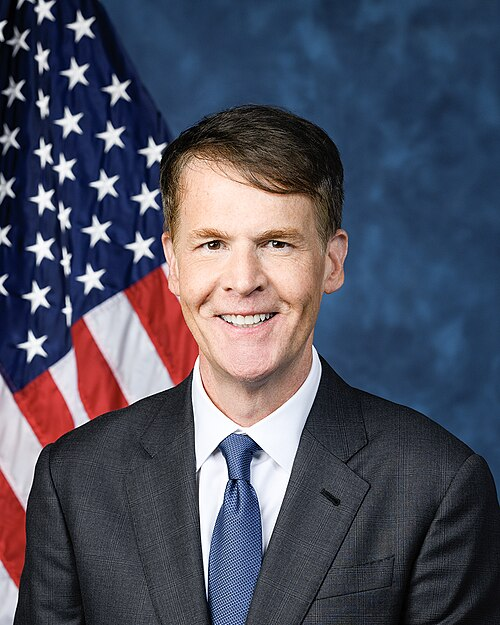
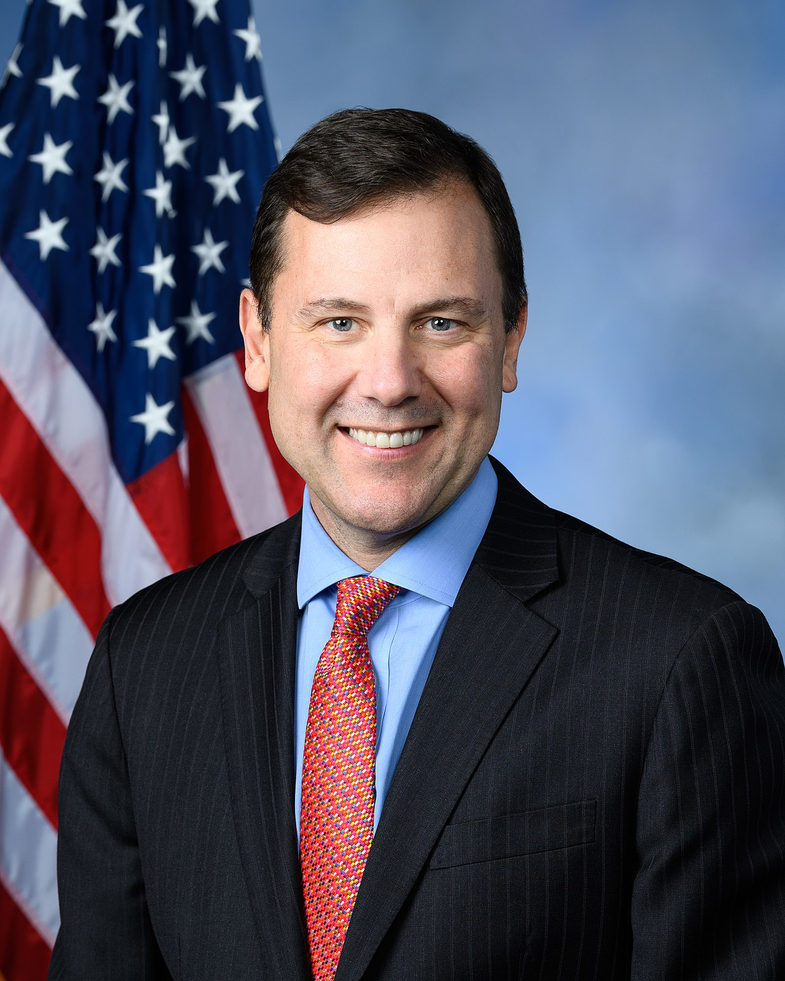
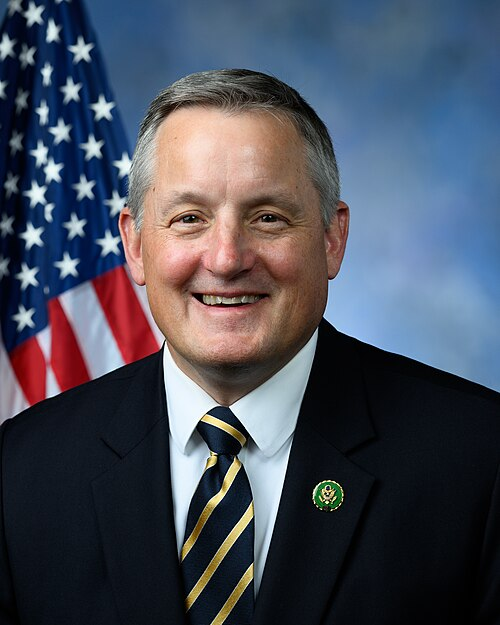
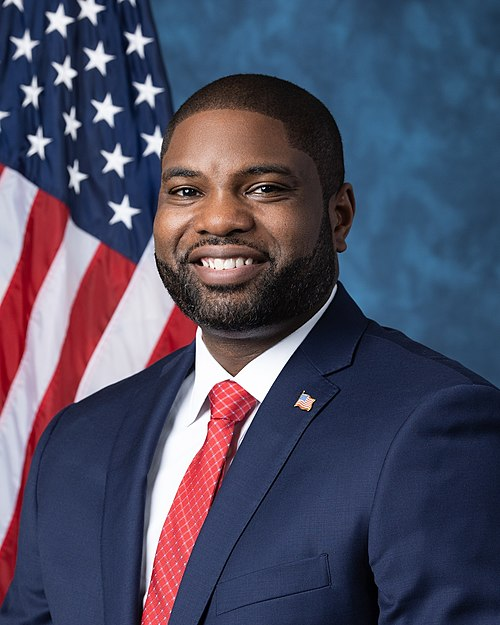
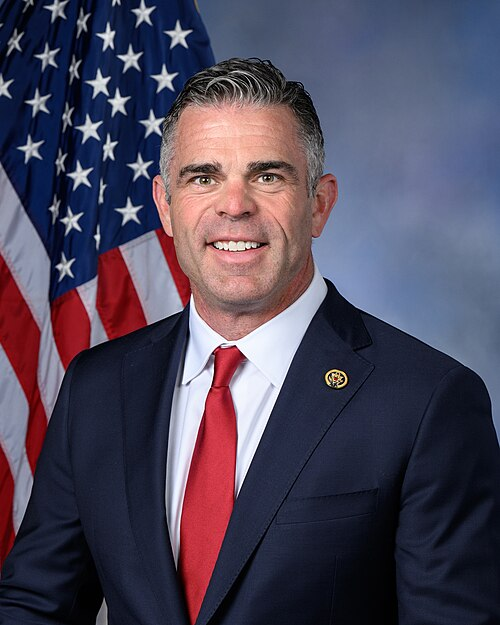
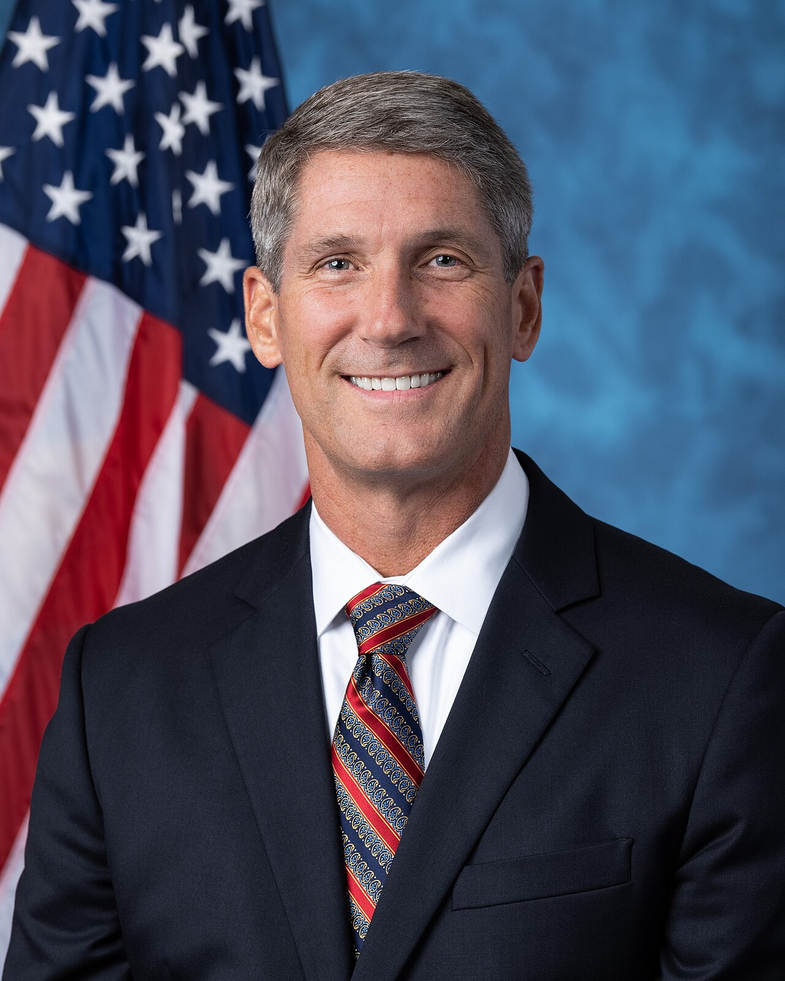
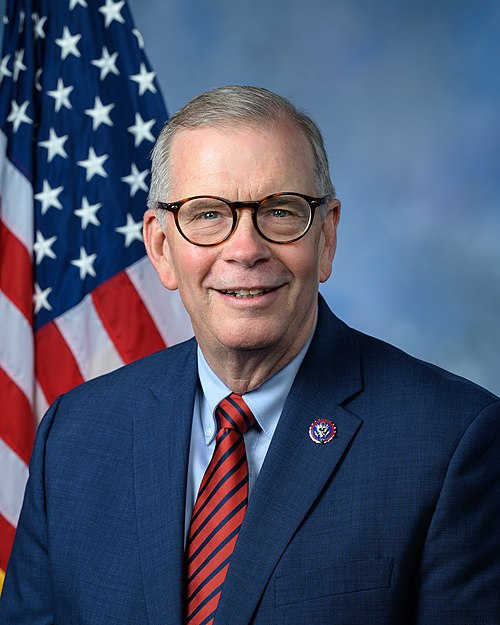
Sponsors
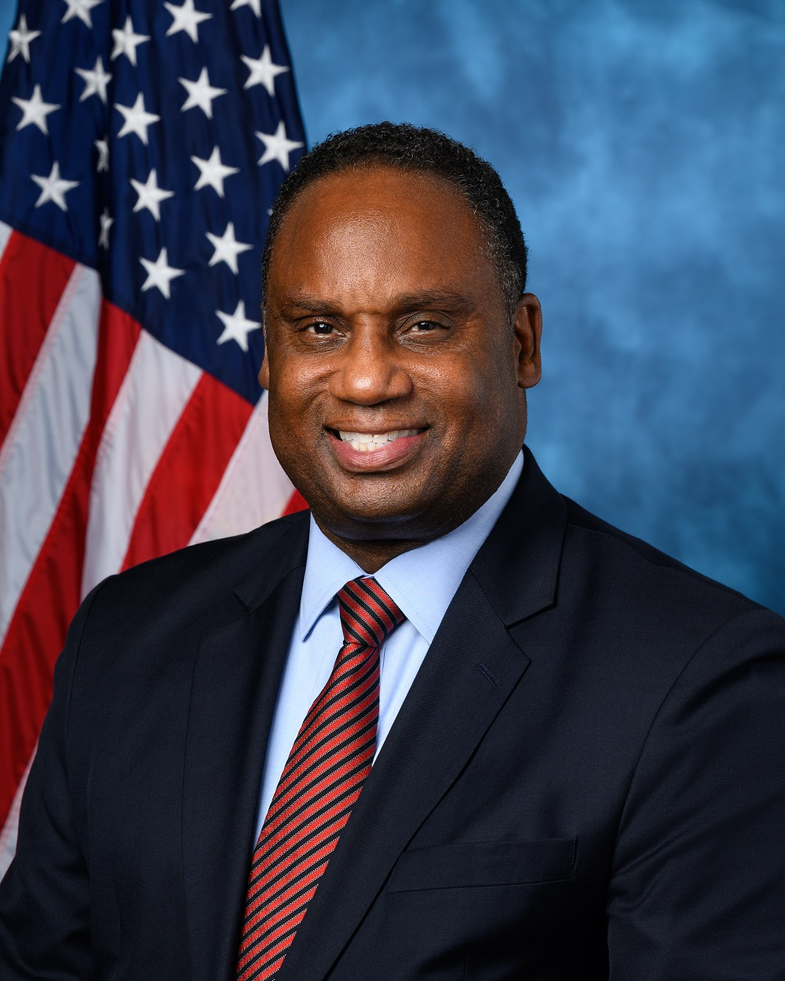
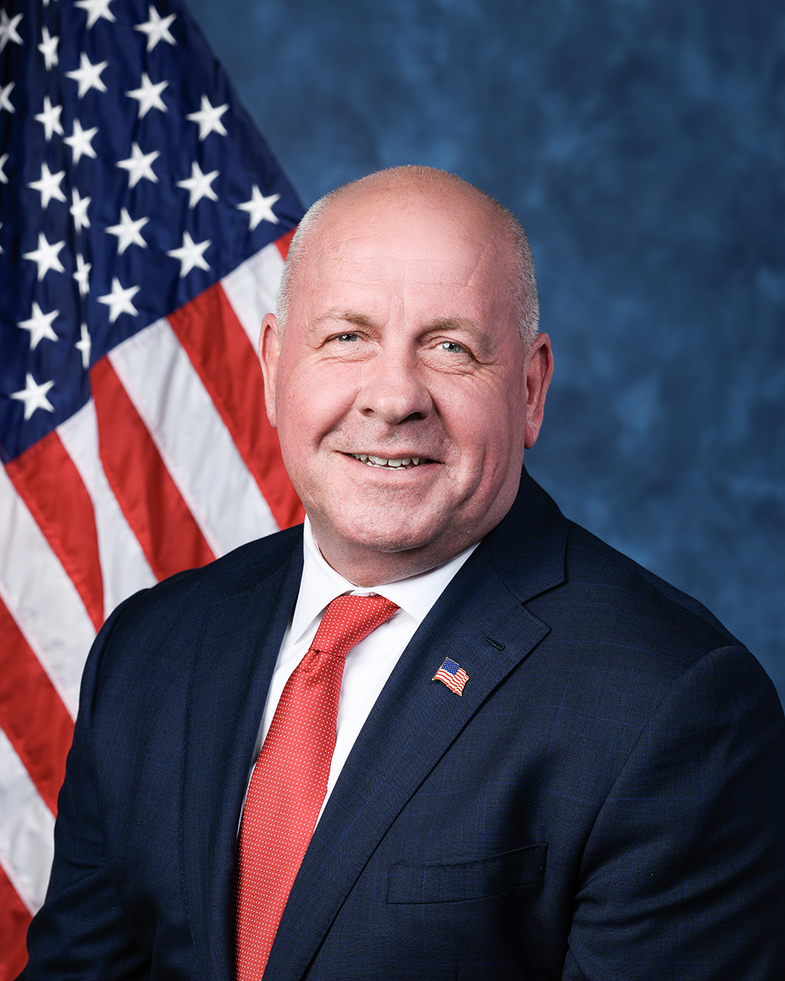
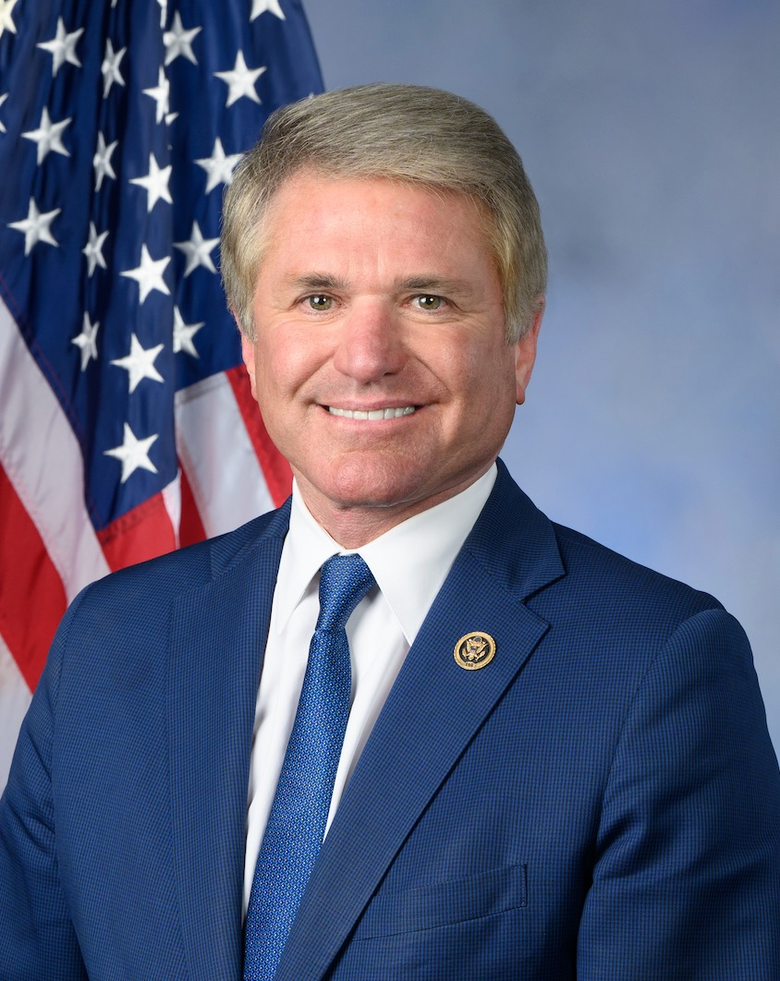
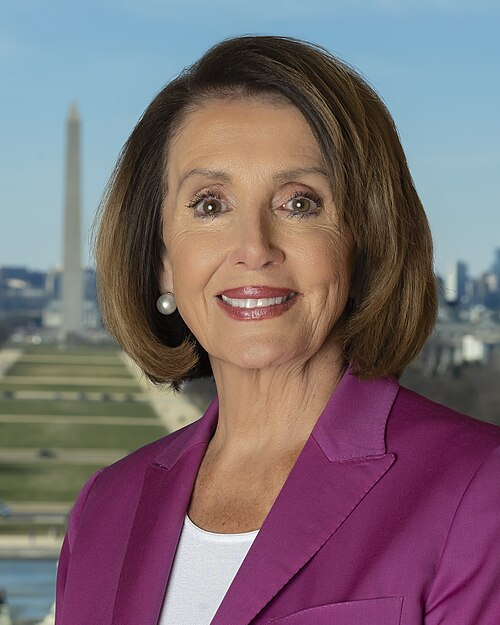
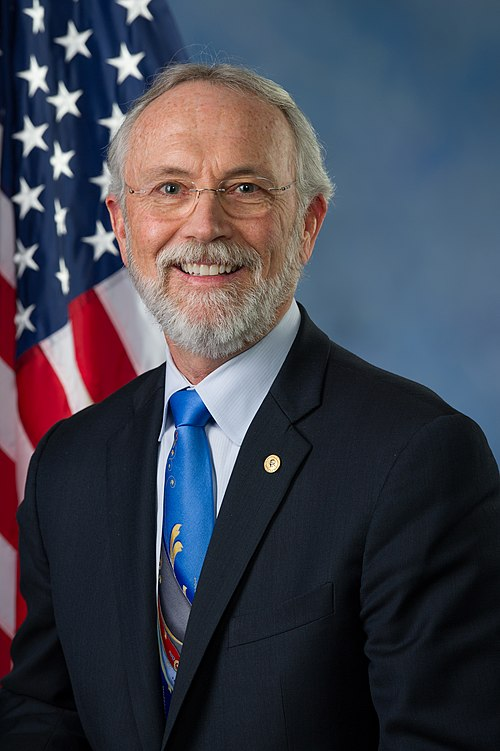
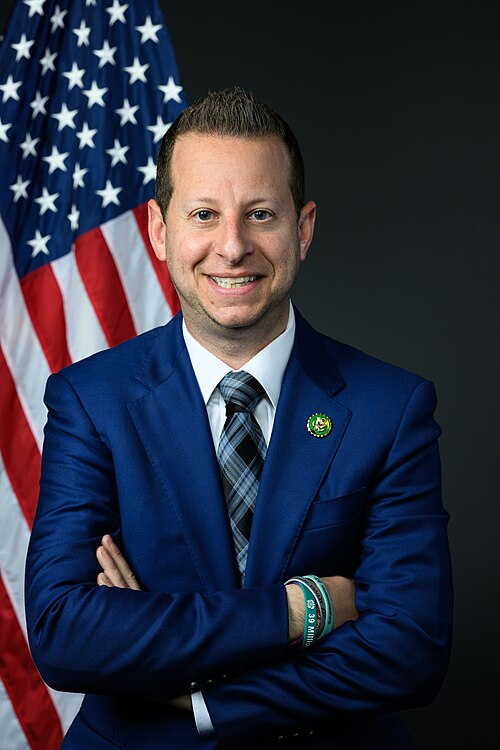
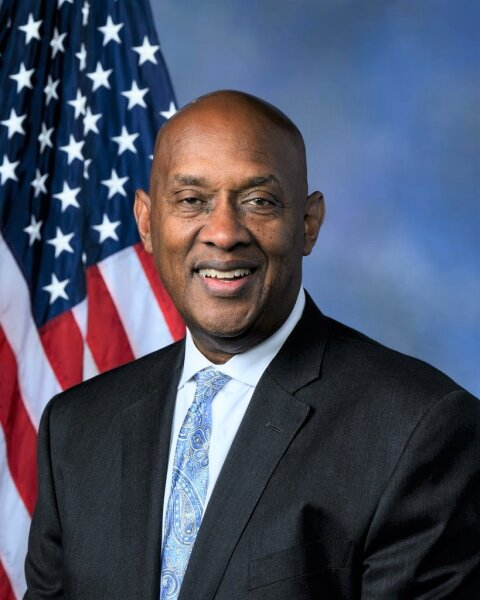
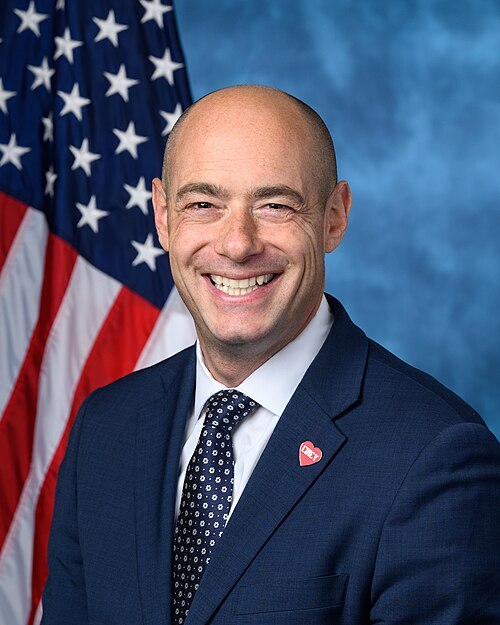
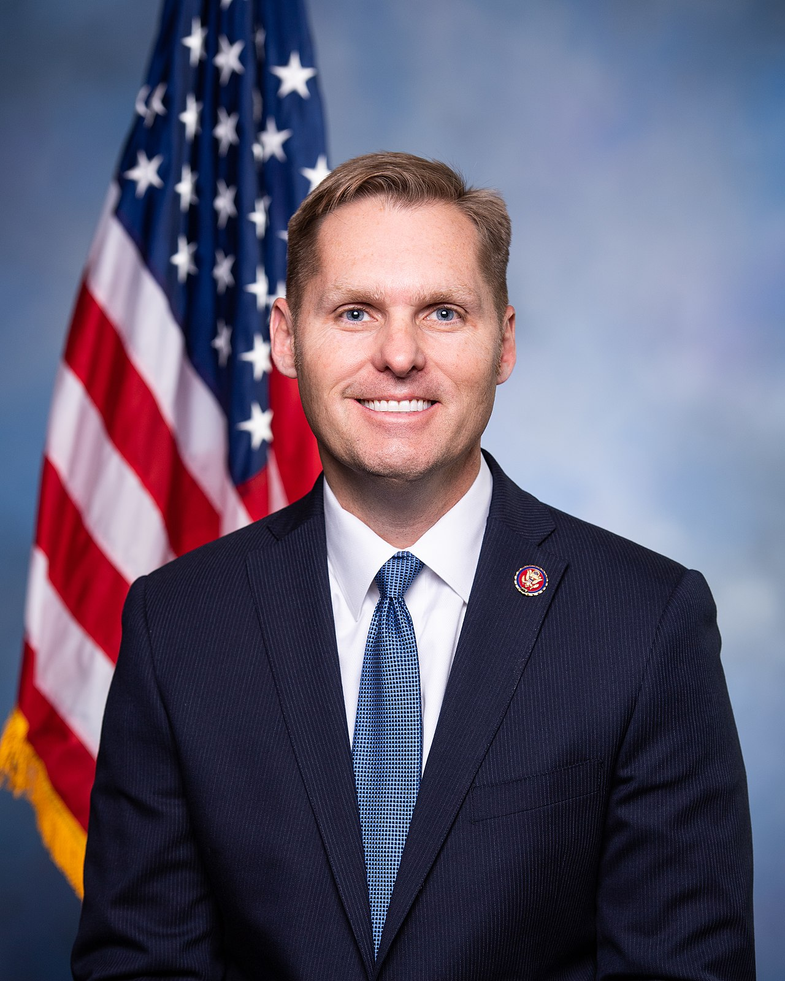
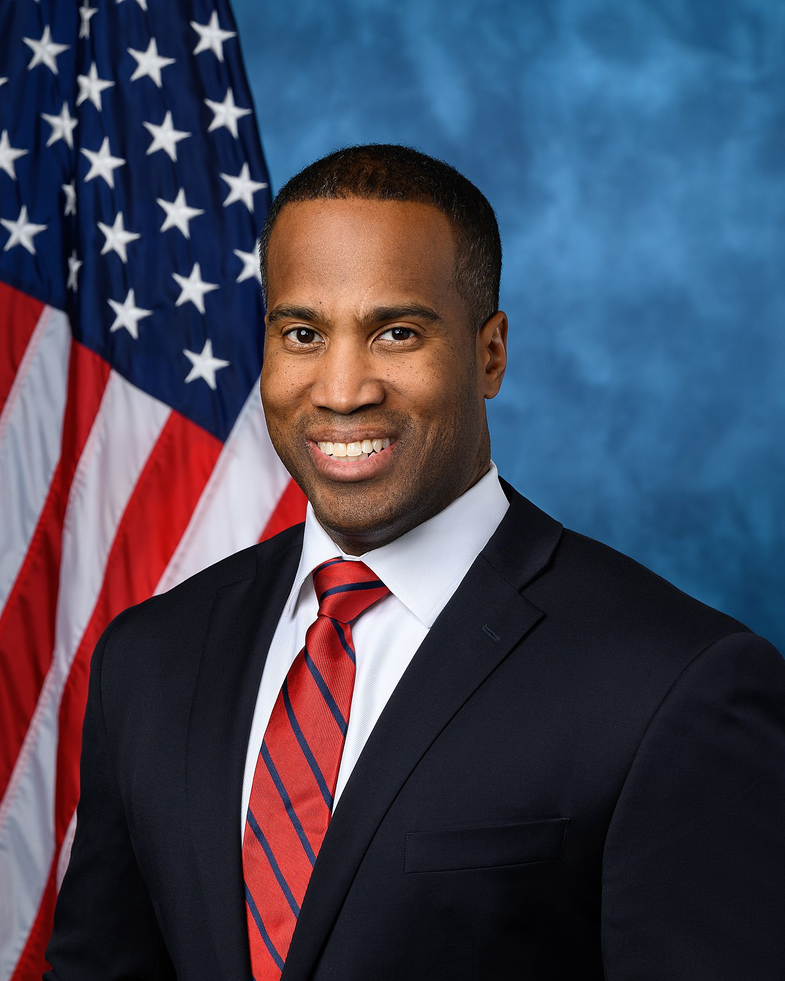
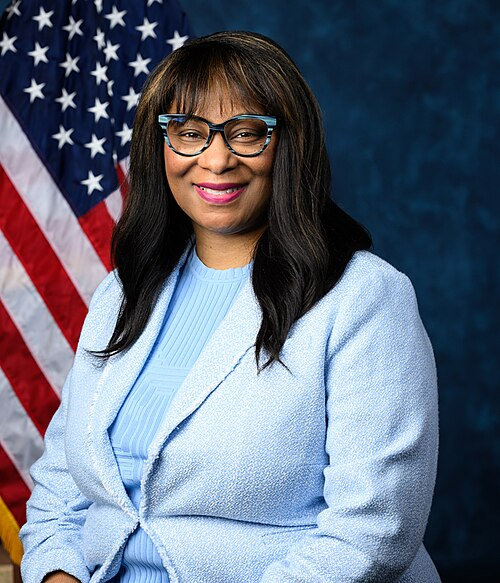
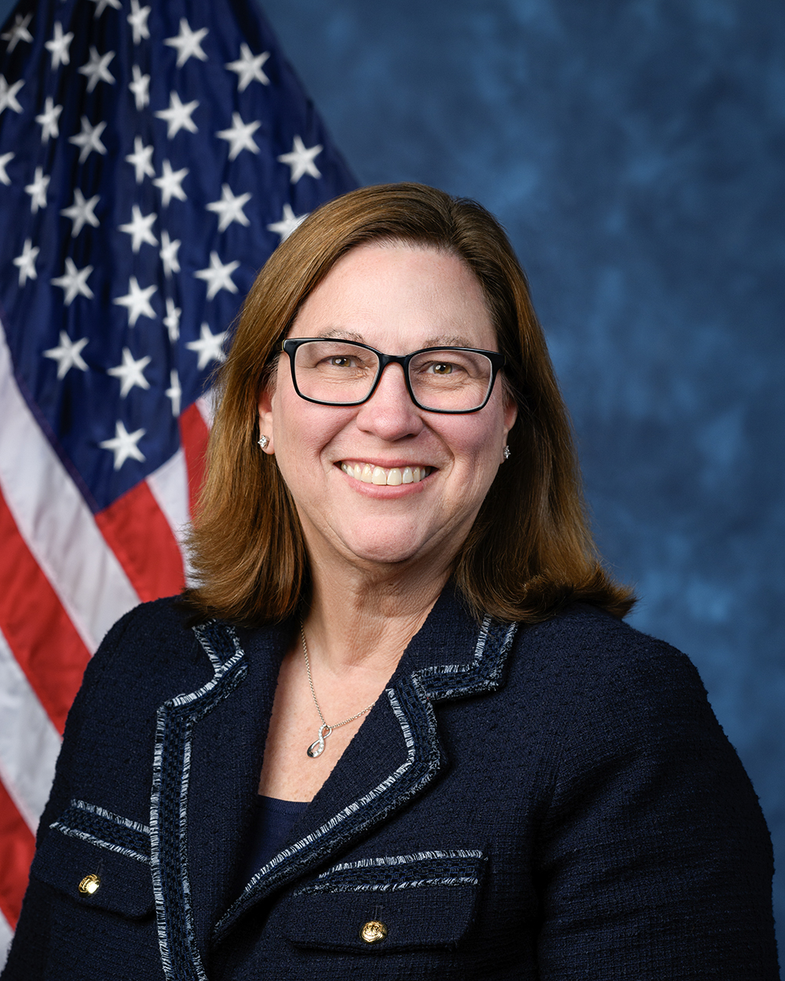
4 bill sponsors

Actions
2 actions
| Date | Action |
|---|---|
| Dec. 04, 2025 | Introduced in House |
| Dec. 04, 2025 | Referred to the Committee on Energy and Commerce, and in addition to the Committee on Transportation and Infrastructure, for a period to be subsequently determined by the Speaker, in each case for consideration of such provisions as fall within the jurisdiction of the committee concerned. |
Corporate Lobbying
0 companies lobbying
None found.
* Note that there can be significant delays in lobbying disclosures, and our data may be incomplete.