H.R. 6387: Fire Improvement and Reforming Exceptional Events Act
The Fire Improvement and Reforming Exceptional Events Act (FIRE Act) proposes changes to the Clean Air Act regarding how air quality monitoring data is handled, particularly in relation to exceptional events like wildfires. Here are the key aspects of the bill:
Definition of Exceptional Events
The bill seeks to redefine what constitutes an "exceptional event." An exceptional event could be:
- A natural event such as a wildfire.
- A human activity that aims to mimic a natural event.
- A human activity that is unlikely to happen again.
Certain events will not be classified as exceptional, including normal air stagnation, meteorological inversions, or air pollution from noncompliance with regulations.
Actions to Mitigate Wildfire Risk
The bill introduces the term "action to mitigate wildfire risk," which includes prescribed burns or similar measures, conducted according to state-approved practices, to help reduce the risk and severity of wildfires.
Revisions to Regulations
The bill requires the Environmental Protection Agency (EPA) to revise its regulations, specifically stating that these revisions should address both exceptional events and actions taken to mitigate wildfire risk.
Moreover, if multiple states are involved in a petition concerning an exceptional event or a wildfire mitigation action, the EPA will conduct regional analyses to support these petitions.
Transparency and Reporting
Under this bill, the EPA is mandated to establish a public website describing the status of all petitions submitted about exceptional events and wildfires. This website should be updated monthly after the act is enacted.
Criteria for Data Exclusion
The legislation stipulates that there must be a clear causal relationship between recorded air pollution levels and the events or actions that are classified as exceptional. States will be able to petition the EPA to exclude air quality monitoring data influenced by these events from certain regulatory determinations.
Implementation Timeline
Changes to regulations are expected to be implemented 18 months after the enactment of the FIRE Act.
Additional Provisions
The bill emphasizes the role of mitigation actions in managing wildfires and specifies that there must be procedures in place for states to petition the EPA regarding the handling of air quality data.
Relevant Companies
- PLNT (Planet Fitness)
This company could be impacted assuming that areas near their facilities experience significant wildfire activity that affects air quality, leading to potential operational constraints. - AEP (American Electric Power)
Utilities like AEP may face regulatory scrutiny regarding emissions during wildfire events or mitigation actions.
This is an AI-generated summary of the bill text. There may be mistakes.
Sponsors
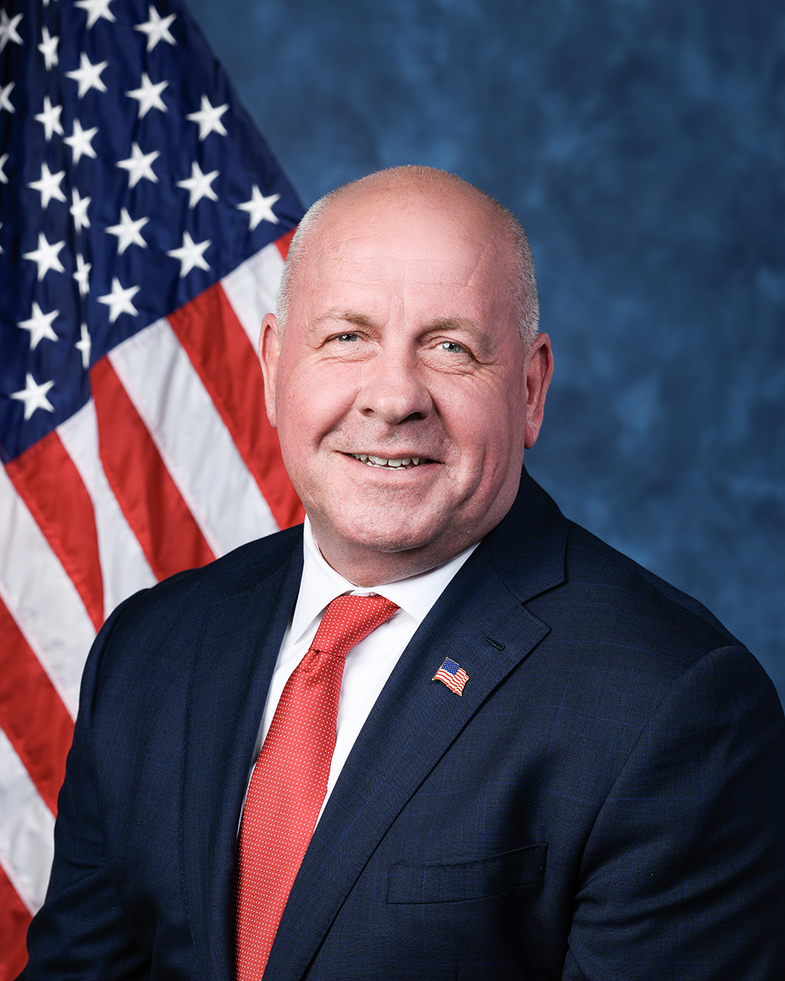
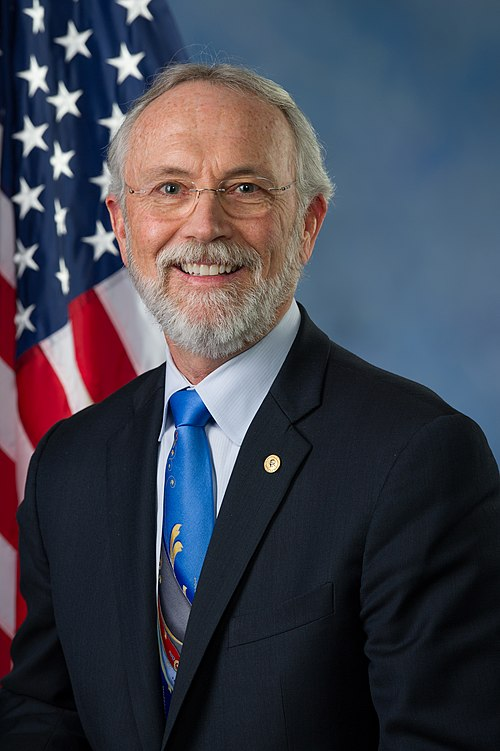
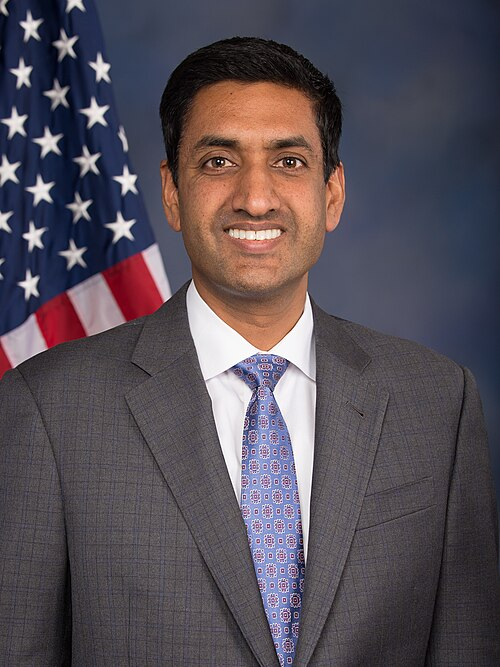
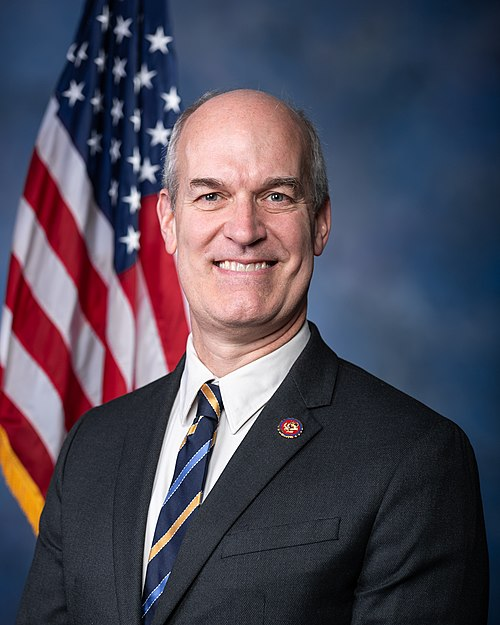
4 bill sponsors

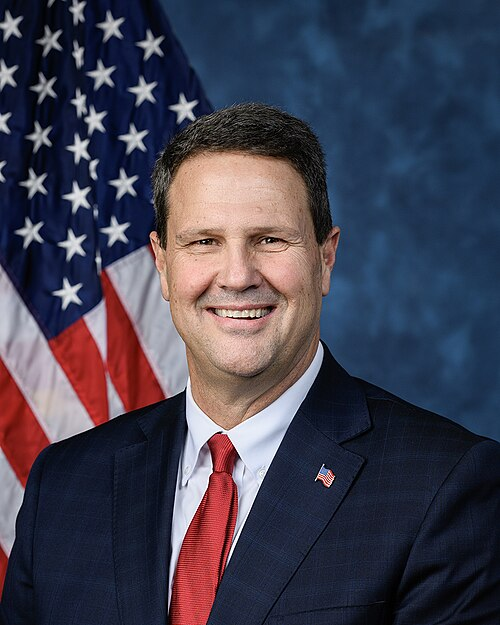
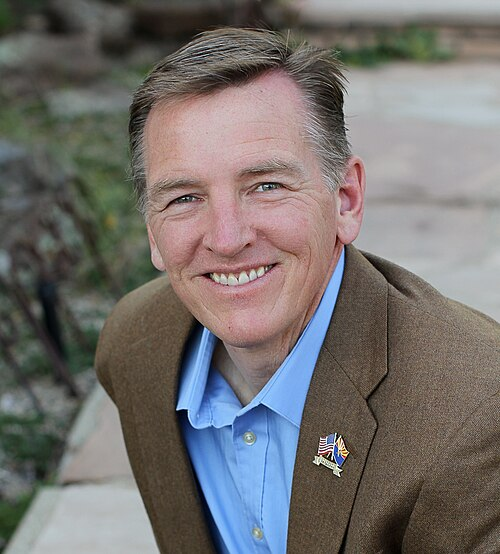
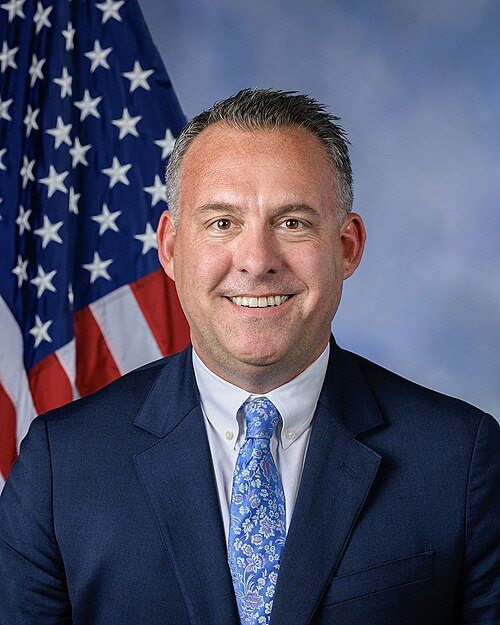
Actions
23 actions
| Date | Action |
|---|---|
| Apr. 27, 2026 | Received in the Senate and Read twice and referred to the Committee on Environment and Public Works. |
| Apr. 22, 2026 | Considered as unfinished business. (consideration: CR H3064-3065) |
| Apr. 22, 2026 | Motion to reconsider laid on the table Agreed to without objection. |
| Apr. 22, 2026 | On motion to recommit Failed by the Yeas and Nays: 206 - 214 (Roll no. 135). |
| Apr. 22, 2026 | On passage Passed by the Yeas and Nays: 220 - 198 (Roll no. 136). (text: CR 4/21/2026 H3013) |
| Apr. 22, 2026 | Passed/agreed to in House: On passage Passed by the Yeas and Nays: 220 - 198 (Roll no. 136). (text: CR 4/21/2026 H3013) |
| Apr. 21, 2026 | Considered under the provisions of rule H. Res. 1174. (consideration: CR H3013-3019; text: CR H3013) |
| Apr. 21, 2026 | DEBATE - The House proceeded with one hour of debate on H.R. 6387. |
| Apr. 21, 2026 | Ms. Dexter moved to recommit to the Committee on Energy and Commerce. (CR H3019) |
| Apr. 21, 2026 | POSTPONED PROCEEDINGS - At the conclusion of debate on H.R. 6387, the Chair put the question on the motion to recommit and by voice vote, announced that the noes had prevailed. Ms. Dexter demanded the yeas and nays and the Chair postponed further proceedings until a time to be announced. |
| Apr. 21, 2026 | Rule provides for consideration of H.R. 6387, H.R. 6398, H.R. 6409 and H. Res. 1156. The resolution provides for consideration of each measure under a closed rule with one hour of general debate on each measure. The resolution also provides one motion to recommit on H.R. 6387, H.R. 6398, and H.R. 6409. |
| Apr. 21, 2026 | The previous question on the motion to recommit was ordered pursuant to clause 2(b) of rule XIX. |
| Apr. 21, 2026 | The previous question was ordered pursuant to the rule. |
| Apr. 15, 2026 | Rules Committee Resolution H. Res. 1174 Reported to House. Rule provides for consideration of H.R. 6387, H.R. 6398, H.R. 6409 and H. Res. 1156. The resolution provides for consideration of each measure under a closed rule with one hour of general debate on each measure. The resolution also provides one motion to recommit on H.R. 6387, H.R. 6398, and H.R. 6409. |
| Apr. 09, 2026 | Placed on the Union Calendar, Calendar No. 515. |
| Apr. 09, 2026 | Reported by the Committee on Energy and Commerce. H. Rept. 119-595. |
| Jan. 21, 2026 | Committee Consideration and Mark-up Session Held |
| Jan. 21, 2026 | Ordered to be Reported by the Yeas and Nays: 27 - 23. |
| Dec. 10, 2025 | Forwarded by Subcommittee to Full Committee by the Yeas and Nays: 13 - 10. |
| Dec. 10, 2025 | Subcommittee Consideration and Mark-up Session Held |
| Dec. 03, 2025 | Introduced in House |
| Dec. 03, 2025 | Referred to the House Committee on Energy and Commerce. |
| Dec. 03, 2025 | Referred to the Subcommittee on Environment. |