H.R. 6373: Air Permitting Improvements to Protect National Security Act of 2025
The Air Permitting Improvements to Protect National Security Act of 2025 proposes amendments to the Clean Air Act with the goal of supporting advanced manufacturing and critical mineral facilities in the United States. Here are the key components of the bill:
National Security Waiver
Under this bill, the President has the authority to waive certain air pollution offset requirements for new or modified advanced manufacturing or critical mineral facilities. This waiver can be granted if it is deemed to be in the national security interests of the country. The President cannot delegate this decision to anyone else.
Permitting Flexibility for Emissions
The bill introduces provisions that allow advanced manufacturing and critical mineral facilities greater flexibility in managing their air emissions. Here’s how it works:
- Facilities must demonstrate that they have made all reasonable efforts to use all available offsets for any emissions that exceed allowed levels.
- If offsets are not available, the facility can comply with an alternative measure imposed by the state permitting authority. This could involve using other methods to offset emissions.
- If no alternative measures are implemented, the state can impose an emissions fee, which must be capped at 1.5 times the average cost of emissions control measures in that area over the past three years.
Definitions of Key Terms
- Advanced Manufacturing Facility: A facility primarily focused on the manufacturing of semiconductors or semiconductor manufacturing equipment.
- Critical Mineral Facility: A facility dedicated to the extraction, processing, refining, or milling of critical minerals as designated by the Secretary of the Interior.
The intent of this legislation is to enhance the production capabilities of essential manufacturing sectors while considering environmental regulations and national security needs.
Relevant Companies
- INTC - Intel Corporation: As a major manufacturer of semiconductors, Intel could benefit from the ability to waive emissions requirements, facilitating quicker expansions or modifications of production facilities.
- TSM - Taiwan Semiconductor Manufacturing Company: Being a leader in semiconductor manufacturing, TSM may also be impacted similarly to Intel, especially regarding U.S.-based operations.
- LAC - Lithium Americas Corp: This company focuses on critical minerals, specifically lithium mining and processing, potentially benefiting from the proposed regulatory flexibility.
This is an AI-generated summary of the bill text. There may be mistakes.
Sponsors
12 bill sponsors
-
TrackGary J. Palmer
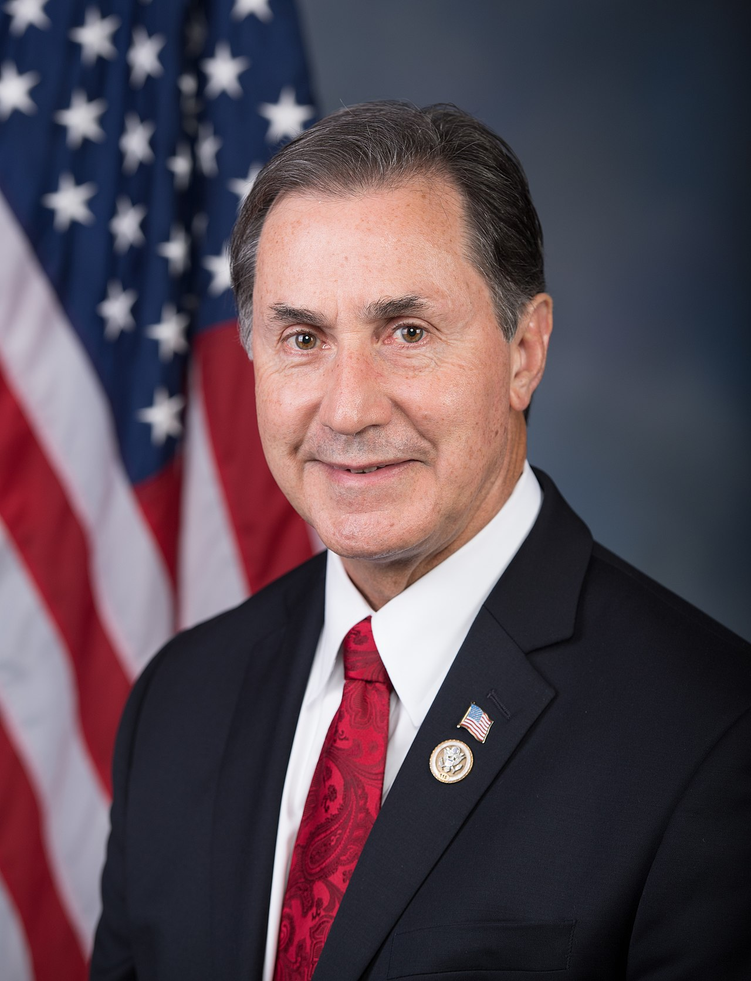
Sponsor
-
TrackRick W. Allen

Co-Sponsor
-
TrackEarl L. "Buddy" Carter

Co-Sponsor
-
TrackDan Crenshaw

Co-Sponsor
-
TrackJulie Fedorchak

Co-Sponsor
-
TrackCraig Goldman
Co-Sponsor
-
TrackYoung Kim

Co-Sponsor
-
TrackNicholas A. Langworthy
Co-Sponsor
-
TrackJohn R. Moolenaar

Co-Sponsor
-
TrackBarry Moore
Co-Sponsor
-
TrackRobert Onder
Co-Sponsor
-
TrackRandy K. Weber, Sr.
Co-Sponsor
Actions
6 actions
| Date | Action |
|---|---|
| Apr. 28, 2026 | Placed on the Union Calendar, Calendar No. 544. |
| Apr. 28, 2026 | Reported by the Committee on Energy and Commerce. H. Rept. 119-627. |
| Jan. 21, 2026 | Committee Consideration and Mark-up Session Held |
| Jan. 21, 2026 | Ordered to be Reported by the Yeas and Nays: 25 - 23. |
| Dec. 03, 2025 | Introduced in House |
| Dec. 03, 2025 | Referred to the House Committee on Energy and Commerce. |
Corporate Lobbying
0 companies lobbying
None found.
* Note that there can be significant delays in lobbying disclosures, and our data may be incomplete.