H.R. 6352: Curtailing Litigation Excess and Abuse Reform Act of 2025
This bill, known as the Curtailing Litigation Excess and Abuse Reform Act of 2025 (CLEAR Act), aims to limit the ability to bring multiple lawsuits related to energy projects. Here’s a breakdown of its key provisions:
Definitions
- Authorization: This refers to any required licenses, permits, approvals, or decisions made by federal or state agencies to allow the construction or operation of energy projects.
- Energy Project: Includes projects for generating, transmitting, or storing electricity, as well as those involved in fossil fuel production, transportation, and the extraction of critical minerals needed for energy production.
- Legal Action: Refers to any lawsuit filed in federal or state court concerning the authorizations for an energy project, except for cases involving eminent domain claims by landowners.
Preclusion of Repeat Litigation
The bill establishes that once a legal action involving an energy project has been finally decided in court, no further legal actions regarding that project can be initiated in any federal or state court, regardless of different parties involved or the specifics of the legal claims. Courts would lose jurisdiction over such subsequent actions.
Judicial Review
Courts may only review whether federal agencies complied with procedural requirements for issuing authorizations by determining if the agency acted with substantial discretion. If a court finds that an agency did not comply, it can remand the case back to the agency, but only with specific instructions to fix the issue within a set timeframe.
Limitations on Legal Actions
- Legal actions must be filed within 150 days of a final agency action being made public.
- If there was a public comment period for the authorization, only those who submitted substantive and unique comments can file related legal actions, and those actions must address issues raised in those comments.
Exceptions
The bill allows for judicial review of actions alleging operational violations of law that occur after the project's completion, as well as enforcement actions brought by federal or state authorities.
Impact
This legislation aims to streamline the regulatory process for energy projects by reducing the number of lawsuits that can delay or disrupt their development. By limiting legal actions post-final adjudication, the bill seeks to bring more certainty to the authorization process for energy projects.
Relevant Companies
- XOM (Exxon Mobil Corporation): As a major player in oil and gas production, Exxon could be impacted by potential limitations on lawsuits affecting its energy projects.
- CVX (Chevron Corporation): Similar to Exxon, Chevron's projects may face fewer legal challenges, affecting project timelines and operations.
- NEE (NextEra Energy, Inc.): A leader in renewable energy, NextEra's project developments might benefit from reduced litigation risk.
This is an AI-generated summary of the bill text. There may be mistakes.
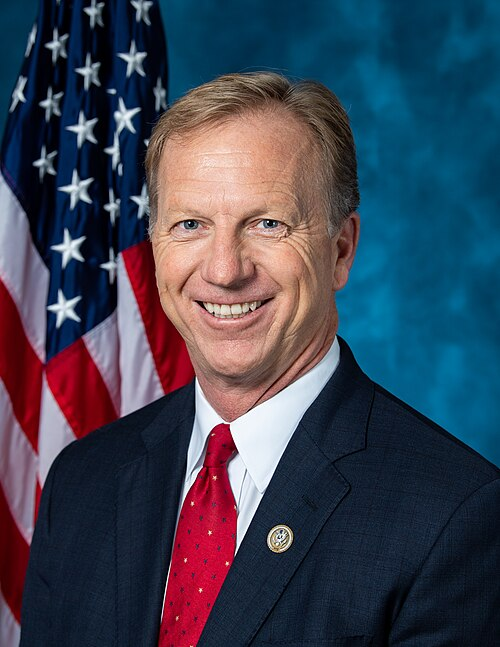
Sponsors
1 sponsor
Actions
2 actions
| Date | Action |
|---|---|
| Dec. 02, 2025 | Introduced in House |
| Dec. 02, 2025 | Referred to the House Committee on the Judiciary. |
Corporate Lobbying
0 companies lobbying
None found.
* Note that there can be significant delays in lobbying disclosures, and our data may be incomplete.