H.R. 6341: Partnerships for Agricultural Climate Action Act
The Partnerships for Agricultural Climate Action Act aims to assist agricultural entities in developing and implementing strategies to adapt to and mitigate climate change effects on agricultural land. Below are key aspects of the bill:
Grant Provision
The bill directs the Secretary of Agriculture to provide grants to various entities that are involved in agriculture, including:
- State departments of agriculture
- Tribal Governments
- Agricultural producer associations
- Farmer cooperatives
- Institutions of higher education
- Conservation commissions
Definitions of Key Terms
Key concepts related to the bill include:
- Climate Adaptation: Changes in agricultural management to lessen vulnerability to climate challenges and improve resilience.
- Climate Mitigation: Actions taken to reduce greenhouse gas emissions and enhance carbon storage in soil and vegetation.
- Eligible Proposal: Projects aimed at climate adaptation or mitigation, aligning with national action plans and conservation practices.
Application Process
Entities wishing to receive grants must apply by providing necessary information to the Secretary. Applications can be submitted individually or in partnership with other entities, particularly for those projects that require collaboration with Tribal Governments.
Evaluation Criteria
The Secretary will evaluate grant applications based on:
- Potential for carbon sequestration and greenhouse gas reductions
- Capacity to enhance resilience against climate impacts
- Inclusion of historically underserved producers in the farming community, such as beginning farmers, socially disadvantaged farmers, and veteran farmers
- Use of traditional ecological knowledge or indigenous agricultural practices
Funding Requirements
The bill allocates $150 million annually from 2026 through 2034 for this program, specifying how funds should be distributed:
- At least 33% for developing or modifying proposals
- At least 33% for implementing proposals
- A minimum of 33% reserved for grants to Tribal Governments
Grant Size and Duration
Grants can be substantial, with amounts up to:
- $7.5 million for developing proposals per fiscal year
- $15 million for implementing proposals per fiscal year
Grant terms for development vary from 1 to 2 years, while implementation grants can last from 1 to 5 years, with possible renewals based on performance and outcomes.
Performance Measures
Grant recipients must implement performance measures to evaluate the success of their projects and will be required to submit progress reports periodically.
Administrative Limits
The Secretary is limited to using only 3% of the grant funds for administrative costs, while recipients can use up to 10-15% depending on whether they are Tribal Governments or other entities.
Impact of Noncompliance
Should a recipient fail to comply with grant regulations, they may be disqualified from future grants for a specific period.
Relevant Companies
- DOW - Dow has a significant interest in agricultural chemical production and may benefit from initiatives that enhance sustainable agricultural practices.
- Chemours Company (CHEM) - As a company that produces agricultural and industrial chemicals, Chemours could be directly impacted by shifts in agricultural practices resulting from innovation funded by the proposed grants.
- Monsanto (MON) - Specializing in agricultural biotechnology, Monsanto may see opportunities to implement new agricultural practices supported by this legislation.
This is an AI-generated summary of the bill text. There may be mistakes.
Sponsors
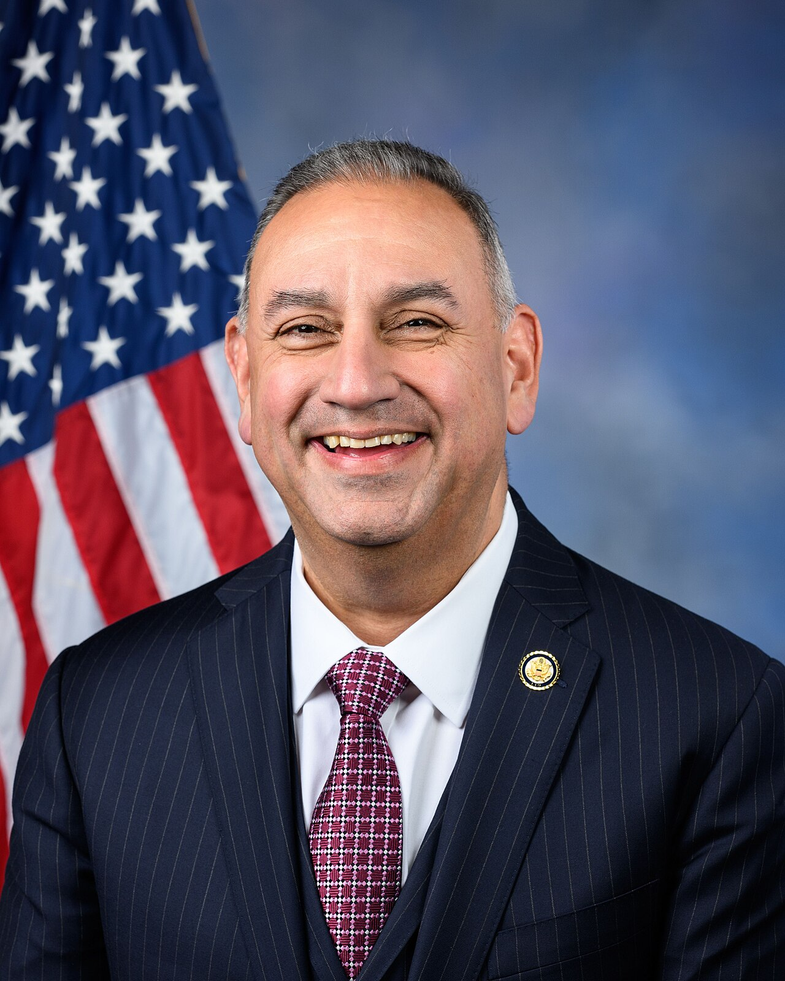
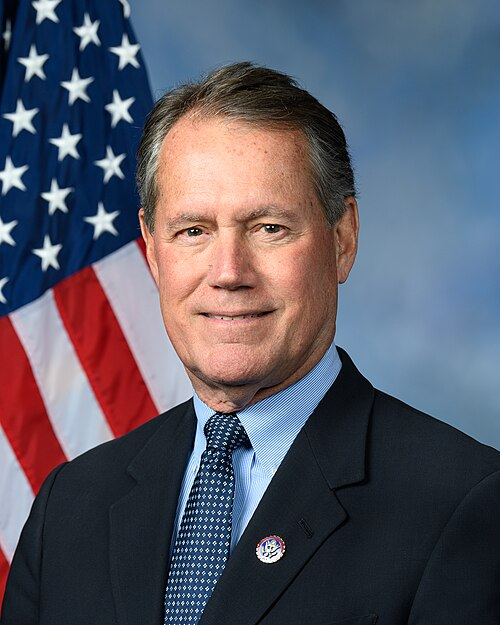
3 bill sponsors


Actions
3 actions
| Date | Action |
|---|---|
| Jan. 13, 2026 | Referred to the Subcommittee on Conservation, Research, and Biotechnology. |
| Dec. 01, 2025 | Introduced in House |
| Dec. 01, 2025 | Referred to the House Committee on Agriculture. |
Corporate Lobbying
0 companies lobbying
None found.
* Note that there can be significant delays in lobbying disclosures, and our data may be incomplete.