H.R. 6336: Fair Allocation of Interstate Rates Act
The bill, known as the Fair Allocation of Interstate Rates Act, aims to regulate how costs for certain electric transmission facilities can be allocated to consumers across state lines. Here’s a summary of the main points:
Key Provisions
- Cost Allocation Restrictions: The bill prohibits transmission providers (companies that deliver electricity) from allocating the costs of a "covered transmission facility" to consumers in states that did not agree to those costs. This means that if a transmission facility is built to implement a policy of one state, consumers in another state cannot be charged for its costs unless there is explicit consent from their state's officials.
- Conditions for Cost Allocation: The only way costs can be allocated to consumers from another state is if either the state or a designated public official from that state gives clear permission for such allocation.
- Presumptions: The bill establishes certain presumptions, indicating that benefits from a covered transmission facility are assumed to go only to those consumers in the state that enacted the policy for which the facility was created. Similarly, consumers from states without such policies are presumed not to benefit and, therefore, should not bear costs.
- Regulatory Implementation: The bill requires that the Federal Energy Regulatory Commission (FERC) create rules and regulations necessary for implementing these provisions within six months of the bill becoming law.
- Definitions: The bill defines "covered policy" as any policy enacted by a state, including those at local levels, that impacts the construction or operation of a transmission facility. A "covered transmission facility" is defined as any electric transmission system associated with such a policy.
Impact on Consumers
The aim of the bill is to ensure that consumers only pay for the costs associated with transmission facilities that their state has agreed to fund. This could potentially protect consumers in states that have not adopted certain energy policies from unexpected charges related to facilities built in other states.
Regulatory Framework
The bill emphasizes a need for an organized regulatory framework to ensure compliance, aiming for clarity and fairness in how costs are shared among different states and consumers.
Relevant Companies
- NEE (NextEra Energy, Inc.): A significant player in the energy sector, NextEra may be impacted as it operates transmission facilities across multiple states and would need to adjust its cost allocation strategies based on the provisions in this bill.
- DUK (Duke Energy Corporation): This company provides electricity to consumers in various states and might see changes in how it allocates costs for infrastructure investments under the new rules proposed by the bill.
- EXC (Exelon Corporation): As a utility serving multiple regions, Exelon may also be directly affected by the requirements for cost allocation linked to state policy agreements.
This is an AI-generated summary of the bill text. There may be mistakes.
Sponsors
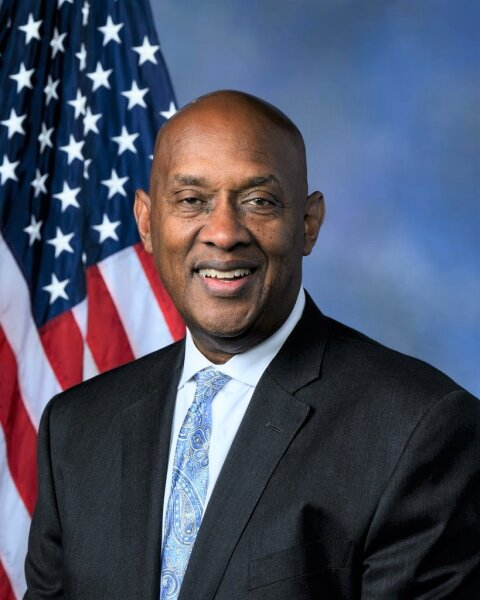
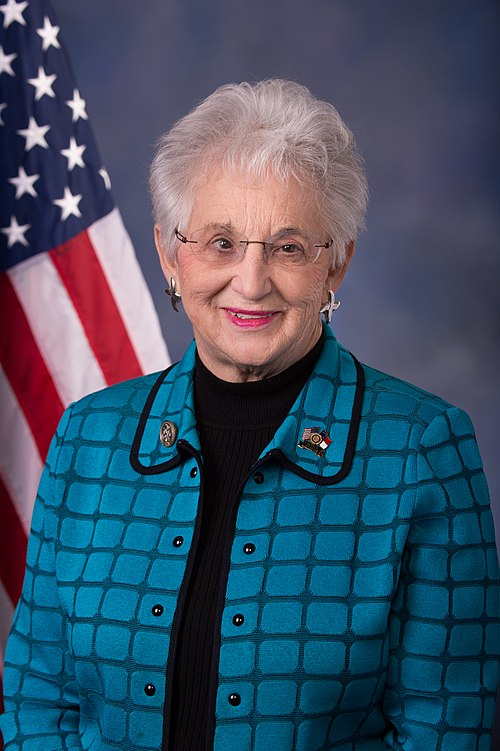
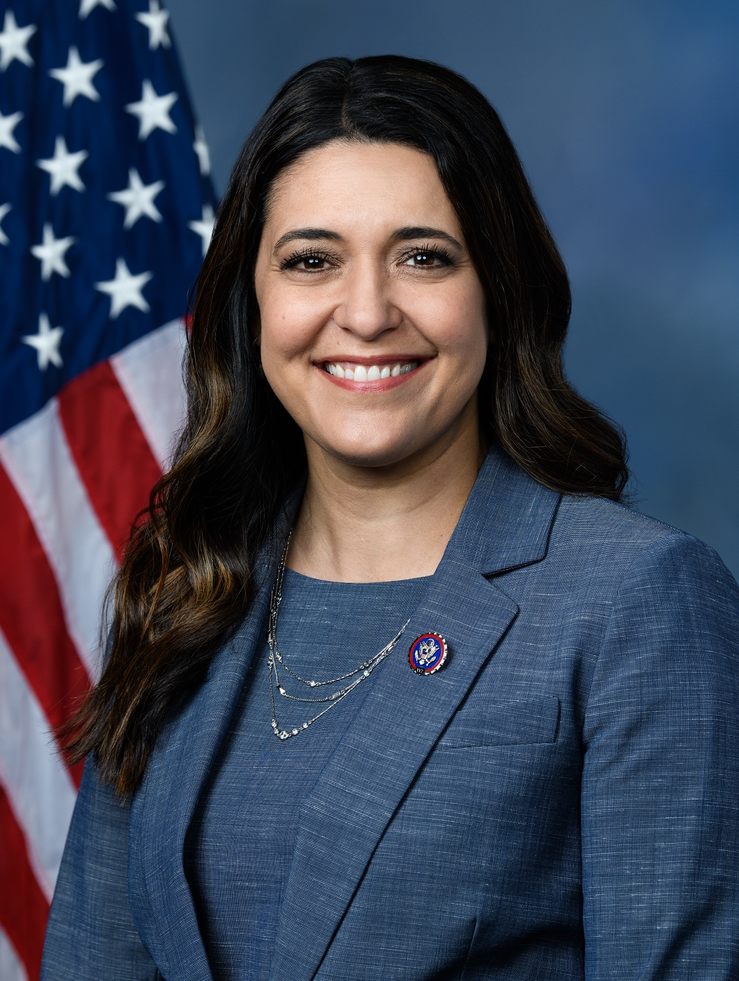
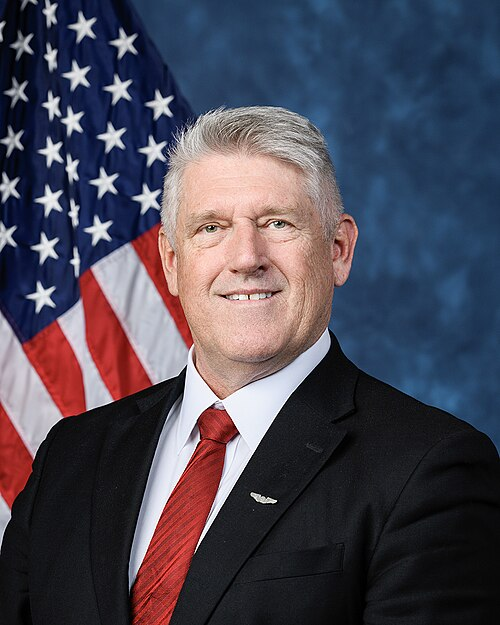
8 bill sponsors





Actions
2 actions
| Date | Action |
|---|---|
| Dec. 01, 2025 | Introduced in House |
| Dec. 01, 2025 | Referred to the House Committee on Energy and Commerce. |
Corporate Lobbying
0 companies lobbying
None found.
* Note that there can be significant delays in lobbying disclosures, and our data may be incomplete.