H.R. 6294: Childhood Diabetes Reduction Act of 2025
This bill, known as the Childhood Diabetes Reduction Act of 2025, aims to address the increasing rates of childhood diabetes by implementing several key measures focused on food labeling and advertising targeted at children.
Health Warning Labeling
The bill mandates that certain foods and beverages include specific health warnings on their labels if they meet certain criteria:
- Sugar-sweetened beverages: These must carry a warning stating that drinking such beverages can contribute to obesity, type 2 diabetes, and tooth decay, and are not recommended for children. This warning must be prominently displayed on the container.
- Non-sugar sweeteners: Foods and beverages containing non-sugar sweeteners must also include a warning indicating they are not recommended for children.
- Ultra-processed foods: This category must include a warning regarding the risks of weight gain and increased risk of obesity and diabetes due to consumption.
- Nutrients of concern: Foods high in certain nutrients like added sugar, saturated fat, or sodium must have warnings about their content and potential health impacts.
Advertising Restrictions
The bill also seeks to limit marketing practices related to junk food aimed at children:
- It will be unlawful to market or advertise junk food using child-directed advertising, which includes themes and promotional strategies appealing to children, such as animated characters or contests.
- Any advertisement for junk food must include the mandatory health or nutrient warning labels specified in the bill.
National Academies of Science Review
The bill requires the Secretary of Health and Human Services to contract with the National Academies of Science, Engineering, and Medicine. The National Academies will:
- Review the science behind ultra-processed foods.
- Develop recommendations for defining ultra-processed foods in a way that informs policy and public health initiatives.
Research Funding and Public Education
The bill authorizes funding for research conducted by the National Institutes of Health (NIH) relating to nutrition science, particularly the health effects of ultra-processed foods. This funding is set at $60 million per fiscal year from 2026 to 2030.
Additionally, a public education campaign will be developed to help the public understand the new warning labels, the health risks associated with unhealthy eating, ways to incorporate physical activity into daily routines, and strategies for improving overall nutrition.
Funding for Implementation
The Secretary of Health and Human Services will receive $5 million per year for regulatory activities related to food labeling and advertising enforcement, as well as $10 million annually for the public education campaign.
Overall Goal
The overarching aim of the bill is to reduce the prevalence of childhood diabetes by making informed choices easier for families through straightforward labeling and reducing children's exposure to unhealthy food marketing.
Relevant Companies
- KO (Coca-Cola): This company may be significantly impacted due to the labeling requirements for sugar-sweetened beverages.
- PEP (PepsiCo): Similarly, PepsiCo's beverage products will need to comply with the new labeling regulations regarding sugary drinks.
- MDLZ (Mondelez International): This company, which produces several snacks that may be classified as ultra-processed foods, may be affected by the new warnings and advertising restrictions.
This is an AI-generated summary of the bill text. There may be mistakes.
Sponsors
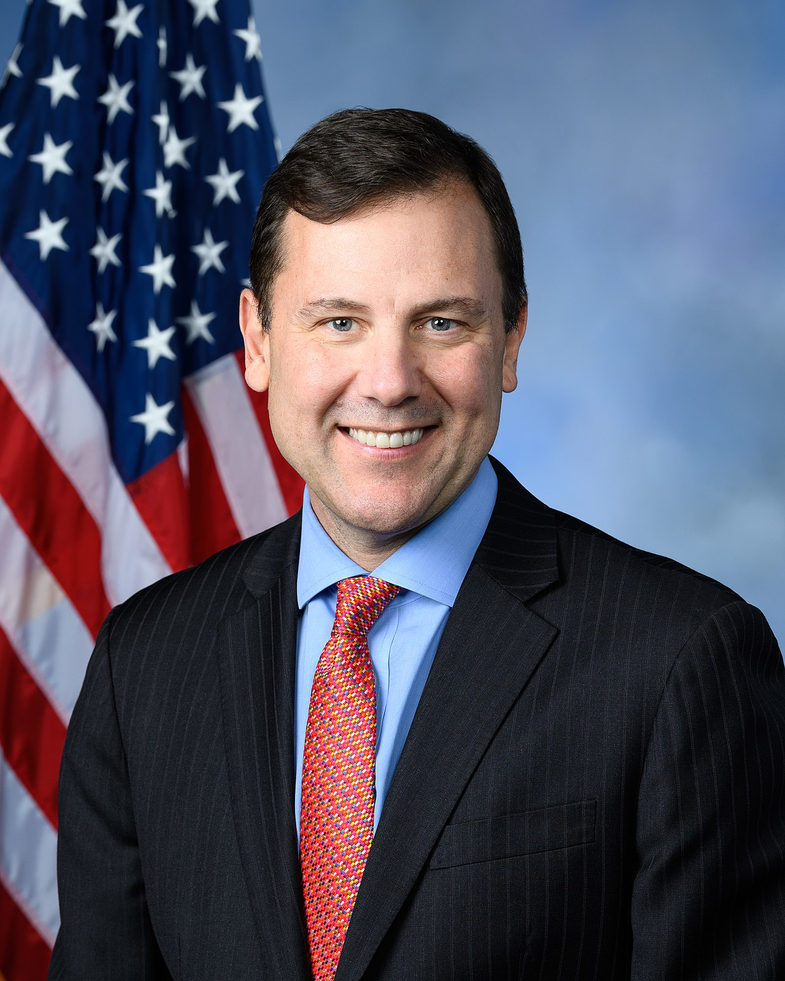
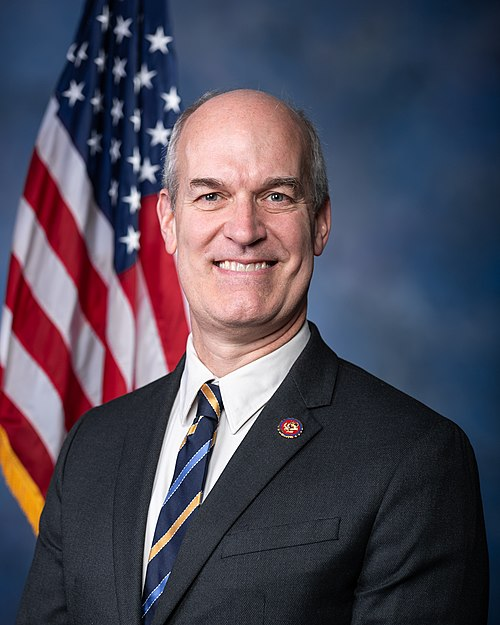
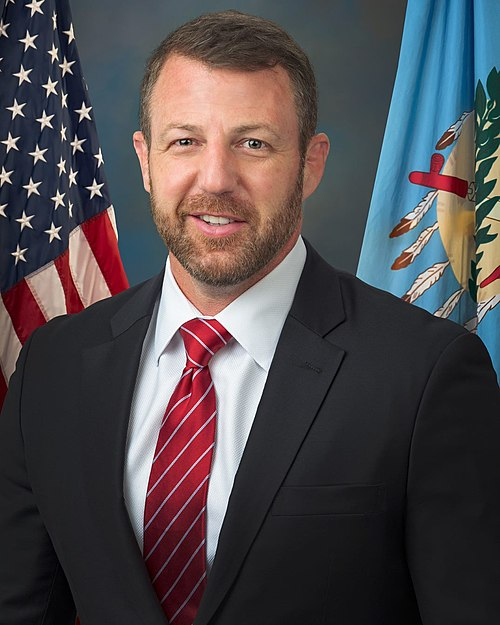
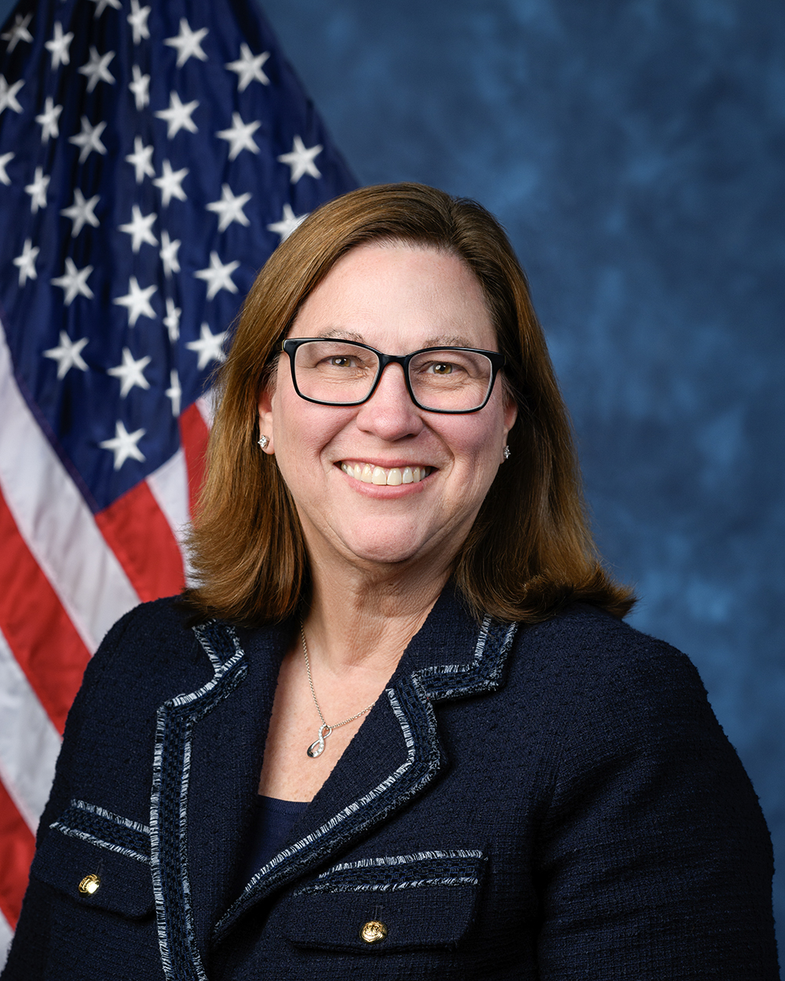
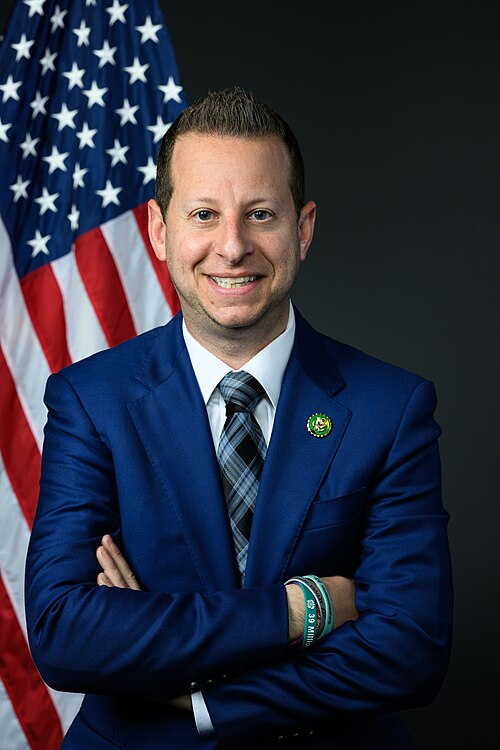
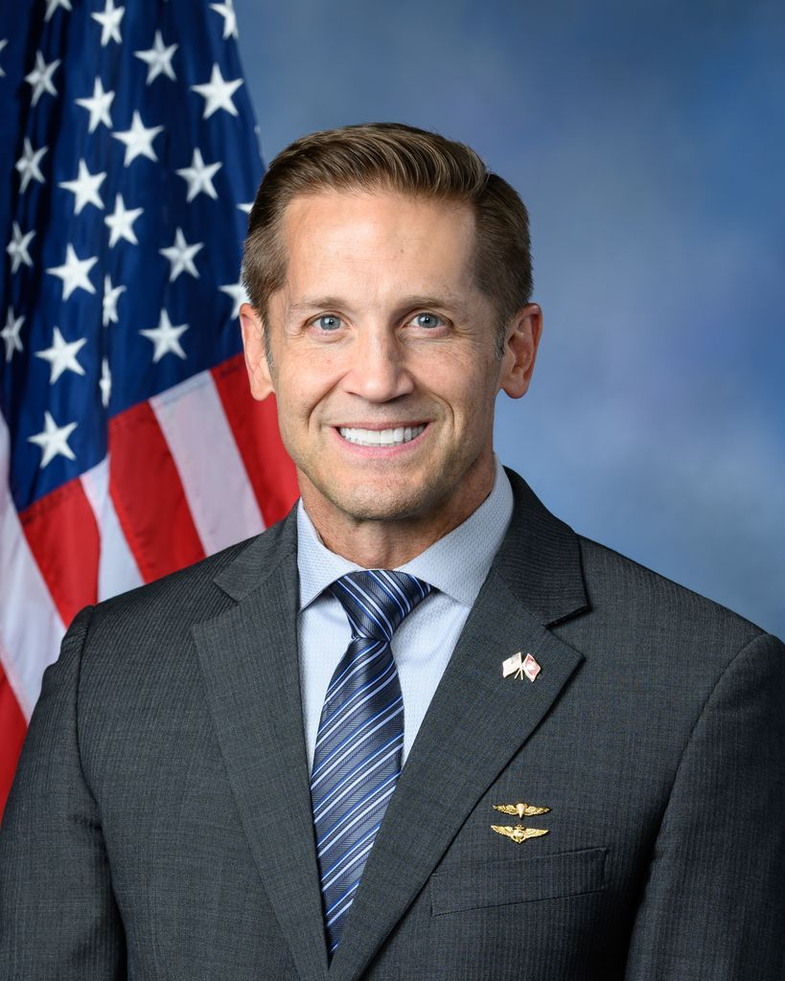
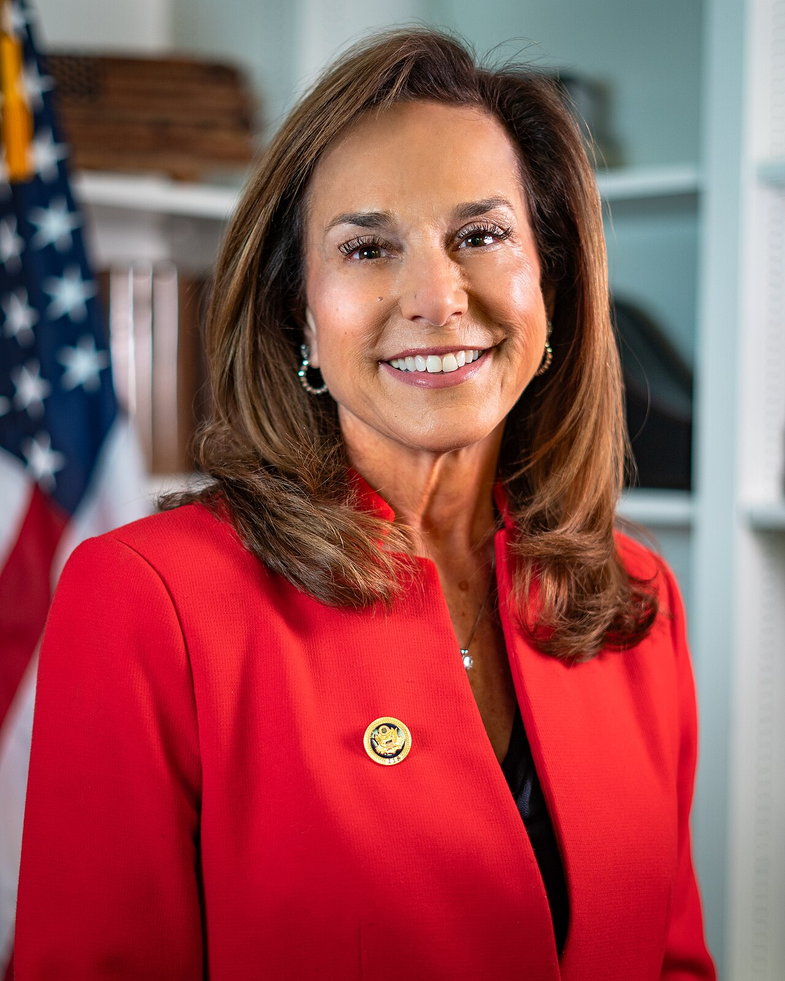
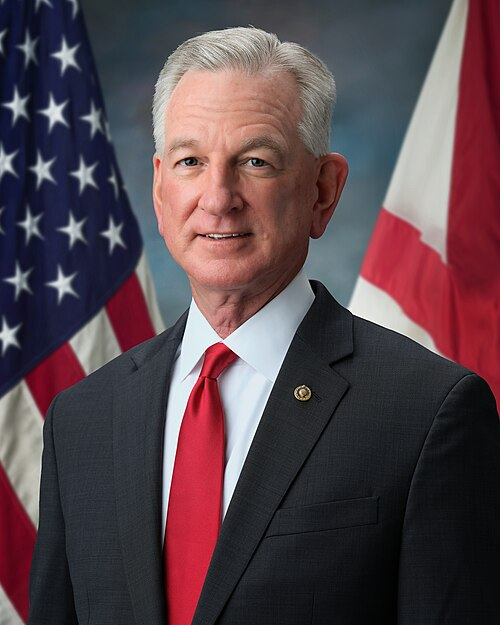
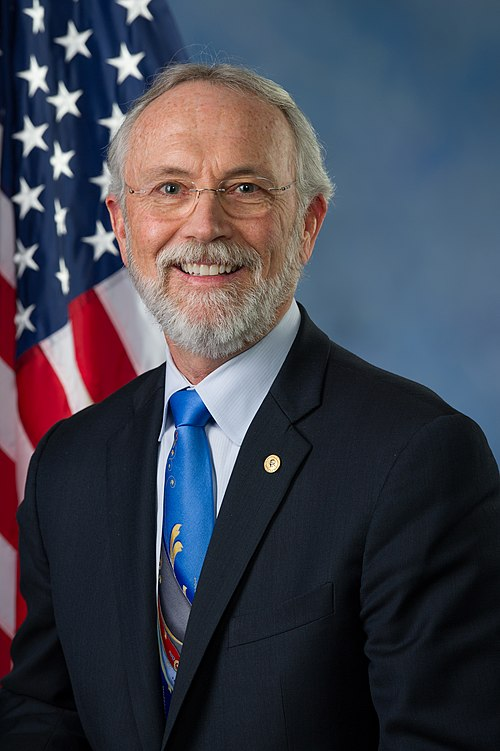
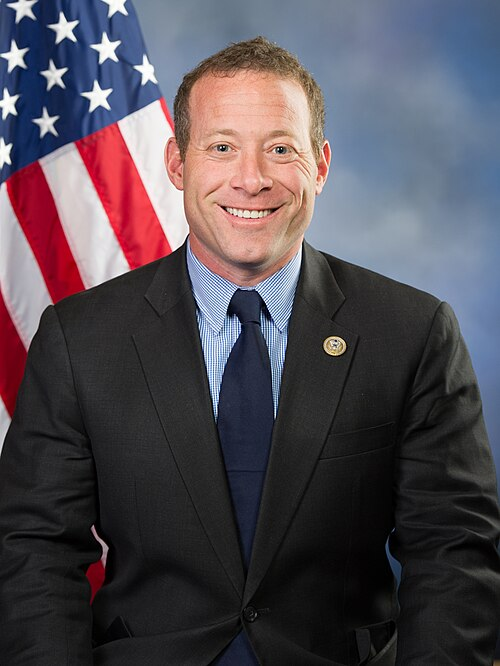
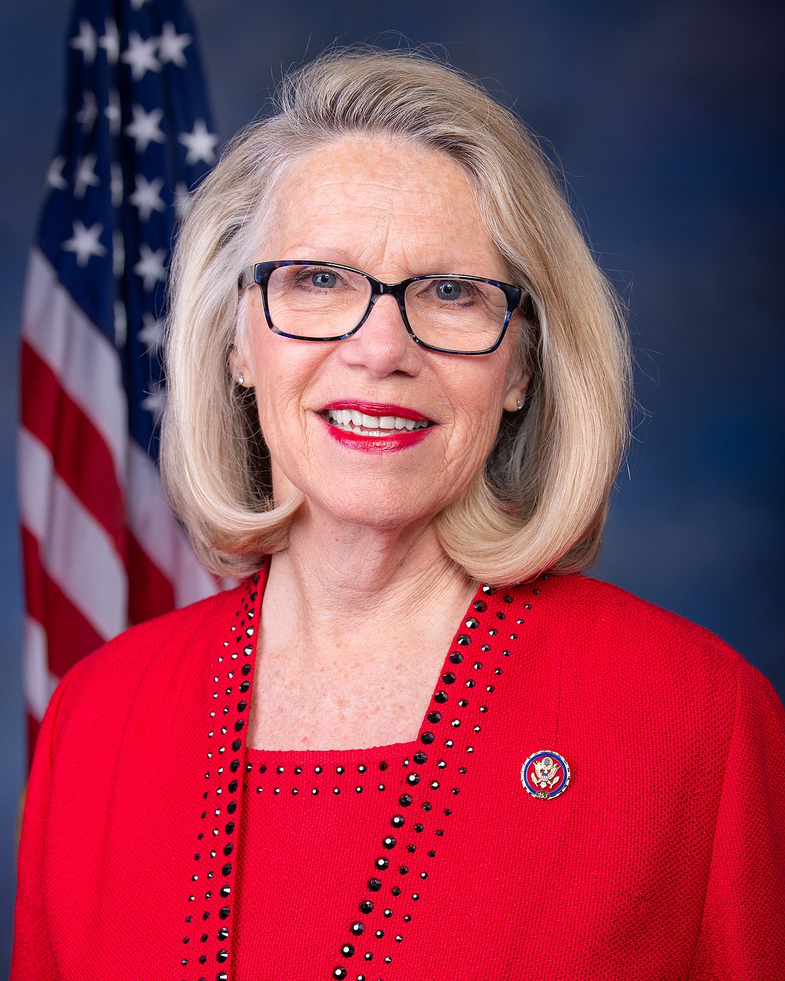
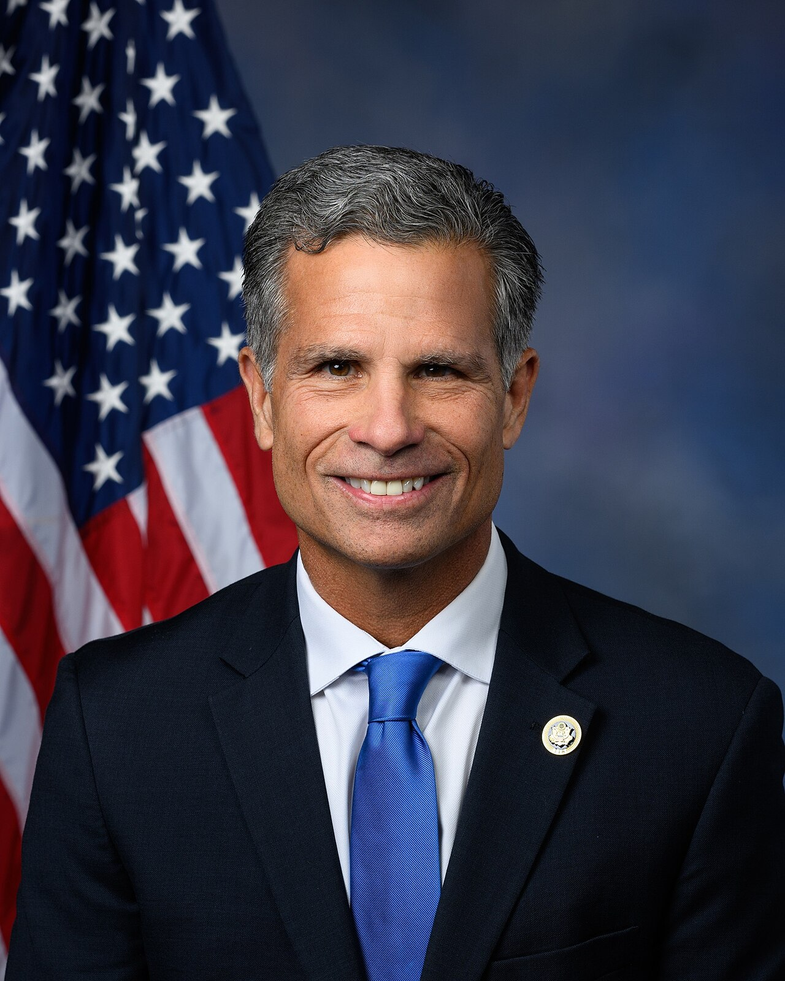
3 bill sponsors

Actions
2 actions
| Date | Action |
|---|---|
| Nov. 25, 2025 | Introduced in House |
| Nov. 25, 2025 | Referred to the House Committee on Energy and Commerce. |
Corporate Lobbying
0 companies lobbying
None found.
* Note that there can be significant delays in lobbying disclosures, and our data may be incomplete.