H.R. 6293: Housing Supply Expansion Act of 2025
This bill, known as the Housing Supply Expansion Act of 2025, aims to update the definition and regulation of manufactured homes in the United States. Here is a summary of the major points and changes proposed in the legislation:
Updating the Definition of Manufactured Home
The bill proposes to modify the existing definition of a manufactured home. Specifically, it would change the requirement that these homes must be built "on a permanent chassis" to allow for manufactured homes that can be built "with or without a permanent chassis." This means homes constructed without a permanent chassis will still be recognized as manufactured homes under federal law.
Standards for Manufactured Homes Built Without a Permanent Chassis
The Secretary (likely referring to the Secretary of Housing and Urban Development) is tasked with developing new standards for manufactured homes built without a permanent chassis. This includes:
- Issuing a distinct label to differentiate these homes from traditional manufactured homes built with a permanent chassis.
- Providing a data plate to identify the differences as well.
- Specifying a particular notation on invoices for these homes to ensure clarity in sales and transactions.
State Certification Requirements
States will be required to submit certifications to the Secretary regarding their laws and regulations concerning manufactured homes. The certification must confirm that the state treats manufactured homes—both with and without a permanent chassis—equally regarding financing, title, insurance, and other regulatory matters. Key points include:
- States must submit an initial certification within one year (or two years for biennial legislatures) of the bill’s enactment.
- Annual recertification will be needed to confirm continued compliance with the updated definitions and standards.
- The Secretary will maintain a public list of states that have complied with these certification requirements.
Consequences of Non-compliance
If a state fails to submit the required certifications by the deadlines, there will be prohibitions on the manufacture, installation, or sale of manufactured homes built without a permanent chassis within that state. This means:
- States would restrict homes constructed without a permanent chassis from being manufactured, installed, or sold.
- If overseen by the Secretary, the federal government would also impose such prohibitions.
Coordination With Other Federal Laws
The bill allows the Secretary of Housing and Urban Development to coordinate with other federal agencies to ensure that all federal laws treat manufactured homes consistently, irrespective of the chassis type.
Assistance and Guidance for States
The bill also includes provisions for the Secretary to offer assistance and model guidance to states for submitting their certifications and ensuring compliance with the new standards.
Preemption of State Laws
The bill clarifies that it does not limit the existing scope of federal preemption, meaning federal regulations regarding manufactured homes will still hold authority over state laws in certain situations.
Relevant Companies
- PHM - PulteGroup, Inc.: As a builder of homes, changes to the regulation of manufactured homes could impact PulteGroup's product offerings and construction standards.
- DHI - D.R. Horton, Inc.: This major residential builder may need to adjust its compliance processes and offerings related to manufactured homes.
- KBH - KB Home: Like other builders, KB Home could be affected by the regulatory changes, especially in how manufactured homes are classified and sold.
This is an AI-generated summary of the bill text. There may be mistakes.
Sponsors
12 bill sponsors
-
TrackJohn W. Rose
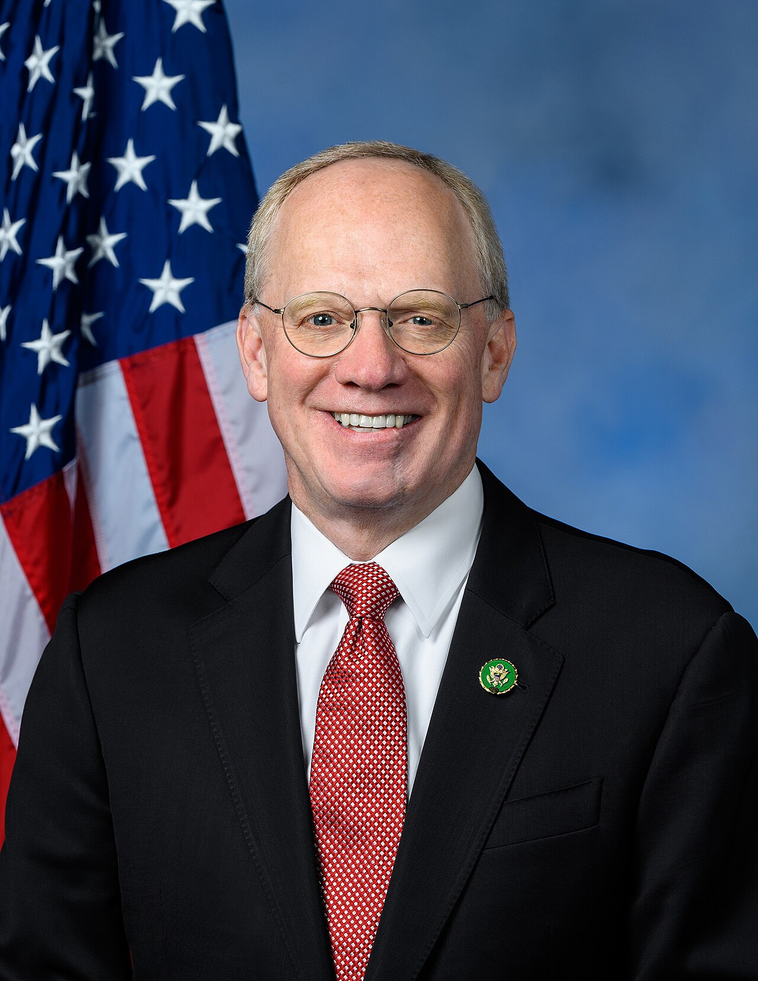
Sponsor
-
TrackAmi Bera
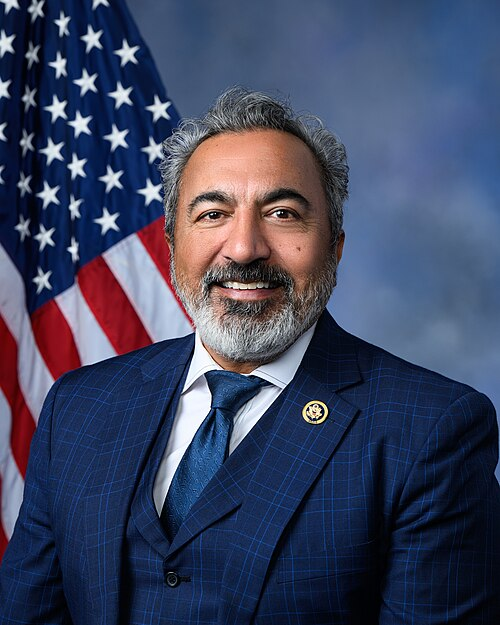
Co-Sponsor
-
TrackEmanuel Cleaver
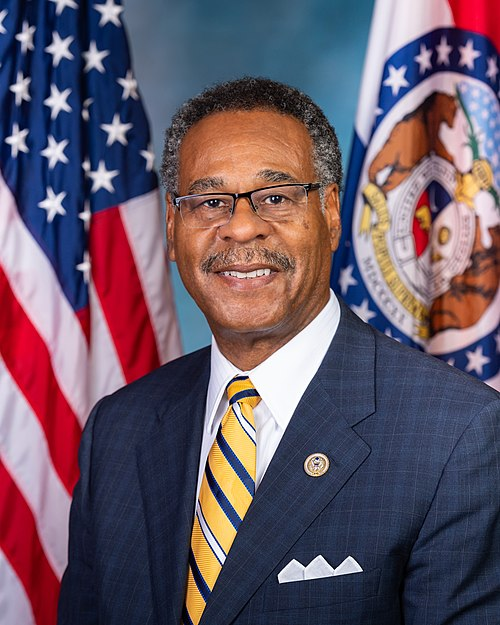
Co-Sponsor
-
TrackJ. Luis Correa
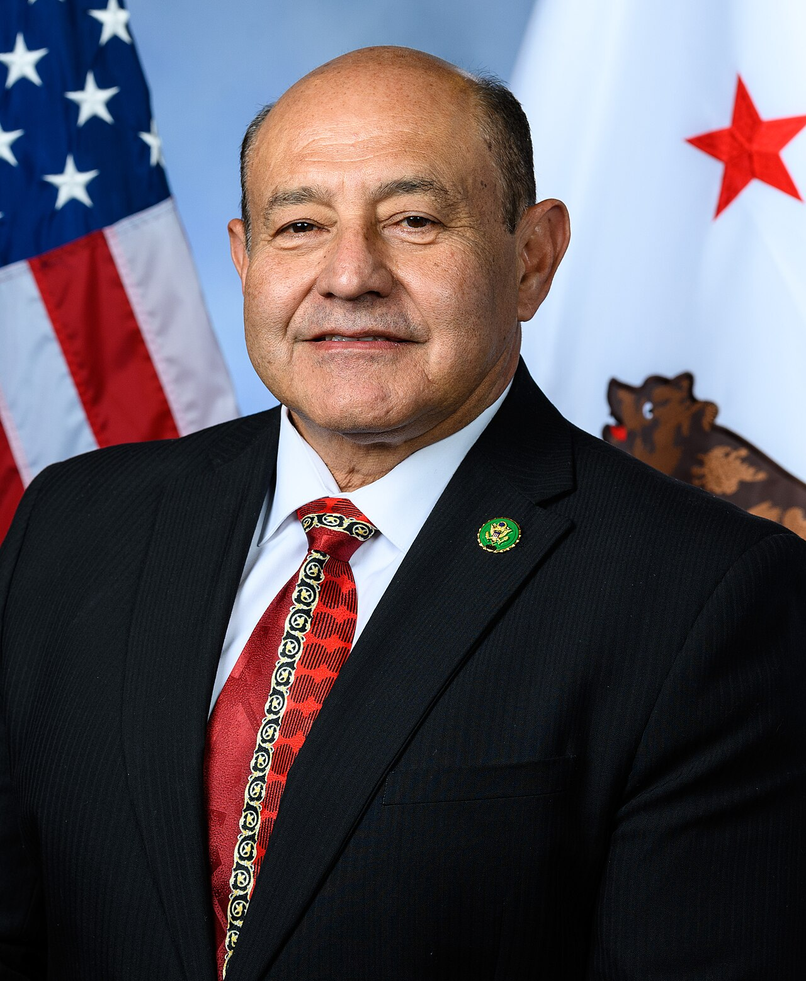
Co-Sponsor
-
TrackWarren Davidson
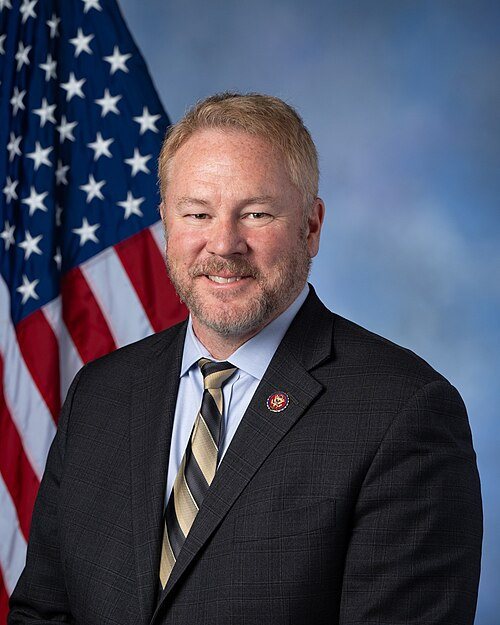
Co-Sponsor
-
TrackMonica De La Cruz
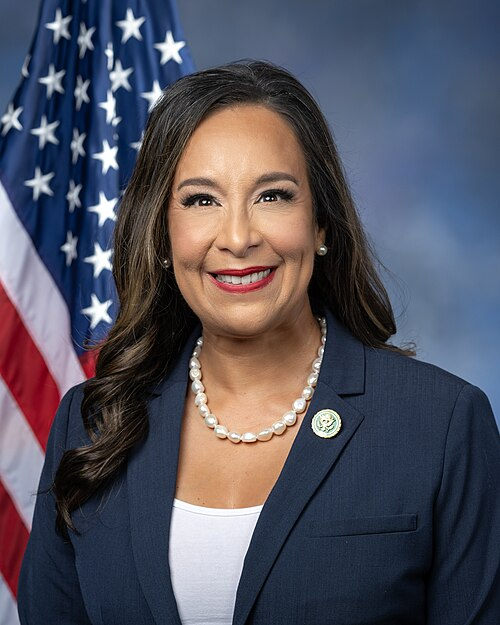
Co-Sponsor
-
TrackMike Flood
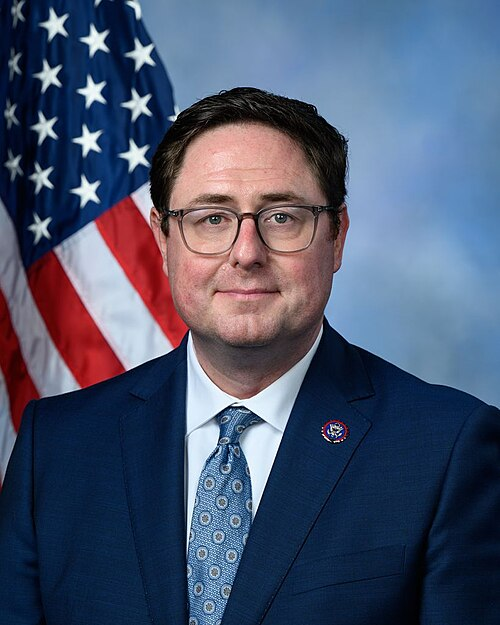
Co-Sponsor
-
TrackMaggie Goodlander

Co-Sponsor
-
TrackMariannette Miller-Meeks
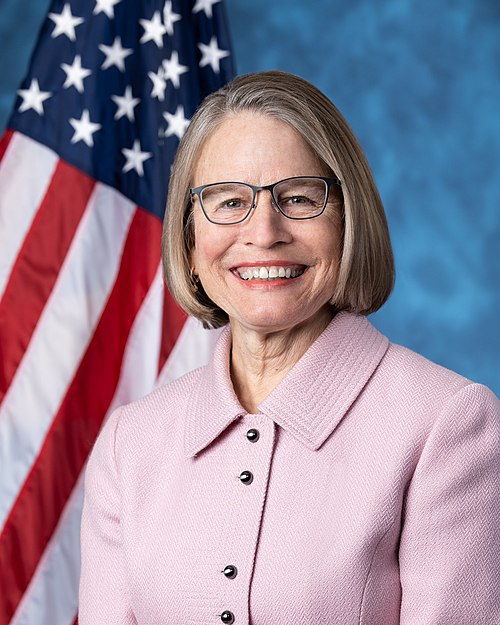
Co-Sponsor
-
TrackTim Moore
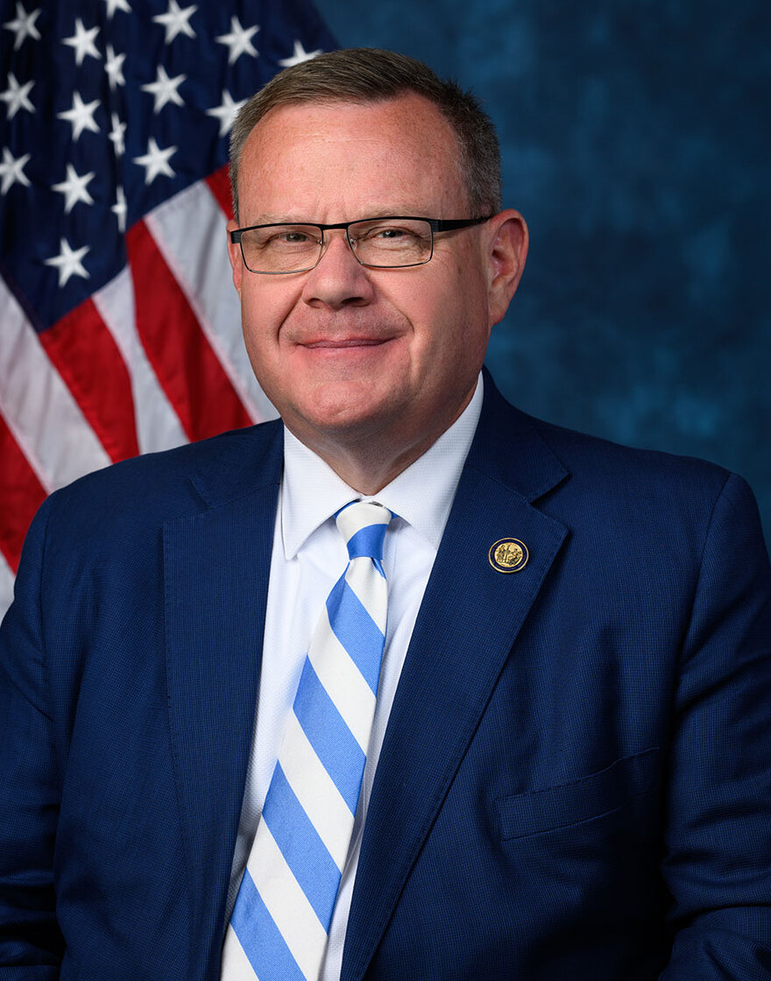
Co-Sponsor
-
TrackScott H. Peters

Co-Sponsor
-
TrackEugene Vindman

Co-Sponsor
Actions
2 actions
| Date | Action |
|---|---|
| Nov. 25, 2025 | Introduced in House |
| Nov. 25, 2025 | Referred to the House Committee on Financial Services. |
Corporate Lobbying
0 companies lobbying
None found.
* Note that there can be significant delays in lobbying disclosures, and our data may be incomplete.