H.R. 6275: China AI Power Report Act
This bill, known as the China AI Power Report Act, aims to require the Secretary of Commerce to submit detailed annual reports about China's capabilities in advanced artificial intelligence (AI) technology. It is being introduced to help the U.S. government keep track of and respond to China's advancements in AI, especially in relation to national security concerns. Here’s a breakdown of its key components:
Annual Reporting Requirements
The Secretary of Commerce is mandated to submit a report within 180 days of the bill's enactment and annually for the following three years. These reports will cover:
- The advancements and capabilities of China's AI technology.
- The status of supply chains associated with advanced AI systems.
Report Components
The reports will include assessments of:
- Integrated Circuits: Evaluation of AI-optimized integrated circuits designed by leading Chinese companies, including specifications like processing power, memory capacity, and manufacturing costs.
- Semiconductor Fabrication: Examination of semiconductor fabrication facilities in China that produce logic and memory circuits used for advanced AI, including production capacity and technology advancements.
- Manufacturing Equipment: Insights into companies producing semiconductor manufacturing equipment and their production capabilities and technologies.
- Electronic Design Automation (EDA) Software: Assessment of software tools used in designing AI-integrated circuits in China, including market share and technological advancements.
- AI Models: Evaluation of advanced AI models developed in China that may impact U.S. national security, including their capabilities and uses in various sectors.
- Emerging Research: Review of AI research trends in China, focusing on algorithm development and hardware improvements that could have national security relevance.
- Public and Private Funding: Analysis of funding sources for AI development and the scale of investment at different governmental levels.
- Global AI Standards and China's influence on them.
Coordination and Expertise
The Secretary is allowed to collaborate with other federal departments, industry experts, and academic institutions to gather the necessary data for these reports.
Comparative Analysis
In evaluating China's capabilities, the reports must include comparative analyses with U.S. and partner countries' capabilities in AI technologies and infrastructure.
Export Control Considerations
The bill emphasizes the need for dynamic and adaptive export controls on AI technologies that need to stay updated with evolving challenges posed by China's advancements. The aim is to ensure that Congress remains informed about the strategic landscape of AI capabilities in China to facilitate legislative and regulatory adjustments as necessary.
Additional Provisions
The reports must also identify any loopholes within current U.S. export control efforts to improve restrictions and maintain U.S. strategic advantages effectively.
Effectiveness of Export Controls
One of the aims is to assess the effectiveness of existing export controls on technologies relevant to AI and to recommend improvements based on the evolving situation with China's AI capabilities.
Relevant Companies
- CMICF - Semiconductor Manufacturing International Corporation: This company could be significantly impacted as it would be assessed for its role in producing integrated circuits used for AI.
- HWCCF - Huawei Technologies Co., Ltd.: A major player in the AI integrated circuit field that may be examined in relation to its production capabilities.
- CMFNF - Cambricon Technologies: Another company that would likely be scrutinized regarding its AI chips and models.
- CXMT - Changxin Memory Technologies: Its assessment as a semiconductor manufacturer would be critical in understanding China's AI memory capabilities.
- YMTTF - Yangtze Memory Technologies Corp.: This company would be examined for its role in memory production related to AI.
- ASML - ASML Holding: A significant supplier of semiconductor manufacturing equipment that may be affected by U.S. export controls on technology to China.
This is an AI-generated summary of the bill text. There may be mistakes.
Sponsors
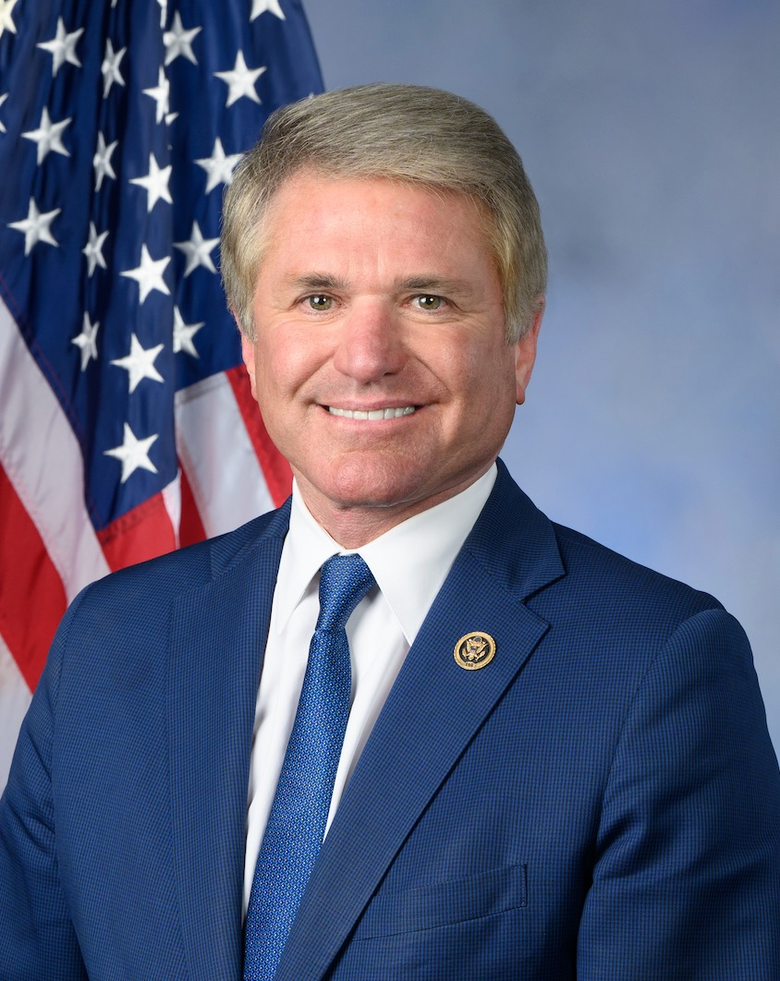
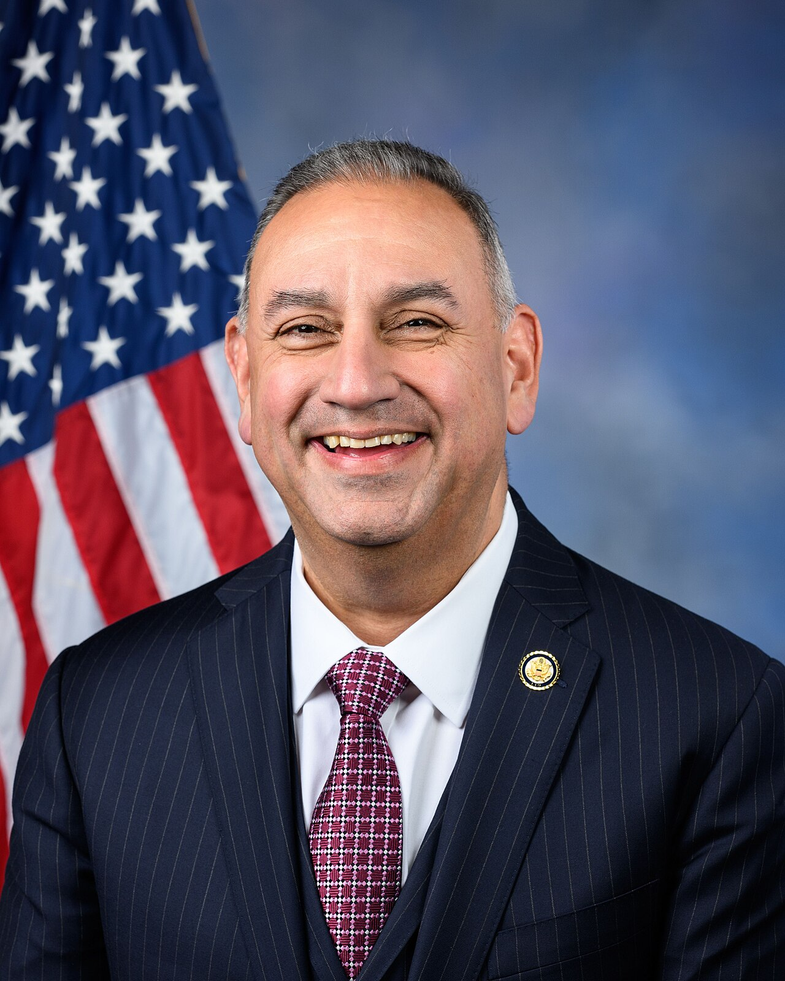
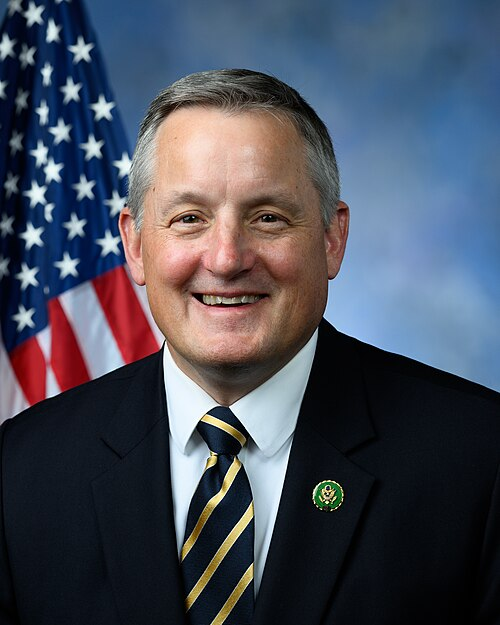
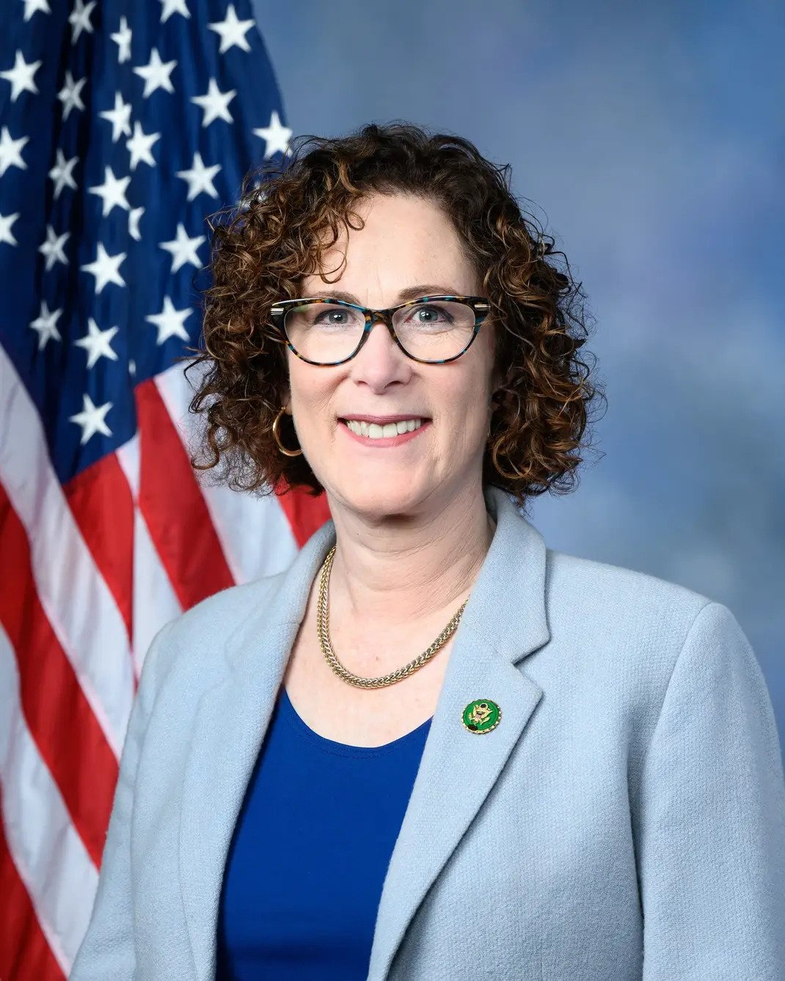
8 bill sponsors







Actions
2 actions
| Date | Action |
|---|---|
| Nov. 21, 2025 | Introduced in House |
| Nov. 21, 2025 | Referred to the House Committee on Foreign Affairs. |
Corporate Lobbying
0 companies lobbying
None found.
* Note that there can be significant delays in lobbying disclosures, and our data may be incomplete.