H.R. 6235: End Child Poverty Act
This bill, titled the End Child Poverty Act, proposes the establishment of a universal child assistance program aimed at reducing child poverty in the United States. Here is a summary of its key components:
Universal Child Assistance Program
The bill creates the Office of Universal Child Assistance within the Social Security Administration, which will be led by a Deputy Commissioner. This office will be responsible for implementing and managing the program.
Child Assistance Payments
- Eligible Recipients: The program provides monthly financial assistance to qualifying children under the age of 19 who are either U.S. citizens or qualified aliens residing in the country.
- Payment Calculation: The monthly payment amount is calculated based on the difference between the annual poverty guideline for a two-person household and a single individual. This amount will be adjusted annually in accordance with published poverty guidelines.
- Application Process: Families must apply for child assistance payments, providing necessary information about the child. The bill outlines how applications will be processed and approved.
Office Responsibilities
The Deputy Commissioner will have various responsibilities, including:
- Hiring personnel for the office.
- Making timely payments to eligible children.
- Ensuring program efficiency through contracts with other agencies.
- Preventing fraud and abuse related to child assistance payments.
- Providing information to the public about the program and tailoring outreach efforts.
- Issuing an annual report to Congress on the program's effectiveness, including data on participants and payments.
Data Sharing and Regulations
The bill proposes amendments to allow the Internal Revenue Service (IRS) to share relevant taxpayer information with the Social Security Administration to facilitate the identification and processing of eligible children for assistance.
Tax Credit Changes
- Termination of Existing Credits: The bill calls for the termination of the current child tax credit and earned income tax credit, effective from December 31, 2025. Thus, families would instead rely on the new child assistance payments.
- Introduction of New Credits: The bill introduces new refundable tax credits for adult dependents and for families. Adults over age 19 will be eligible for a credit based on their relationship to qualifying dependents.
Impact on Income Calculations
Child assistance payments will not be counted as income when determining eligibility for federal or state assistance programs, ensuring recipients are not penalized for receiving this support.
Administrative Procedures
The bill outlines specific procedures for the administration of the program, including how applications are submitted, the required information for approval, and how to handle cases where children are automatically considered for assistance based on existing data.
Implementation Timeline
The legislation specifies that the program and related changes will begin after December 31, 2025, allowing time for proper implementation.
Relevant Companies
None found
This is an AI-generated summary of the bill text. There may be mistakes.
Sponsors
11 bill sponsors
-
TrackRashida Tlaib

Sponsor
-
TrackJesús G. "Chuy" García
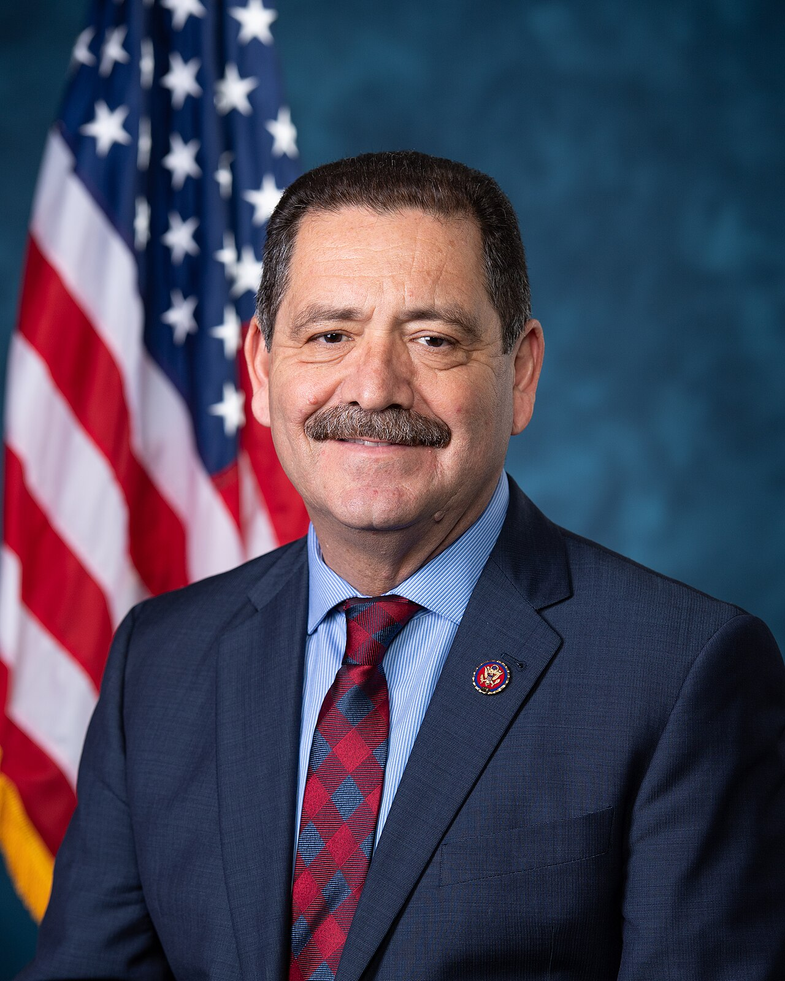
Co-Sponsor
-
TrackRo Khanna

Co-Sponsor
-
TrackSummer L. Lee

Co-Sponsor
-
TrackLaMonica McIver

Co-Sponsor
-
TrackKweisi Mfume
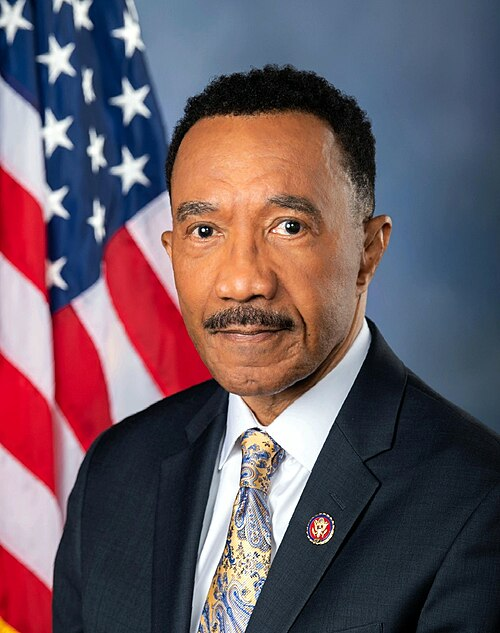
Co-Sponsor
-
TrackEleanor Holmes Norton

Co-Sponsor
-
TrackIlhan Omar

Co-Sponsor
-
TrackAyanna Pressley
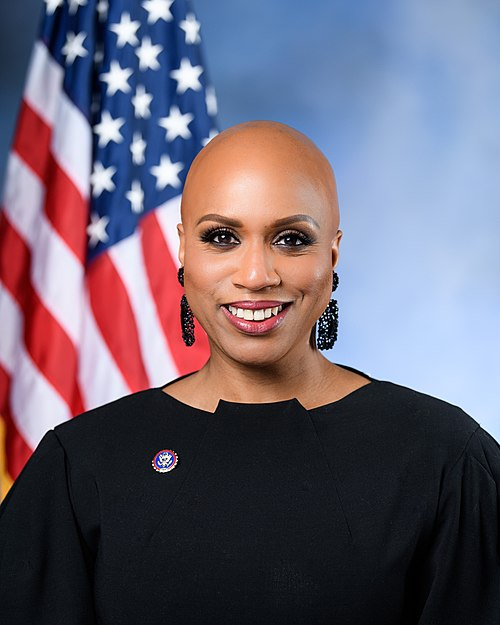
Co-Sponsor
-
TrackShri Thanedar

Co-Sponsor
-
TrackBonnie Watson Coleman
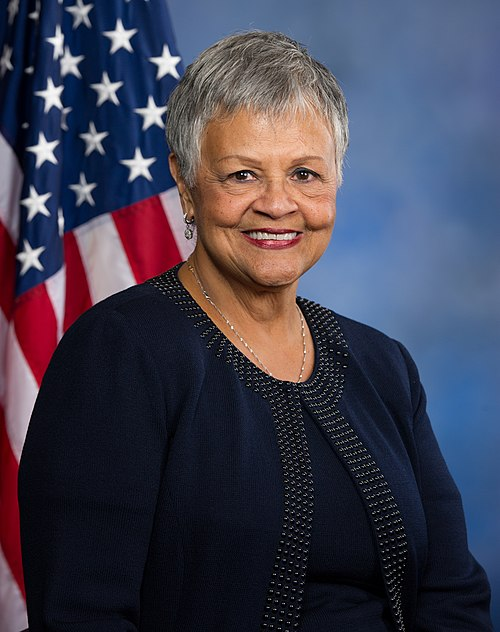
Co-Sponsor
Actions
2 actions
| Date | Action |
|---|---|
| Nov. 20, 2025 | Introduced in House |
| Nov. 20, 2025 | Referred to the House Committee on Ways and Means. |
Corporate Lobbying
0 companies lobbying
None found.
* Note that there can be significant delays in lobbying disclosures, and our data may be incomplete.
Potentially Relevant Congressional Stock Trades
No relevant congressional stock trades found.