H.R. 6233: Commercial Motor Vehicle English Proficiency Act
This bill, known as the Commercial Motor Vehicle English Proficiency Act, aims to amend existing laws regarding the testing requirements for commercial motor vehicle operators. Here is a summary of its main components:
1. English Language Proficiency Requirements
The bill stipulates that, starting two years after it is enacted, individuals seeking to obtain a certification to operate a commercial motor vehicle must demonstrate proficiency in English. This includes:
- Reading and Understanding Traffic Signs: Candidates must be able to read and understand traffic signs in English.
- Communication with Safety Personnel: Individuals must communicate in English with traffic safety officers, border patrol agents, agricultural checkpoint officers, and cargo weight-limit station personnel.
- Providing and Receiving Instructions: Candidates should be capable of providing and receiving feedback and directions in English.
2. Changes to Knowledge Testing
The bill mandates that the knowledge test required for commercial motor vehicle operator certification cannot be administered in any language other than English, effective two years after the bill's enactment. This means all candidates must take the test in English regardless of their background.
3. Regulatory Amendments
The Secretary of Transportation is instructed to modify the relevant regulations in Title 49 of the Code of Federal Regulations to align with the new provisions outlined in the bill. This adjustment must be completed within two years of the law being enacted.
4. Reorganization of Testing Standards
In addition to introducing language requirements, the bill also reorganizes certain paragraphs and subparagraphs related to commercial motor vehicle operator testing requirements without changing the underlying content. This includes redesignating and indenting various clauses for clarity.
Implications
Overall, this bill seeks to enhance the safety and effectiveness of commercial motor vehicle operation by ensuring that operators have the necessary English language skills to navigate traffic, communicate effectively, and ensure compliance with regulations.
Relevant Companies
- CMI - Cummins Inc.: As a major manufacturer of engines and related technology for commercial vehicles, Cummins could see impacts based on workforce capabilities and the need for drivers who understand English to operate their systems effectively.
- FLMN - Fleet Management Companies: Companies involved in management and logistics of fleets may require hiring additional staff or modify training programs to comply with the new language requirements.
This is an AI-generated summary of the bill text. There may be mistakes.
Sponsors
14 bill sponsors
-
TrackDavid Taylor
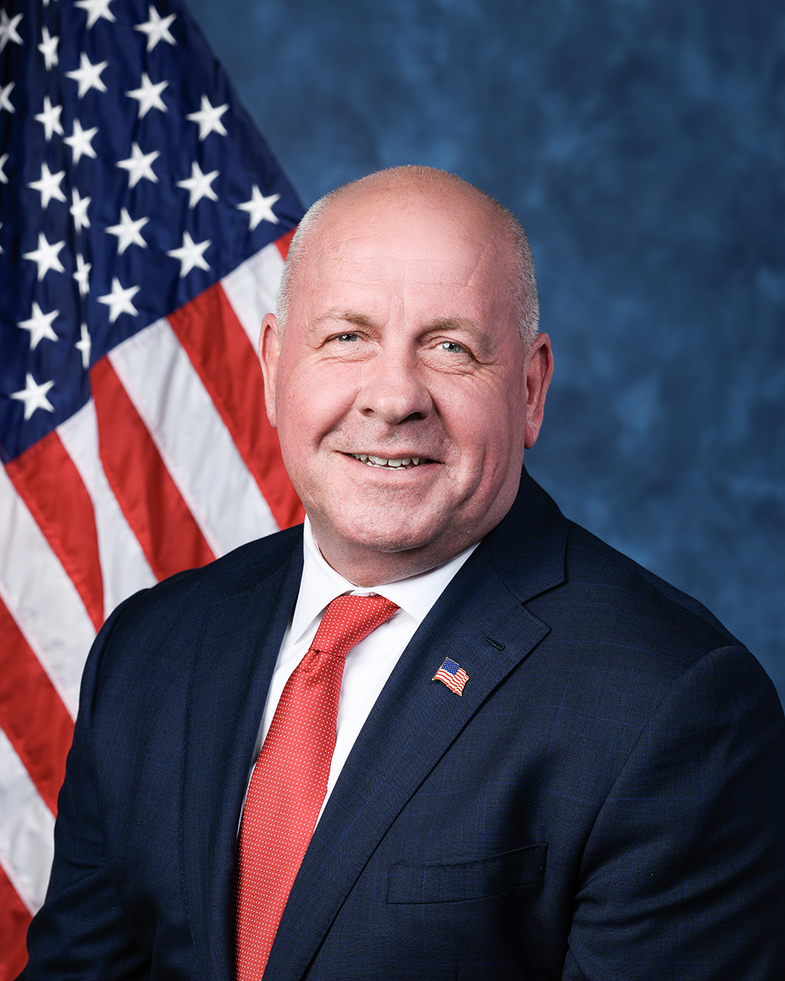
Sponsor
-
TrackNicholas Begich

Co-Sponsor
-
TrackSheri Biggs
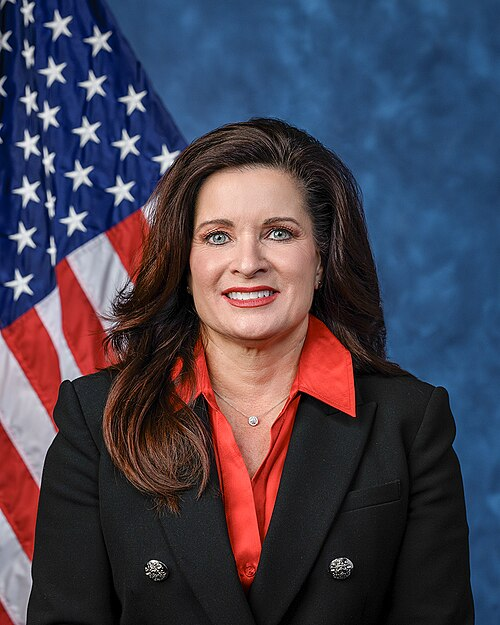
Co-Sponsor
-
TrackEarl L. "Buddy" Carter

Co-Sponsor
-
TrackPaul A. Gosar

Co-Sponsor
-
TrackHarriet M. Hageman
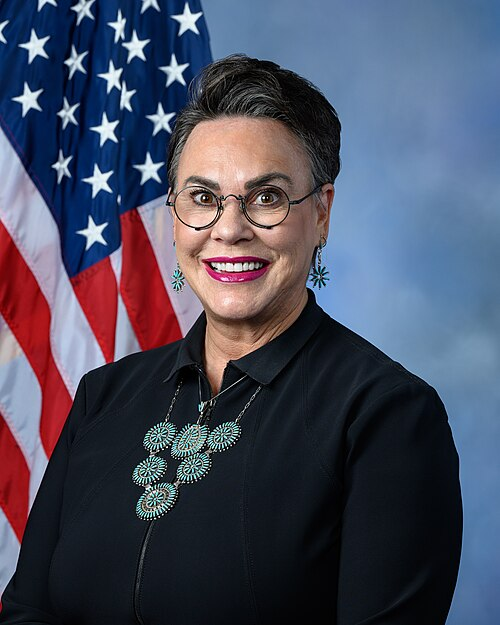
Co-Sponsor
-
TrackTracey Mann

Co-Sponsor
-
TrackMark Messmer

Co-Sponsor
-
TrackMary E. Miller

Co-Sponsor
-
TrackBarry Moore
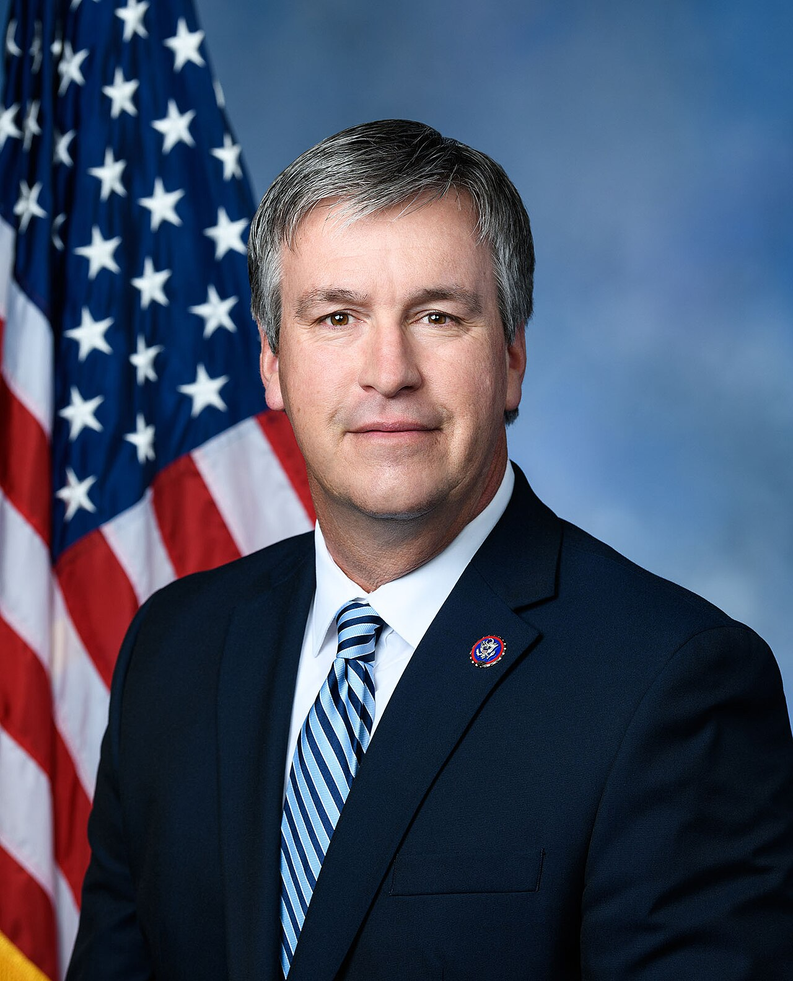
Co-Sponsor
-
TrackDerek Schmidt

Co-Sponsor
-
TrackW. Gregory Steube
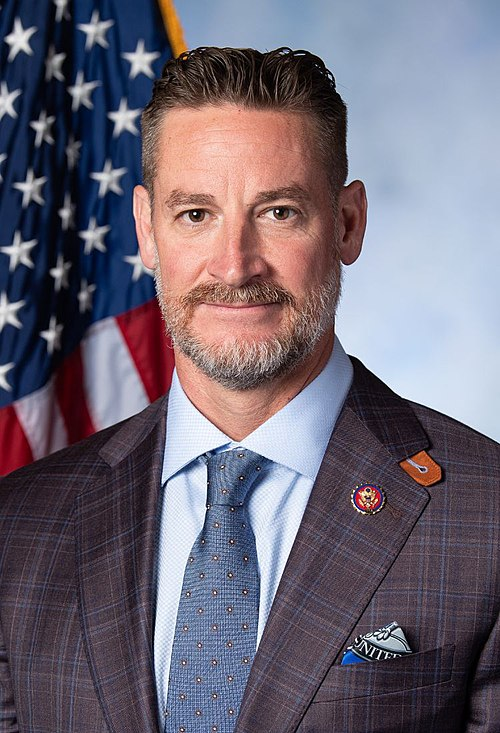
Co-Sponsor
-
TrackThomas P. Tiffany
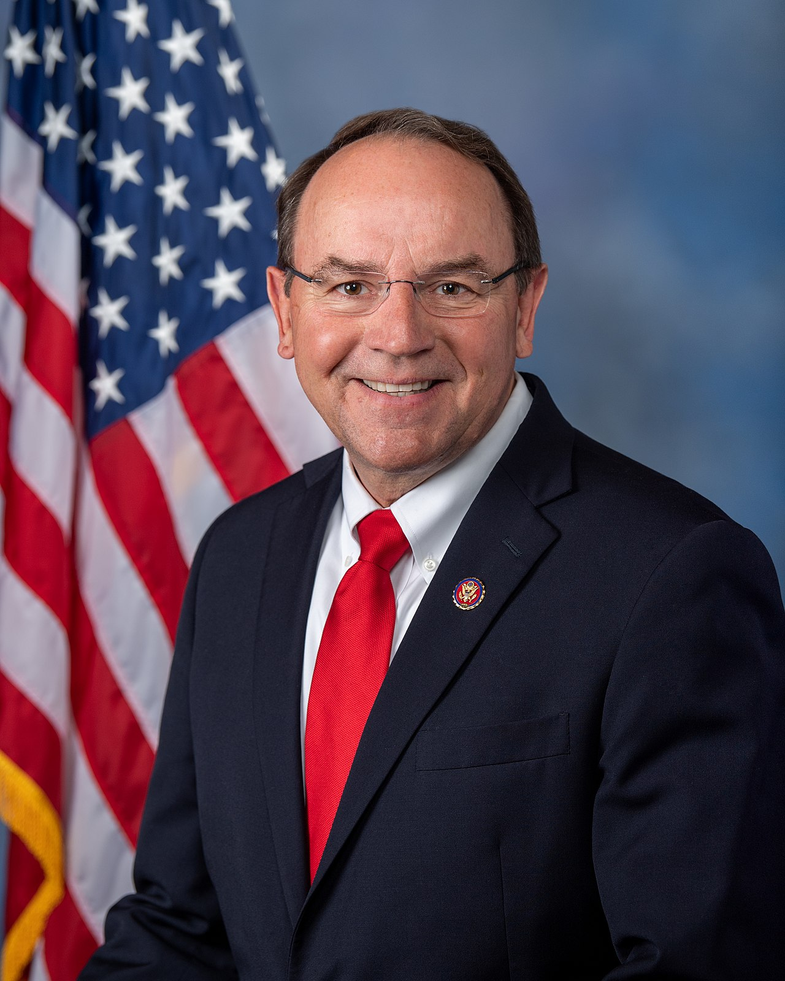
Co-Sponsor
-
TrackDerrick Van Orden
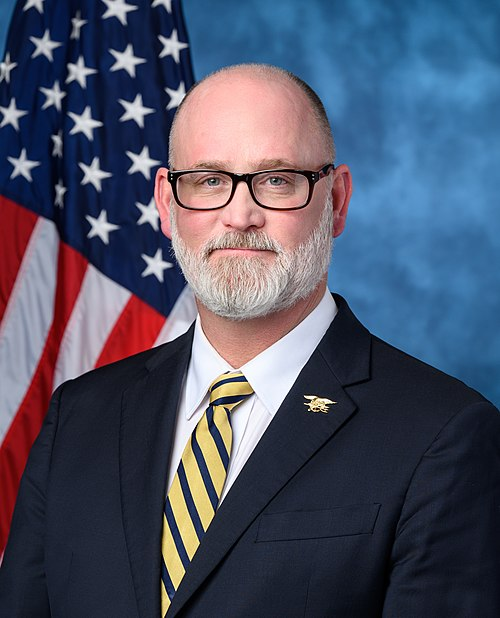
Co-Sponsor
Actions
3 actions
| Date | Action |
|---|---|
| Nov. 21, 2025 | Referred to the Subcommittee on Highways and Transit. |
| Nov. 20, 2025 | Introduced in House |
| Nov. 20, 2025 | Referred to the House Committee on Transportation and Infrastructure. |
Corporate Lobbying
0 companies lobbying
None found.
* Note that there can be significant delays in lobbying disclosures, and our data may be incomplete.