H.R. 6228: Unlocking Affordable Housing Act
The "Unlocking Affordable Housing Act" is proposed legislation aimed at modifying certain eligibility criteria related to financial assistance for residential and mixed-use development projects under federal transportation funding programs. Here’s a breakdown of the key components of the bill:
Overview of Key Provisions
- Creditworthiness Standards: The bill mandates the establishment of creditworthiness standards for residential development projects that seek funding from two specific federal programs: the Transportation Infrastructure Finance and Innovation Act (TIFIA) and the Railroad Rehabilitation and Improvement Financing (RRIF).
- Alignment with Housing Programs: The standards for determining creditworthiness must align, when possible, with similar requirements set by the Secretary of Housing and Urban Development (HUD). This aims to ensure consistency across federal programs that provide housing support.
Details on TIFIA and RRIF Programs
The TIFIA program is designed to provide credit assistance for surface transportation projects of national or regional significance, while the RRIF program provides loans and loan guarantees for rail-related projects. The changes proposed in this bill affect how residential projects, especially those that may integrate commercial spaces, are evaluated for eligibility for funding under these programs.
Specific Amendments to Legislation
- TIFIA Amendments:
- The bill modifies the TIFIA program requirements concerning residential development projects, requiring that they meet the new creditworthiness standards before securing assistance.
- It elaborates on the criteria for investment-grade ratings and allows for exceptions based on guidelines determined by the Secretary of Transportation in consultation with HUD.
- RRIF Amendments:
- Under the RRIF program, similar creditworthiness standards will be established to assess projects that involve residential development.
- Just like with TIFIA, these measures will help ensure the financial stability of the RRIF program while promoting housing development.
Regulatory Implementation
The Secretary of Transportation, along with the Secretary of HUD, is required to develop specific regulations for these creditworthiness standards within 180 days of the bill's enactment. This includes the implementation of the amended eligibility criteria for both the TIFIA and RRIF programs.
Effective Date
The provisions of the bill are set to take effect 180 days after the bill becomes law and will apply to any loans or lines of credit issued under the TIFIA or RRIF programs from that date onwards.
Relevant Companies
- PHM - PulteGroup, Inc.: This homebuilding company may benefit from additional funding opportunities for residential developments through TIFIA and RRIF programs.
- DHI - D.R. Horton, Inc.: As one of the largest homebuilders in the United States, the company may see an increased ability to finance new residential projects as a result of the bill.
- TOL - Toll Brothers, Inc.: This luxury homebuilder could leverage new funding opportunities to undertake mixed-use developments that include residential housing.
- KBH - KB Home: Likely to benefit from enhanced access to federal funds for housing projects under the new creditworthiness standards.
This is an AI-generated summary of the bill text. There may be mistakes.
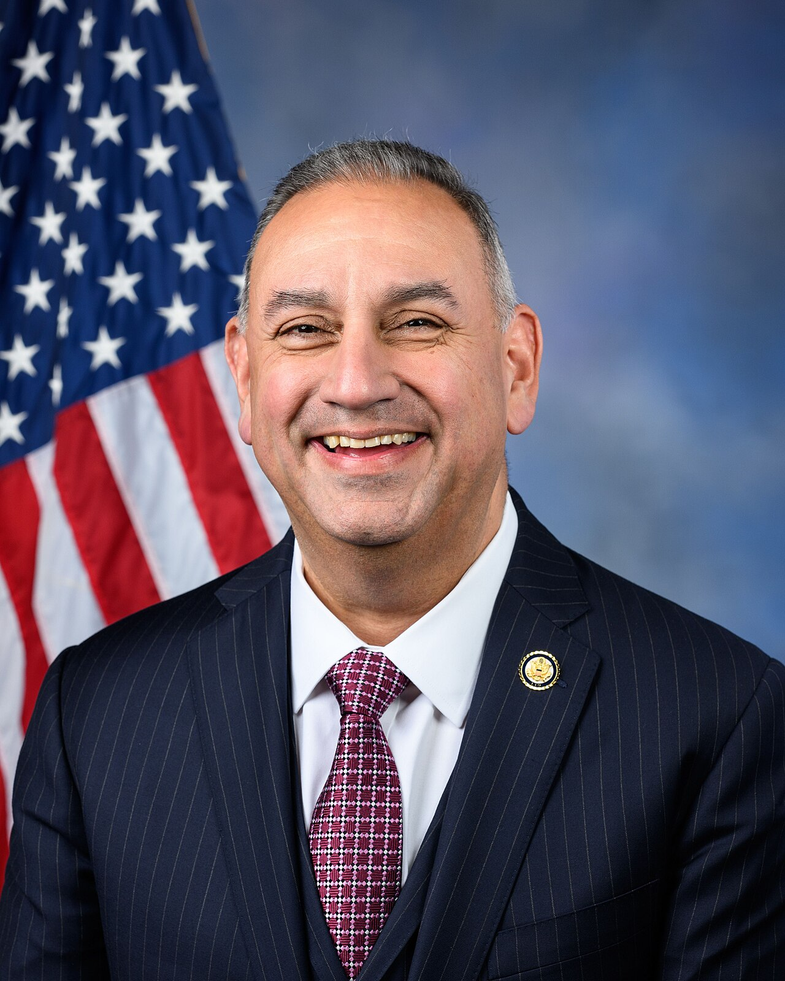
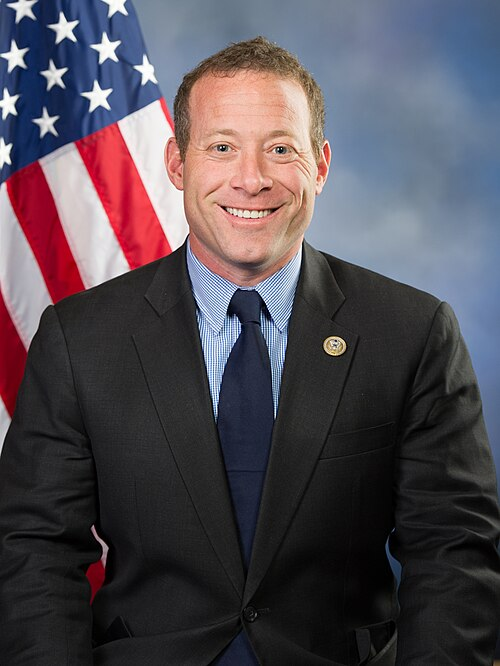
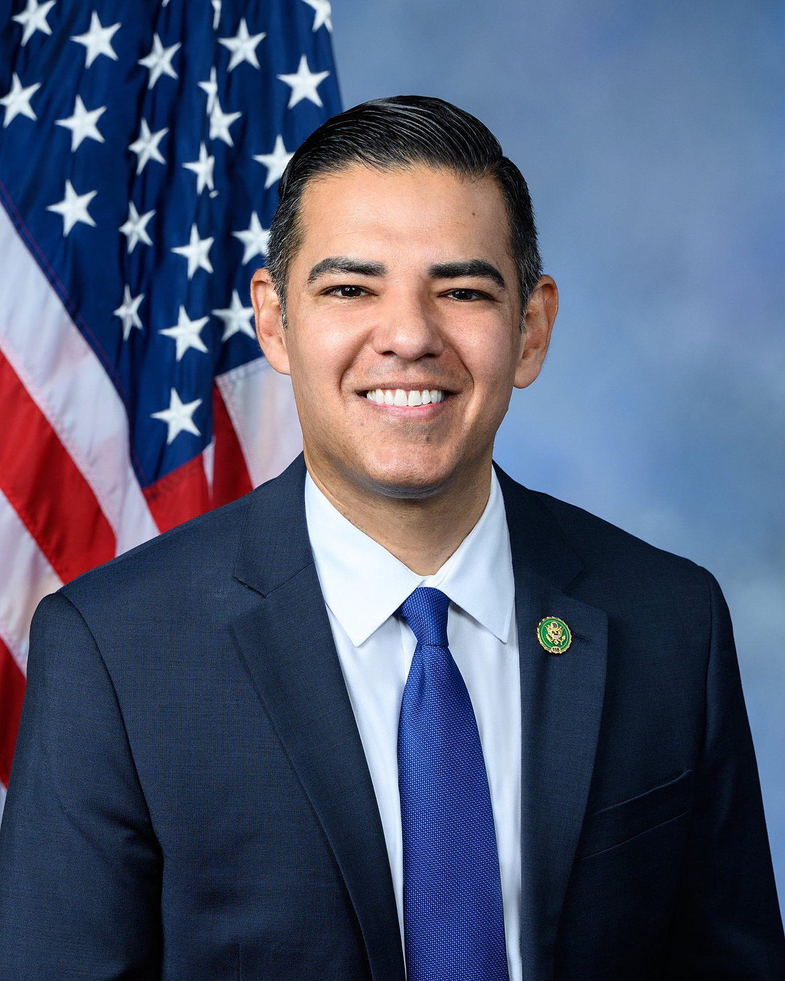
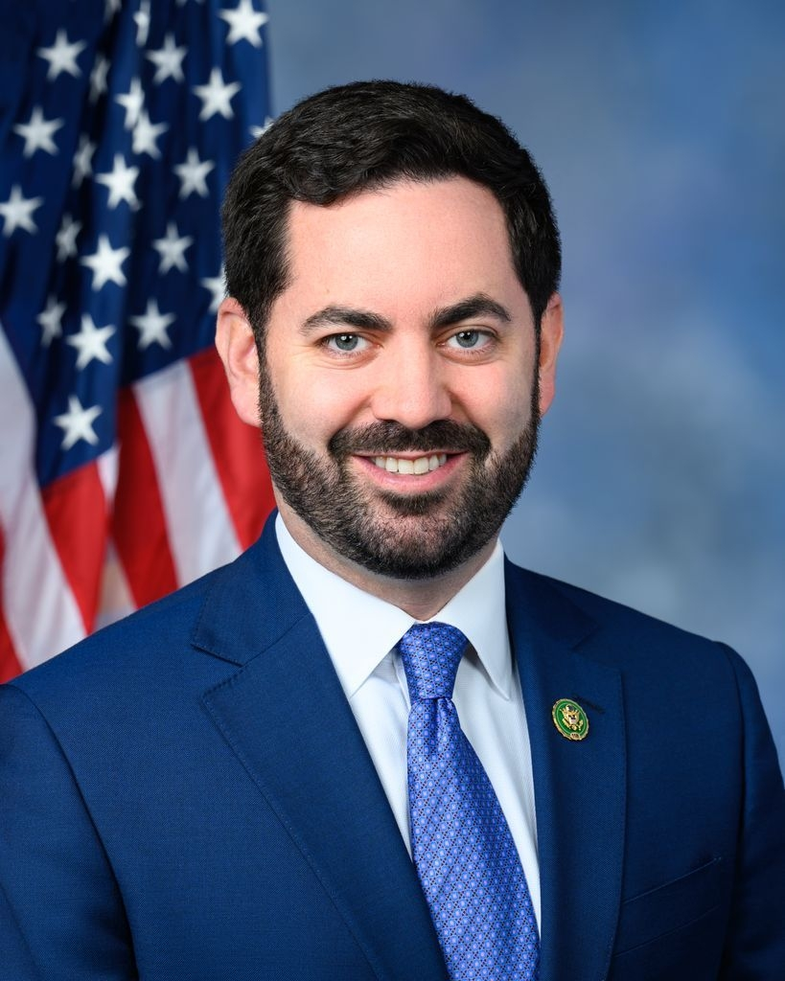
Sponsors
8 bill sponsors






Actions
2 actions
| Date | Action |
|---|---|
| Nov. 20, 2025 | Introduced in House |
| Nov. 20, 2025 | Referred to the House Committee on Transportation and Infrastructure. |
Corporate Lobbying
0 companies lobbying
None found.
* Note that there can be significant delays in lobbying disclosures, and our data may be incomplete.