
H.R. 6206: Protect Culturally Sensitive Information Act
The Protect Culturally Sensitive Information Act is a proposed law aimed at safeguarding the confidentiality of sensitive cultural information shared by Indian Tribes, Alaska Native Entities, and Native Hawaiian Organizations with the Federal Government. The key aspects of the bill are as follows:
Purpose of the Bill
The bill has several main purposes:
- To ensure the confidentiality of culturally sensitive information provided to the Federal Government by Indian Tribes, Alaska Native Entities, and Native Hawaiian Organizations.
- To create a respectful and secure environment for engagement and consultation between these entities and the Federal Government.
- To foster trust and collaboration between government agencies and these Indigenous groups by assuring the protection of their information.
- To support the return of cultural items, including human remains, under existing laws like the Native American Graves Protection and Repatriation Act.
- To enhance support for protecting Indigenous cultural and religious practices as outlined in the American Indian Religious Freedom Act.
Definitions
The bill defines several key terms including:
- Agency: Refers to federal agencies as defined by law.
- Culturally Sensitive Information: Information designated as sensitive due to its cultural significance.
- Tribal Government: The governing body of an Indian Tribe.
- Authorized Representative: A person designated by an Alaska Native Entity, Native Hawaiian Organization, or Tribal Government to manage culturally sensitive information.
Prohibitions and Protections
The bill establishes protections for culturally sensitive information and outlines specific guidelines for handling such information:
- Designation: Tribal Governments or their representatives can designate certain information as culturally sensitive.
- Consultation Requirement: Agencies that receive designated information must consult with the relevant Tribal Government or Authorized Representative regarding how to store and share the information.
- Public Disclosure Prohibition: Culturally sensitive information is exempt from public disclosure under the Freedom of Information Act and cannot be released publicly without consent.
- Regulations for Disclosure: If compelled by a court order, agencies must notify relevant Tribal Governments and try to mitigate any potential adverse effects from the disclosure.
- Closed Consultations: Consultations involving culturally sensitive topics can be closed to the public upon request, and related records will also be protected.
- Best Practices Guidelines: The Secretary of the Interior will develop guidelines for federal agencies to better understand and responsibly handle culturally sensitive information.
Implementation Timeline
Federal agencies are required to adopt rules and regulations to implement this Act within one year of its enactment, ensuring compliance across relevant departments.
Relevant Companies
None found
This is an AI-generated summary of the bill text. There may be mistakes.
Sponsors
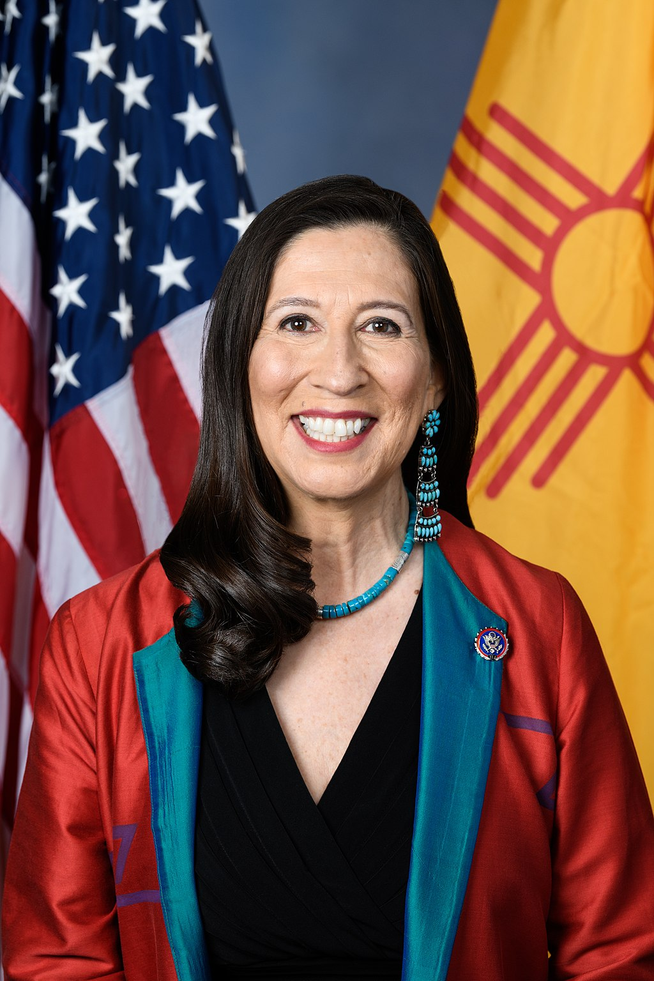
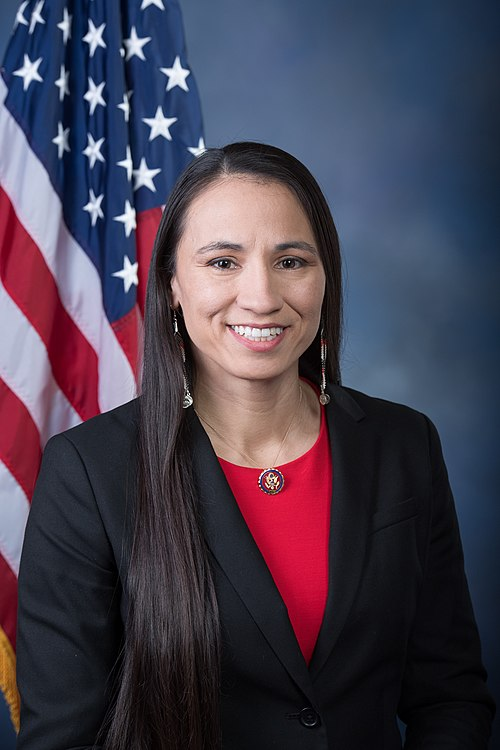
3 bill sponsors

Actions
2 actions
| Date | Action |
|---|---|
| Nov. 20, 2025 | Introduced in House |
| Nov. 20, 2025 | Referred to the House Committee on Natural Resources. |
Corporate Lobbying
0 companies lobbying
None found.
* Note that there can be significant delays in lobbying disclosures, and our data may be incomplete.
Potentially Relevant Congressional Stock Trades
No relevant congressional stock trades found.