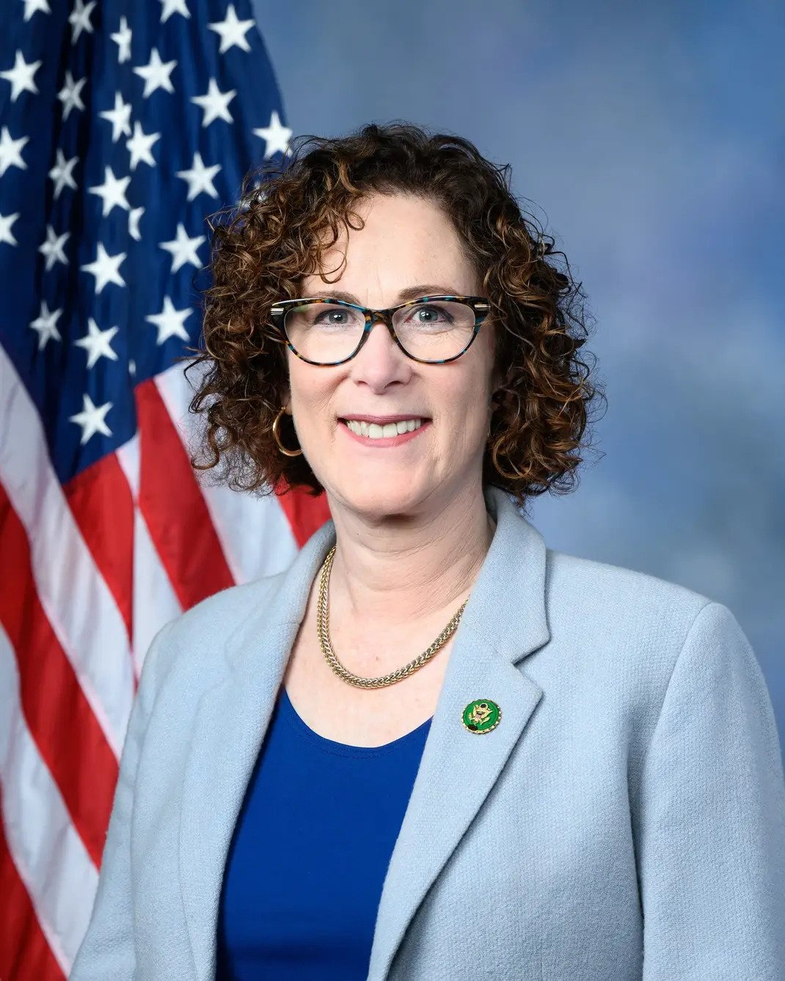
H.R. 6187: Wojnovich Pipeline Safety Act of 2025
The Wojnovich Pipeline Safety Act of 2025 proposes several measures aimed at improving the safety and modernization of hazardous liquid pipeline infrastructure in the United States. The key components of the bill include:
Establishment of Grant Program
The bill directs the Administrator of the Pipeline and Hazardous Materials Safety Administration (PHMSA) to create a grant program for enhancing the safety and modernization of hazardous liquid distribution infrastructure. The program will help municipalities and community-owned utilities fund such improvements.
Eligible Recipients
- Minnesota municipalities that meet certain disclosure requirements.
- Community-owned utilities that are nonprofit entities.
These entities can also form public-private partnerships to implement projects funded by the grants.
Project Selection Process
The Secretary will publish funding opportunities and establish application procedures considering factors like:
- The risk profile of existing pipeline systems.
- The job creation potential of the project.
- The economic impact or growth expected from the project.
Funding and Oversight
The bill authorizes $100 million annually from fiscal years 2026 through 2030 for the grants, limiting individual grant awards to no more than 12.5% of total funds. Additionally, it allocates a portion of the funds for administrative costs and oversight by the Department of Transportation’s inspector general.
Website Update and Reporting
The PHMSA's website will be updated for improved public accessibility, requiring regular reports on pipeline accidents and incidents, including remediation status updates every 90 days until resolved.
Public Notification and Preparedness
To qualify for grant participation, states must mandate that real estate contracts disclose nearby hazardous liquid pipeline easements. This disclosure should include operator contact information, pipeline details, and historical incident data.
The bill also requires pipeline operators to establish emergency alert systems to notify local communities of incidents within a mile of the pipelines.
Inspection and Testing Requirements
The bill mandates regulated operators to conduct in-person tests for water, soil, or air contamination when incidents occur, with specified testing protocols. Operators must inform affected residents of test results if contamination is detected.
Penalties for Non-Compliance
Operators declaring leaks or incidents will face penalties of $2.5 million annually until the issue is resolved. If they do not report within 15 days, this penalty increases to $5 million.
Emergency Response Reimbursements
Funds will be made available for local emergency response entities to cover costs related to incidents, such as replacing damaged equipment, paying overtime for responders, and other related operational costs.
Community Trust Fund
A Hazardous Liquid Pipeline Community Trust Fund will be established to manage penalties collected from violations, with funds used to support the intended safety and modernization objectives outlined in the bill.
Industry Knowledge Reporting
The PHMSA must submit quarterly reports detailing developments and knowledge regarding pipeline safety and integrity, ensuring this information is considered in policy-making.
Office of Public Engagement
The bill calls for rebranding the Community Liaison Services office within the PHMSA to the Office of Public Engagement, which will focus on outreach, education, and public inquiries concerning pipeline safety practices.
Mandatory Reports
A report on the Office of Public Engagement's implementation must be submitted to Congress within 18 months of the bill's enactment.
Relevant Companies
- EPD - Enterprise Products Partners L.P.: This company operates extensive pipeline systems, which may require upgrades and safety improvements eligible for funding under the new grant program.
- ENB - Enbridge Inc.: As a major player in liquid pipelines, Enbridge may be impacted by the modernization mandates and public notification requirements detailed in the bill.
- SRE - Sempra Energy: With interests in energy infrastructure, Sempra might need to adjust operations or investments to comply with new safety and inspection regulations.
This is an AI-generated summary of the bill text. There may be mistakes.
Sponsors
2 bill sponsors
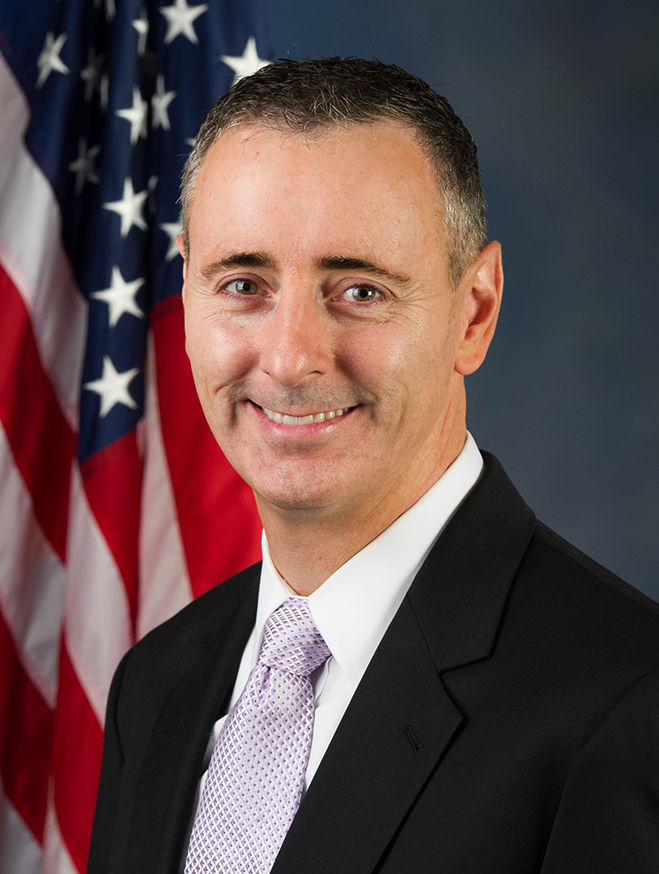
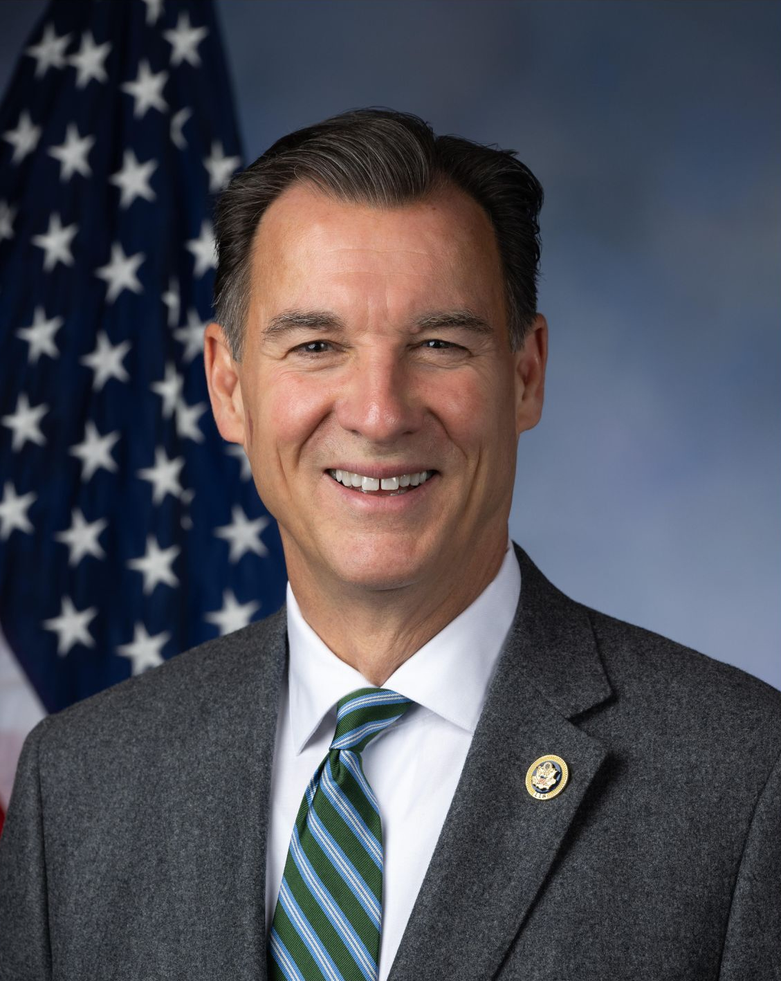
Actions
3 actions
| Date | Action |
|---|---|
| Nov. 21, 2025 | Referred to the Subcommittee on Railroads, Pipelines, and Hazardous Materials. |
| Nov. 20, 2025 | Introduced in House |
| Nov. 20, 2025 | Referred to the Committee on Transportation and Infrastructure, and in addition to the Committee on Energy and Commerce, for a period to be subsequently determined by the Speaker, in each case for consideration of such provisions as fall within the jurisdiction of the committee concerned. |
Corporate Lobbying
0 companies lobbying
None found.
* Note that there can be significant delays in lobbying disclosures, and our data may be incomplete.