H.R. 6180: Bitcoin for America Act
This bill, known as the **Bitcoin for America Act**, proposes significant changes in how taxpayers can fulfill their federal tax obligations. Here’s a breakdown of the key components of the legislation:
1. Payment of Federal Taxes with Bitcoin
The bill introduces a provision allowing taxpayers to pay their federal taxes using Bitcoin. This means:
- Taxpayers would be permitted to transfer Bitcoin to a designated address in order to satisfy their tax liabilities.
- The payment would be considered completed when the transfer is confirmed on the blockchain.
- Taxpayers would not recognize any gain or loss from the transfer of Bitcoin when paying their taxes, simplifying the tax reporting process for this type of transaction.
- The Secretary of the Treasury will establish regulations regarding how the value of Bitcoin is determined at the time of payment.
2. Strategic Bitcoin Reserve
In addition to allowing tax payments in Bitcoin, the bill establishes a **Strategic Bitcoin Reserve**. Key details include:
- All Bitcoin received as tax payments will be deposited into this reserve.
- The Secretary of the Treasury will manage the reserve, including overseeing its storage, security, and overall management.
- Bitcoin in the reserve is intended for long-term retention, and the Secretary is restricted from excessive sale or exchange of held Bitcoins.
- Annual reports will be published detailing the total Bitcoin holdings and their management.
3. Goals and Implications
The findings of Congress present several motivations behind this bill:
- **Diversification of National Assets**: By incorporating Bitcoin into the financial system, the U.S. aims to diversify its national wealth and increase resilience against inflation and economic instability.
- **Global Competitiveness**: The bill addresses concerns that other nations are acquiring Bitcoin, which positions the U.S. to remain competitive in the global financial landscape.
- **Financial Inclusion**: Allowing Bitcoin tax payments is seen as a step toward including underserved populations in the economy, enabling participation without reliance on traditional banking systems.
- **Long-Term Value Growth**: Given Bitcoin's design and historical appreciation, the bill suggests this move could benefit the fiscal health of the United States over time.
4. Administration and Regulation
The Secretary of the Treasury will have considerable authority to establish regulations necessary for implementing these provisions. This includes:
- Setting guidelines for how Bitcoin payments are processed.
- Determining the fair market value of Bitcoin at the time of payment.
- Overseeing third-party financial agents to assist in managing the Bitcoin transactions.
Relevant Companies
- SQ: Square, Inc. - As a prominent financial services and mobile payment company, any changes in regulatory attitudes towards cryptocurrency could impact their operations and service offerings.
- COIN: Coinbase Global, Inc. - This cryptocurrency exchange could see changes in user behavior and regulatory compliance requirements impacting their business model.
- GS: Goldman Sachs - As a global investment banking firm, increased federal acceptance of Bitcoin could influence their investment strategies and offerings in digital assets.
This is an AI-generated summary of the bill text. There may be mistakes.
Sponsors
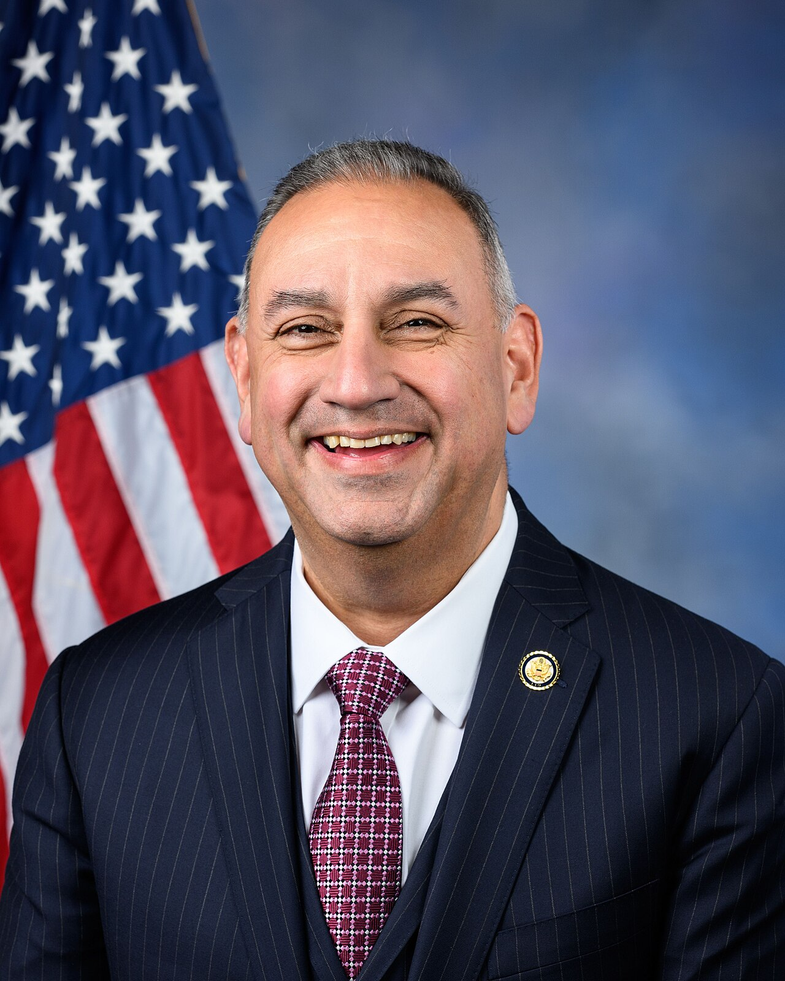
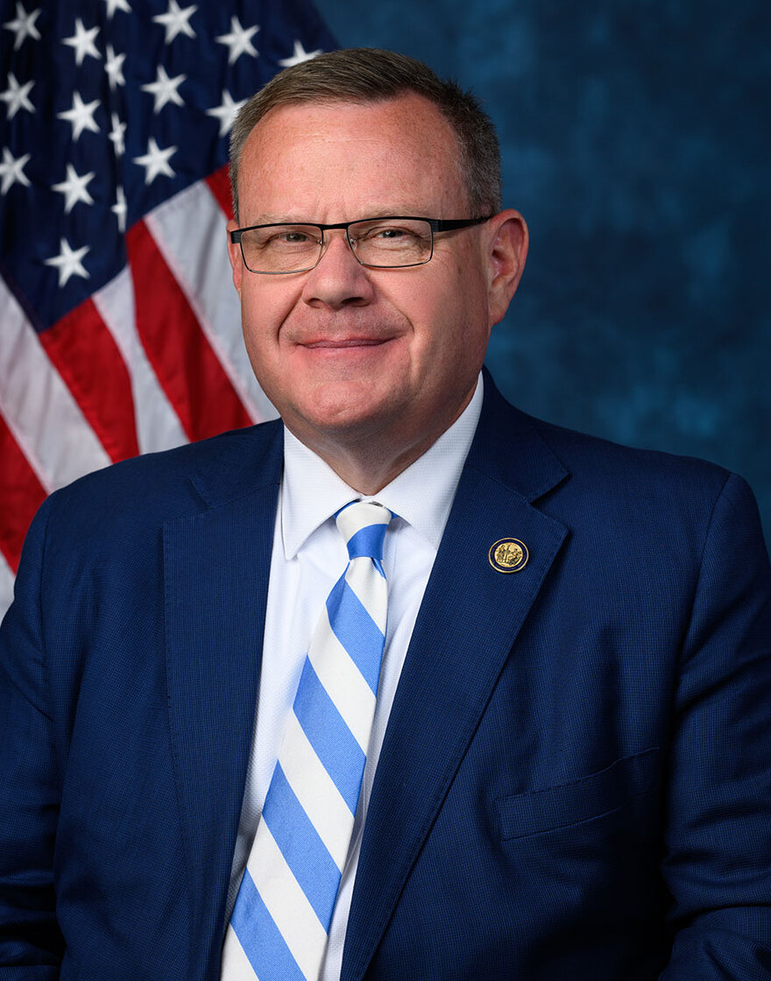
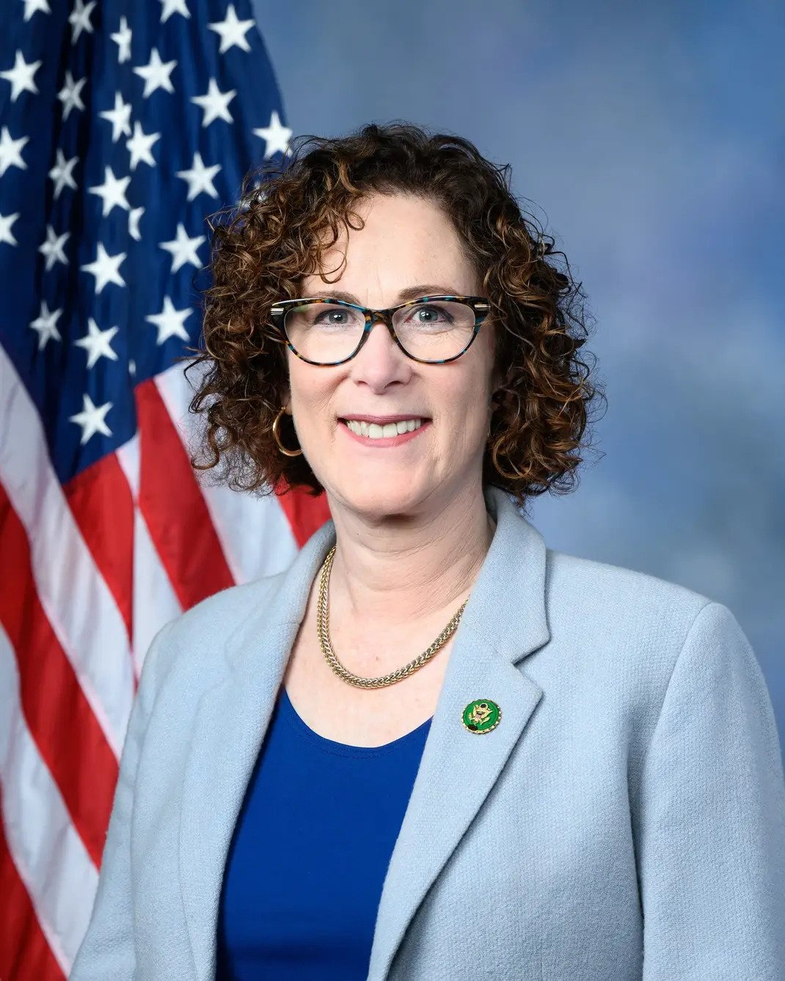
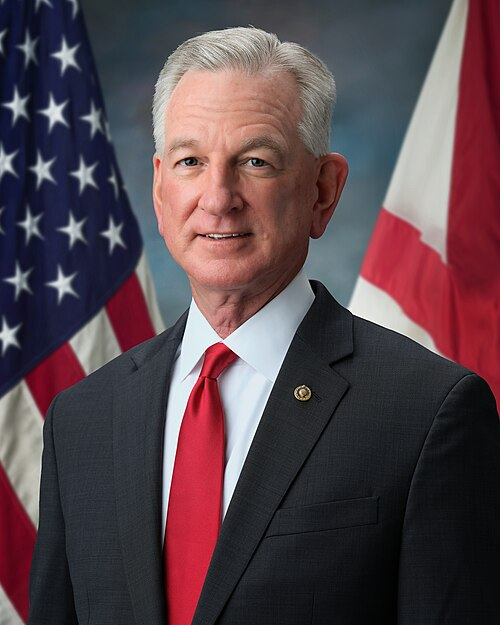
1 sponsor

Actions
2 actions
| Date | Action |
|---|---|
| Nov. 20, 2025 | Introduced in House |
| Nov. 20, 2025 | Referred to the Committee on Ways and Means, and in addition to the Committee on Financial Services, for a period to be subsequently determined by the Speaker, in each case for consideration of such provisions as fall within the jurisdiction of the committee concerned. |
Corporate Lobbying
0 companies lobbying
None found.
* Note that there can be significant delays in lobbying disclosures, and our data may be incomplete.