
H.R. 6152: Foreign Robocall Elimination Act
This bill, known as the Foreign Robocall Elimination Act, aims to combat unlawful robocalls that are made into the United States from other countries. It primarily establishes a taskforce focused on addressing and reducing such calls. Below are the key provisions and actions the bill proposes:
Establishment of a Taskforce
The bill mandates the creation of a taskforce by the Federal Communications Commission (FCC) within 270 days of the bill becoming law. The taskforce will include:
- Representatives from federal agencies relevant to combating robocalls.
- Seven representatives from private sector entities with expertise in tackling unlawful robocalls.
Defining Unlawful Robocalls
The term "unlawful robocall" refers to telephone calls made in violation of certain regulations established under the Communications Act of 1934. The taskforce will focus specifically on these types of calls that originate from outside the United States.
Taskforce Responsibilities
The taskforce will be responsible for:
- Preparing a comprehensive report on unlawful robocalls, which includes recommendations for federal agencies and Congress on effective methods to combat such calls.
- Studying the volume and impact of unlawful robocalls, identifying countries that are major sources of these calls, and examining financial losses and instances of identity theft linked to these calls.
- Exploring technical enhancements for caller identification authentication, and ways to encourage foreign countries to adopt these technologies.
- Evaluating federal enforcement capabilities concerning unlawful robocalls and identifying resource needs for doing so.
Regulations for Providers
The bill includes provisions that may require telephone service providers to post a bond (up to $100,000) before they can certify information in the Robocall Mitigation Database, ensuring that the database remains reliable and effective. Certain established providers could be exempt from this bond requirement based on their qualifications.
Traceback Efforts
The legislation promotes a private-led effort through a registered consortium to trace back the origins of robocalls. The bill provides immunity to this consortium for sharing and publishing information related to suspected unlawful robocalls.
Publication of Voice Service Providers
The FCC or the consortium will be able to publish a list of voice service providers that do not participate in tracing efforts for illegal calls, or that generate substantial amounts of unlawful robocalls. This aims to hold providers accountable and inform consumers.
Funding and Resources
Federal agencies involved in the taskforce will be allowed to use available funds to coordinate their efforts in combating unlawful robocalls.
Termination of the Taskforce
The taskforce will disband 90 days after submitting its report to Congress.
Relevant Companies
- TMUS: T-Mobile, a major telecommunications provider that may need to comply with additional regulations and processes regarding robocall mitigation.
- T: AT&T, one of the largest telecom companies in the U.S., which will be impacted by any new requirements for robocall mitigation efforts.
- VZ: Verizon, another leading telecom provider likely to adapt its practices to align with the new regulations proposed by the bill.
This is an AI-generated summary of the bill text. There may be mistakes.
Sponsors
39 bill sponsors
-
TrackAddison McDowell
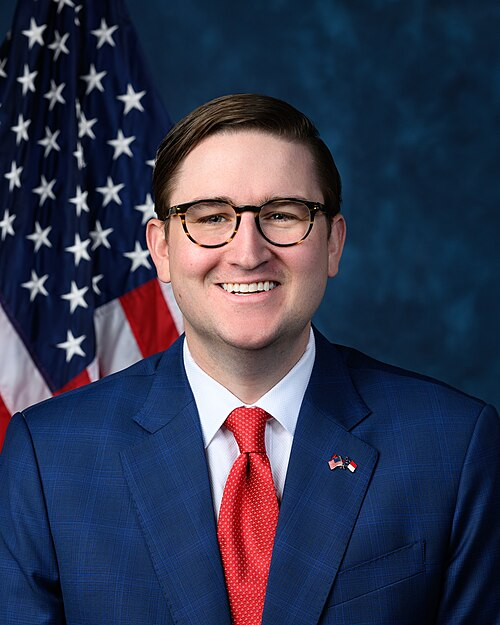
Sponsor
-
TrackJoyce Beatty
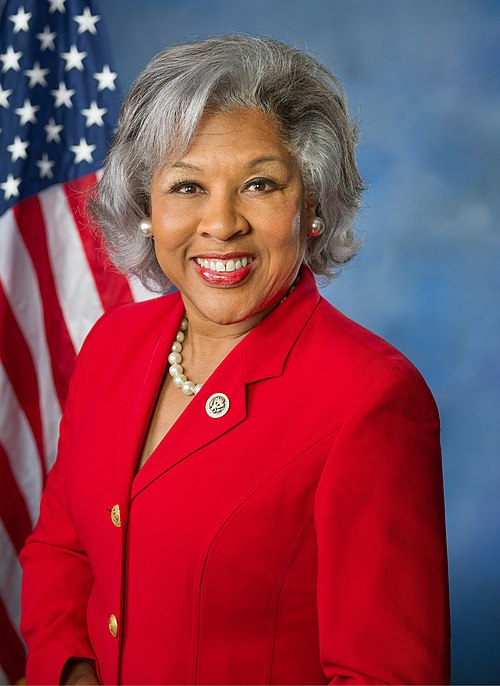
Co-Sponsor
-
TrackStephanie I. Bice
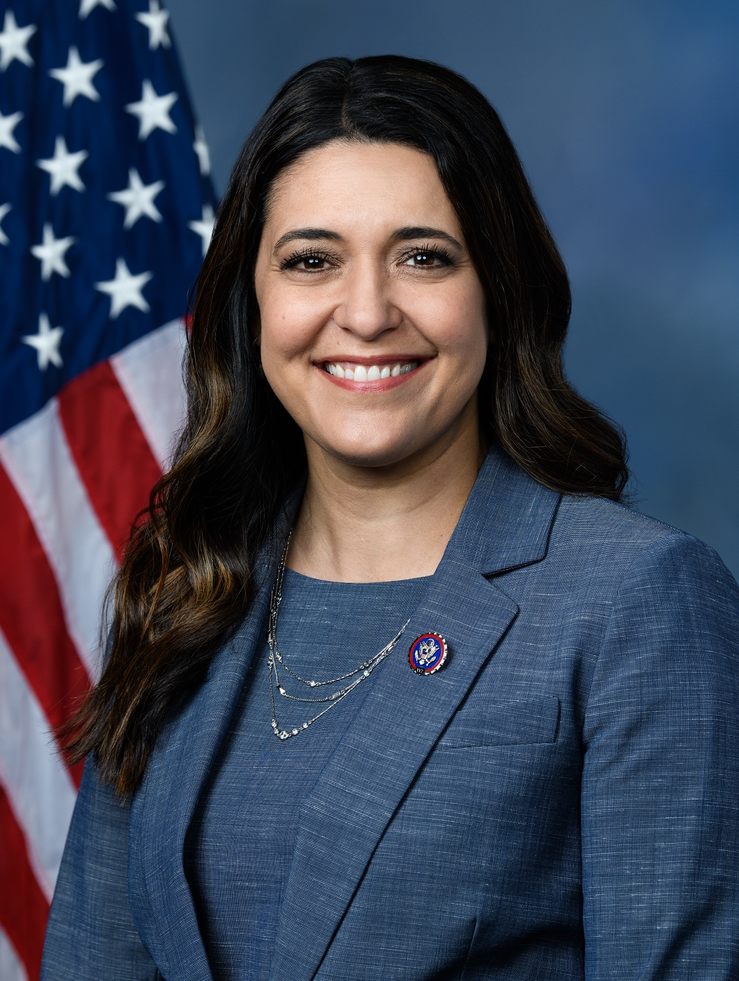
Co-Sponsor
-
TrackMike Bost
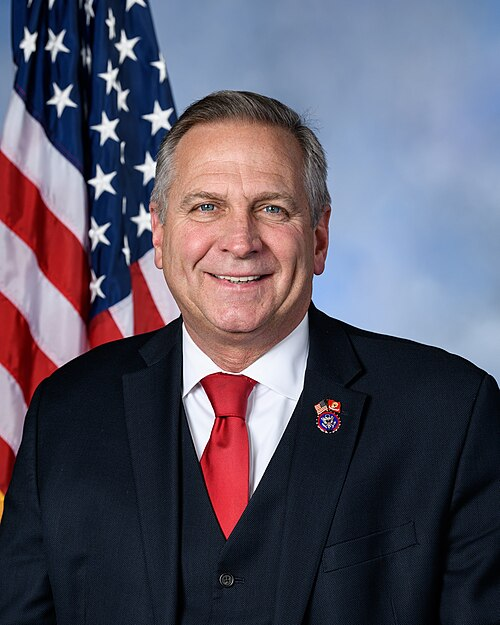
Co-Sponsor
-
TrackKat Cammack
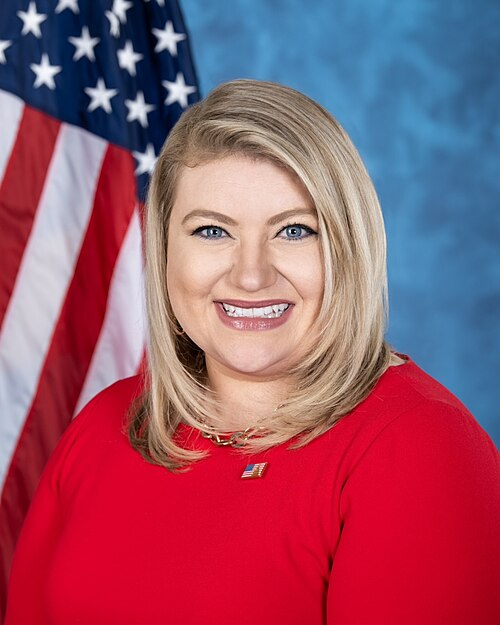
Co-Sponsor
-
TrackTroy A. Carter
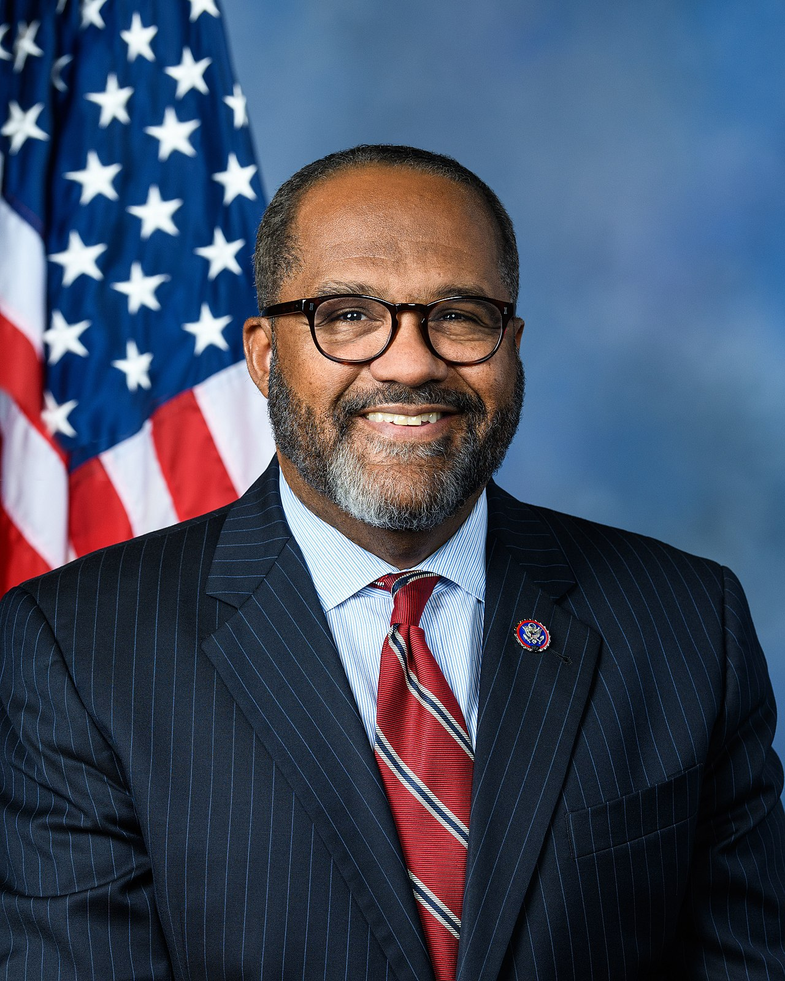
Co-Sponsor
-
TrackBen Cline
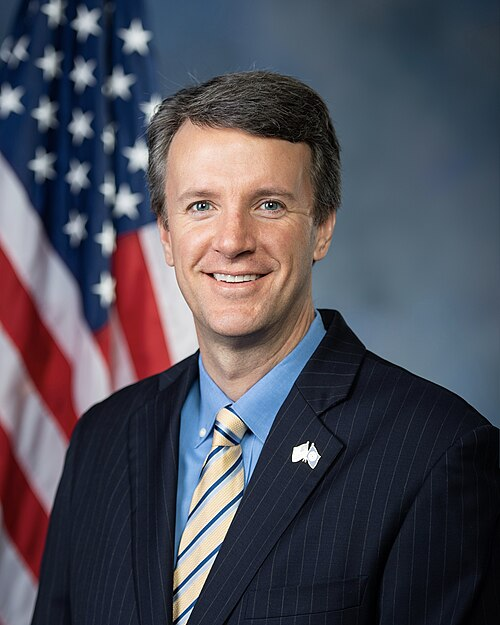
Co-Sponsor
-
TrackDonald G. Davis
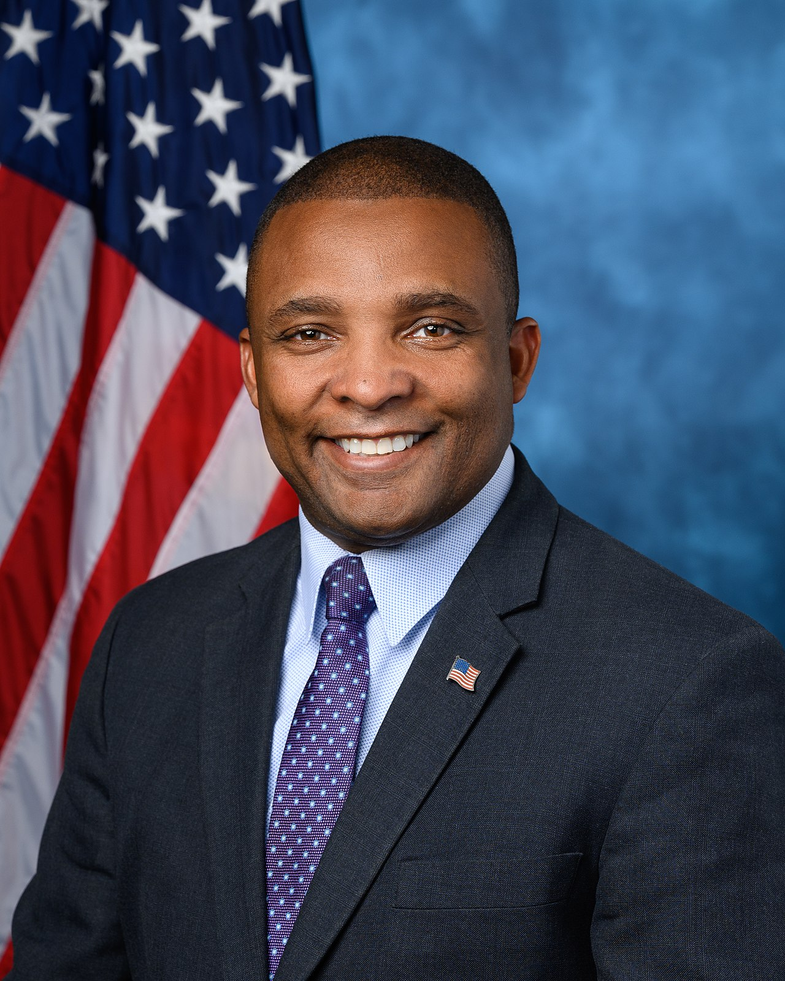
Co-Sponsor
-
TrackDebbie Dingell
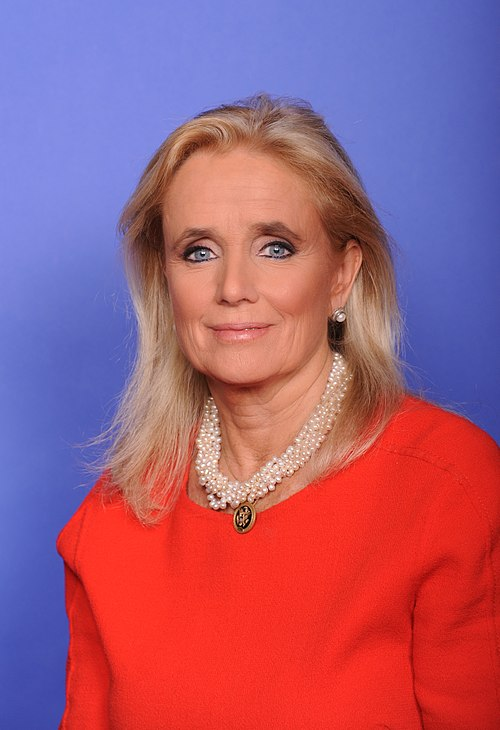
Co-Sponsor
-
TrackNeal P. Dunn
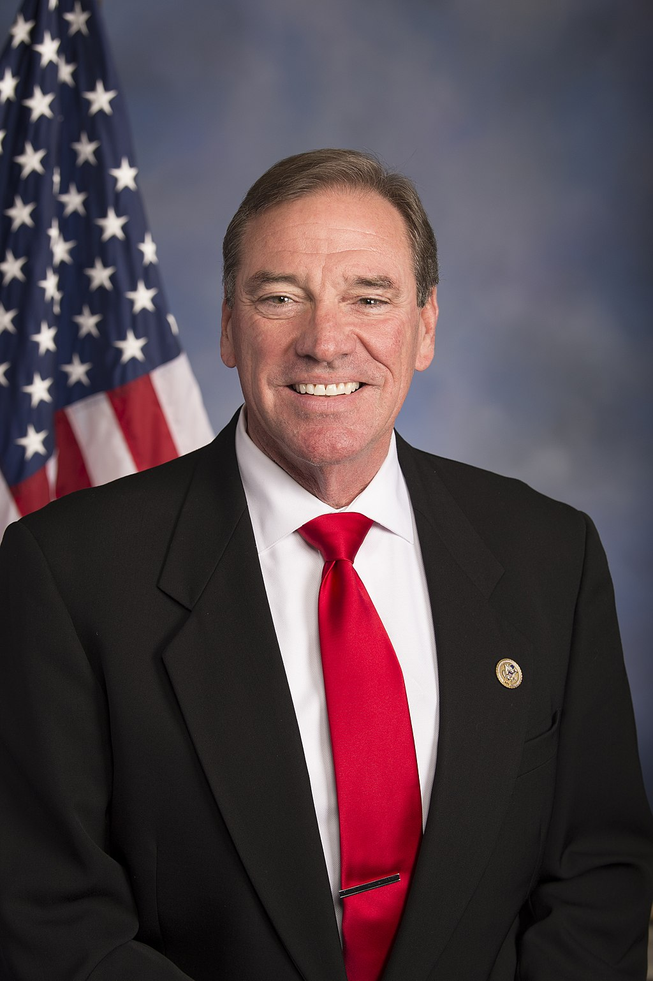
Co-Sponsor
-
TrackAndrew R. Garbarino
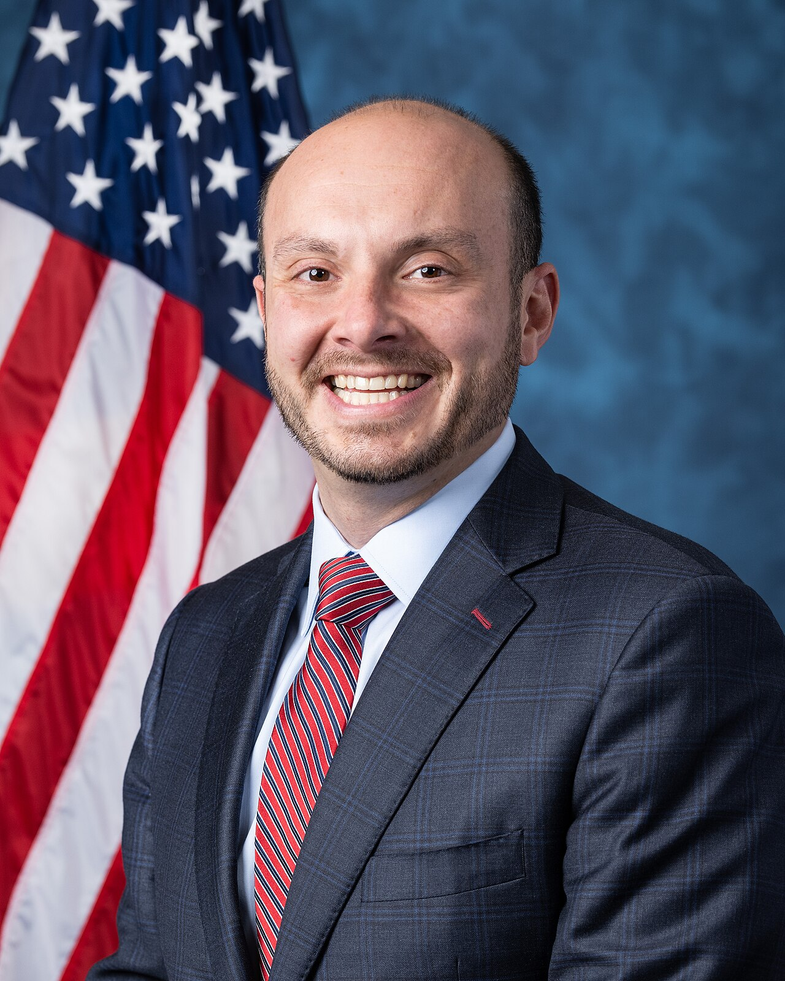
Co-Sponsor
-
TrackLaura Gillen
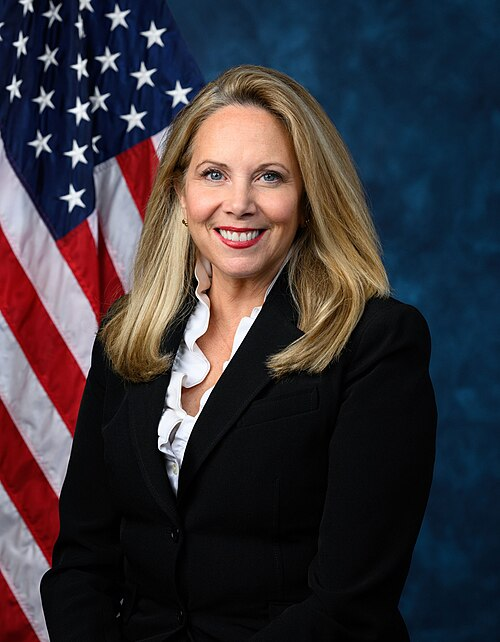
Co-Sponsor
-
TrackJosh Gottheimer
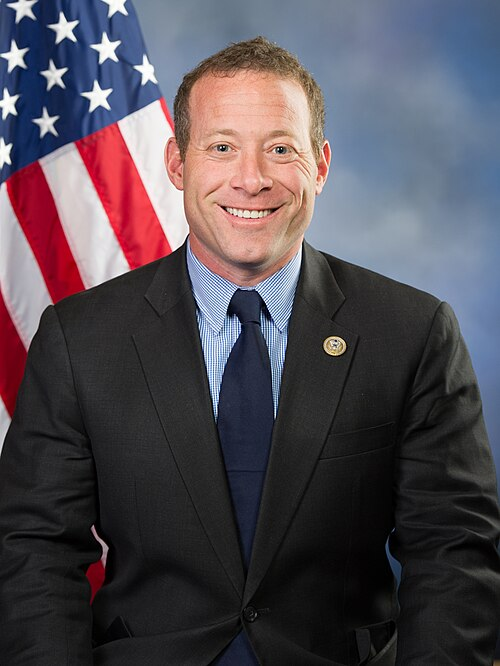
Co-Sponsor
-
TrackH. Morgan Griffith
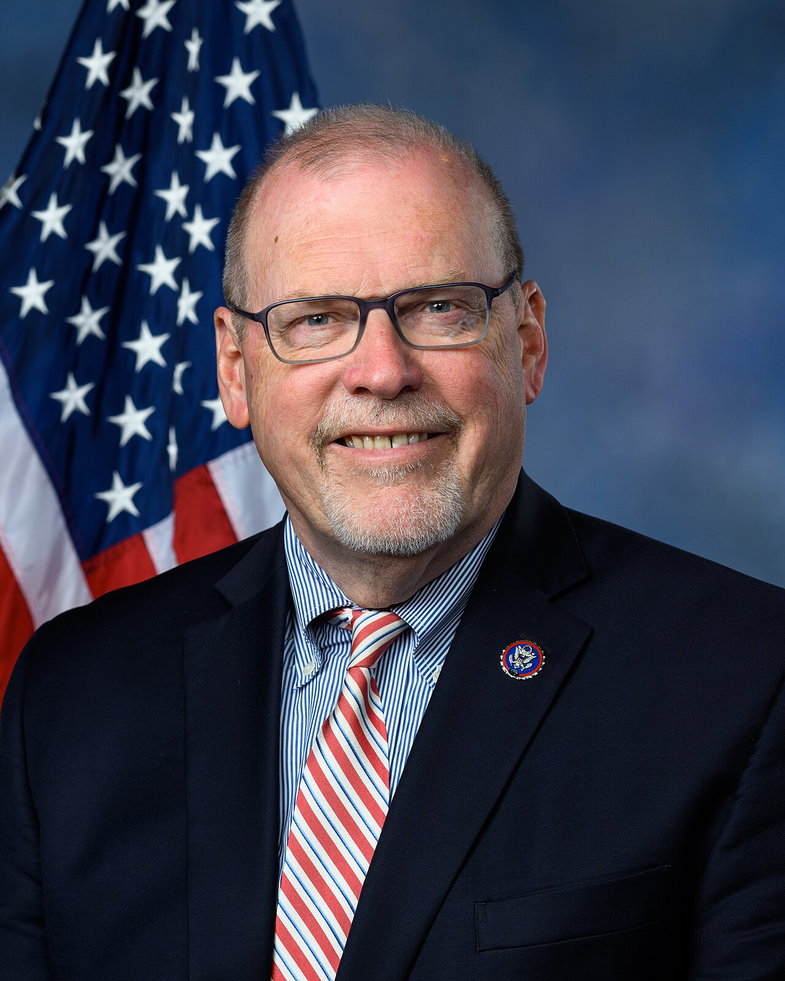
Co-Sponsor
-
TrackPat Harrigan
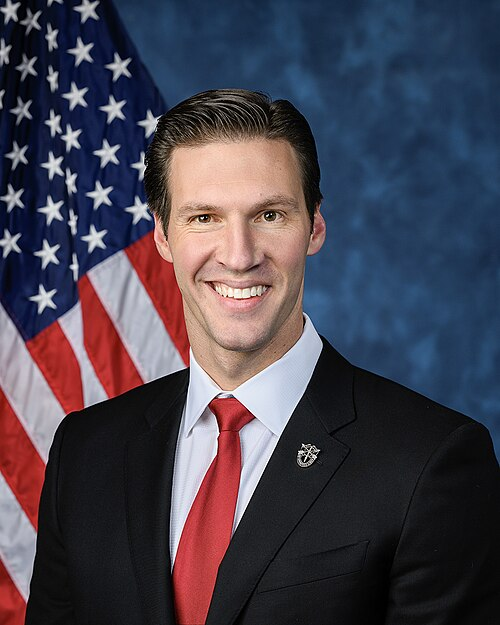
Co-Sponsor
-
TrackDiana Harshbarger
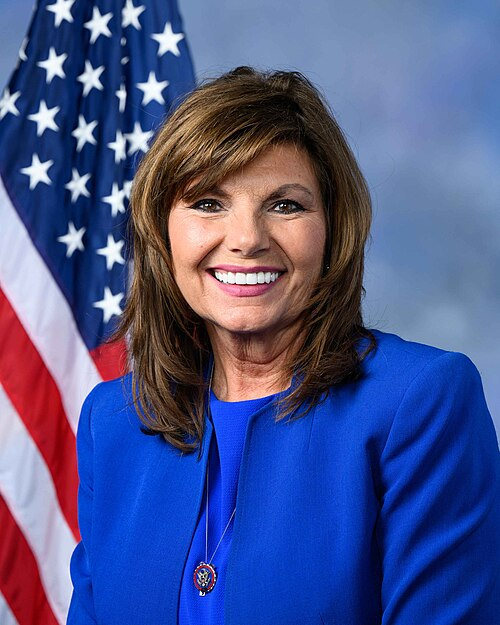
Co-Sponsor
-
TrackJohn James
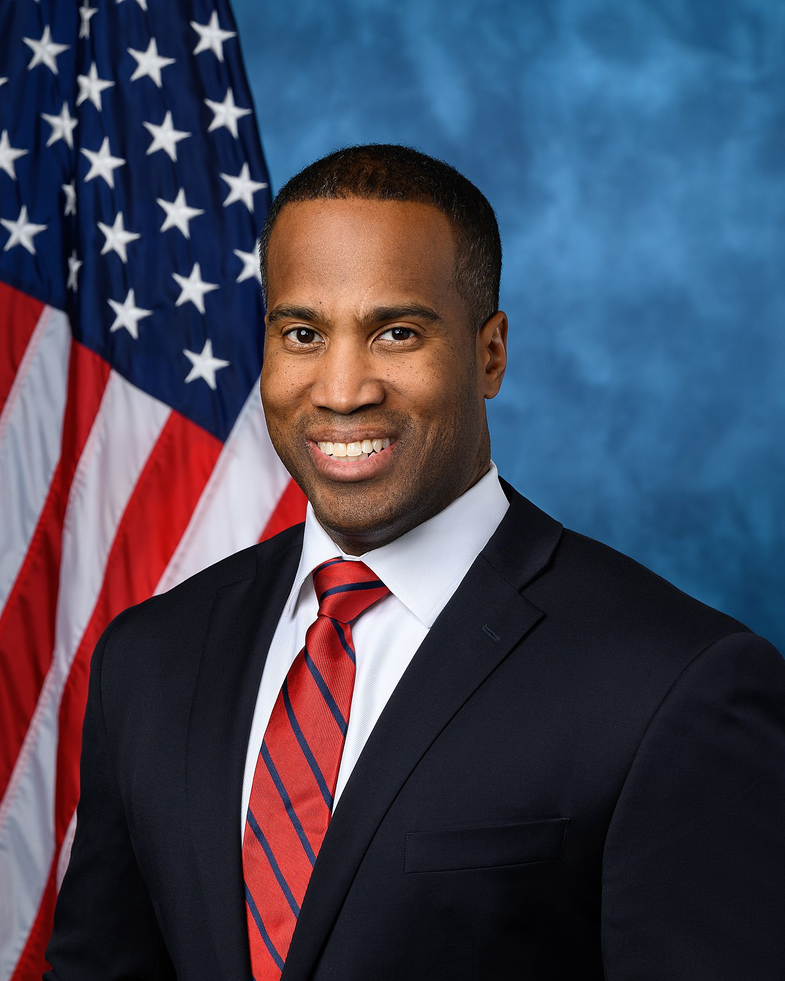
Co-Sponsor
-
TrackJohn Joyce
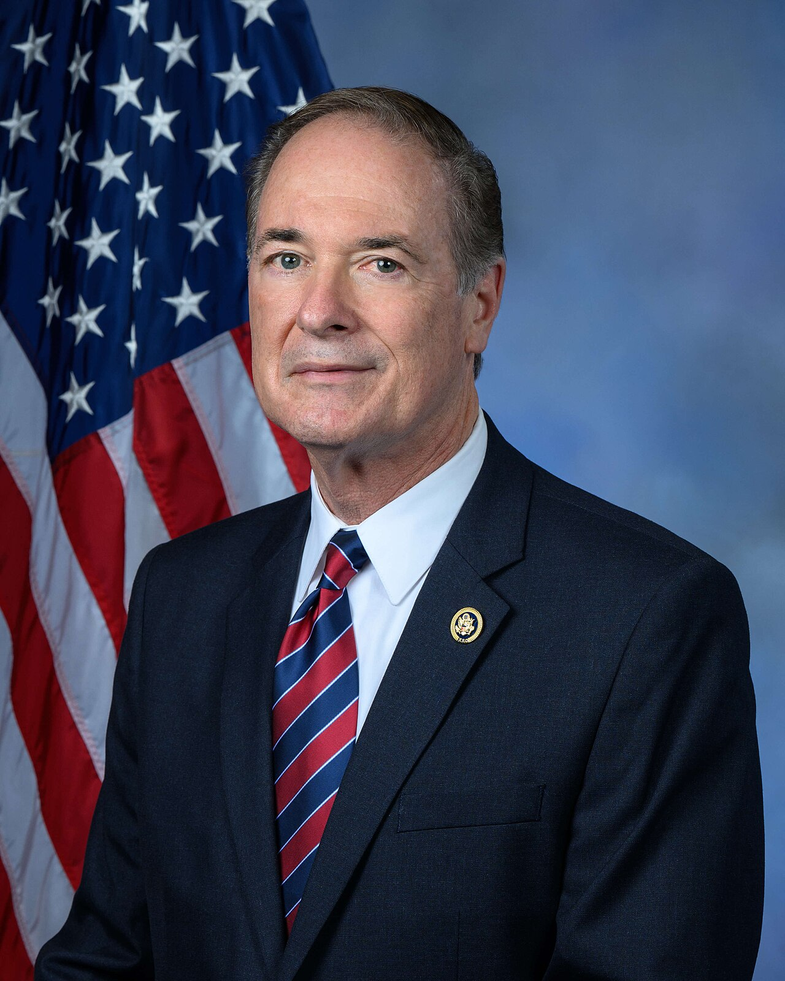
Co-Sponsor
-
TrackThomas H. Kean, Jr.
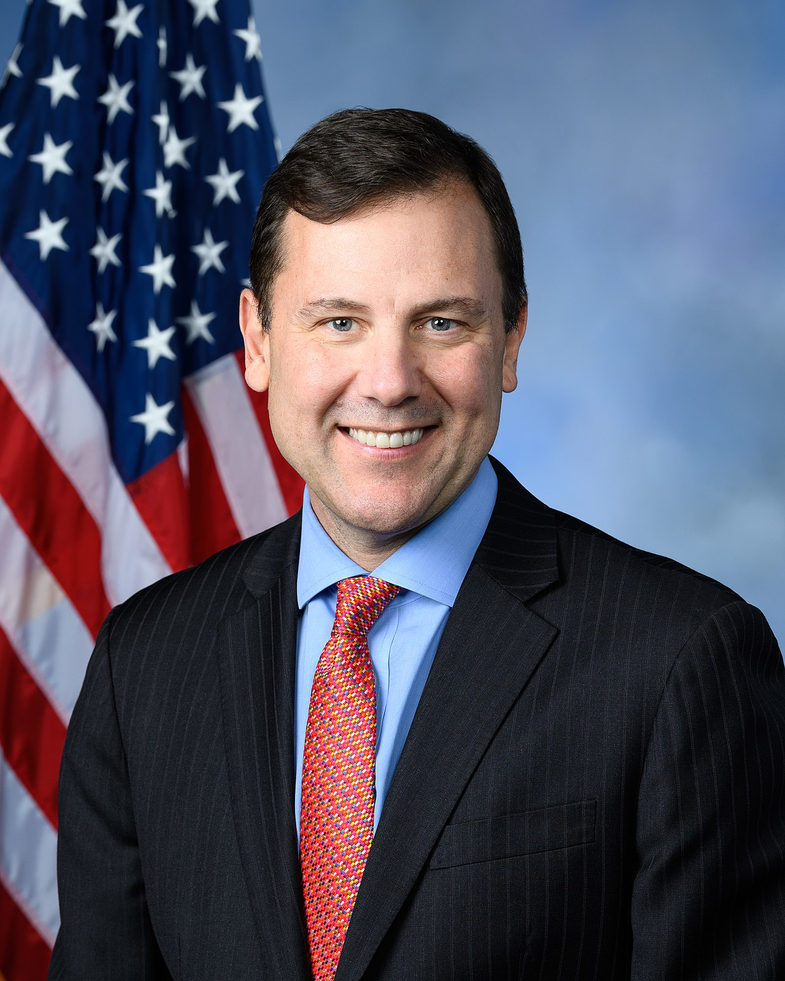
Co-Sponsor
-
TrackNicholas A. Langworthy
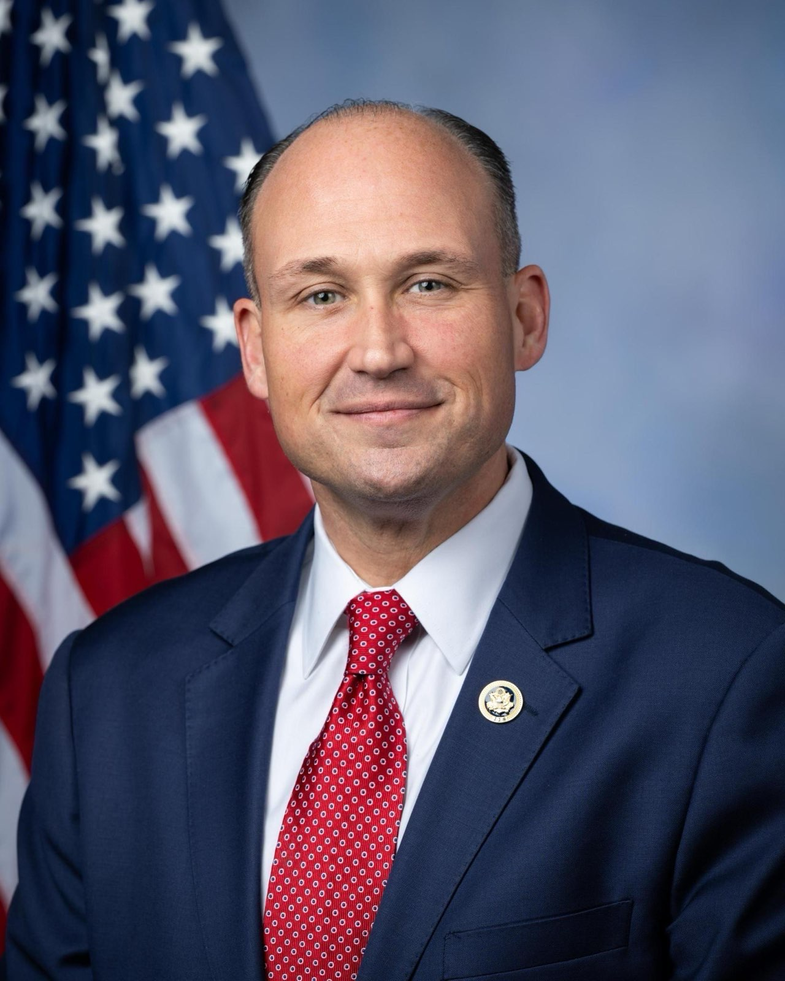
Co-Sponsor
-
TrackGeorge Latimer
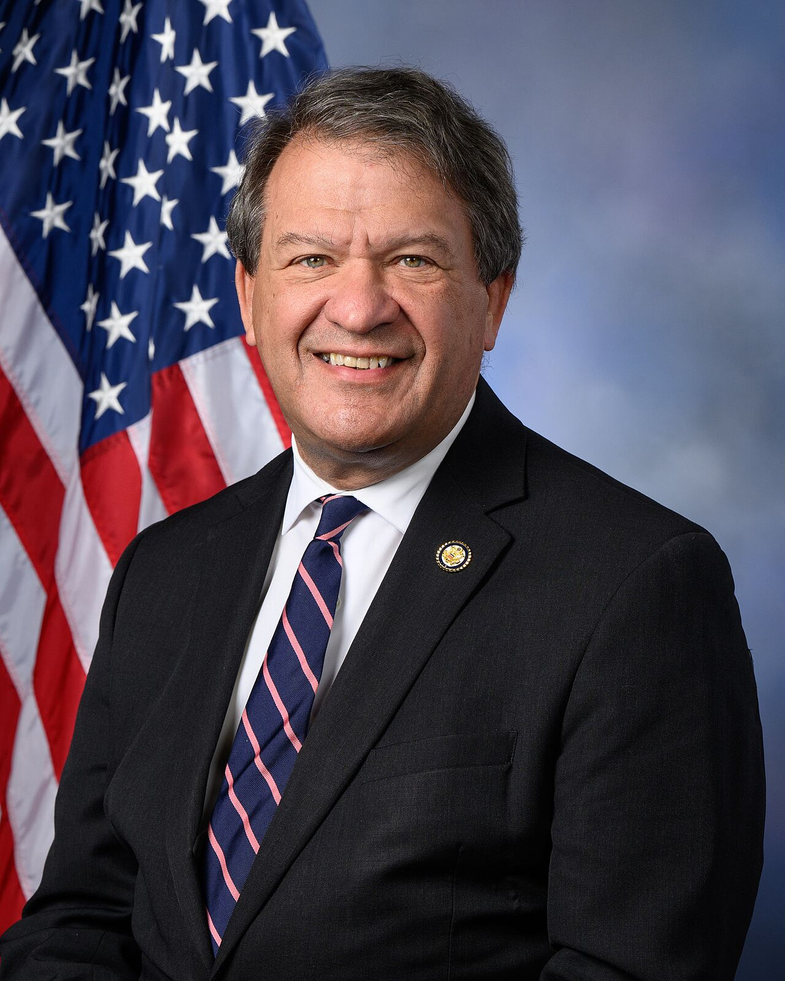
Co-Sponsor
-
TrackRobert E. Latta
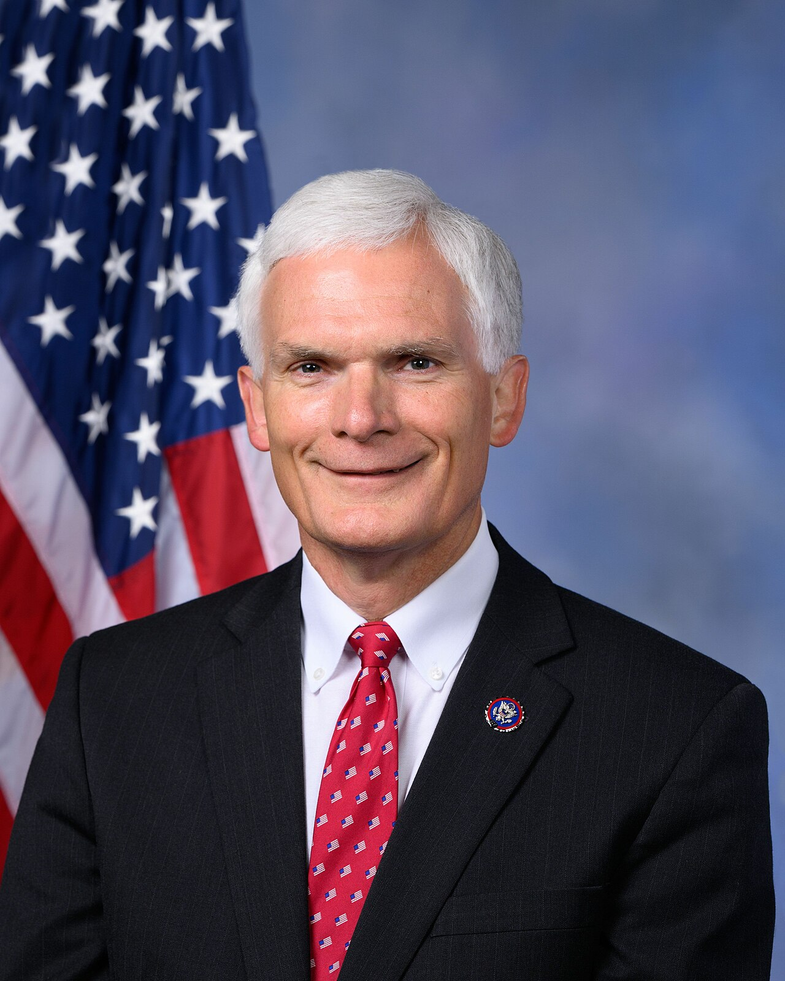
Co-Sponsor
-
TrackRyan Mackenzie
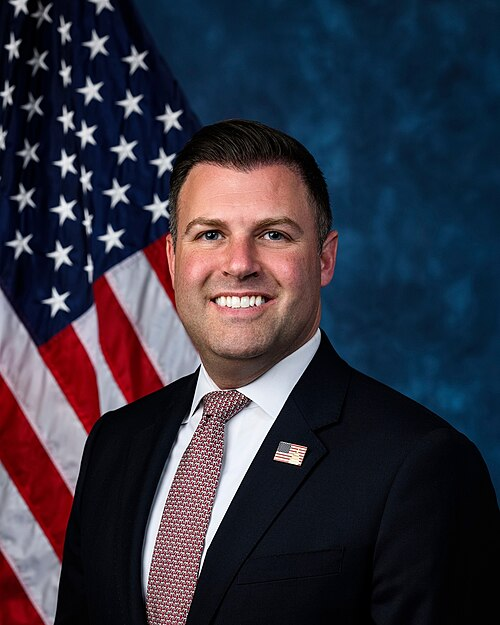
Co-Sponsor
-
TrackJohn Mannion
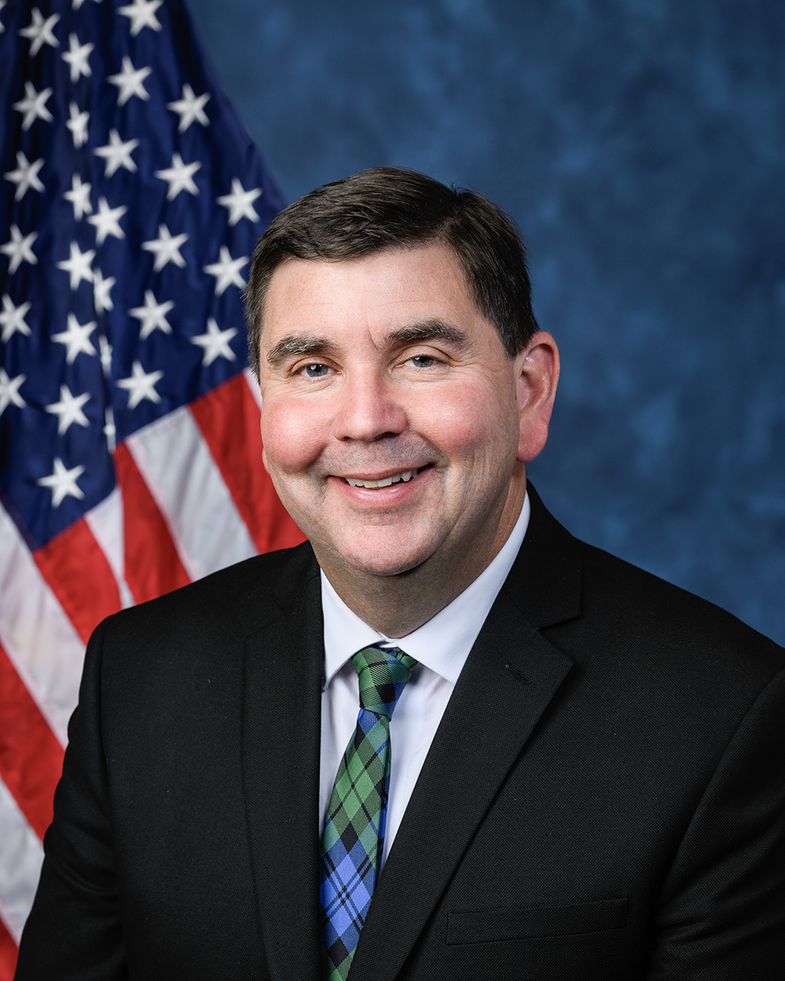
Co-Sponsor
-
TrackSarah McBride
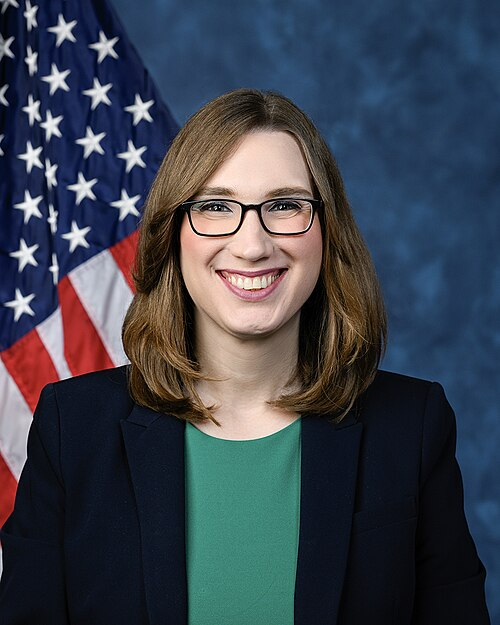
Co-Sponsor
-
TrackDave Min
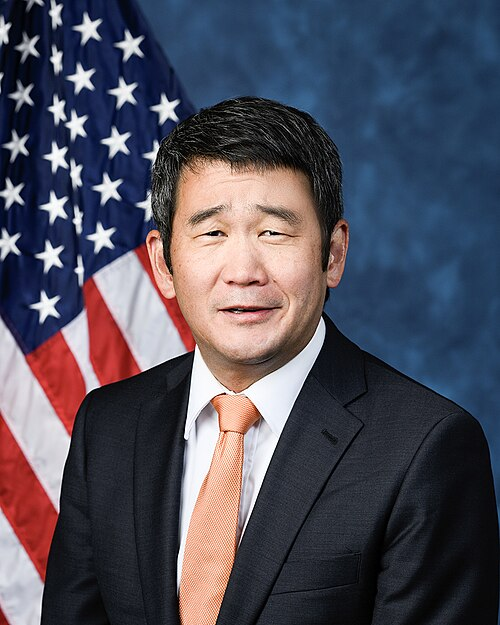
Co-Sponsor
-
TrackTim Moore
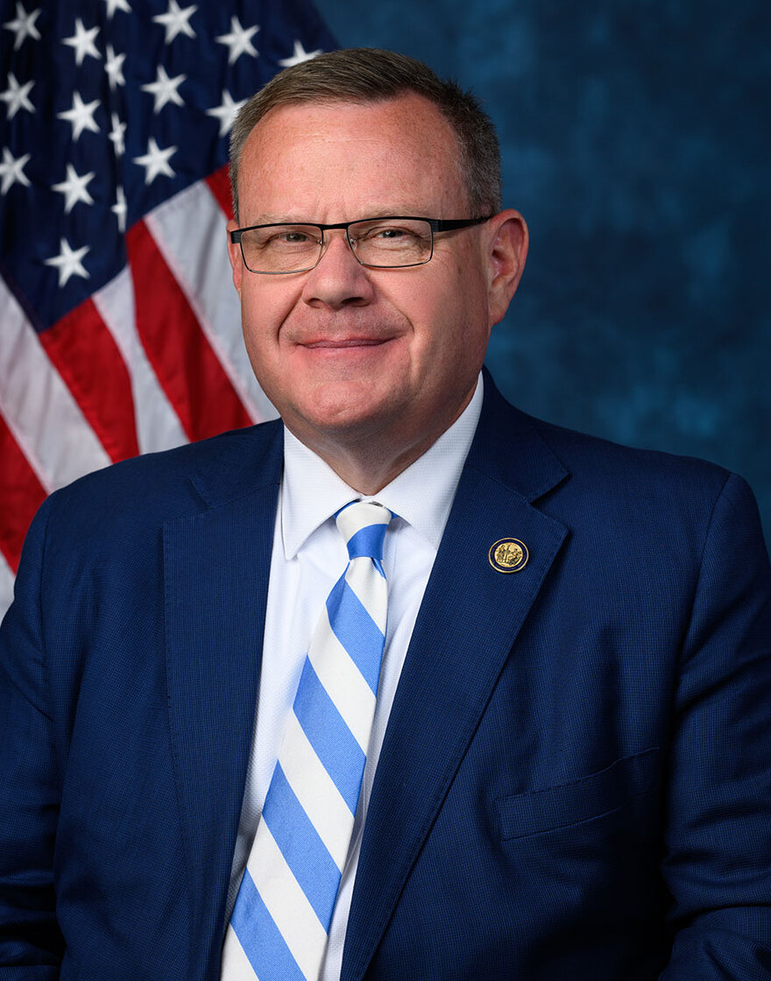
Co-Sponsor
-
TrackKelly Morrison
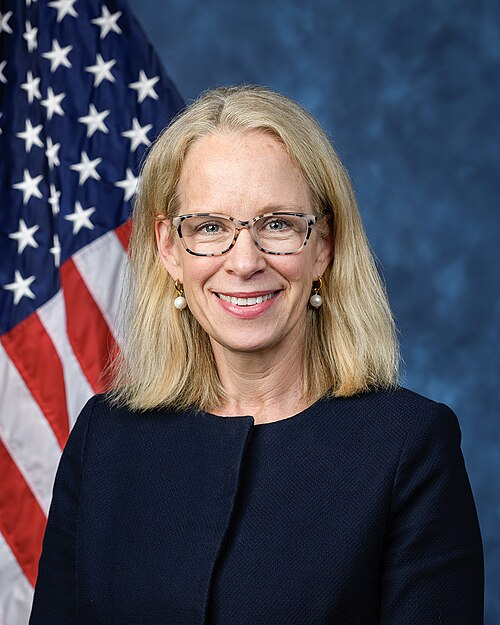
Co-Sponsor
-
TrackJoe Neguse
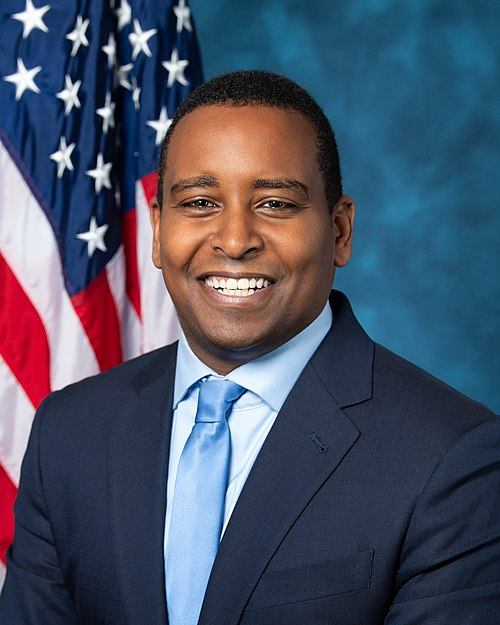
Co-Sponsor
-
TrackJimmy Panetta
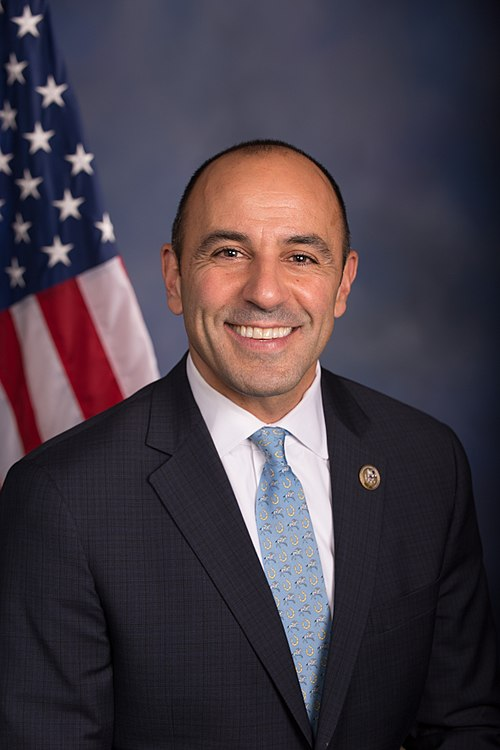
Co-Sponsor
-
TrackAugust Pfluger
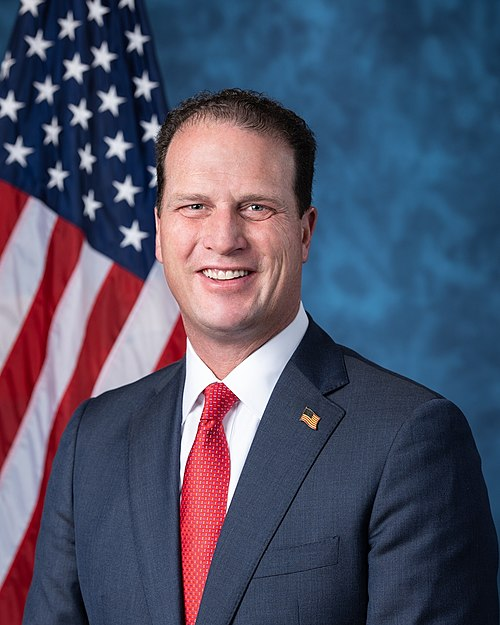
Co-Sponsor
-
TrackJosh Riley
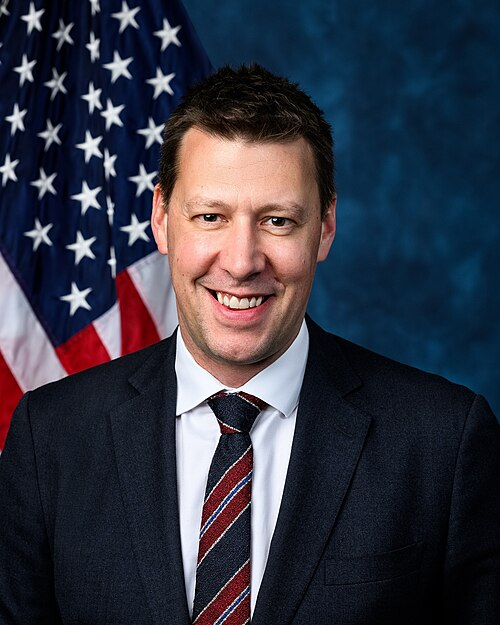
Co-Sponsor
-
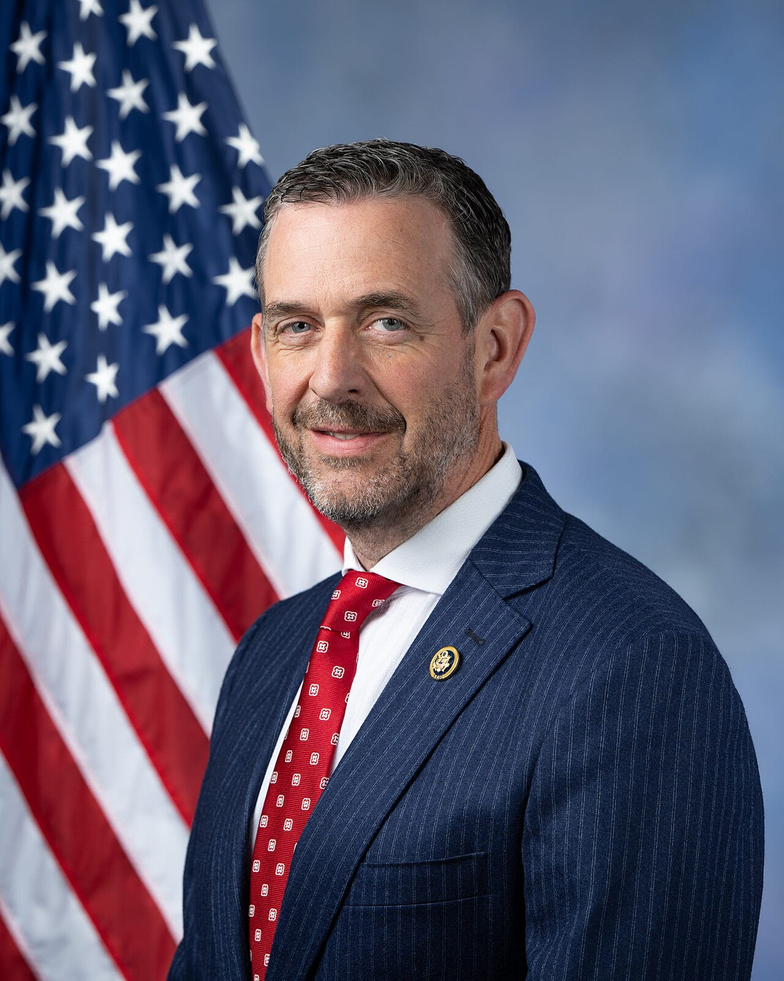
TrackMichael A. Rulli
Co-Sponsor
-
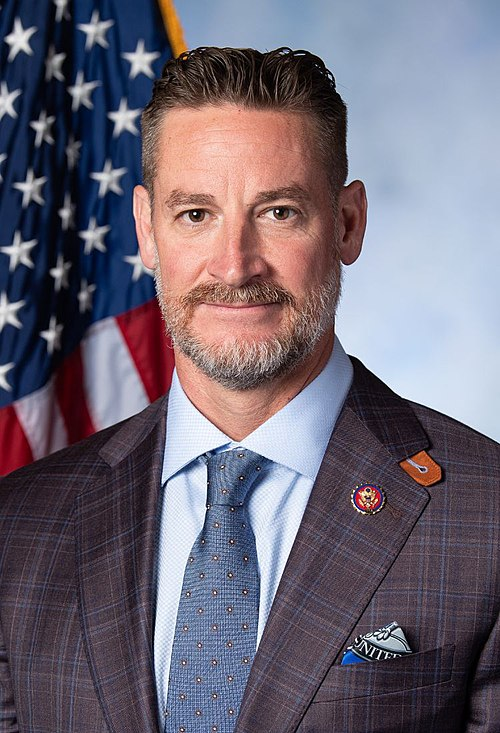
TrackW. Gregory Steube
Co-Sponsor
-
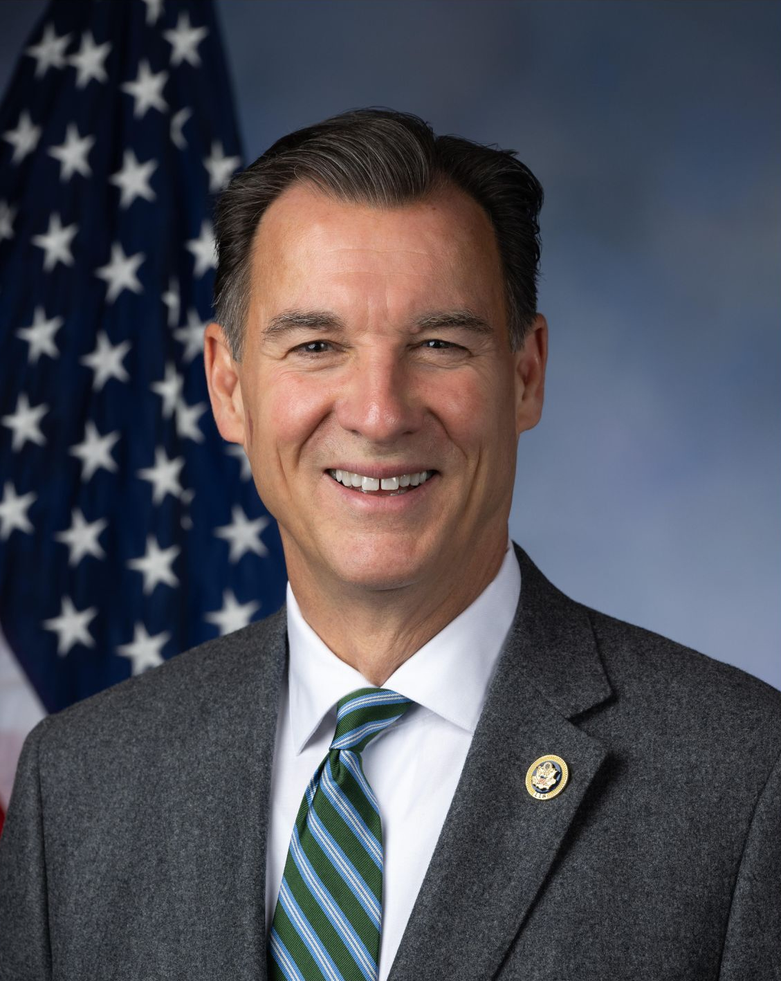
TrackThomas R. Suozzi
Co-Sponsor
-
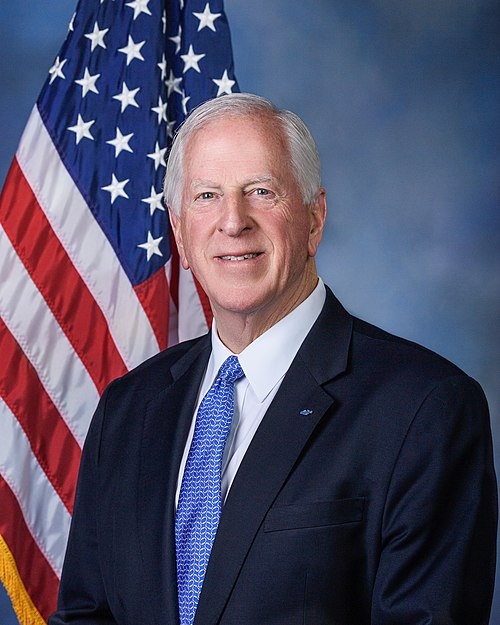
TrackMike Thompson
Co-Sponsor
-
TrackJefferson Van Drew
Co-Sponsor
-
TrackEugene Vindman
Co-Sponsor
-
TrackRandy K. Weber, Sr.
Co-Sponsor
Actions
7 actions
| Date | Action |
|---|---|
| Sep. 16, 2026 | Committee Consideration and Mark-up Session Held |
| Sep. 16, 2026 | Ordered to be Reported by the Yeas and Nays: 37 - 0. |
| Sep. 01, 2026 | Forwarded by Subcommittee to Full Committee by Voice Vote. |
| Sep. 01, 2026 | Subcommittee Consideration and Mark-up Session Held |
| Nov. 19, 2025 | Introduced in House |
| Nov. 19, 2025 | Referred to the House Committee on Energy and Commerce. |
| Nov. 19, 2025 | Referred to the Subcommittee on Communications and Technology. |
Corporate Lobbying
0 companies lobbying
None found.
* Note that there can be significant delays in lobbying disclosures, and our data may be incomplete.
Potentially Relevant Congressional Stock Trades
No relevant congressional stock trades found.