
H.R. 6133: Jumpstart on College Act
The **Jumpstart on College Act** aims to enhance educational opportunities by increasing the number of students who achieve recognized postsecondary credentials within the standard timeframe. The focus is particularly on low-income students and underrepresented populations. Here’s a breakdown of what the bill entails:
Purpose
The primary goal is to improve completion rates for students obtaining postsecondary credentials, ensuring that educational programs are accessible and supportive for those who are currently underrepresented in higher education.
Definitions
- Eligible Entity: An institution of higher education working together with local educational agencies, and possibly other partners like nonprofits or businesses.
- Low-Income Student: Defined according to specific provisions in existing education laws.
- Recognized Postsecondary Credential: A credential as defined in federal workforce laws.
Funding
The bill authorizes an appropriation of **$250 million** annually for fiscal years starting in 2026 and continuing for five years to support these educational initiatives.
Grants to Eligible Entities
Grants will be awarded competitively to eligible entities to establish or enhance early college high schools or dual enrollment programs. Each grant will typically span six years, with the maximum grant amount set at **$2 million**.
- Entities receiving grants will be required to provide matching funds over the course of the grant period.
- Priority will be given to entities serving populations where more than 51% are low-income students.
Grants to States
States can also apply for competitive grants to support or establish early college high schools or dual enrollment programs, with a similar six-year duration for each grant.
- States must provide matching funds equal to 50% of the grant amount to be used for the same purposes.
Reporting and Oversight
Both states and eligible entities are required to submit annual reports to the Secretary of Education detailing their progress and the effectiveness of the programs funded by the grants. This includes data on student enrollment, completion rates, and any recognized postsecondary credentials earned.
Technical Assistance
The Secretary of Education will provide technical assistance to improve the quality of early college high schools and dual enrollment programs, ensuring best practices are shared among different entities involved in these educational efforts.
Uses of Funds
Grant funds can be utilized for a variety of activities, including:
- Support services for students, including recruiting efforts and academic assistance.
- Professional development for teachers and faculty involved in dual enrollment programs.
- Creating articulation agreements between high schools and institutions of higher education to facilitate credit transfers.
- Transportation assistance and support for purchasing necessary educational materials.
Application Process
Eligible entities and states must submit detailed applications to receive grant funding, which will outline their proposed educational strategies, partnerships, and the expected demographics of the student populations they will serve.
Relevant Companies
- EDUCATION CORPORATION OF AMERICA (ECA) - May benefit from increased demand for educational programs that include dual enrollment and early college high school offerings.
- COGNIA (formerly AdvancED) - As a key accreditation body, increased programs will likely increase their role in accrediting new institutions; thus, affecting their operational scope.
This is an AI-generated summary of the bill text. There may be mistakes.
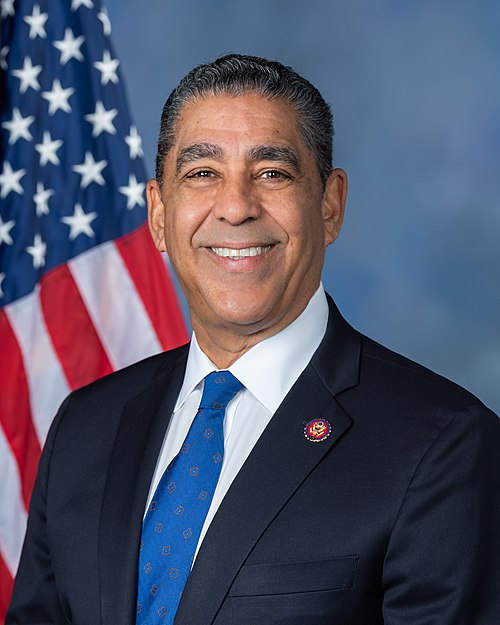
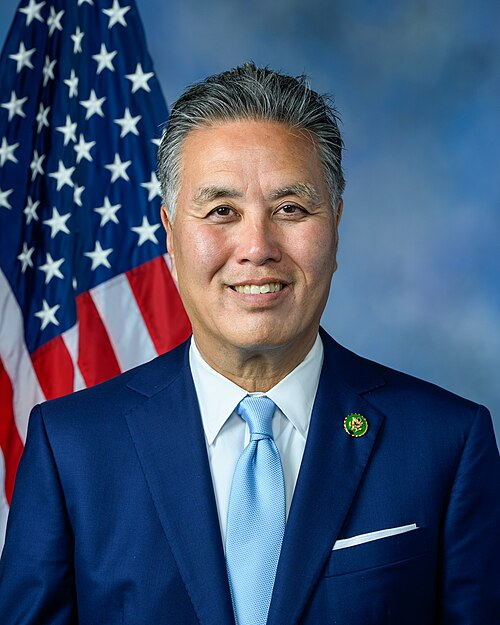
Sponsors
2 bill sponsors
Actions
2 actions
| Date | Action |
|---|---|
| Nov. 19, 2025 | Introduced in House |
| Nov. 19, 2025 | Referred to the House Committee on Education and Workforce. |
Corporate Lobbying
0 companies lobbying
None found.
* Note that there can be significant delays in lobbying disclosures, and our data may be incomplete.
Potentially Relevant Congressional Stock Trades
No relevant congressional stock trades found.