H.R. 6077: Healthcare Education in AI Literacy Act
This bill, known as the **Healthcare Education in AI Literacy Act** or **HEAL-AI Act**, aims to amend the Public Health Service Act to enhance the education and training of medical students, residents, and faculty in the application of artificial intelligence (AI) within the medical field. Here are the key components of the bill:
Establishment of Grant Program
The bill calls for the creation of a grant program overseen by the Secretary of Health and Human Services. The purpose of this program is to provide funding to qualified medical schools and residency sponsoring institutions. The grants will be used specifically for:
- Educating medical students and residents about AI.
- Training medical faculty on how to effectively incorporate AI into healthcare practices.
Eligibility for Grants
To be eligible for a grant, a medical school or residency institution must demonstrate:
- The need for AI literacy in their curriculum.
- A clear plan for using the funds to enhance AI education.
Each grant can provide up to **$100,000**, and priority is given to institutions serving medically underserved communities.
Use of Funds
Grant funds may be used for a variety of purposes related to AI education, including:
- Developing training programs for AI in medical diagnostics and treatment recommendations.
- Integrating AI tools into clinical decision-making processes.
- Understanding ethical considerations associated with AI in healthcare.
- Conducting educational demonstrations to show practical AI applications in medicine.
It is also stipulated that no more than **10%** of the grant can be allocated for administrative costs.
Reporting Requirements
Institutions receiving grants will be required to submit annual reports, which must include:
- Progress on educational goals funded by the grant.
- Details on how the grant funds were spent.
- Integration of AI education into existing curricula.
- Enrollment and completion statistics for courses funded by the grant.
Additionally, educational materials developed with grant funding must be made publicly available online.
Funding Authorization
The bill authorizes **$1,000,000** per fiscal year from **2026 through 2030** to support the activities outlined in the legislation.
Collaboration and Geographic Distribution
The bill encourages collaborations with various entities, including academic and nonprofit organizations, to strengthen the AI education curriculum. It also aims to ensure that grants are distributed fairly across different geographic locations, including urban, suburban, and rural areas.
Definitions
The bill provides specific definitions for terms used, including:
- Artificial Intelligence (AI): A system capable of making predictions or decisions that influence medical environments.
- Education and Training: Programs focusing on competency-based medical education for enhancing patient care through AI.
- Qualified Medical Schools: Institutions accredited for medical or osteopathic education.
Renewal of Grants
Institutions that receive grants may apply for renewal to continue their AI education initiatives for additional grant periods.
Relevant Companies
- MDGL: As a company involved in healthcare innovation, particularly in genomics and AI, it could be affected by the integration of AI in educational practices.
- CYRX: A company focused on digital health solutions may see implications from collaborations formed under the grant programs established by this legislation.
- AMGN: As a major biotechnology company, it may collaborate with educational institutions on AI-driven healthcare advancements.
This is an AI-generated summary of the bill text. There may be mistakes.
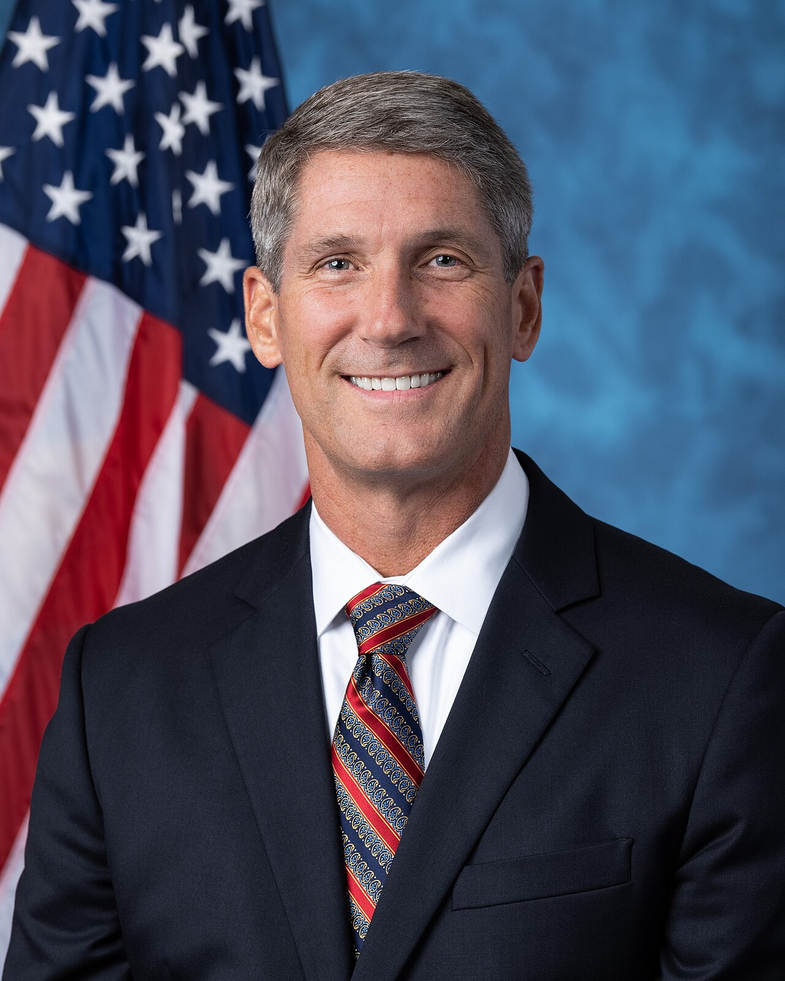
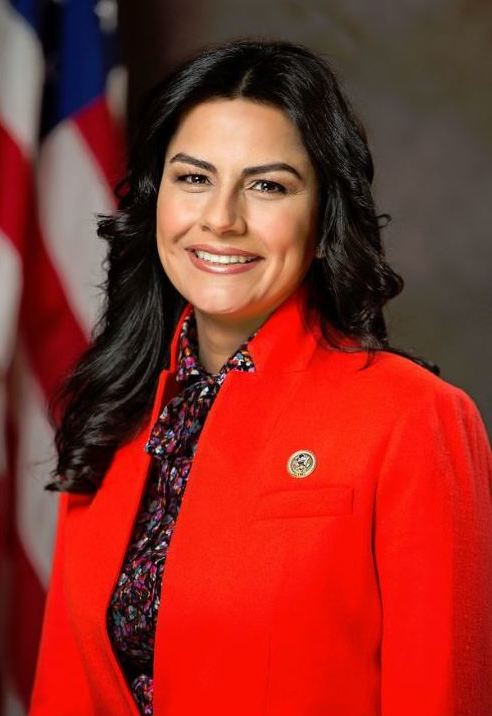
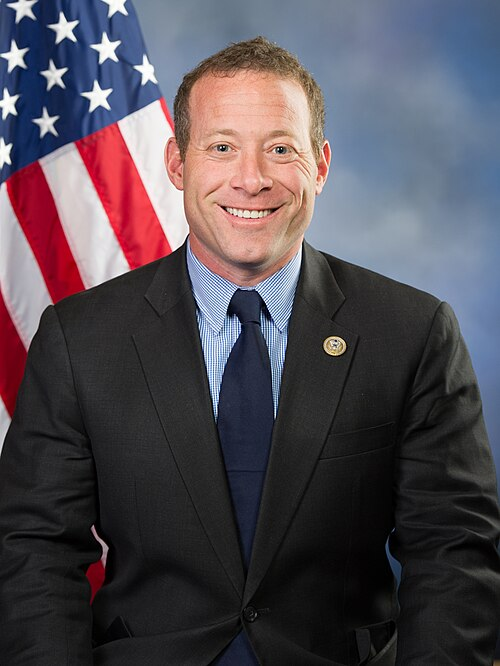
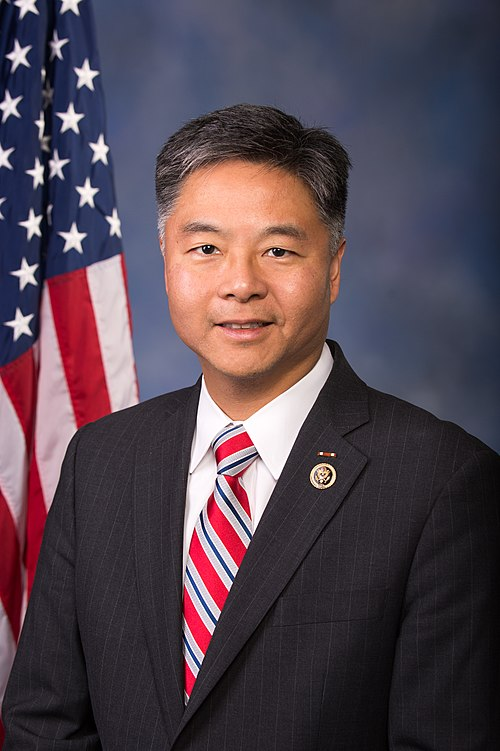
Sponsors
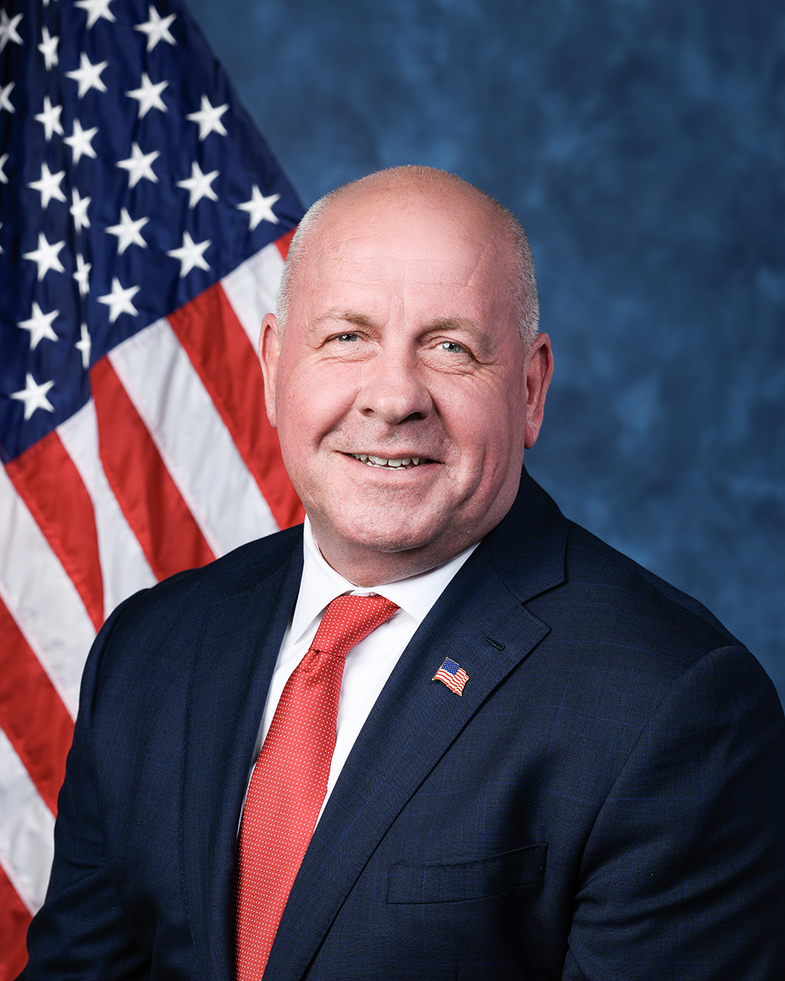
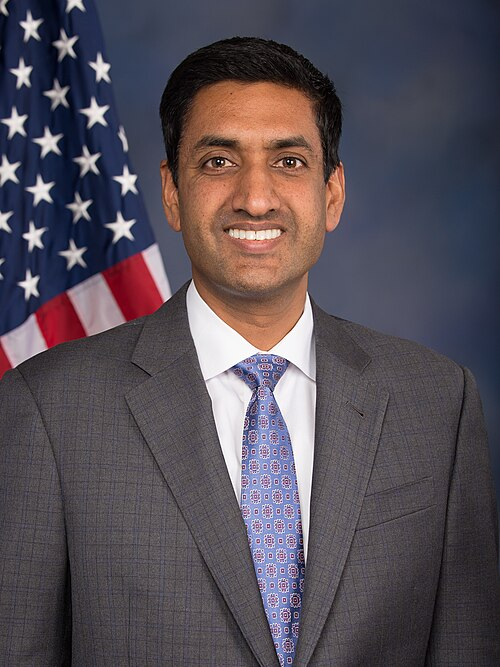
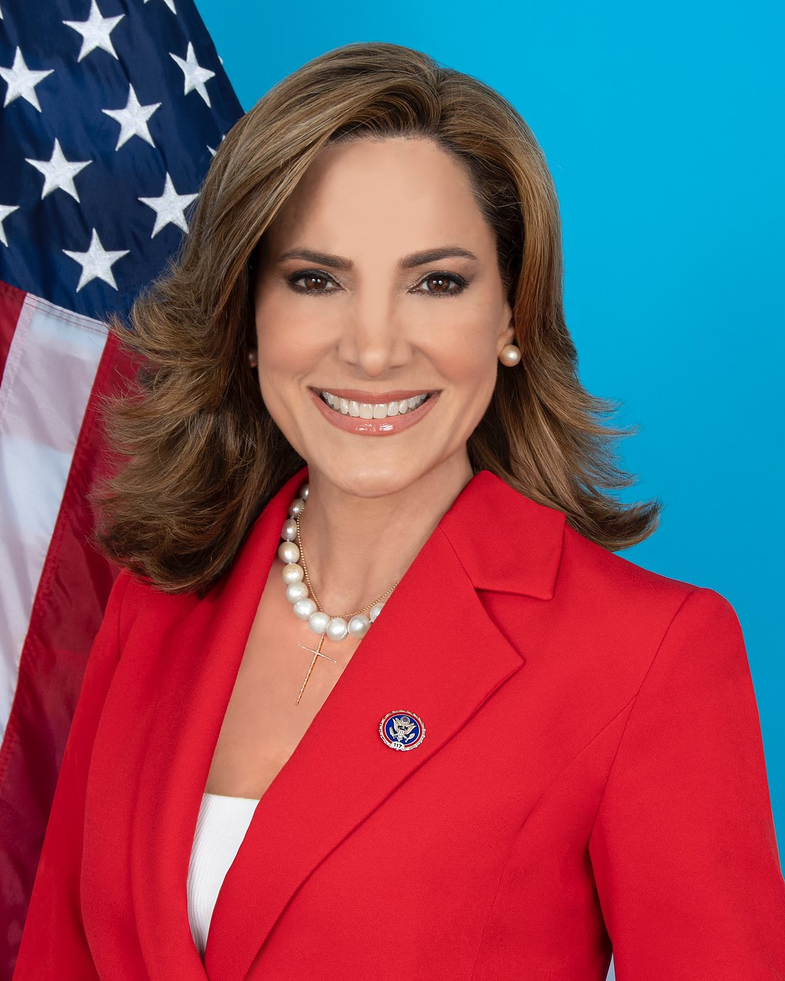
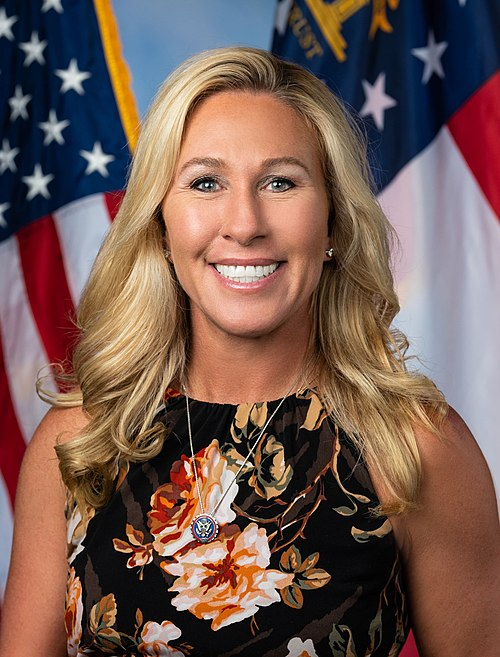
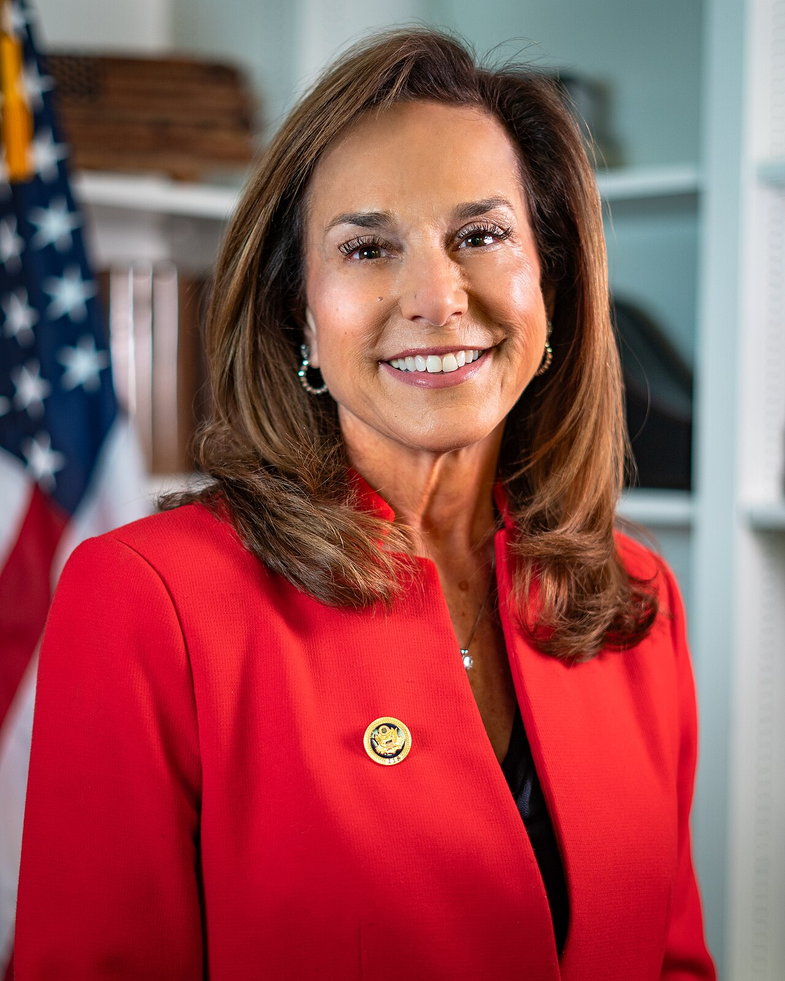
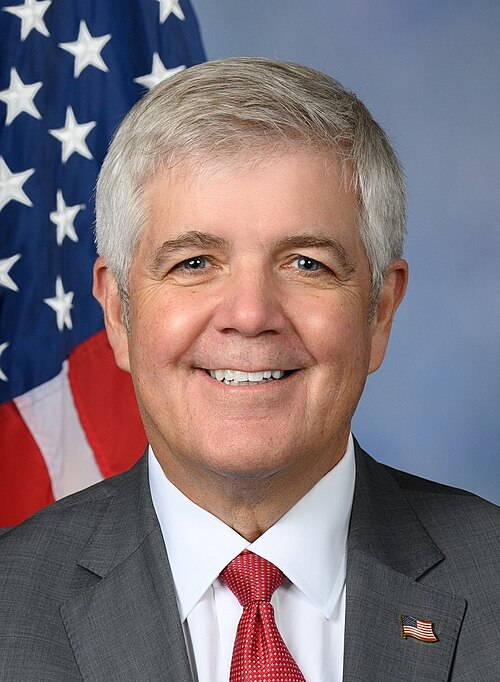
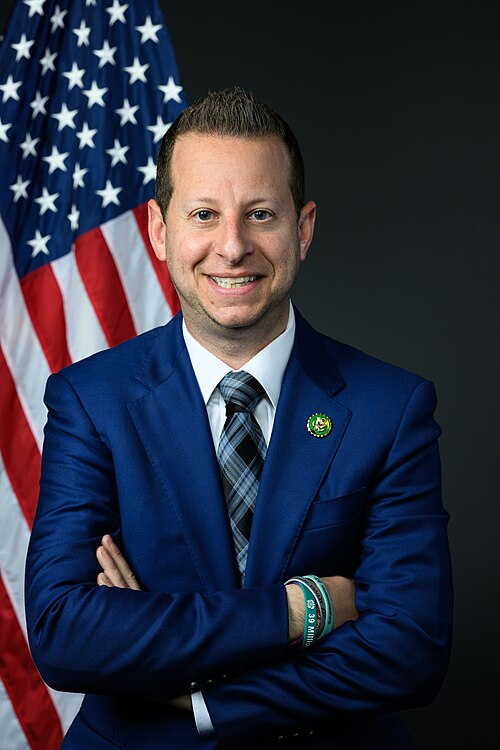
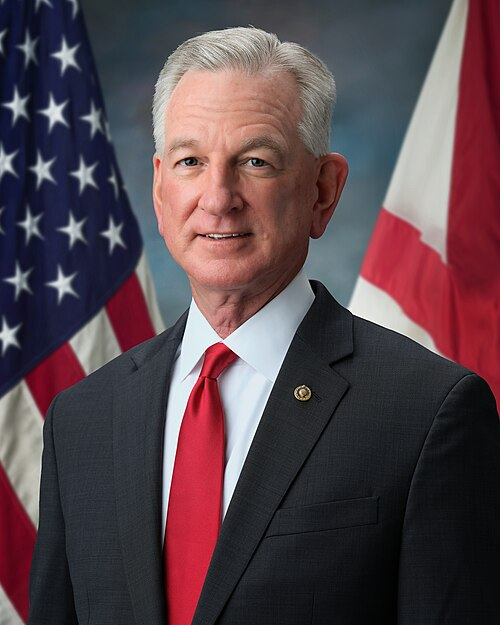
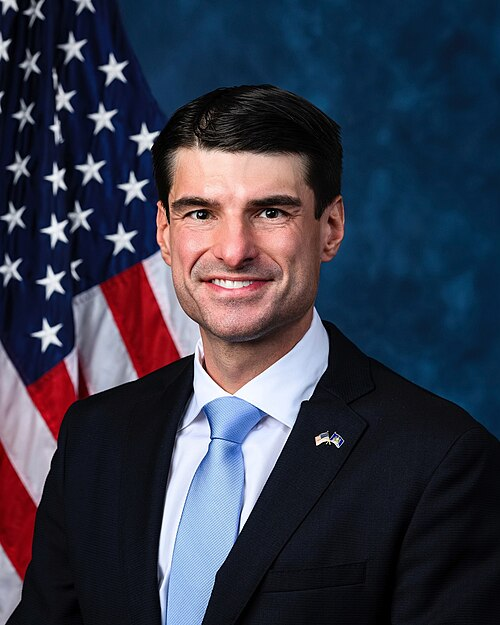
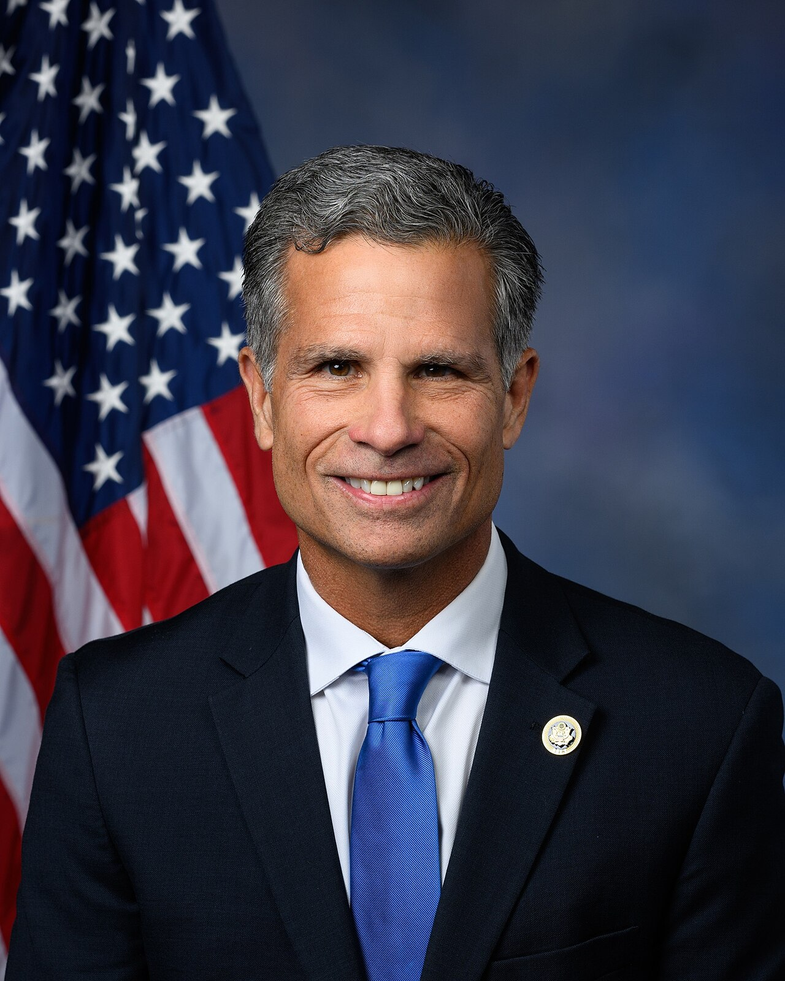
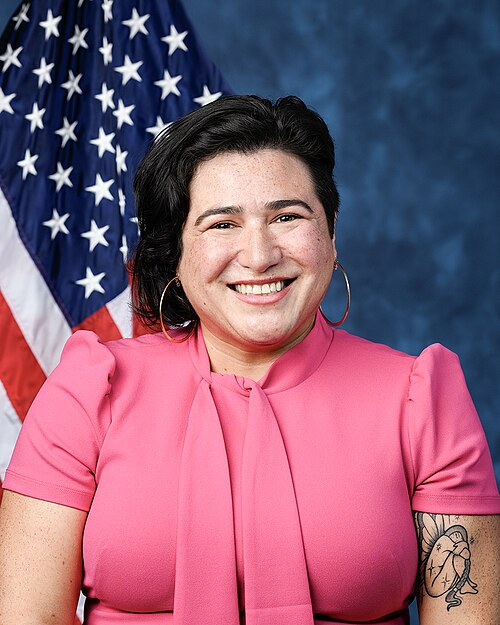
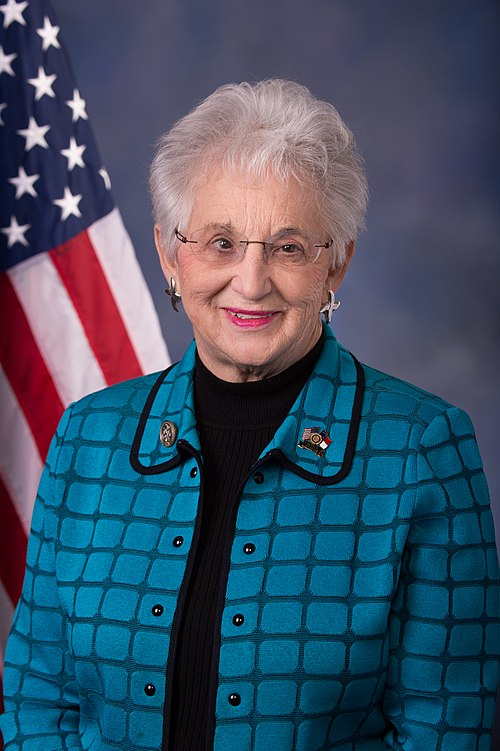
3 bill sponsors
Actions
2 actions
| Date | Action |
|---|---|
| Nov. 18, 2025 | Introduced in House |
| Nov. 18, 2025 | Referred to the House Committee on Energy and Commerce. |
Corporate Lobbying
0 companies lobbying
None found.
* Note that there can be significant delays in lobbying disclosures, and our data may be incomplete.