
H.R. 6069: Rapid Intervention and Deterrence for Enhanced Rider Safety Act
This bill, known as the Rapid Intervention and Deterrence for Enhanced Rider Safety Act, aims to amend existing federal law regarding public transportation safety by modifying how crime prevention and security grants are allocated. Here are the key points of the bill:
Eligibility for Grants
The bill proposes to make it possible for public transportation systems to receive grants specifically for employing transit support specialists. These specialists will be non-sworn, unarmed personnel whose primary role is to enhance safety and security for transit riders. This amendment would allow transit support specialists to be funded through operational grants, expanding the current scope of available federal support for crime prevention and security initiatives.
Definition of Transit Support Specialist
The bill defines a transit support specialist as an individual responsible for a wide range of duties aimed at increasing the sense of security for the riding public. Their roles include:
- Monitoring transit stations and vehicles to deter disruptive behavior.
- Providing assistance and guidance to transit riders and personnel.
- Assisting in the management of medical emergencies.
- Engaging with both transit personnel and the public to establish a visible presence and prevent security risks.
- Observing and reporting suspicious activities to law enforcement.
- Resolving minor disputes to keep law enforcement resources available for serious incidents.
- Connecting patrons with crisis intervention services to help de-escalate potential conflicts.
Impact on Public Transportation Systems
By enabling the funding for transit support specialists, the legislation seeks to improve safety measures within public transit systems. The presence of these specialists is designed to make public transport environments more secure and welcoming for riders, thereby potentially increasing ridership and improving overall community trust in public transportation services.
Implementation and Outcomes
The framework set by this bill indicates an intention to allocate federal funds more effectively for transit safety and security. It is envisioned that public transportation authorities could employ transit support specialists without the existing administrative hurdles that might have previously limited funding for such personnel, ultimately leading to a more secure transit experience for the public.
Relevant Companies
None found.This is an AI-generated summary of the bill text. There may be mistakes.
Sponsors
21 bill sponsors
-
TrackLateefah Simon

Sponsor
-
TrackJudy Chu
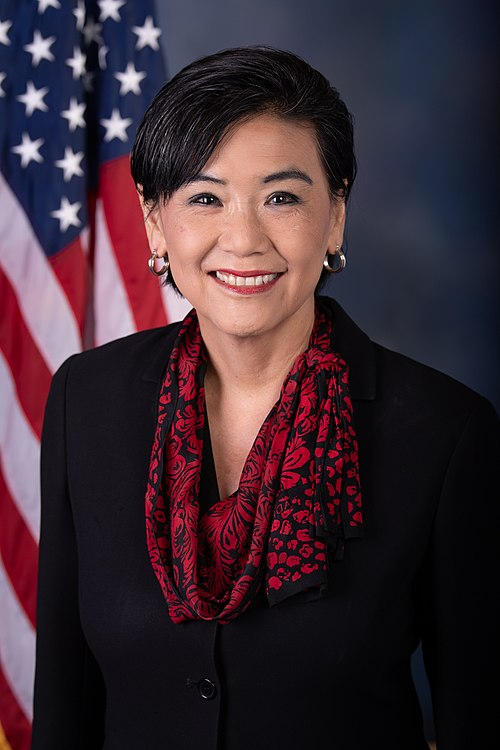
Co-Sponsor
-
TrackSteve Cohen

Co-Sponsor
-
TrackJasmine Crockett

Co-Sponsor
-
TrackMark DeSaulnier
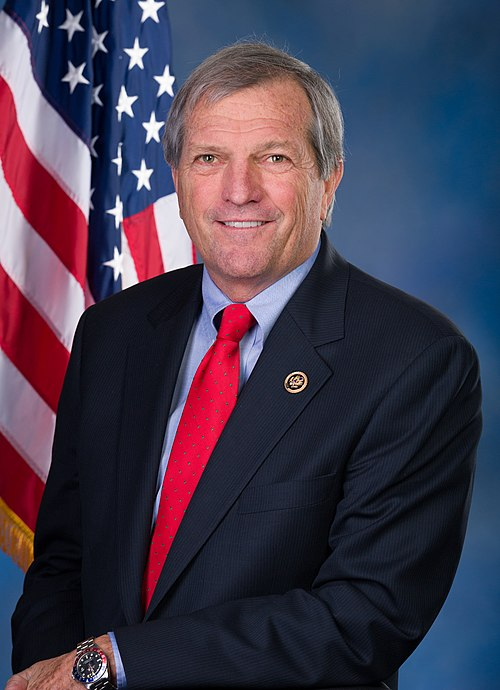
Co-Sponsor
-
TrackShomari Figures
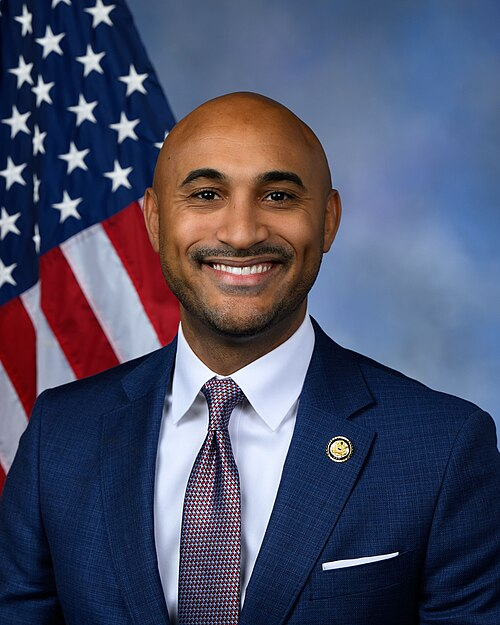
Co-Sponsor
-
TrackValerie P. Foushee
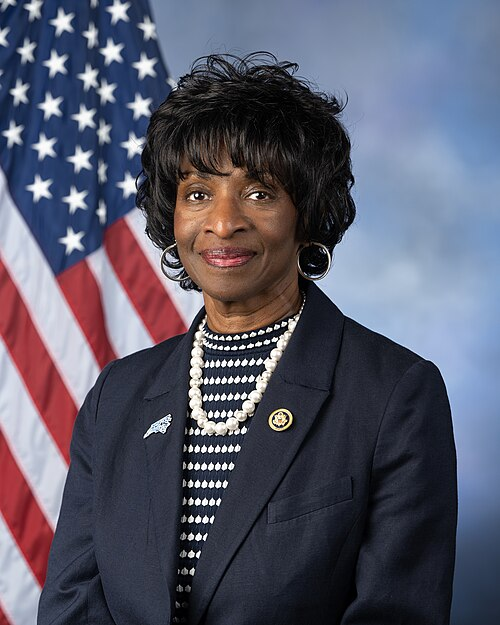
Co-Sponsor
-
TrackLaura Friedman
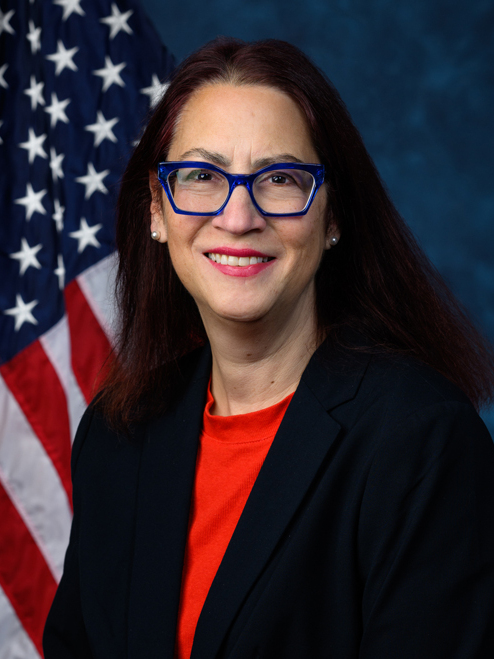
Co-Sponsor
-
TrackJohn Garamendi

Co-Sponsor
-
TrackRobert Garcia
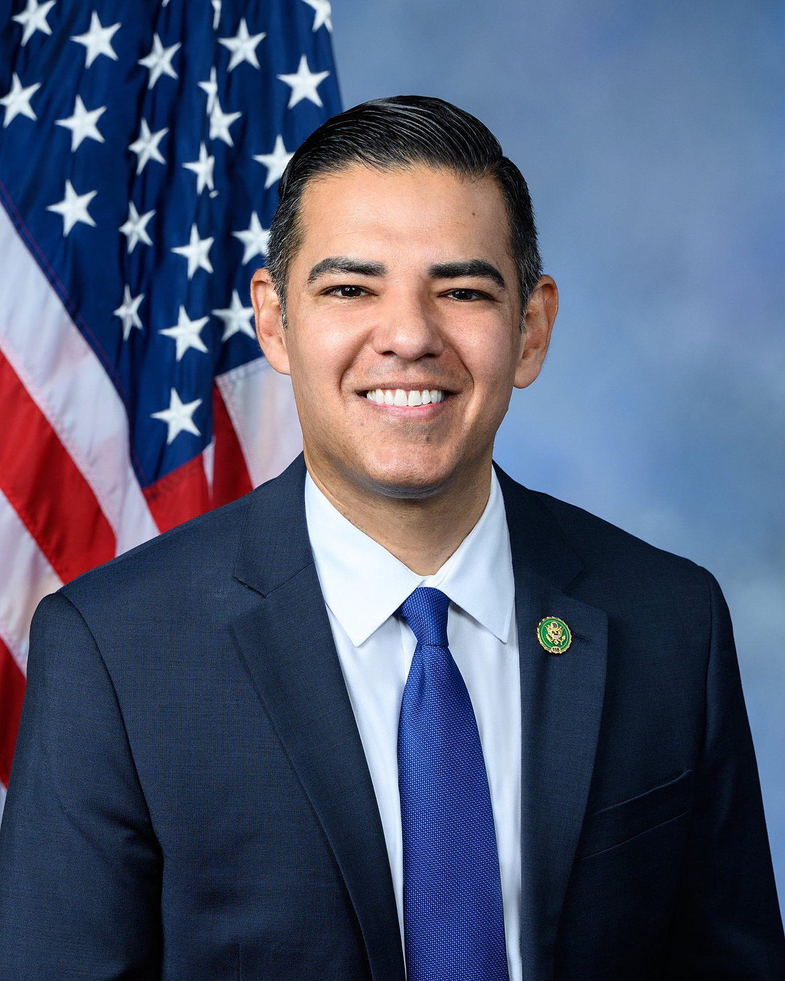
Co-Sponsor
-
TrackVal T. Hoyle
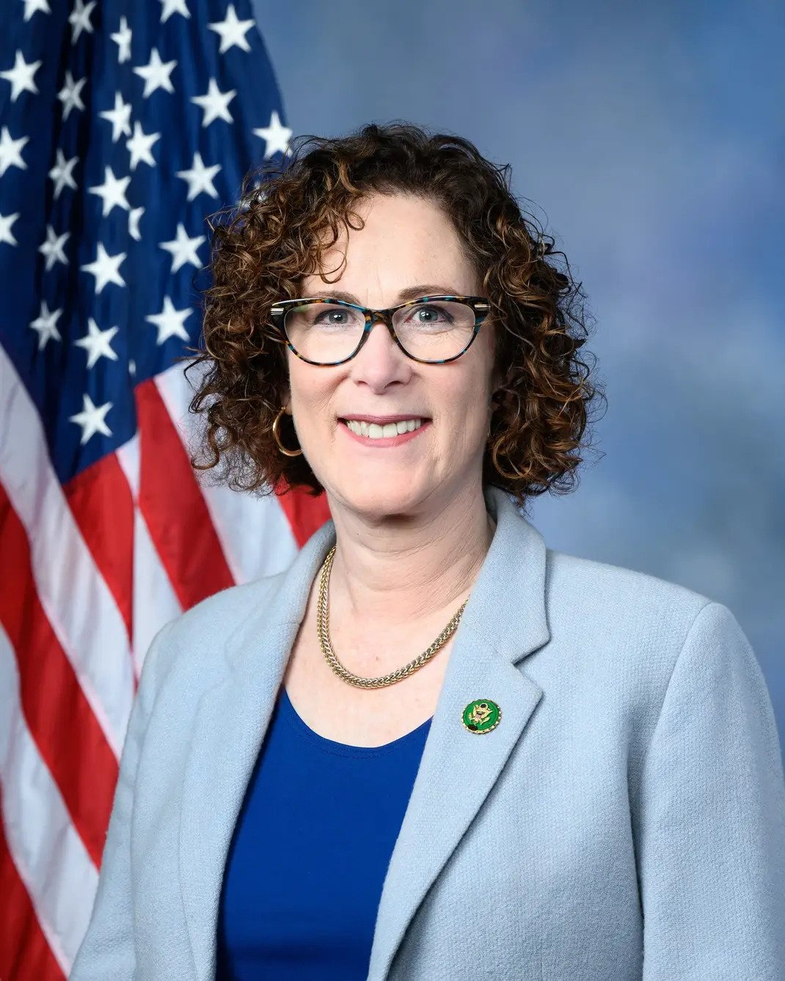
Co-Sponsor
-
TrackJohn B. Larson
Co-Sponsor
-
TrackSeth Magaziner
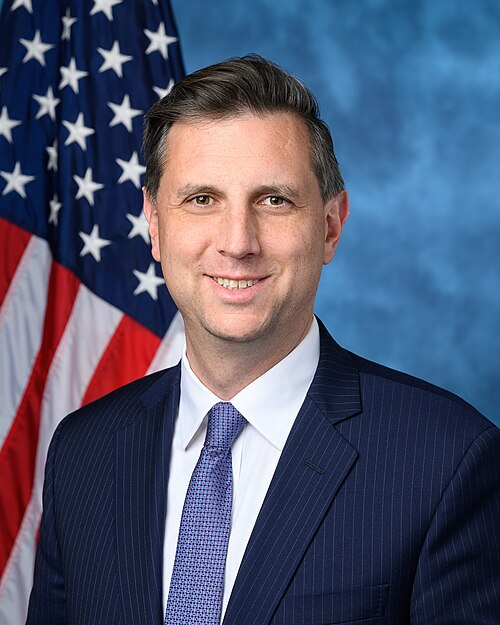
Co-Sponsor
-
TrackGwen Moore
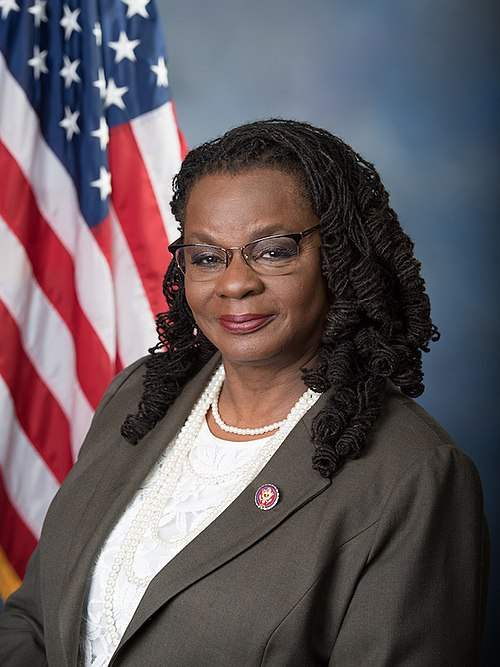
Co-Sponsor
-
TrackKevin Mullin
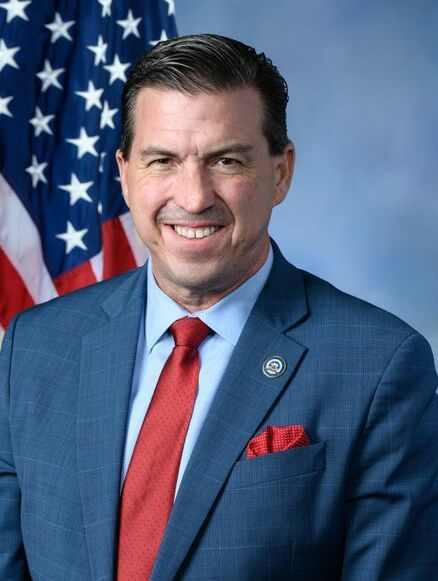
Co-Sponsor
-
TrackNellie Pou

Co-Sponsor
-
TrackMike Quigley
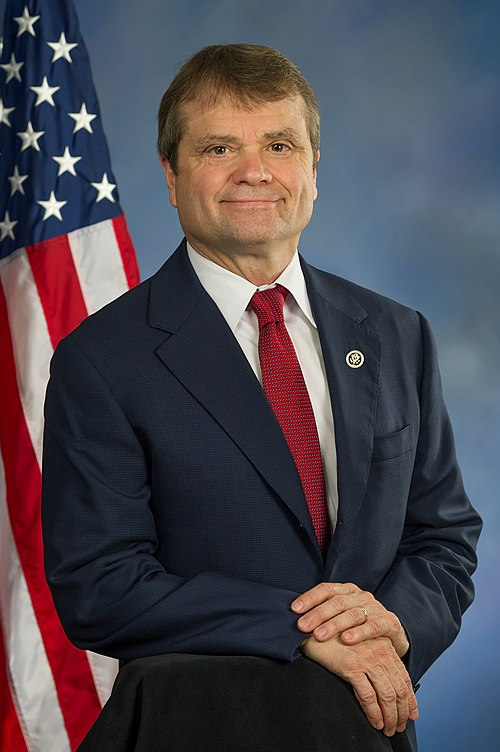
Co-Sponsor
-
TrackThomas R. Suozzi
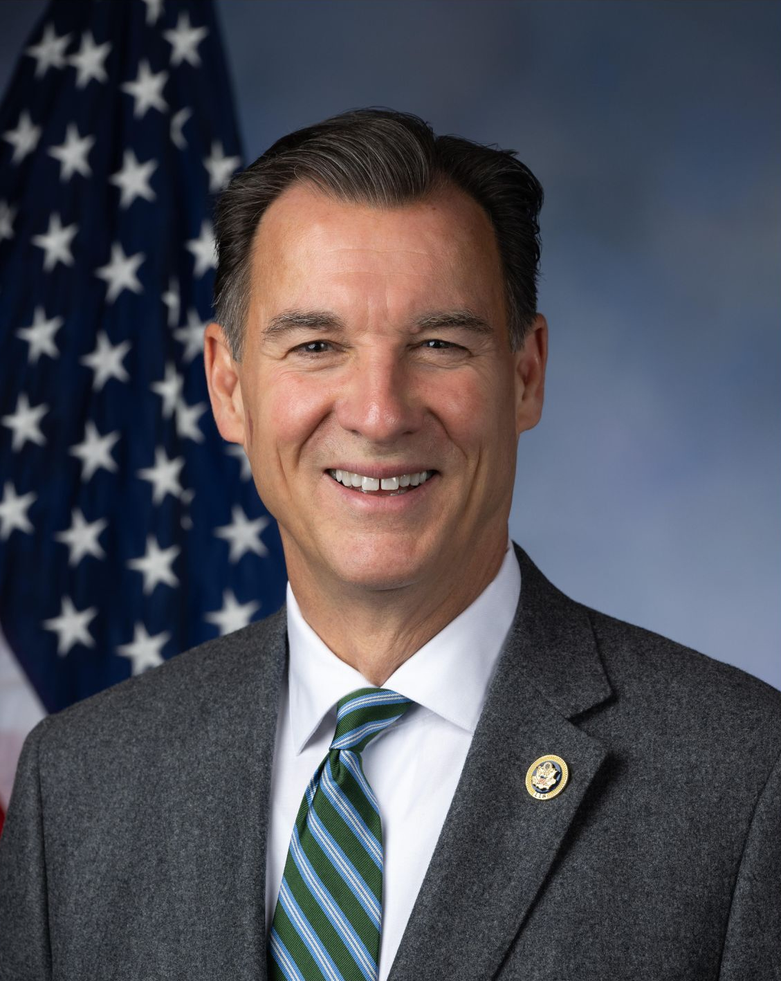
Co-Sponsor
-
TrackEric Swalwell

Co-Sponsor
-
TrackDina Titus

Co-Sponsor
-
TrackJuan Vargas
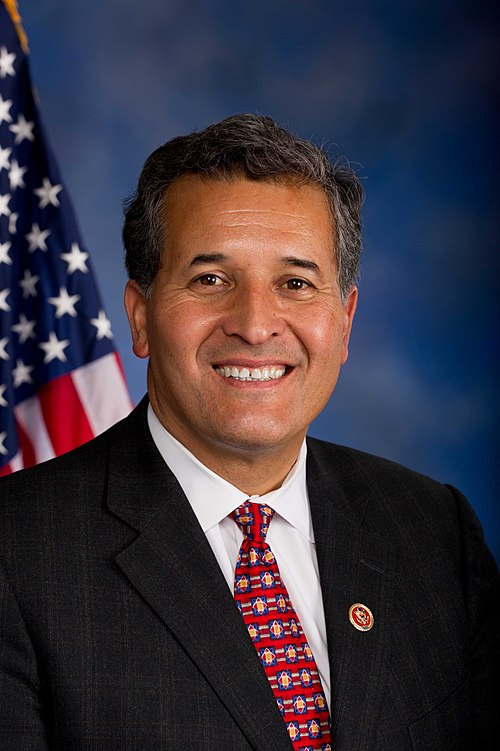
Co-Sponsor
Actions
3 actions
| Date | Action |
|---|---|
| Nov. 18, 2025 | Referred to the Subcommittee on Highways and Transit. |
| Nov. 17, 2025 | Introduced in House |
| Nov. 17, 2025 | Referred to the House Committee on Transportation and Infrastructure. |
Corporate Lobbying
0 companies lobbying
None found.
* Note that there can be significant delays in lobbying disclosures, and our data may be incomplete.
Potentially Relevant Congressional Stock Trades
No relevant congressional stock trades found.