H.R. 6065: Farm to School Act of 2025
The bill, known as the Farm to School Act of 2025, aims to amend existing legislation to reauthorize and enhance the farm to school program under the Richard B. Russell National School Lunch Act. Here’s a summary of the key points:
Program Overview
The farm to school program is designed to connect local agricultural producers with eligible institutions, which include schools, land-grant colleges, and nonprofit organizations. This program focuses on:
- Planting and maintaining farms or gardens.
- Procurement of food from local agricultural producers.
- Educational activities related to agriculture, nutrition, or food.
Definitions and Scope
Definitions are updated within the bill. Notably, the term agricultural producer encompasses farmers, ranchers, and fishers, including those who raise fish for food. The term eligible institution is also clarified.
Grant Funding and Awards
The bill specifies grant parameters for eligible institutions, including:
- Grants up to $500,000 for projects.
- Grants can be awarded for terms not exceeding three years.
- Projects should focus on improving local food procurement and distribution options.
To facilitate these projects, the Secretary of Agriculture has the authority to provide additional funds for innovative approaches to aggregation, processing, transportation, and distribution of local foods.
Focus on Tribal and Socially Disadvantaged Communities
The bill emphasizes support for Tribal communities and projects incorporating traditional foods from Tribal agricultural producers. It seeks to identify and eliminate barriers faced by these communities in accessing funding and market opportunities.
Technical Assistance and Research
It mandates the provision of technical assistance, research, and information to various stakeholders, enhancing awareness and participation among agricultural producers, including those who are beginning or socially disadvantaged.
Administrative Changes
The bill increases the funding cap for the farm to school program from $5 million to $10 million and sets limits on administrative costs to ensure that the majority of funds are used directly for program purposes.
Reporting Requirements
The Secretary is required to review and report on the progress of the program regularly, focusing on regulatory barriers and compliance costs impacting local food procurement and access for small producers.
Timeline for Implementation
The provisions of the bill extend from 2025 through 2030, allowing ongoing support for the program during this period.
Relevant Companies
- Dannon (DAN) - This company may be affected due to its involvement in dairy products, which could be sourced from local producers for school programs.
- J.M. Smucker Company (SJM) - As a major producer of food products, they might see changes in local sourcing demands.
- Kraft Heinz Co. (KRA) - Changes in procurement policies may influence their supply chain and sourcing from local agricultural producers.
This is an AI-generated summary of the bill text. There may be mistakes.
Sponsors
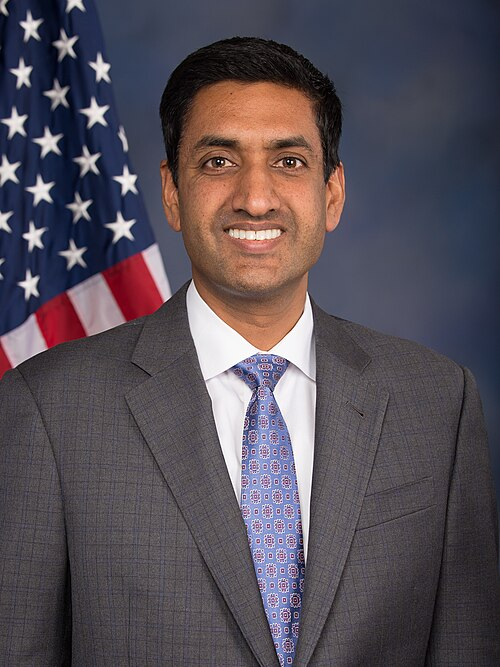
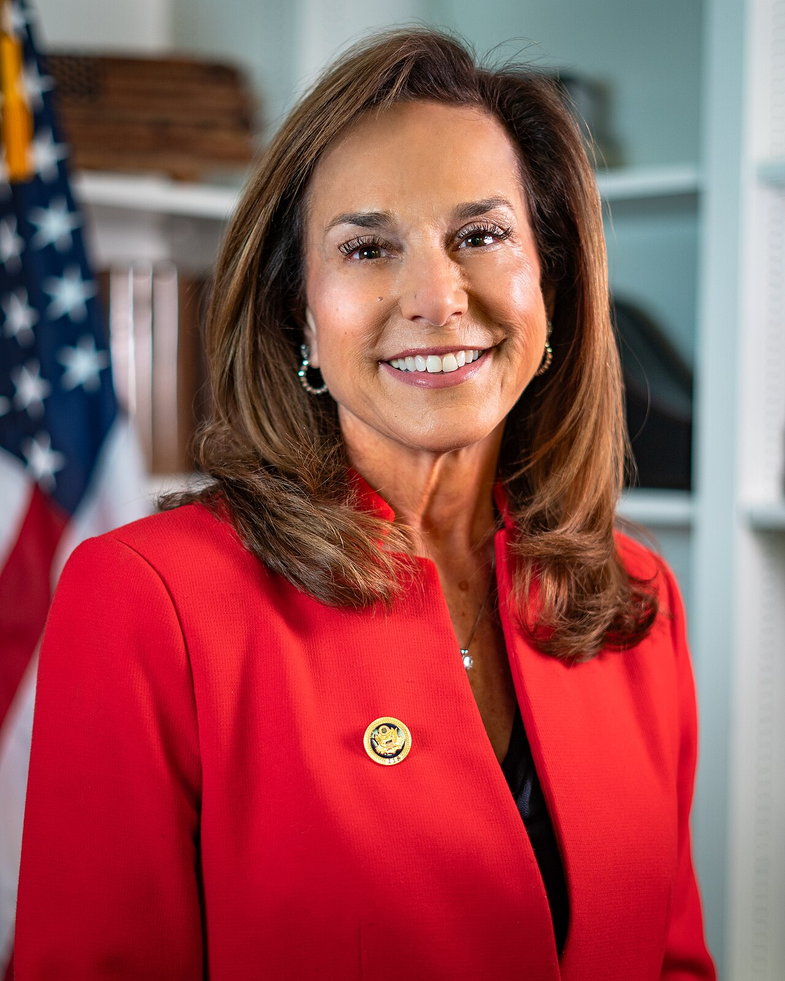
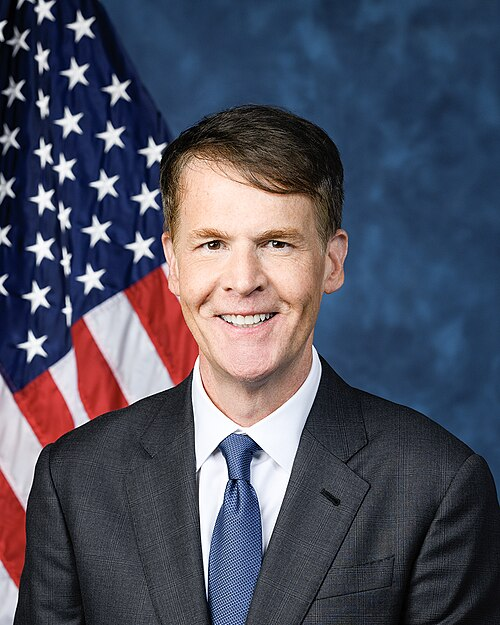
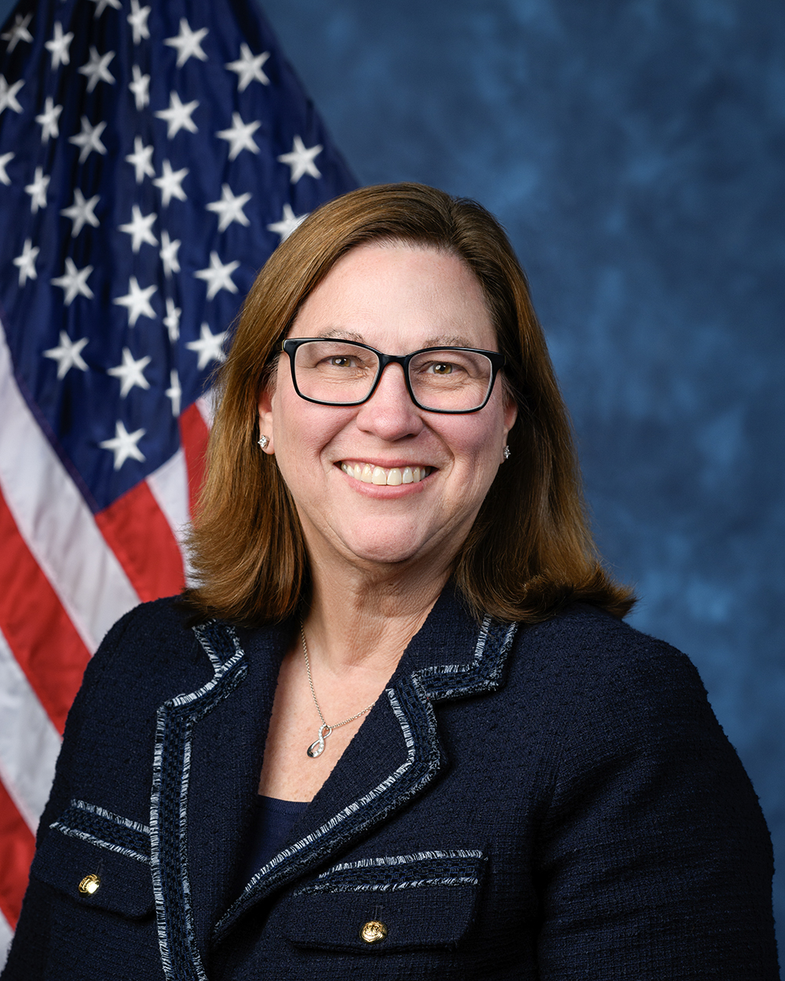
4 bill sponsors

Actions
2 actions
| Date | Action |
|---|---|
| Nov. 17, 2025 | Introduced in House |
| Nov. 17, 2025 | Referred to the House Committee on Education and Workforce. |
Corporate Lobbying
0 companies lobbying
None found.
* Note that there can be significant delays in lobbying disclosures, and our data may be incomplete.