H.R. 5966: Ohio River Restoration Program Act
This proposed legislation, known as the Ohio River Restoration Program Act, aims to establish a dedicated program within the Environmental Protection Agency (EPA) specifically for the restoration and protection of the Ohio River Basin. The bill outlines several key components and objectives:
Ohio River Basin Restoration Program
This act seeks to create an Ohio River Basin Restoration Program within the EPA. The program will focus on various projects and activities designed to address critical environmental concerns in the Ohio River Basin, which encompasses parts of several states, including Ohio, Kentucky, West Virginia, and others.
Definitions and Office Establishment
- Definitions: The bill provides key definitions related to the program, including what constitutes the Ohio River Basin and the roles of various entities involved.
- Program Office: It establishes an Ohio River National Program Office, led by a Program Director who will oversee the program's operations.
Program Objectives and Activities
The bill outlines specific activities that the program will focus on, such as:
- Improving water quality in the Ohio River and surrounding areas.
- Enhancing community resilience against flooding and storms.
- Restoring fish and wildlife habitats.
- Controlling invasive aquatic species.
- Removing toxic substances.
- Increasing public access and recreational opportunities while ensuring ecological needs are met.
Implementation and Project Selection
The bill allows the Program Director to select projects based on various criteria, ensuring equitable distribution throughout the basin and prioritizing effective environmental outcomes. It emphasizes the use of natural infrastructure and non-structural solutions, such as ecological restoration, and encourages collaboration with local stakeholders, Tribal Governments, and relevant federal agencies.
Actionable Goals and Planning
- The Program Director is tasked with developing measurable and reportable goals for the program within one year of enactment.
- Within two years, an action plan outlining specific objectives, timelines, costs, and responsible entities must be created.
- The action plan will also recommend specific projects aimed at improving the Ohio River Basin.
Updates to the goals and action plan will be conducted every five years, with public engagement encouraged throughout the process.
Funding Authorization
The bill authorizes an appropriation of $350 million for each fiscal year from 2026 to 2030 to fund the Ohio River Basin Restoration Program. It includes provisions for the transfer of funds to relevant federal agencies to support program activities.
Reporting Requirements
The Program Director is required to report to Congress and the public on the progress made in implementing the restoration program, including updates on funding, projects, and coordination efforts with other entities.
Relevant Companies
- PCG - PG&E Corporation: As a utility company involved in water management and environmental sustainability projects, it may be impacted by regulations or funding opportunities related to water quality and flood resilience in the Ohio River Basin.
- DUK - Duke Energy Corporation: Another utility company with operations in the region that could be influenced by new regulations affecting water quality and habitat restoration efforts, particularly due to their involvement in energy generation and environmental compliance.
- AEP - American Electric Power: This company provides electricity to a significant portion of the Ohio River Basin states and could be directly affected by projects aimed at enhancing community resilience and ecological restoration.
This is an AI-generated summary of the bill text. There may be mistakes.
Sponsors
16 bill sponsors
-
TrackMorgan McGarvey
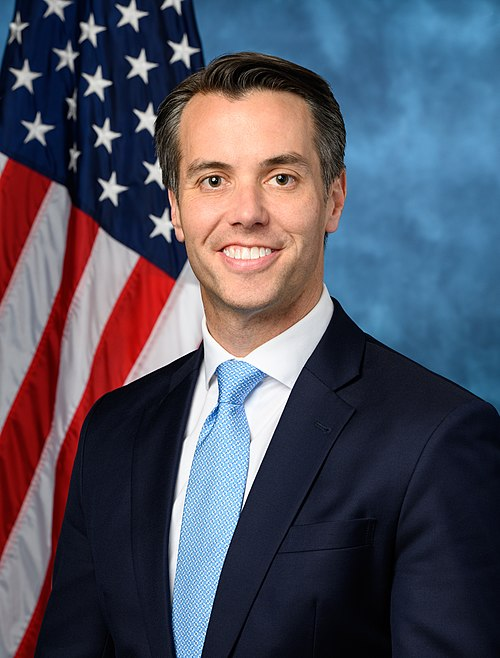
Sponsor
-
TrackAndré Carson
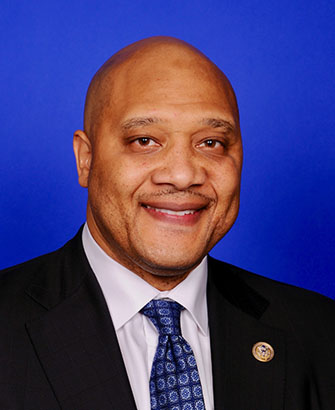
Co-Sponsor
-
TrackChristopher R. Deluzio
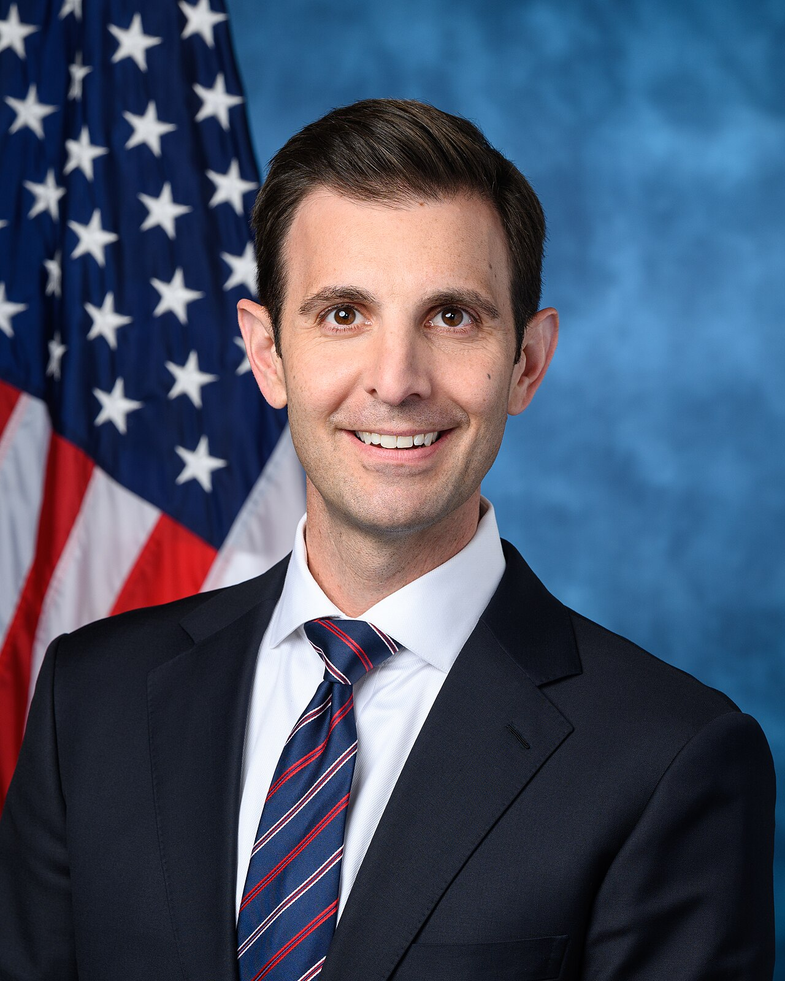
Co-Sponsor
-
TrackErin Houchin
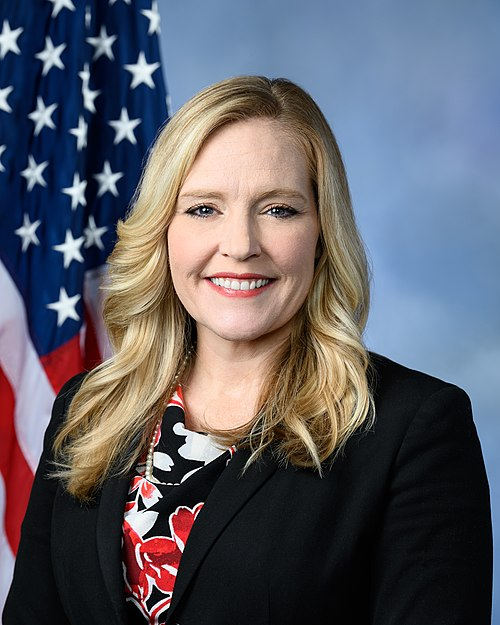
Co-Sponsor
-
TrackGreg Landsman
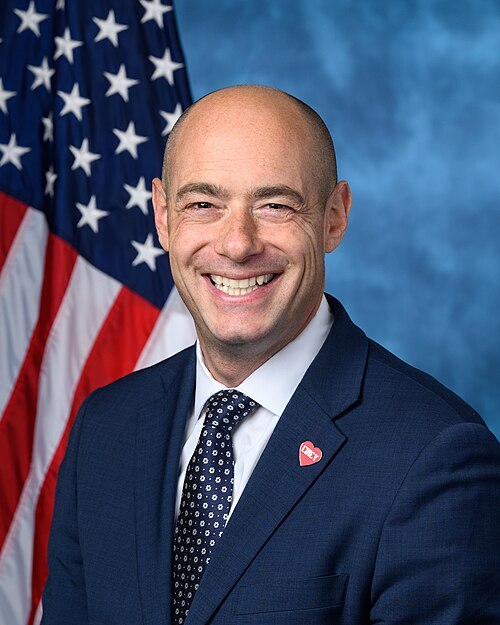
Co-Sponsor
-
TrackGeorge Latimer
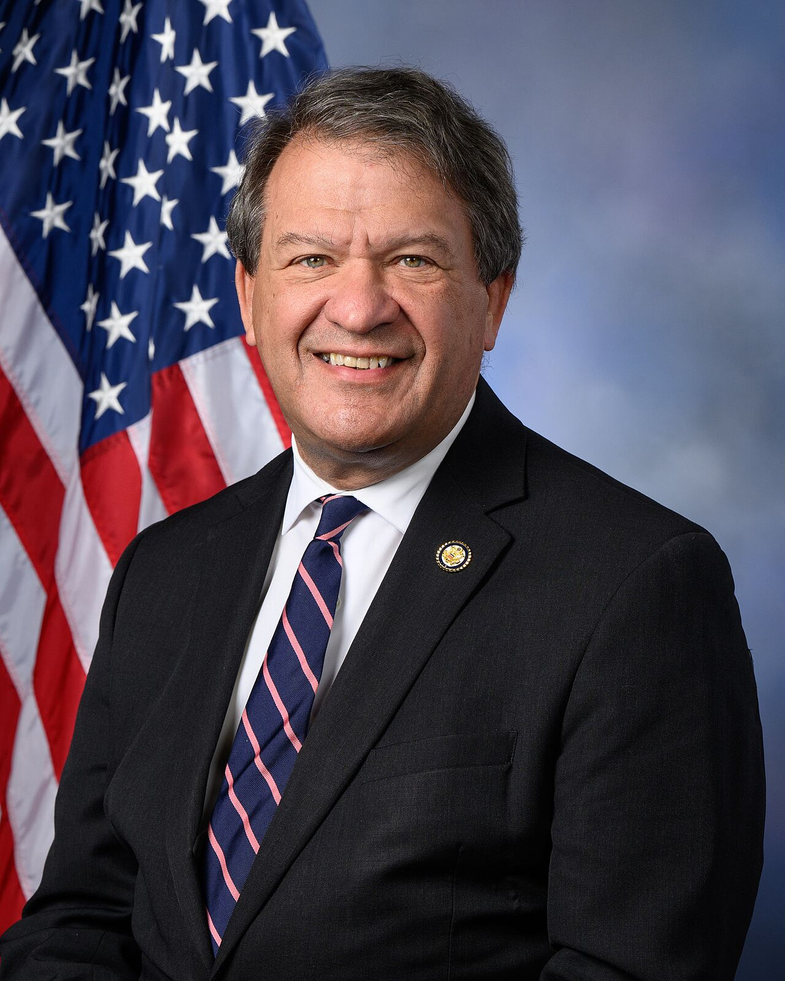
Co-Sponsor
-
TrackRobert E. Latta
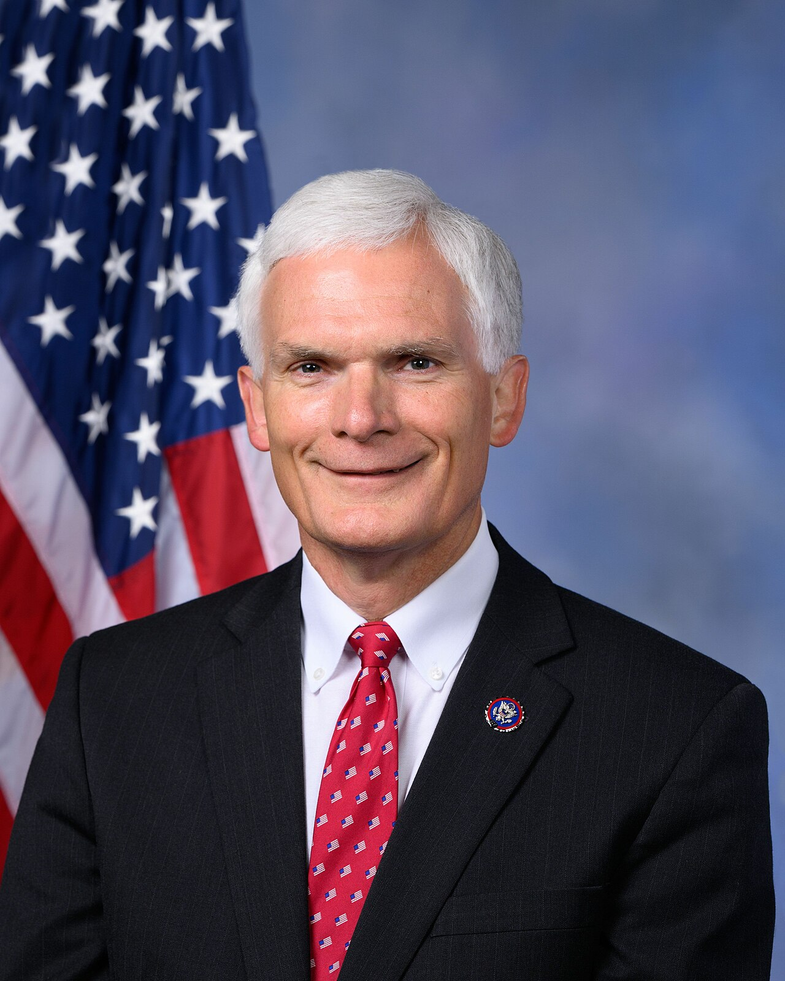
Co-Sponsor
-
TrackSummer L. Lee

Co-Sponsor
-
TrackMark Messmer
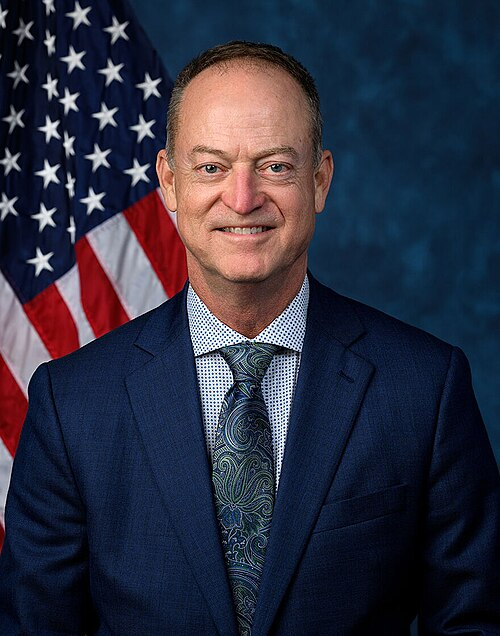
Co-Sponsor
-
TrackCarol D. Miller
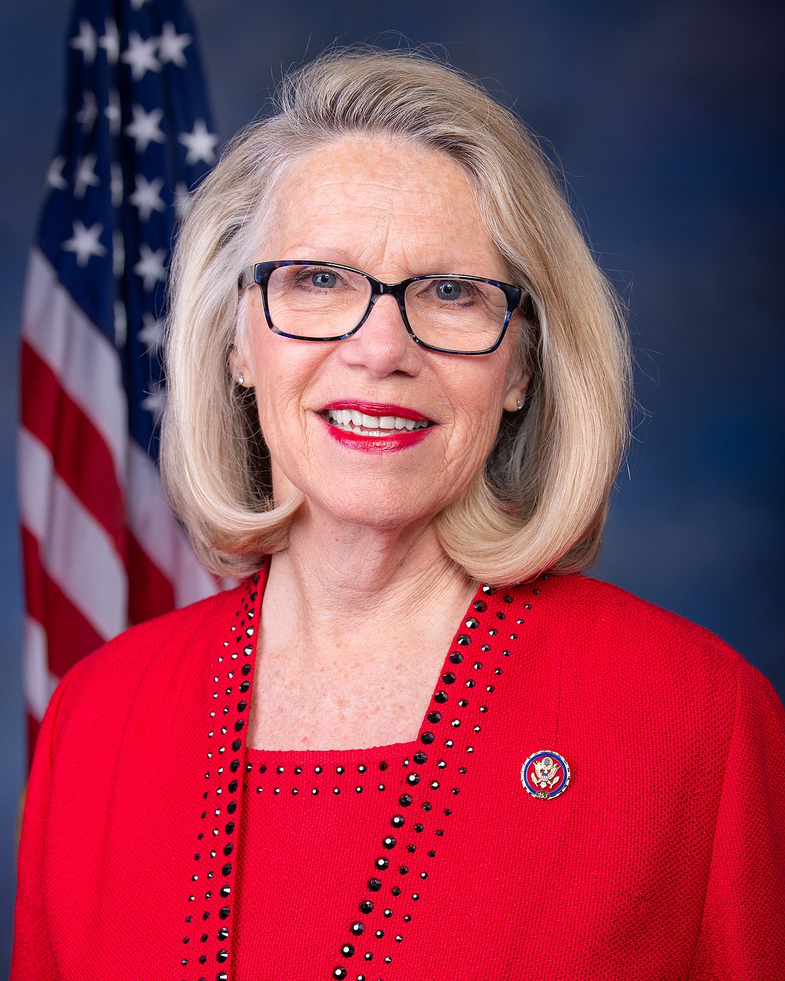
Co-Sponsor
-
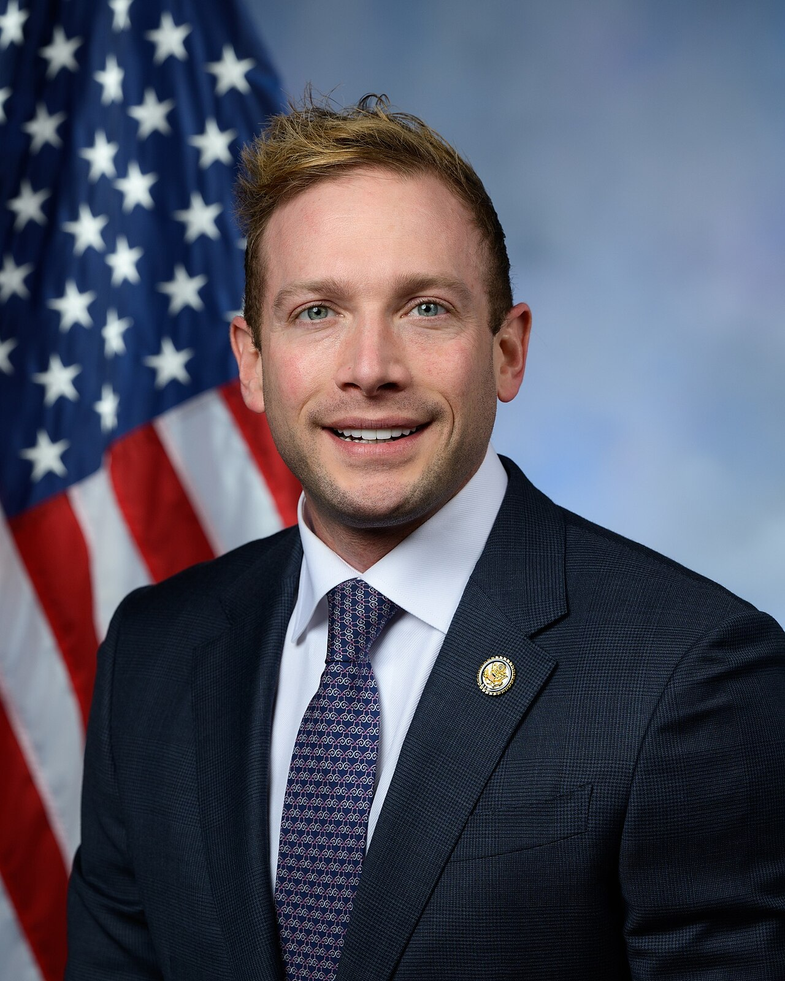
TrackMax L. Miller
Co-Sponsor
-
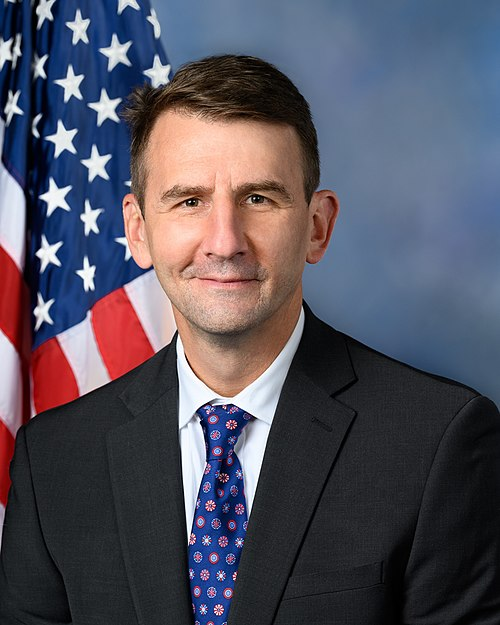
TrackFrank J. Mrvan
Co-Sponsor
-
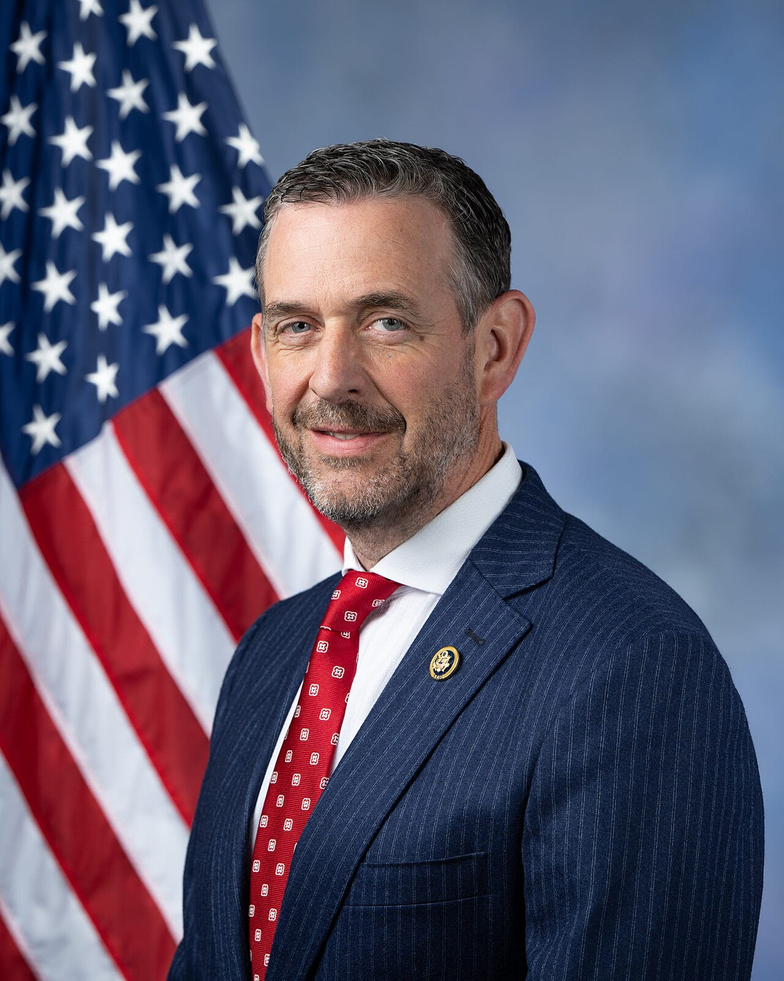
TrackMichael A. Rulli
Co-Sponsor
-
TrackJefferson Shreve

Co-Sponsor
-
TrackEmilia Strong Sykes

Co-Sponsor
-
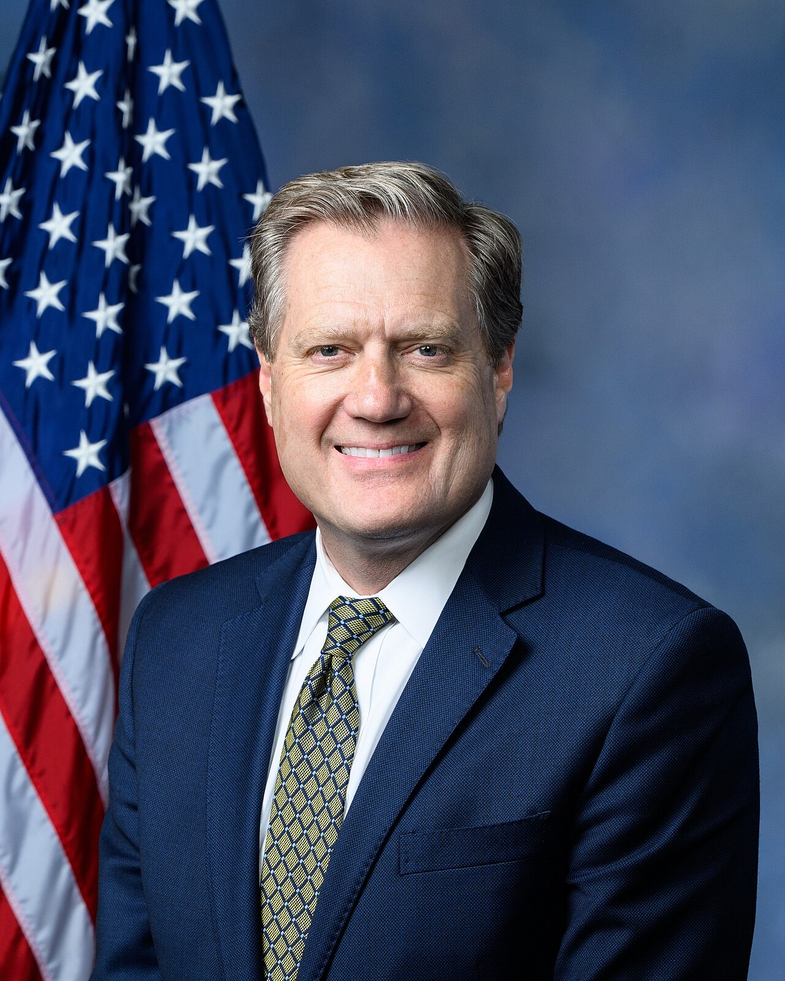
TrackMichael R. Turner
Co-Sponsor
Actions
3 actions
| Date | Action |
|---|---|
| Nov. 08, 2025 | Referred to the Subcommittee on Water Resources and Environment. |
| Nov. 07, 2025 | Introduced in House |
| Nov. 07, 2025 | Referred to the House Committee on Transportation and Infrastructure. |
Corporate Lobbying
0 companies lobbying
None found.
* Note that there can be significant delays in lobbying disclosures, and our data may be incomplete.