H.R. 5919: Veterans Heroin Overdose Prevention Examination Act
This bill, titled the Veterans Heroin Overdose Prevention Examination Act or the Veterans HOPE Act, aims to address the high rates of opioid overdoses among veterans. It directs the Secretary of Veterans Affairs to review opioid overdose deaths among veterans who received care from the Department of Veterans Affairs (VA) over the past five years.
Key Findings
- The bill highlights that there has been a significant rise in opioid overdose deaths among veterans, notably with heroin and synthetic opioids like fentanyl.
- Veterans are seven times more likely to suffer from opioid use disorders compared to their peers with commercial insurance.
- From 2010 to 2016, there was a 65% increase in the rate of overdose deaths due to opioids among veterans.
- While the use of prescription opioids has decreased among veterans who died from overdoses, deaths from heroin and synthetic opioids have sharply increased, indicating a shift in the sources of overdose fatalities.
Review of Opioid-Related Deaths
The Secretary of Veterans Affairs is required to complete a comprehensive review within 18 months of the bill's enactment. This review must include:
- The total number of veterans who died from opioid overdoses during the five years prior to the bill's enactment.
- A demographic summary of those veterans, covering age, sex, race, and ethnicity.
- A detailed list of medications prescribed to and found in those veterans at the time of death, emphasizing any that are particularly risky (black box warnings, off-label use, or psychotropic drugs).
- A summary of the medical conditions for which these medications were prescribed.
- The total number of veterans who were on multiple prescribed medications at the same time.
- Information on how long it typically was between the last prescription and the veteran's death.
- The percentage of these veterans with combat experience or trauma, including military sexual trauma.
- Identification of VA medical facilities that have high rates of prescriptions and drug abuse treatment.
- Details on the VA's prescribing policies for these medications.
- Efforts by the VA to manage prescription medications responsibly, including tracking and disposal of unused or expired prescriptions.
- Any observable patterns from the data reviewed.
- Recommendations for policies or actions that could improve safety and reduce overdose rates, particularly focusing on veterans who had not sought opioid prescriptions recently.
Public Reporting
After completing the review, the Secretary of Veterans Affairs must:
- Submit a report on the findings to Congress.
- Make the report publicly accessible.
- Provide a briefing to the Committees on Veterans’ Affairs in both the House and Senate.
Definitions
- Black box warning: A warning for medications that pose significant risks, highlighted within a box in the prescribing information.
- Covered veteran: A veteran who received care from the VA in the five years leading up to their death.
Relevant Companies
None found
This is an AI-generated summary of the bill text. There may be mistakes.
Sponsors
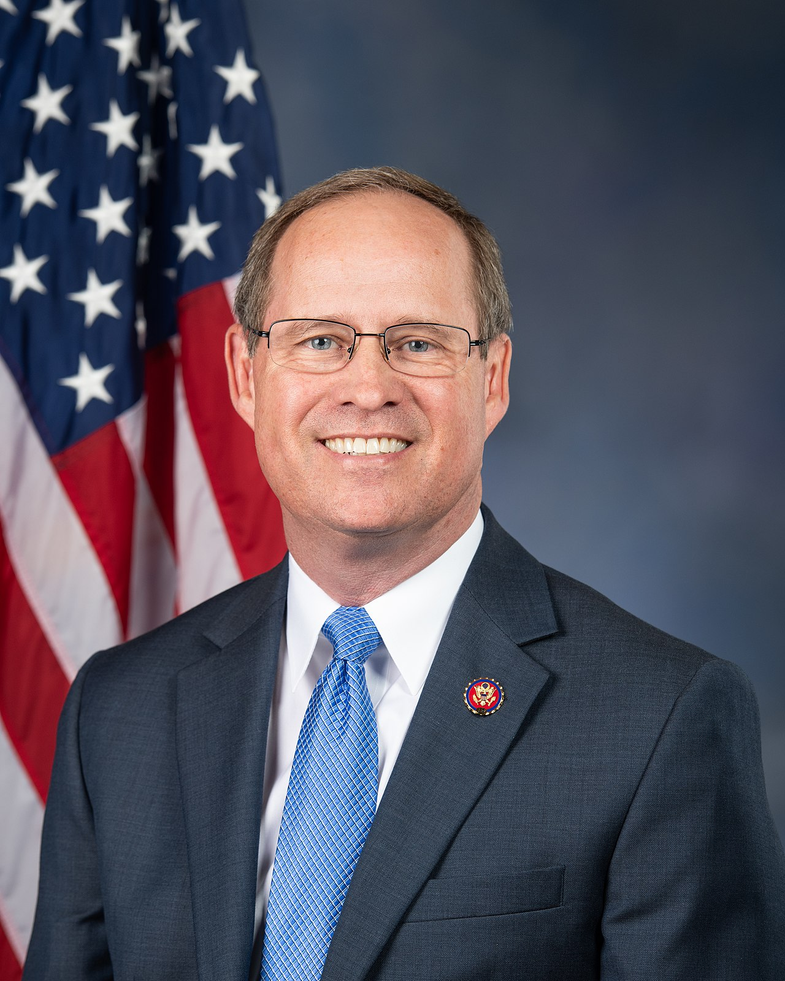
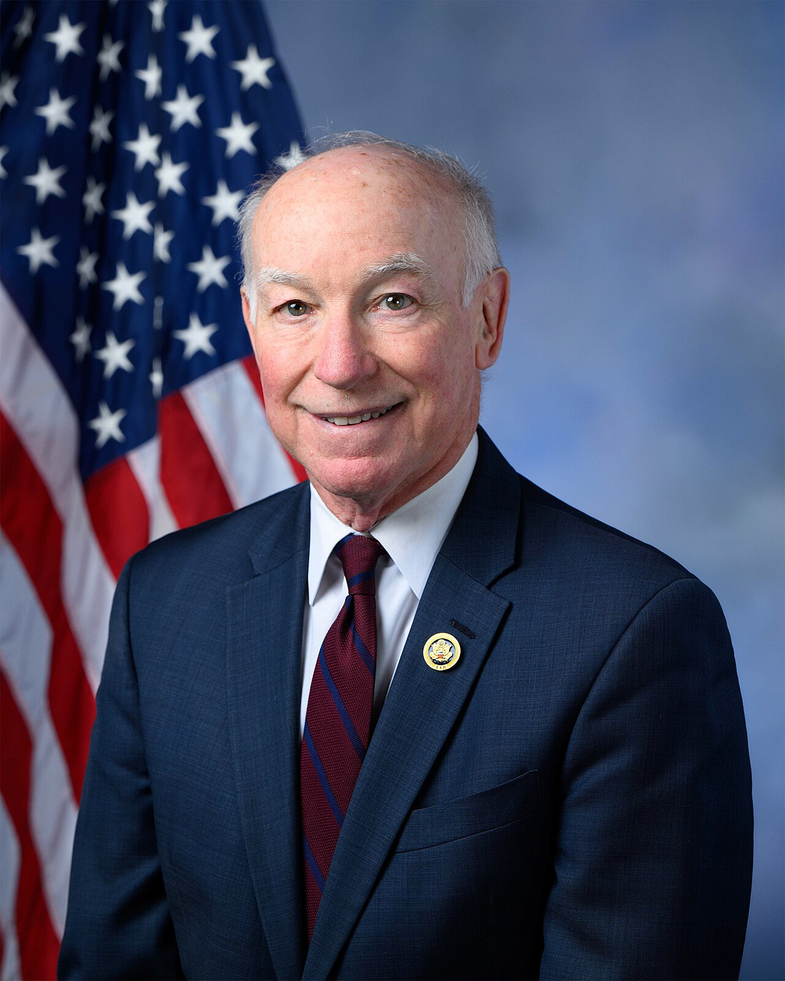
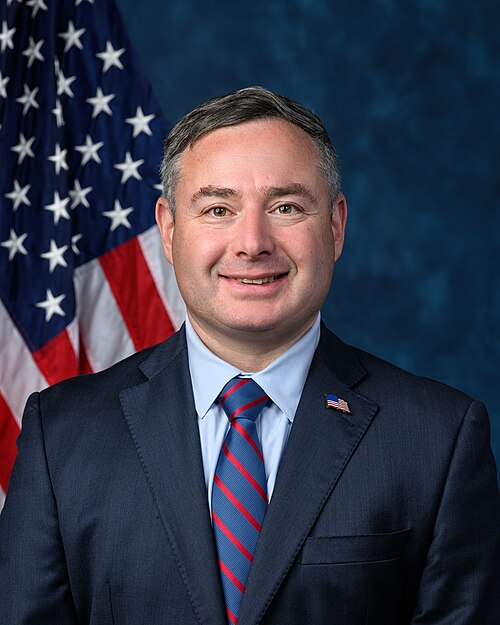
5 bill sponsors


Actions
2 actions
| Date | Action |
|---|---|
| Nov. 04, 2025 | Introduced in House |
| Nov. 04, 2025 | Referred to the House Committee on Veterans' Affairs. |
Corporate Lobbying
0 companies lobbying
None found.
* Note that there can be significant delays in lobbying disclosures, and our data may be incomplete.
Potentially Relevant Congressional Stock Trades
No relevant congressional stock trades found.