
H.R. 5724: Fair Access to Swift and Timely Justice Act
The Fair Access to Swift and Timely Justice Act, also known as the FAST Justice Act, aims to improve the process through which federal employees and job applicants can appeal decisions related to their employment. Key aspects of the bill include the following:
Timeliness of Appeals
The bill amends current laws to enforce stricter timelines for the Merit Systems Protection Board (MSPB) when handling appeals. Specifically:
- If a federal employee or applicant files an appeal, the MSPB has 120 days to take any action on that appeal.
- If the MSPB does not act within this timeframe, the employee or applicant has the right to initiate a civil action, meaning they can take legal action in federal court.
Filing a Civil Action
The bill outlines how and where an employee or applicant can file a civil action:
- Jurisdiction: They may file in any district court where the personnel action (the matter being appealed) took place or where they would have been employed if the personnel action had not occurred.
- Principal Office Location: If the entity involved is not subject to jurisdiction in the aforementioned districts, the lawsuit can be filed in the district where the entity's principal office is located.
Judicial Standards
In the civil actions, the following standards apply:
- The court will review decisions from the MSPB using a specific standard of review outlined in existing law.
- For other determinations related to the case, the court uses the standard that would normally apply to reviews by the MSPB.
Appeals and Stays
The bill specifies procedures for appealing decisions:
- Appeals from district court decisions must go to the U.S. court of appeals for the relevant judicial district.
- If a civil action is filed regarding a personnel action, the MSPB must pause (stay) the appeal process while the civil action is ongoing. If the civil action is dismissed for jurisdiction issues, the MSPB can then resume processing the appeal.
Limitations
The legislation clarifies that it does not restrict an employee's or applicant's ability to pursue judicial reviews as currently allowed under existing law.
Relevant Companies
None found
This is an AI-generated summary of the bill text. There may be mistakes.
Sponsors
21 bill sponsors
-
TrackJames R. Walkinshaw

Sponsor
-
TrackSheila Cherfilus-McCormick

Co-Sponsor
-
TrackSarah Elfreth
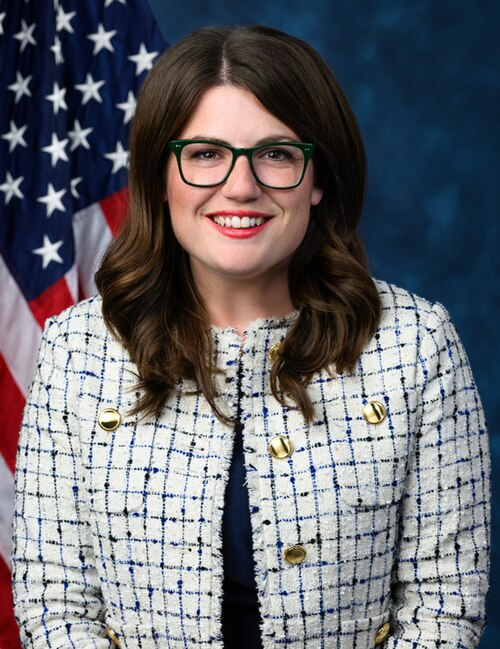
Co-Sponsor
-
TrackDwight Evans
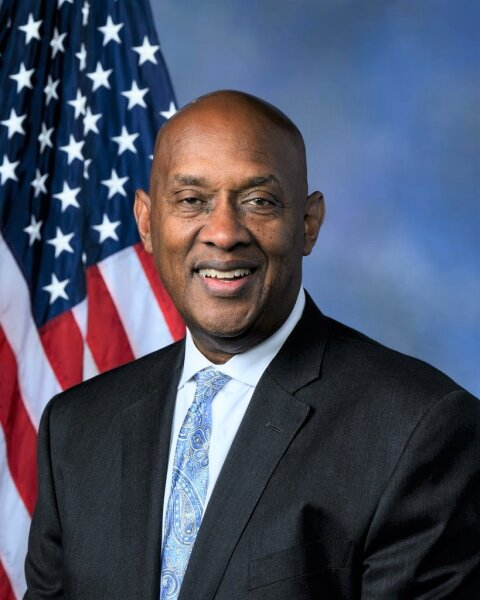
Co-Sponsor
-
TrackLois Frankel
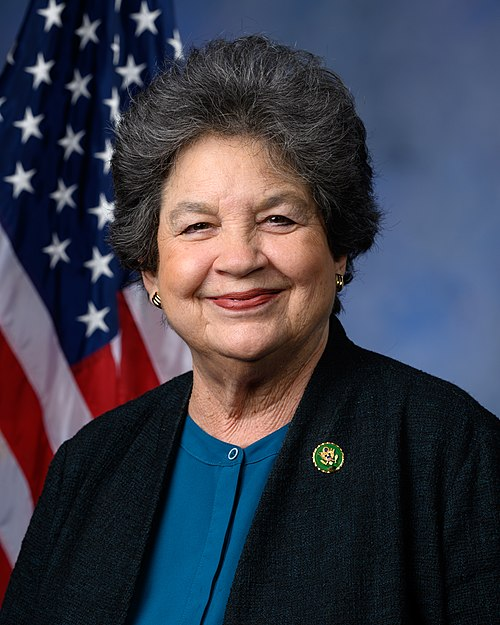
Co-Sponsor
-
TrackJosh Gottheimer
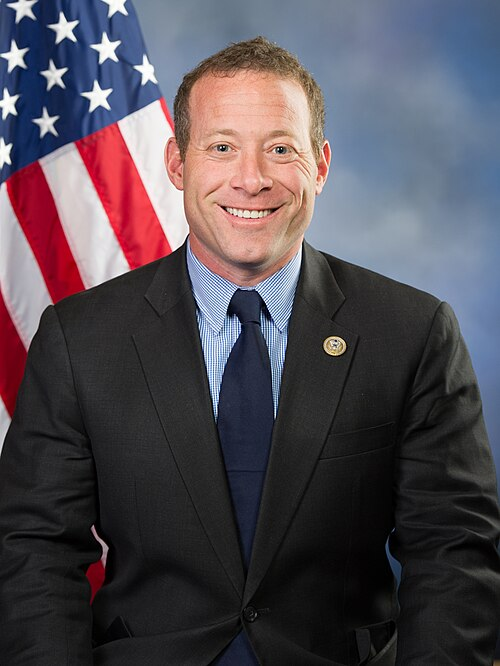
Co-Sponsor
-
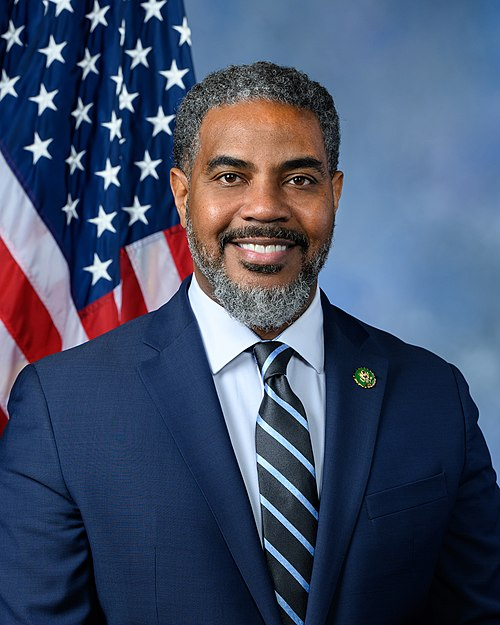
TrackSteven Horsford
Co-Sponsor
-
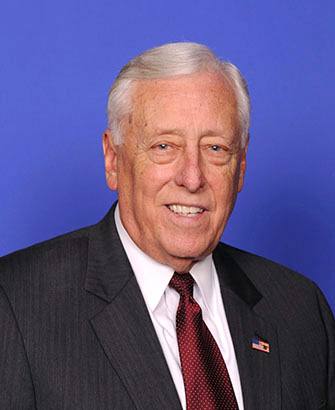
TrackSteny H. Hoyer
Co-Sponsor
-
TrackHenry C. "Hank" Johnson, Jr.

Co-Sponsor
-
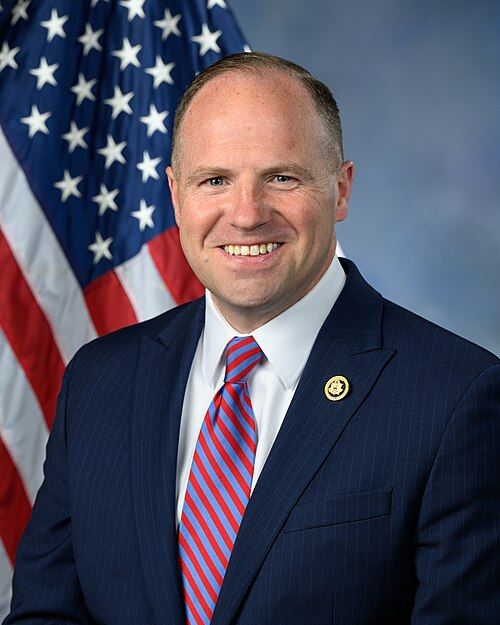
TrackTimothy M. Kennedy
Co-Sponsor
-
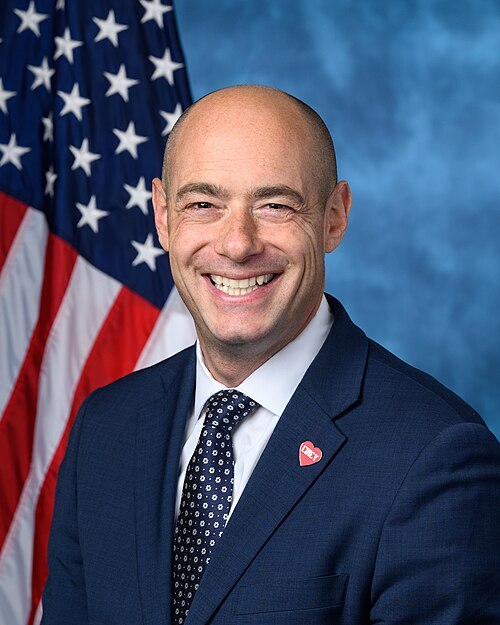
TrackGreg Landsman
Co-Sponsor
-
TrackStephen F. Lynch
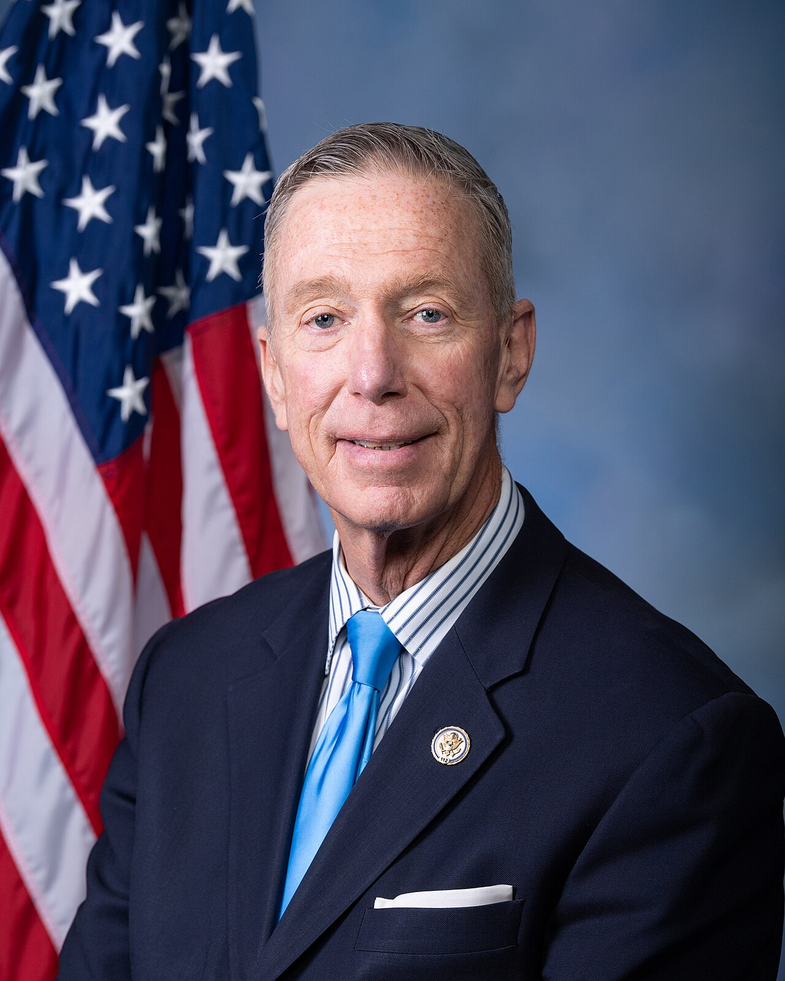
Co-Sponsor
-
TrackJennifer L. McClellan
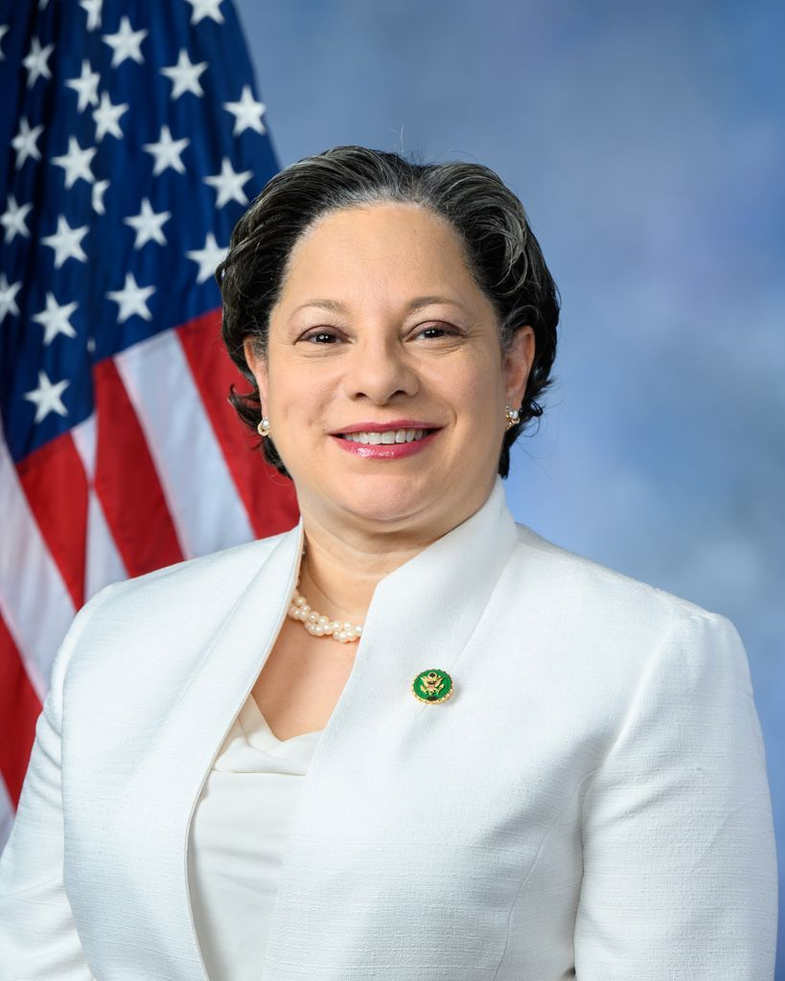
Co-Sponsor
-
TrackEleanor Holmes Norton

Co-Sponsor
-
TrackMelanie A. Stansbury
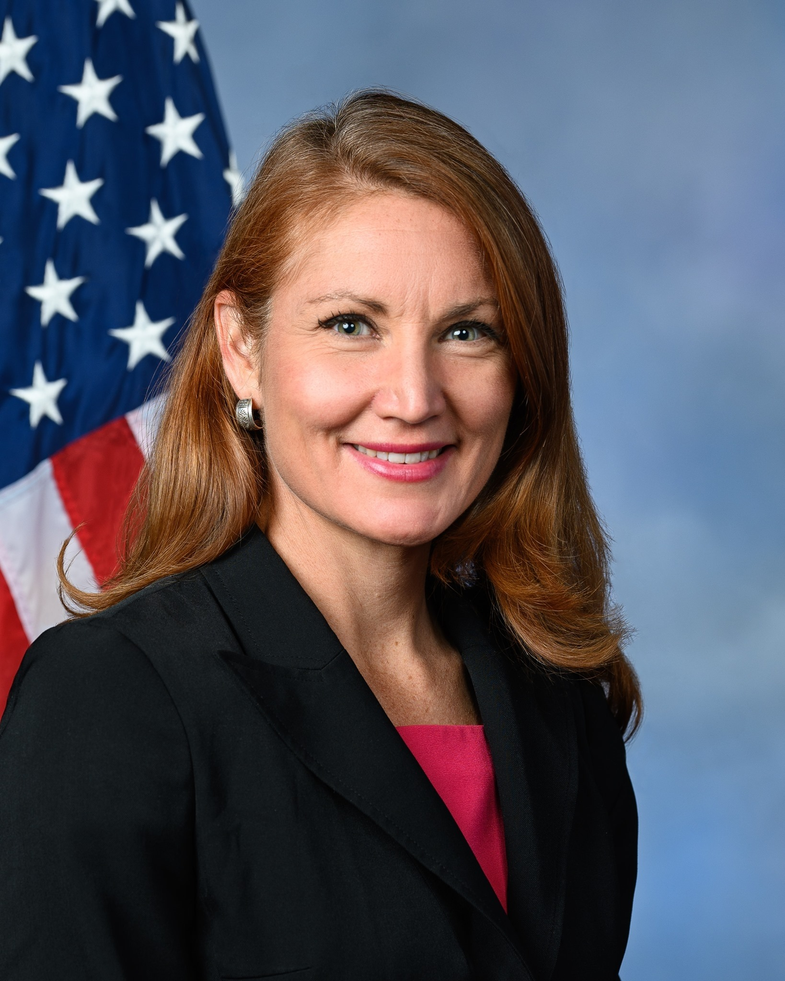
Co-Sponsor
-
TrackHaley M. Stevens
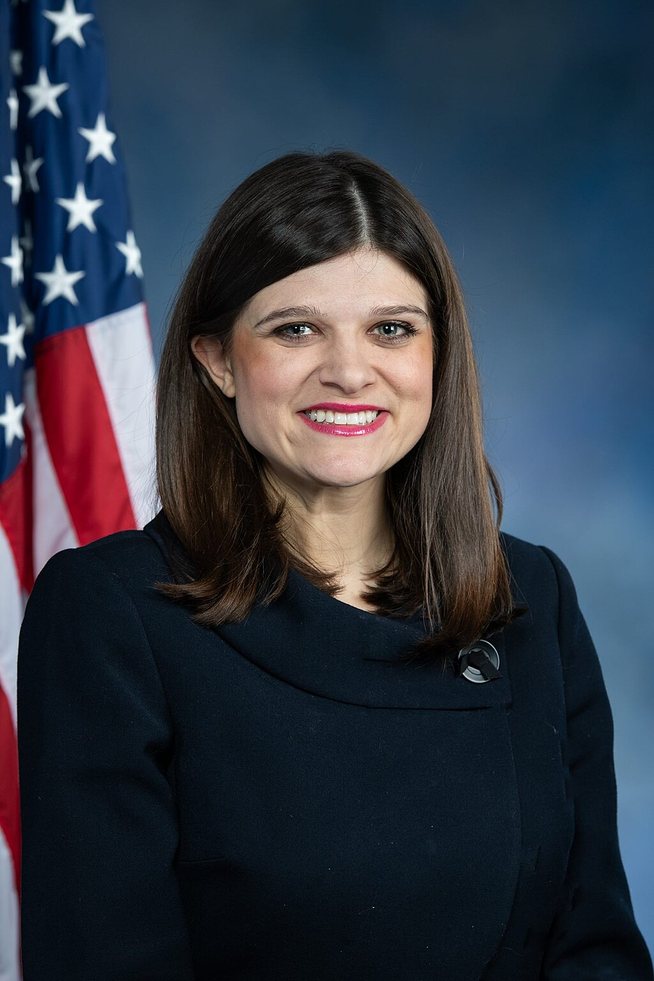
Co-Sponsor
-
TrackSuhas Subramanyam

Co-Sponsor
-
TrackShri Thanedar
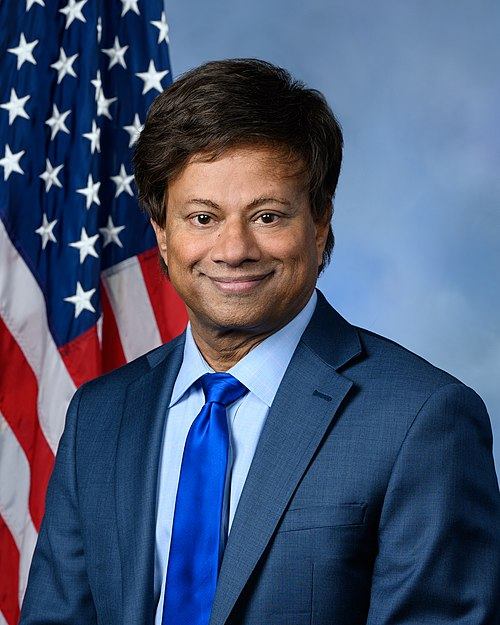
Co-Sponsor
-
TrackDina Titus
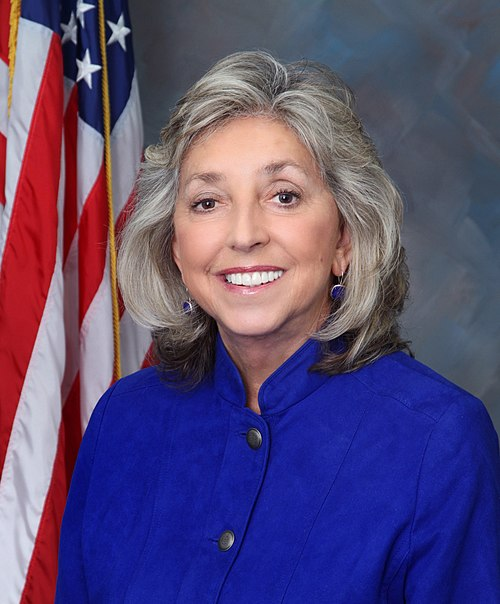
Co-Sponsor
-
TrackEugene Vindman
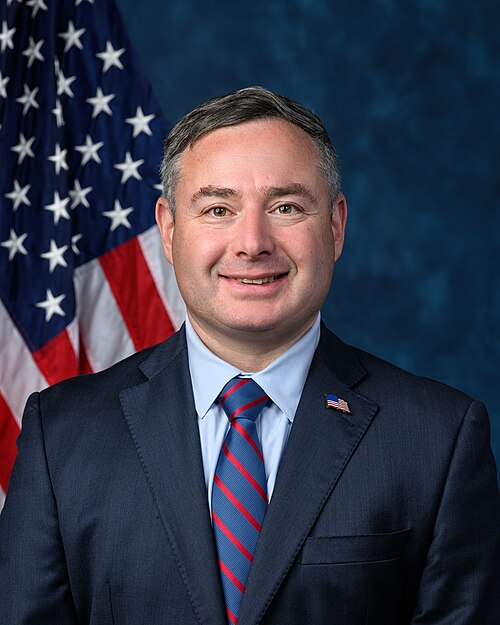
Co-Sponsor
-
TrackDebbie Wasserman Schultz
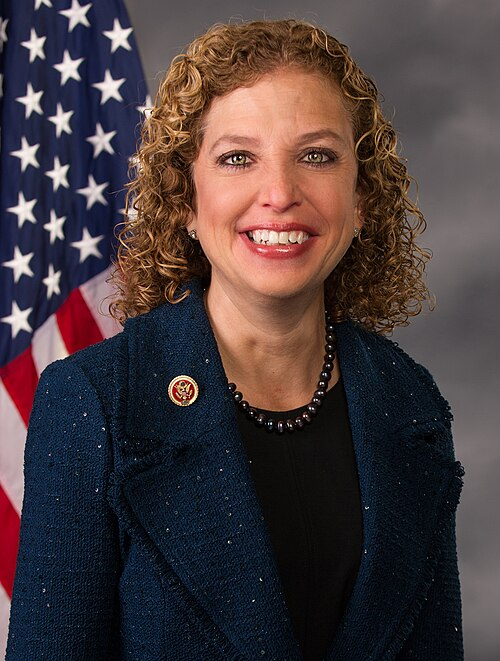
Co-Sponsor
Actions
2 actions
| Date | Action |
|---|---|
| Oct. 08, 2025 | Introduced in House |
| Oct. 08, 2025 | Referred to the Committee on Oversight and Government Reform, and in addition to the Committee on the Judiciary, for a period to be subsequently determined by the Speaker, in each case for consideration of such provisions as fall within the jurisdiction of the committee concerned. |
Corporate Lobbying
0 companies lobbying
None found.
* Note that there can be significant delays in lobbying disclosures, and our data may be incomplete.
Potentially Relevant Congressional Stock Trades
No relevant congressional stock trades found.