H.R. 5693: Protect College Sports from Private Equity and Foreign Influence Act
This bill, known as the Protect College Sports from Private Equity and Foreign Influence Act (PROTECT Act), aims to amend the Higher Education Act of 1965 by prohibiting certain agreements between institutions of higher education and private equity firms or sovereign wealth funds concerning intercollegiate athletics. Here’s a straightforward breakdown of what the bill entails:
Purpose of the Bill
The bill is intended to protect intercollegiate athletics programs from the influence and financial involvement of private equity and sovereign wealth funds. It seeks to ensure that these programs remain aligned with the educational missions of the institutions and serve public interests rather than private profit motives.
Key Findings
- Intercollegiate athletics are linked to nonprofit educational institutions and contribute to student development and community engagement.
- The sector generates significant annual revenue through various channels, impacting interstate commerce substantially.
- Public colleges benefit from taxpayer support and have an obligation to manage athletics programs for the public good.
- Engagements with private capital can compromise educational standards and transparency, which is why the bill advises against them.
Main Provisions
The bill introduces a new stipulation under the Higher Education Act which states that institutions must not:
- Enter into agreements that would transfer any ownership or revenue interests from their intercollegiate athletics programs to private equity firms or sovereign wealth funds.
- Grant these entities any control over athletic decisions, institutional branding, scheduling, personnel, or student athlete participation.
- Establish joint ventures that would allow such firms or funds to receive any share of athletics-related revenues.
Exceptions
There are certain exceptions to these prohibitions, such as:
- Fee-for-service contracts for distinct services.
- Charitable contributions, gifts, or grants.
- Specific tax-exempt financing structures that do not involve relinquishing revenue rights or control.
- Sponsorships or advertising agreements that do not include revenue-sharing or control aspects.
Compliance and Certification
Institutions will be required to certify annually that they have not engaged in prohibited agreements and must disclose any agreements that fall under the specified exceptions. Additionally, any existing agreements will need to be amended or terminated to comply with the new regulations within 24 months of the bill's enactment.
Regulatory Oversight
The Secretary of Education is tasked with developing rules to implement these provisions, coordinating with other financial and regulatory agencies to ensure a cohesive approach that aligns with federal securities law definitions.
Relevant Companies
- NKE (Nike, Inc.): Nike partners with various colleges and universities on sponsorship deals. Changes in revenue-sharing agreements due to this bill could impact their partnerships.
- UA (Under Armour, Inc.): Similarly, Under Armour's collegiate partnerships may be affected if universities cannot enter revenue-sharing agreements with private equity.
- PEP (PepsiCo, Inc.): As a sponsor for numerous college sports programs, PepsiCo might face impacts regarding how colleges can structure sponsorship agreements.
This is an AI-generated summary of the bill text. There may be mistakes.
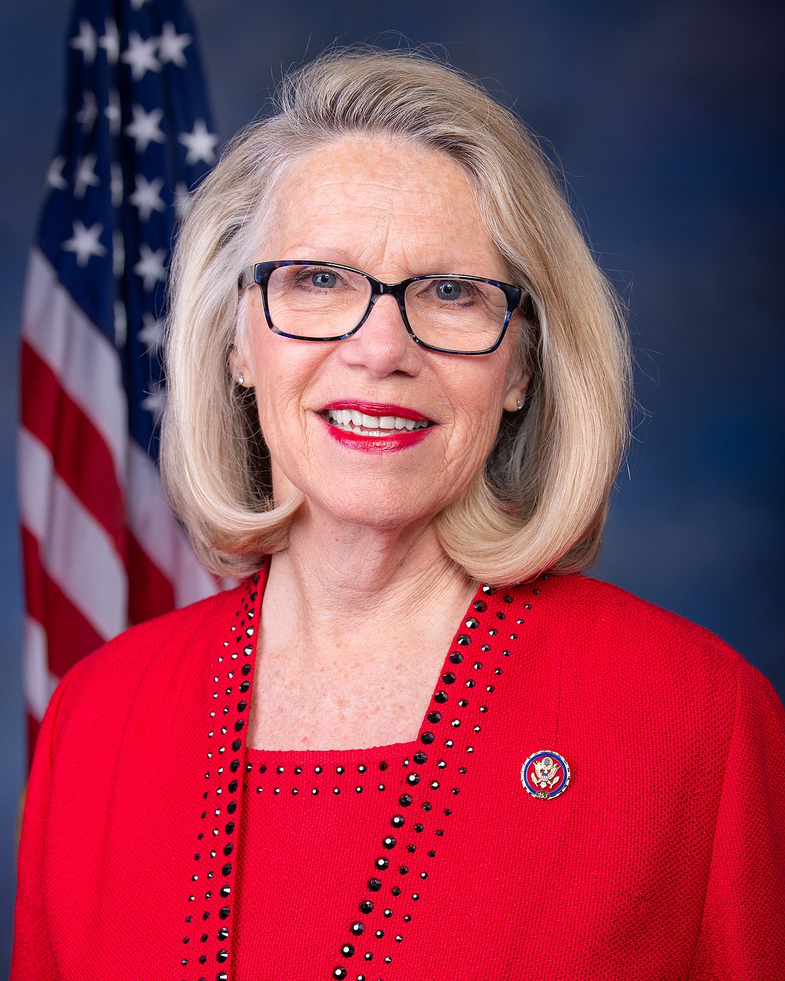
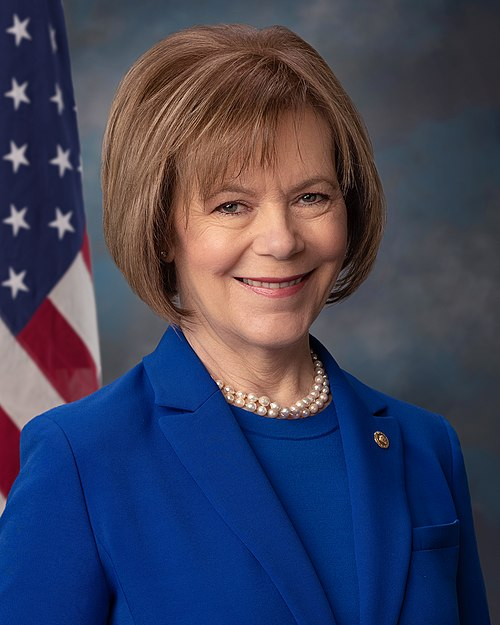
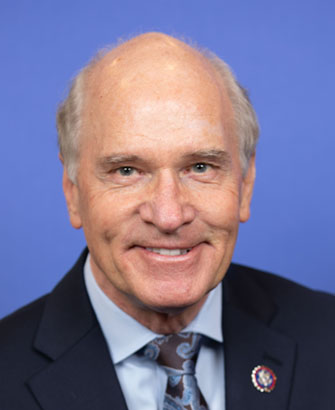
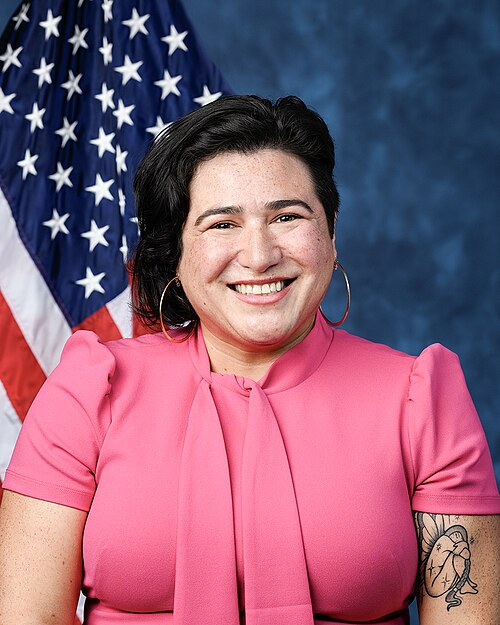
Sponsors
1 sponsor
Actions
2 actions
| Date | Action |
|---|---|
| Oct. 06, 2025 | Introduced in House |
| Oct. 06, 2025 | Referred to the House Committee on Education and Workforce. |
Corporate Lobbying
0 companies lobbying
None found.
* Note that there can be significant delays in lobbying disclosures, and our data may be incomplete.