H.R. 5489: Future Generations Protection Act
This bill is known as the Future Generations Protection Act. It aims to amend the Clean Air Act to implement stricter regulations concerning greenhouse gas emissions and fossil fuel use. Below are the key provisions of the bill:
1. Greenhouse Gas Emission Prohibition
The bill prohibits any greenhouse gas emissions from new electric utility steam generating units. This means that starting from the date the bill is enacted, any newly built electric power plants cannot emit greenhouse gases at all. This includes gases such as:
- Carbon dioxide
- Methane
- Nitrous oxide
- Hydrofluorocarbons
- Perfluorocarbons
- Sulfur hexafluoride
A new electric utility steam generating unit is defined as one that begins operation after the enactment of this bill.
2. Natural Gas Project Restrictions
The bill restricts the Federal Energy Regulatory Commission (FERC) from approving new liquefied natural gas (LNG) terminals unless these projects would result in a reduction of greenhouse gas emissions. This is designed to prevent additional fossil fuel infrastructure that could perpetuate emissions beyond the newly banned sources.
3. Prohibition of Hydraulic Fracturing
The act prohibits hydraulic fracturing on all federal lands, both onshore and offshore. Hydraulic fracturing, or fracking, is a method used to extract oil and gas by injecting high-pressure fluid into underground rock formations. This prohibition will take effect on January 1, 2029.
4. Ban on Crude Oil and Natural Gas Exports
The bill introduces a ban on the export of domestically produced crude oil and natural gas, including liquefied natural gas (LNG). This ban would limit the transfer of fossil fuels to other countries unless specific conditions are met, such as for transportation efficiency or historical trading relationships with neighboring countries like Canada and Mexico. The Secretary of Commerce would have the authority to approve certain limited exports with Presidential approval.
5. Focus on Renewable Energy Transition
The bill encourages a transition away from fossil fuels to renewable energy sources. It emphasizes the federal government's responsibility to ensure that this transition is just and equitable for workers and communities affected by the shift, prioritizing issues of racial and gender equity and environmental justice.
6. Findings and Purpose
The bill states several findings highlighting the impacts of fossil fuel usage on the climate crisis and environmental justice, underscoring the need for a transition to renewable energy to avoid serious climate consequences.
Relevant Companies
- XOM (Exxon Mobil Corporation) - As a major player in the oil and gas industry, this company could be significantly affected by the prohibition on hydraulic fracturing and the ban on crude oil exports.
- CVX (Chevron Corporation) - Like Exxon, Chevron operates in the fossil fuels sector and may face operational limitations due to the bill's provisions against emissions and export bans.
- DVN (Devon Energy Corporation) - This company, involved in oil and natural gas production, could experience impacts from the restrictions around emissions and hydraulic fracturing.
This is an AI-generated summary of the bill text. There may be mistakes.
Sponsors
12 bill sponsors
-
TrackJanice D. Schakowsky

Sponsor
-
TrackNanette Diaz Barragán
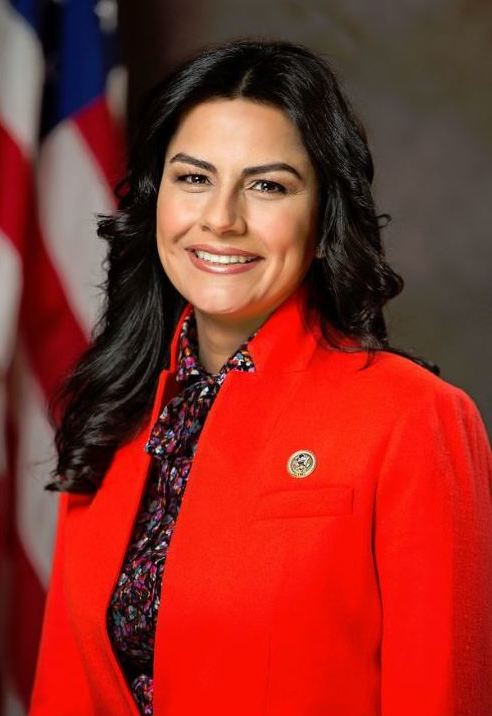
Co-Sponsor
-
TrackAdriano Espaillat
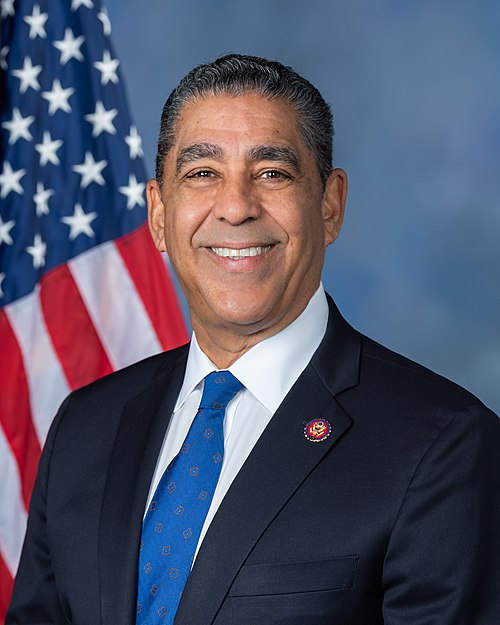
Co-Sponsor
-
TrackJared Huffman
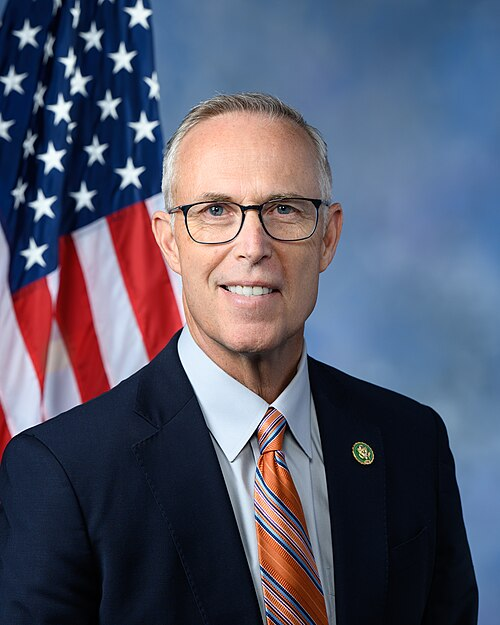
Co-Sponsor
-
TrackPramila Jayapal

Co-Sponsor
-
TrackSummer L. Lee

Co-Sponsor
-
TrackZoe Lofgren
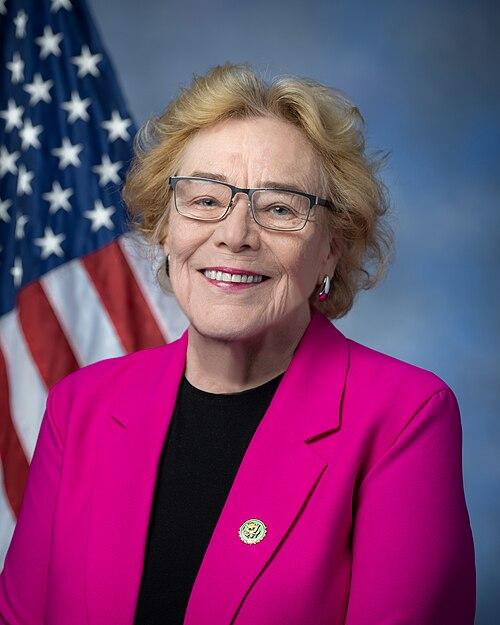
Co-Sponsor
-
TrackJames P. McGovern

Co-Sponsor
-
TrackEleanor Holmes Norton

Co-Sponsor
-
TrackDelia C. Ramirez

Co-Sponsor
-
TrackRashida Tlaib

Co-Sponsor
-
TrackNydia M. Velázquez

Co-Sponsor
Actions
2 actions
| Date | Action |
|---|---|
| Sep. 18, 2025 | Introduced in House |
| Sep. 18, 2025 | Referred to the Committee on Energy and Commerce, and in addition to the Committees on Natural Resources, and Foreign Affairs, for a period to be subsequently determined by the Speaker, in each case for consideration of such provisions as fall within the jurisdiction of the committee concerned. |
Corporate Lobbying
0 companies lobbying
None found.
* Note that there can be significant delays in lobbying disclosures, and our data may be incomplete.