H.R. 5485: Second Chance at Life Act of 2025
The Second Chance at Life Act of 2025 proposes new regulations concerning chemical abortions in the United States, specifically focusing on informed consent for women considering these procedures. Key provisions of the bill include:
Informed Consent Requirements
Under this bill, any abortion provider performing a chemical abortion must inform the woman seeking the procedure about the possibility of reversing its effects if she changes her mind, particularly after taking the first drug in the two-drug process, mifepristone. This disclosure must happen at least 24 hours before the abortion is performed. The information must include:
- The possibility of reversal after taking mifepristone, but before taking the second drug, misoprostol.
- Contact information for resources that can assist in such reversals, available on a dedicated website managed by the Department of Health and Human Services.
Additionally, after the first drug is dispensed, the physician must provide the woman with written discharge instructions that include a statement about the potential for reversal of the abortion effects.
Signage Requirements
Facilities that conduct chemical abortions must visibly post information on the possibility of reversing the abortion, which should be clearly worded and located in areas where patients can easily see it. The signage must inform potential patients that mifepristone alone may not be entirely effective and that reversal might be an option if the second drug has not been taken.
Website and Printed Materials
The bill mandates the creation of a website by the Secretary of Health and Human Services that provides easy-to-understand information about the potential for reversal of chemical abortions, targeting diverse language speakers in various states. This website must maintain user anonymity and have specific accessibility standards (e.g., image quality and font size).
Exceptions for Medical Emergencies
The informed consent requirements do not apply if the abortion is necessary to protect the woman’s life or in cases of serious medical conditions arising from the pregnancy. In these instances, the abortion provider must document the medical justification in the patient’s file.
Civil Remedies
The bill allows individuals affected by a chemical abortion to pursue civil action against providers who fail to comply with the informed consent rules. This includes:
- The woman upon whom the abortion was performed.
- The father of the unborn child.
- Parents of minors who underwent the procedure.
If a plaintiff successfully sues under the bill, they may be awarded attorney's fees. However, lawsuits cannot proceed in cases where the pregnancy resulted from the plaintiff's criminal actions.
Preemption Clause
The bill clarifies that it does not override state laws that may have stricter requirements for disclosure or penalties related to abortion procedures.
Severability Clause
If any part of this legislation is found to be unconstitutional, the rest of the bill will remain in effect.
Relevant Companies
None found.
This is an AI-generated summary of the bill text. There may be mistakes.
Sponsors
23 bill sponsors
-
TrackAugust Pfluger
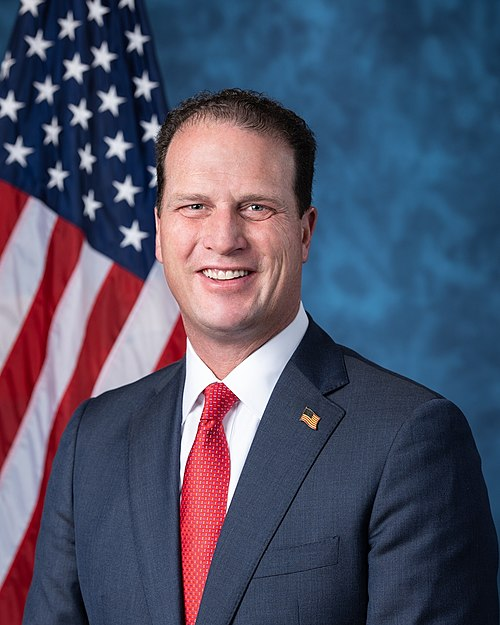
Sponsor
-
TrackStephanie I. Bice
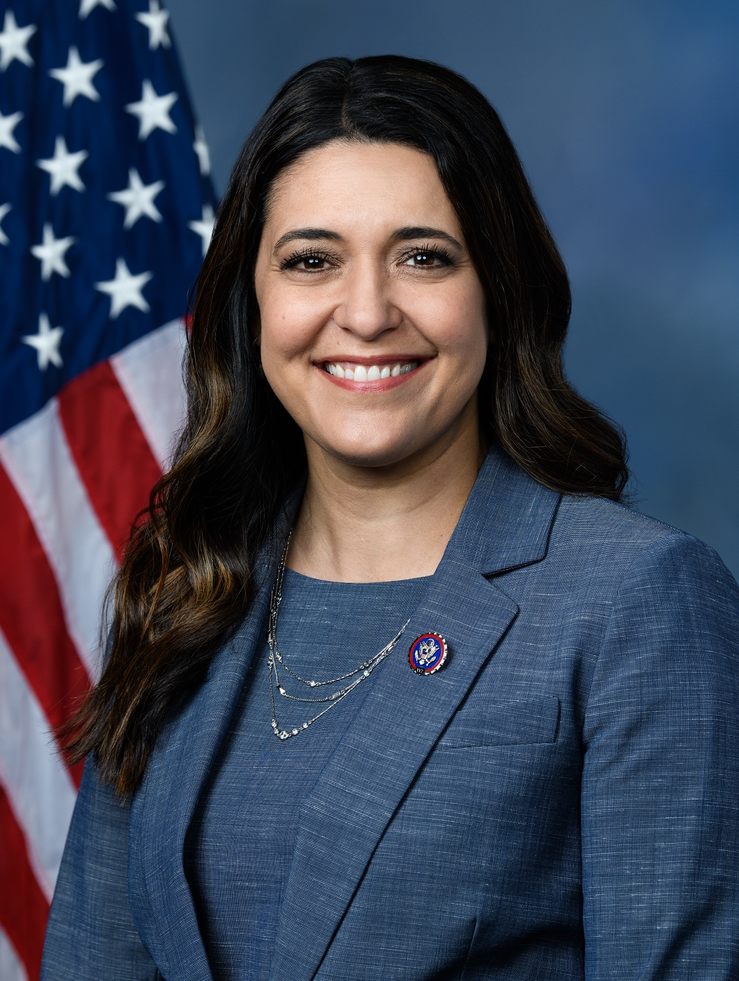
Co-Sponsor
-
TrackSheri Biggs
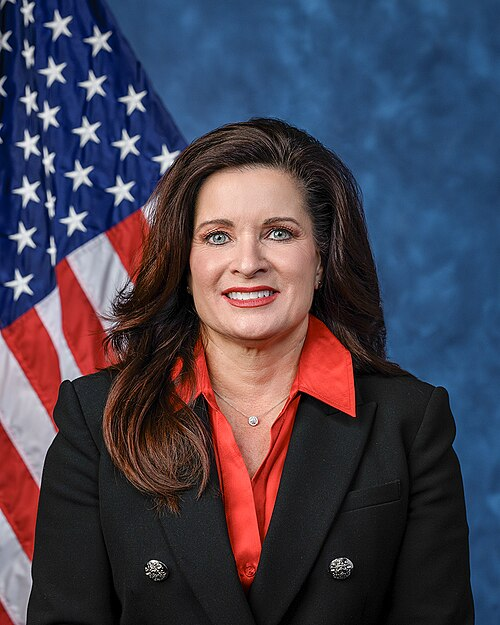
Co-Sponsor
-
TrackMike Bost
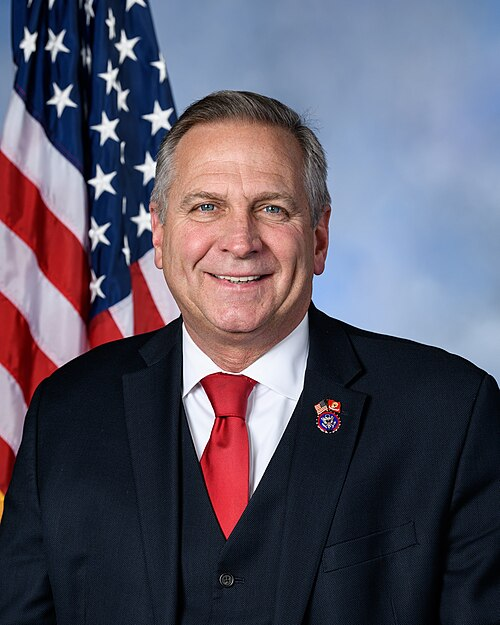
Co-Sponsor
-
TrackKat Cammack
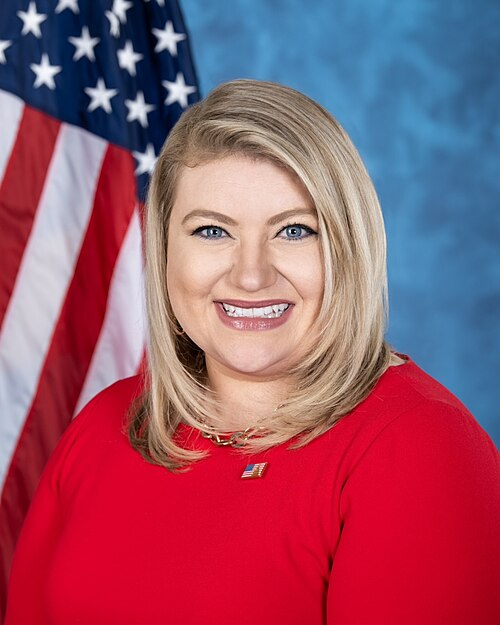
Co-Sponsor
-
TrackDan Crenshaw

Co-Sponsor
-
TrackRon Estes
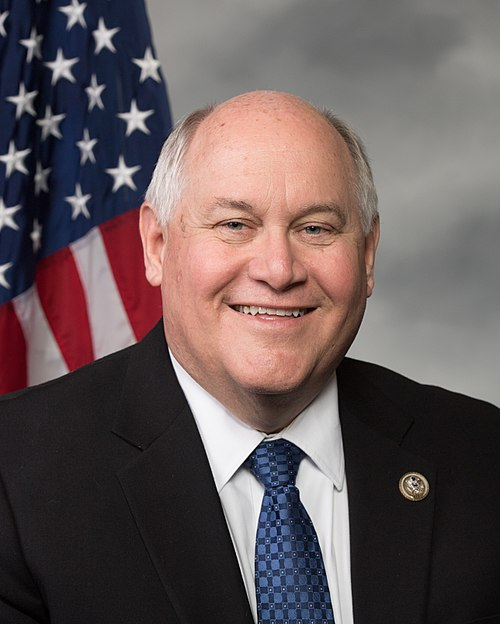
Co-Sponsor
-
TrackBrad Finstad

Co-Sponsor
-
TrackRussell Fry
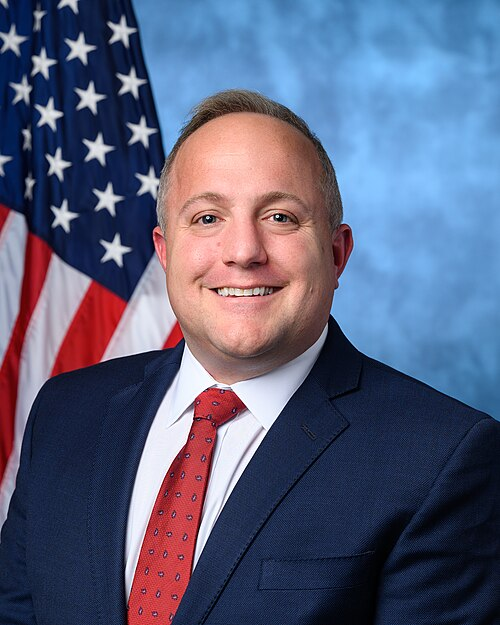
Co-Sponsor
-
TrackCraig Goldman

Co-Sponsor
-
TrackMichael Guest

Co-Sponsor
-
TrackDavid Kustoff
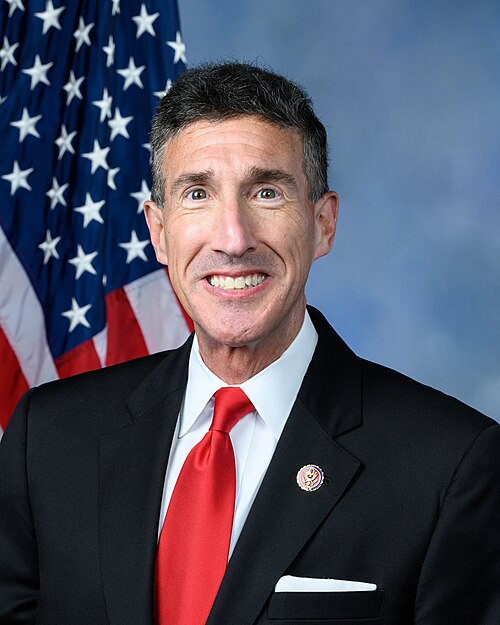
Co-Sponsor
-
TrackDoug LaMalfa

Co-Sponsor
-
TrackBarry Loudermilk

Co-Sponsor
-
TrackJohn McGuire

Co-Sponsor
-
TrackMark Messmer

Co-Sponsor
-
TrackJohn R. Moolenaar

Co-Sponsor
-
TrackBarry Moore

Co-Sponsor
-
TrackJohn W. Rose
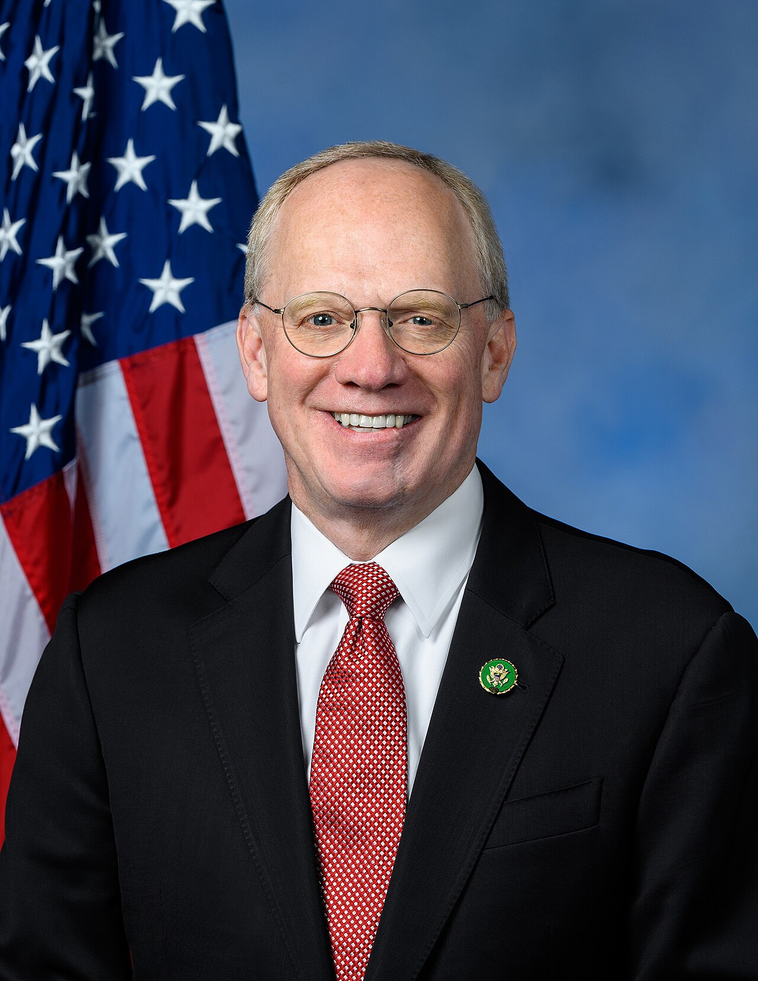
Co-Sponsor
-
TrackKeith Self
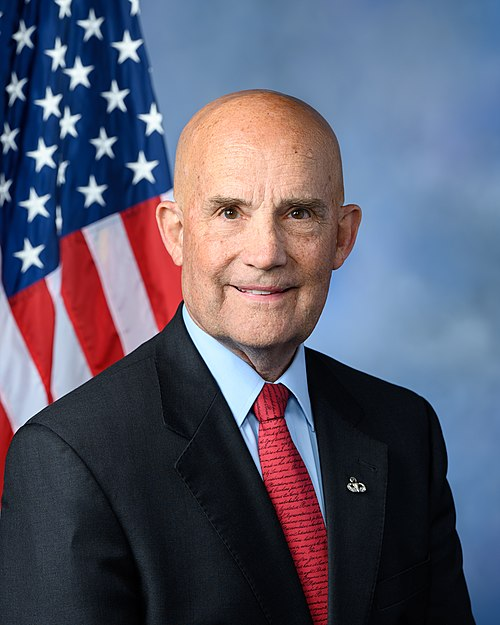
Co-Sponsor
-
TrackMarlin A. Stutzman
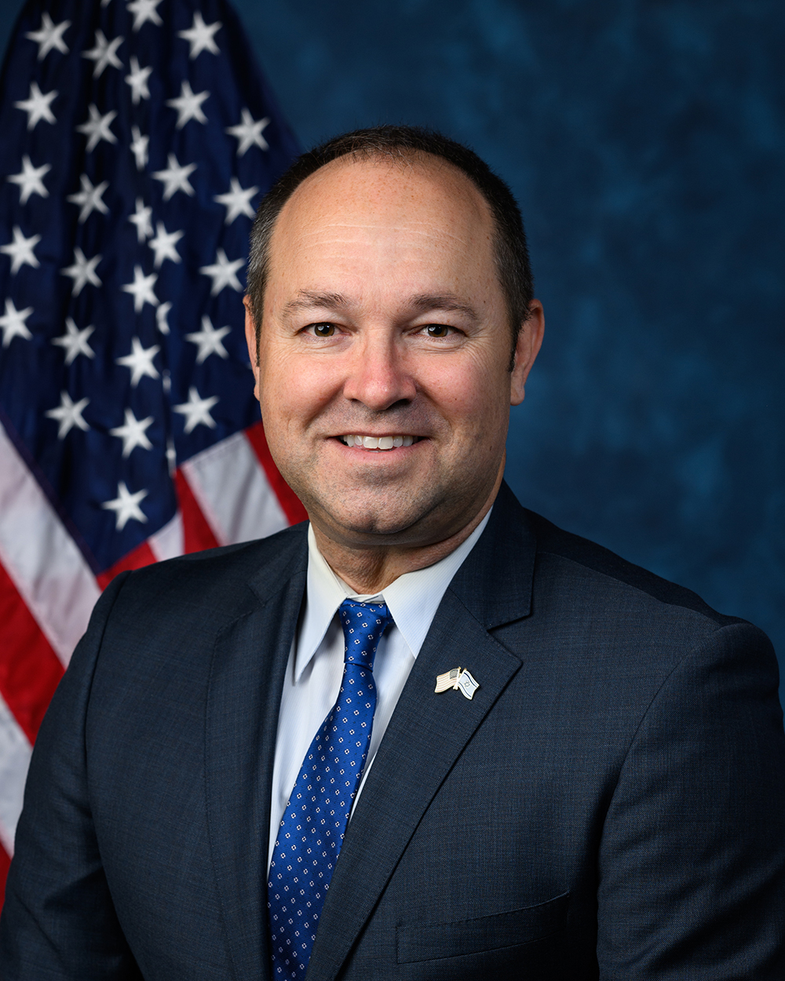
Co-Sponsor
-
TrackRandy K. Weber, Sr.
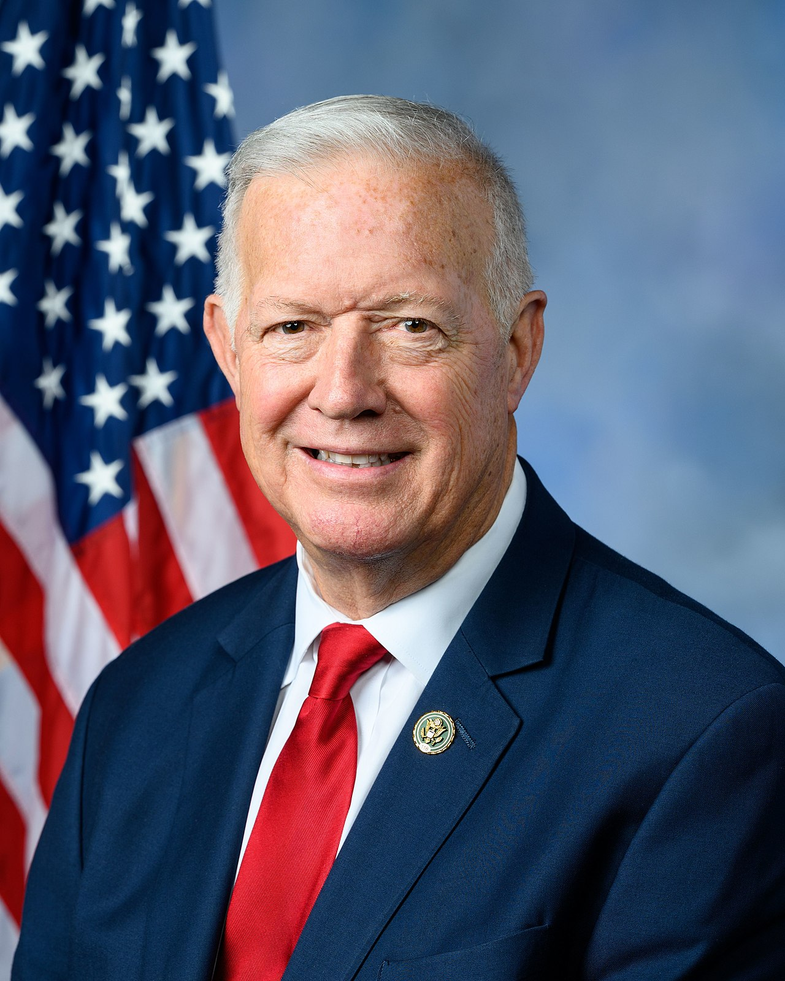
Co-Sponsor
-
TrackRoger Williams

Co-Sponsor
Actions
2 actions
| Date | Action |
|---|---|
| Sep. 18, 2025 | Introduced in House |
| Sep. 18, 2025 | Referred to the House Committee on Energy and Commerce. |
Corporate Lobbying
0 companies lobbying
None found.
* Note that there can be significant delays in lobbying disclosures, and our data may be incomplete.
Potentially Relevant Congressional Stock Trades
No relevant congressional stock trades found.