H.R. 5482: Prevent Youth Suicide Act
This bill, titled the Prevent Youth Suicide Act, aims to improve suicide prevention efforts in middle and high schools across the United States. It outlines specific requirements that educational agencies or institutions serving students in grades 6 through 12 must follow to help protect students' mental health and address issues related to suicide.
Key Requirements
The Secretary of Education is mandated to establish rules for schools to implement certain protocols aimed at preventing youth suicide and supporting students in need. Below are the main components of the bill:
1. Suicide Prevention Protocols
- Program Development: Schools must develop and implement evidence-based suicide prevention programs that cater to their student populations. This includes:
- Training for Staff: Providing biennial training for staff and faculty to help them identify signs of distress and risk factors for suicide, as well as guidelines for how to report these concerns to parents and guidance counselors.
- Referral Systems: Establishing systems to connect students in need with appropriate mental health resources both within and outside of the school.
- Awareness Campaigns: Conducting initiatives to reduce stigma surrounding mental health issues and encourage students to seek help.
2. Suicide Postvention Support
- Aftermath Support: Developing a plan that focuses on supporting students, staff, and the community affected by a suicide. This plan must include:
- Guidelines for Communication: Providing clear communication strategies, memorialization options, and access to grief counseling resources.
- Collaboration with Professionals: Working with mental health professionals and community organizations to provide comprehensive support after a suicide event.
3. Trauma-Informed Care
- Creating Safe Environments: Schools are to adopt a trauma-informed approach to create safer and more supportive environments. This includes:
- Providing biennial training to staff on understanding trauma and its effects on students, as well as promoting appropriate responses.
Additional Responsibilities for the Secretary of Education
The Secretary of Education will also have specific duties, including:
- Technical Assistance: Offering resources and guidance to educational institutions for compliance with the new rules.
- Compliance Monitoring: Establishing mechanisms for ensuring schools follow the regulations through assessments and audits.
- Feedback Mechanisms: Encouraging schools to provide feedback on the effectiveness of the measures implemented and revising the rules as necessary.
Definitions
The bill includes definitions for several key terms, such as:
- Educational Agency or Institution: Refers to institutions that provide education to students in grades 6-12.
- Suicide Prevention: Involves strategies aimed at identifying risk factors and offering interventions.
- Trauma-Informed Care: An approach that takes into account the history of trauma among students and aims to avoid re-traumatization.
Relevant Companies
None found.This is an AI-generated summary of the bill text. There may be mistakes.
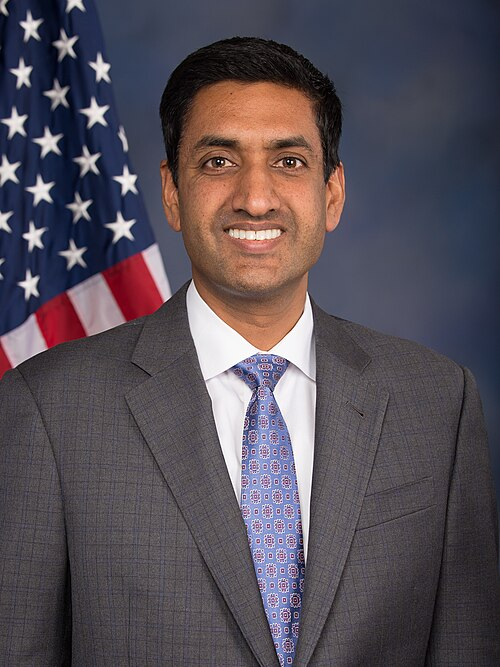
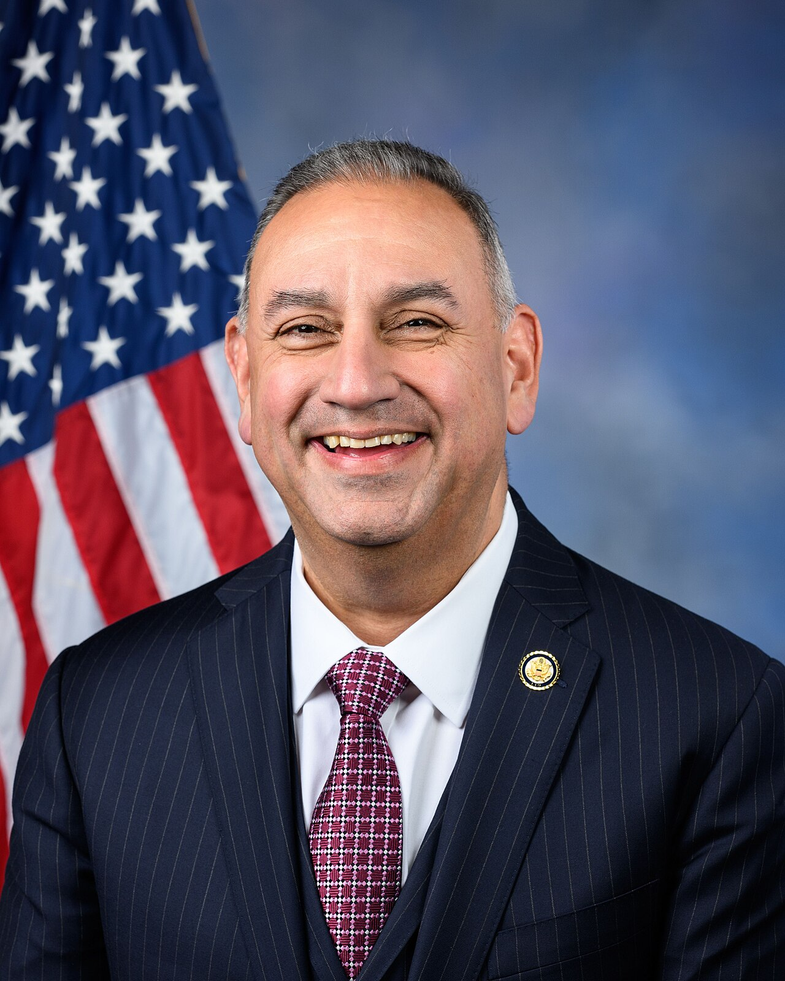
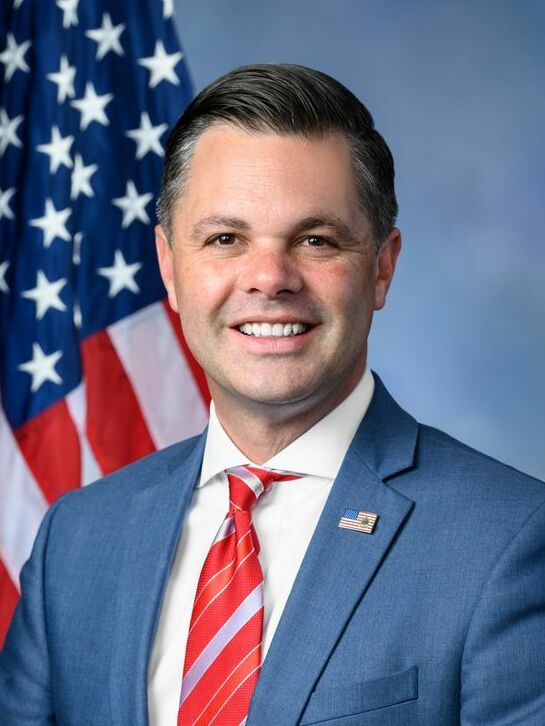
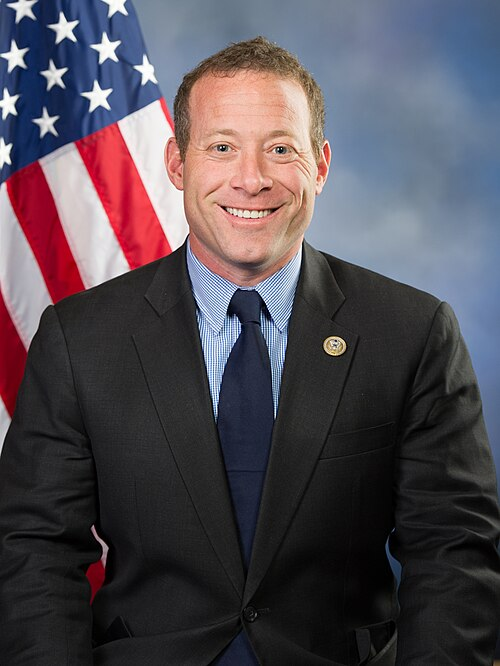
Sponsors
6 bill sponsors

Actions
2 actions
| Date | Action |
|---|---|
| Sep. 18, 2025 | Introduced in House |
| Sep. 18, 2025 | Referred to the House Committee on Education and Workforce. |
Corporate Lobbying
1 company lobbying