
H.R. 5298: Tax Excessive CEO Pay Act of 2025
This bill, referred to as the Tax Excessive CEO Pay Act of 2025, aims to amend the Internal Revenue Code to impose higher corporate tax rates on companies where the pay of the CEO or the highest-paid employee is significantly higher than the earnings of the average worker. Specifically, if a company's ratio of CEO or highest-paid employee compensation to median worker compensation is greater than 50 to 1, the corporate tax rate will be increased. Here is a breakdown of the key components:
Corporate Tax Increase Based on Compensation Ratio
Under this provision, the corporate tax rate for companies with a pay ratio exceeding 50 to 1 would be increased beyond the standard rate of 21%. The increase in the tax rate would be calculated based on specific thresholds:
- If the pay ratio is greater than 50 to 1 but not greater than 100 to 1, the tax rate is increased by 0.5 percentage points.
- If the pay ratio is greater than 100 to 1 but not greater than 200 to 1, the increase is 1 percentage point.
- If the pay ratio is greater than 200 to 1 but not greater than 300 to 1, the increase is 2 percentage points.
- If the pay ratio is greater than 300 to 1 but not greater than 400 to 1, the increase is 3 percentage points.
- If the pay ratio is greater than 400 to 1 but not greater than 500 to 1, the increase is 4 percentage points.
- If the pay ratio exceeds 500 to 1, the increase is 5 percentage points.
Determination of Pay Ratio
The pay ratio is determined according to regulations set by the Securities and Exchange Commission (SEC) and averaged over a five-year period. If the highest-paid employee is not the CEO, the ratio will be calculated using the compensation of that individual instead.
Companies that are not required to file with the SEC must still determine their pay ratio if their annual gross receipts exceed $100 million over a three-year period; otherwise, they are exempt from this requirement.
Effective Date
The new tax structure would take effect for taxable years beginning after December 31, 2025.
Regulations for Compliance
The Secretary of the Treasury is tasked with issuing necessary regulations to ensure companies do not avoid compliance through manipulation, such as adjusting workforce composition or using contractors.
Relevant Companies
None found.
This is an AI-generated summary of the bill text. There may be mistakes.
Sponsors
30 bill sponsors
-
TrackRashida Tlaib

Sponsor
-
TrackBecca Balint

Co-Sponsor
-
TrackJulia Brownley
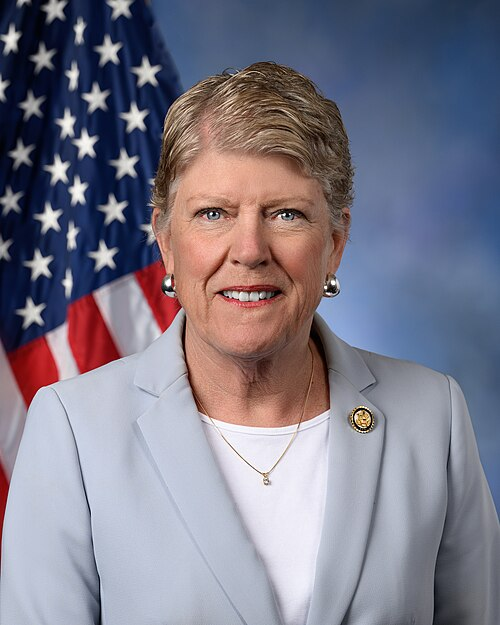
Co-Sponsor
-
TrackGreg Casar

Co-Sponsor
-
TrackYvette D. Clarke

Co-Sponsor
-
TrackSteve Cohen

Co-Sponsor
-
TrackChristopher R. Deluzio

Co-Sponsor
-
TrackMaxine Dexter

Co-Sponsor
-
TrackValerie P. Foushee

Co-Sponsor
-
TrackJesús G. "Chuy" García

Co-Sponsor
-
TrackDaniel S. Goldman

Co-Sponsor
-
TrackJared Huffman
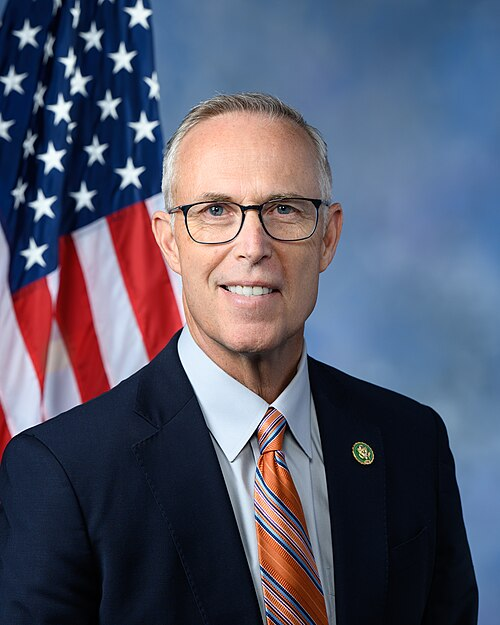
Co-Sponsor
-
TrackJonathan L. Jackson

Co-Sponsor
-
TrackPramila Jayapal

Co-Sponsor
-
TrackRo Khanna

Co-Sponsor
-
TrackSummer L. Lee

Co-Sponsor
-
TrackJames P. McGovern

Co-Sponsor
-
TrackGrace Meng

Co-Sponsor
-
TrackKweisi Mfume
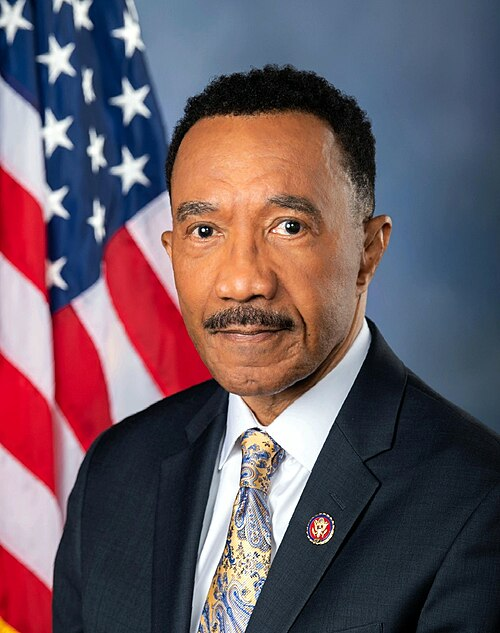
Co-Sponsor
-
TrackEleanor Holmes Norton

Co-Sponsor
-
TrackIlhan Omar

Co-Sponsor
-
TrackFrank Pallone, Jr.

Co-Sponsor
-
TrackChellie Pingree

Co-Sponsor
-
TrackAyanna Pressley
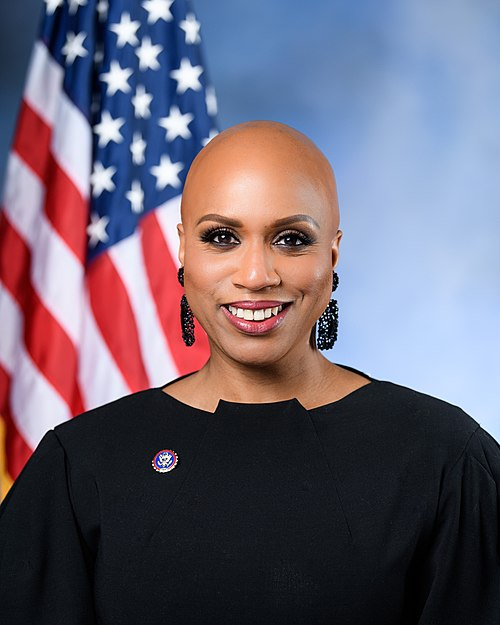
Co-Sponsor
-
TrackDelia C. Ramirez

Co-Sponsor
-
TrackEmily Randall

Co-Sponsor
-
TrackLateefah Simon

Co-Sponsor
-
TrackShri Thanedar

Co-Sponsor
-
TrackBonnie Watson Coleman
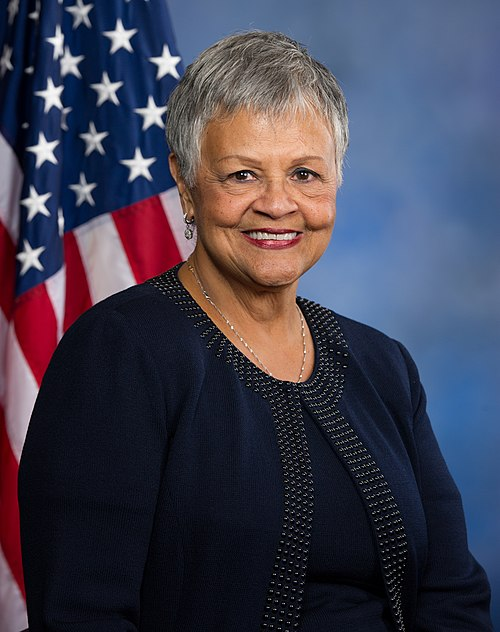
Co-Sponsor
-
Tracknan

Co-Sponsor
Actions
3 actions
| Date | Action |
|---|---|
| Sep. 11, 2025 | Referred to the House Committee on Ways and Means. |
| Sep. 10, 2025 | Introduced in House |
| Sep. 10, 2025 | Sponsor introductory remarks on measure. (CR H4168-4169) |
Corporate Lobbying
0 companies lobbying
None found.
* Note that there can be significant delays in lobbying disclosures, and our data may be incomplete.
Potentially Relevant Congressional Stock Trades
No relevant congressional stock trades found.