
H.R. 5133: Patients’ Right to Know Their Medication Act of 2025
The bill known as the Patients’ Right to Know Their Medication Act of 2025 aims to enhance the quality and accessibility of patient medication information (PMI) for prescription drugs. It seeks to amend the Federal Food, Drug, and Cosmetic Act by introducing a standardized set of requirements for patient medication information that must be included in the labeling of prescription medications.
Key Provisions of the Bill
-
Standardized Patient Medication Information (PMI)
The Secretary of Health and Human Services will create regulations that outline the required content, format, and distribution of patient medication information. These regulations must be issued within one year of the bill's enactment.
-
Content Requirements
The patient medication information must be:
- Scientifically accurate and include patient safety information.
- Developed by drug manufacturers and approved by the Secretary.
- Written in plain language, using graphics where applicable.
- Standardized in format, font size, and color for all drugs.
- Printed on paper using methods consistent with good manufacturing practices.
- Non-promotional in tone.
-
Mandatory Information Included
The PMI must contain key details such as:
- The drug name and national drug code.
- Approved indications for use by the FDA.
- General usage directions and precautions.
- Common adverse reactions and serious warnings, including specific considerations for different populations (e.g., children, pregnant women).
- Measures to mitigate side effects and information on when to consult a healthcare professional.
- Instructions against sharing medications and details for proper storage and disposal.
- Information regarding interactions with other substances.
- Manufacturer details and a contact number for inquiries.
- A link for reporting adverse events or product issues.
-
Printing and Distribution Requirements
The PMI must be provided in printed form with each prescription dispensed, ensuring that sufficient quantities are available for patients.
-
Approval and Updates
The regulations will require timely review and updates of the PMI to include new drugs or information as it becomes available, ensuring patients have access to the most current information.
-
Consequences of Non-Compliance
The bill introduces a misbranding offense for any drug that does not comply with the PMI requirements, indicating stricter regulation and accountability for drug manufacturers.
Impact on Healthcare Costs
One of the anticipated benefits of implementing standardized patient medication information is the potential reduction in costs associated with adverse drug events, which could range from $14.6 to $26.2 billion annually. By improving patient safety and medication adherence, the bill aims to lower healthcare expenditures related to emergency visits and hospital admissions.
Accessibility of Information
The bill recognizes that not all patients have access to electronic versions of medication information, thus emphasizing the necessity of providing printed PMI to meet diverse patient needs and ensure full accessibility.
Requiring Patient Testing
The regulations must also be developed based on documented research showing that the enhanced patient medication information leads to improved understanding and medication compliance among patients.
Relevant Companies
None found.
This is an AI-generated summary of the bill text. There may be mistakes.
Sponsors
12 bill sponsors
-
TrackCliff Bentz
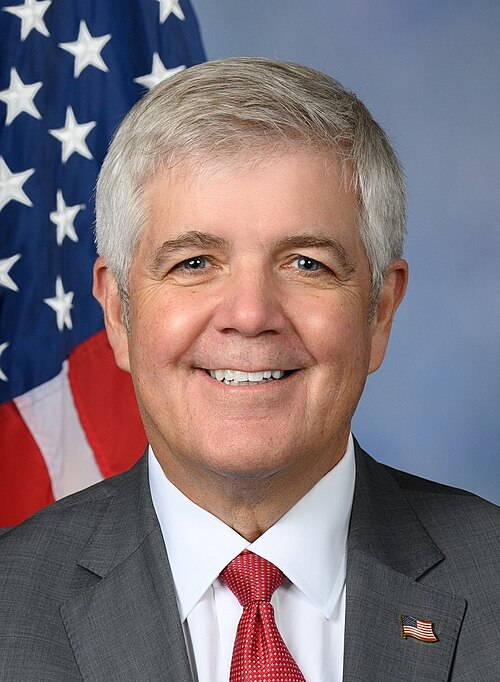
Sponsor
-
TrackDon Bacon

Co-Sponsor
-
TrackNicholas Begich

Co-Sponsor
-
TrackEarl L. "Buddy" Carter

Co-Sponsor
-
TrackJared F. Golden

Co-Sponsor
-
TrackTed Lieu
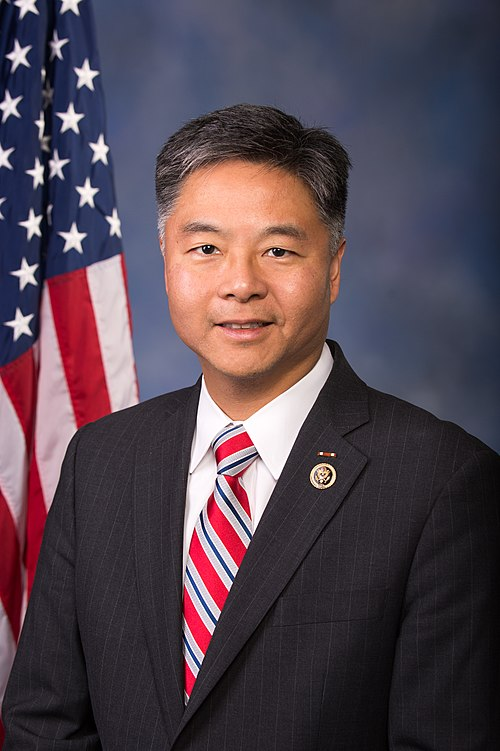
Co-Sponsor
-
TrackZoe Lofgren

Co-Sponsor
-
TrackChris Pappas

Co-Sponsor
-
TrackMarie Gluesenkamp Perez

Co-Sponsor
-
TrackChellie Pingree

Co-Sponsor
-
TrackDerrick Van Orden

Co-Sponsor
-
TrackBruce Westerman

Co-Sponsor
Actions
2 actions
| Date | Action |
|---|---|
| Sep. 04, 2025 | Introduced in House |
| Sep. 04, 2025 | Referred to the House Committee on Energy and Commerce. |
Corporate Lobbying
0 companies lobbying
None found.
* Note that there can be significant delays in lobbying disclosures, and our data may be incomplete.
Potentially Relevant Congressional Stock Trades
No relevant congressional stock trades found.