H.R. 4692: Measuring Adverse Market Disruption And National Impact Act
The proposed bill, known as the "Measuring Adverse Market Disruption And National Impact Act" or the "MAMDANI Act," aims to direct the Federal Trade Commission (FTC) to study the potential impacts of public grocery stores on the retail grocery sector in the United States. Below are the main components and objectives of the bill:
Key Findings
The bill outlines several findings about the retail grocery sector and the implications of establishing public grocery stores:
- The retail grocery sector is essential for both the economy and food supply chain in the U.S.
- There is an increasing interest in the establishment of public grocery stores in various localities.
- This raises specific questions regarding:
- The competition between public and private grocery stores in terms of pricing, market access, and consumer choice.
- The effects on farmers and food banks.
- The sustainability of these proposed public grocery stores.
- The FTC has the relevant expertise to analyze competitive practices concerning retail markets, particularly the impacts of governmental involvement in consumer markets.
Study Requirements
The bill mandates the FTC to conduct a comprehensive study on the impacts of public grocery stores. This study must be carried out within 180 days of the bill's enactment and should cover several key areas:
- Competitive Impacts: Assess how public grocery stores would affect:
- Small, medium, and large private grocery stores.
- Farmers and agricultural producers.
- Food banks and charitable organizations.
- Wholesale price dynamics, purchasing power, market share, and distribution networks.
- Consumer Aspects: Evaluate how public grocery stores would influence:
- Consumer access, choice, and pricing—including in food deserts.
- Potential subsidies, tax breaks, or regulatory advantages that might skew competition.
- Agricultural Impact: Explore how public grocery stores would influence local, regional, and national agriculture, specifically concerning producers’ pricing.
- Long-Term Market Effects: Investigate the enduring impacts on the retail grocery sector, including barriers for private entities entering or exiting the market.
- Market Fairness: Assess concerns about unfair competition arising from the establishment of public grocery stores.
Data Utilization
In conducting the study, the FTC is required to leverage existing data from various sources, including:
- The FTC’s own resources.
- The Department of Agriculture.
- Relevant state and local economic data.
- Industry-specific reports and public procurement information.
Reporting Requirements
After completing the study, the FTC must provide a report to Congress within one year. This report will include:
- The findings of the study.
- Recommendations for administrative and legislative actions to address any issues identified in the study.
Definitions
The bill also defines several key terms for clarity, including:
- Commission: Refers to the Federal Trade Commission.
- Food Bank: A non-profit organization that collects and distributes food.
- Food Desert: An area with high poverty where residents are far from grocery stores.
- Private Grocery Store: A grocery store not owned by a government entity.
- Public Grocery Store: A grocery store owned or operated by a government entity.
Relevant Companies
- WMT - Walmart Inc.: As a leading grocery retailer, Walmart may experience competitive implications if public grocery stores are established in proximity to their locations, affecting customer traffic and sales.
- KR - The Kroger Co.: Kroger, being one of the largest supermarket chains, could face changes in market dynamics and pricing strategies due to competition from public grocery stores.
- AHL - Albertsons Companies, Inc.: As a major player in the grocery market, any shifts in consumer access and preference due to public grocery stores could impact Albertsons’ market share.
This is an AI-generated summary of the bill text. There may be mistakes.
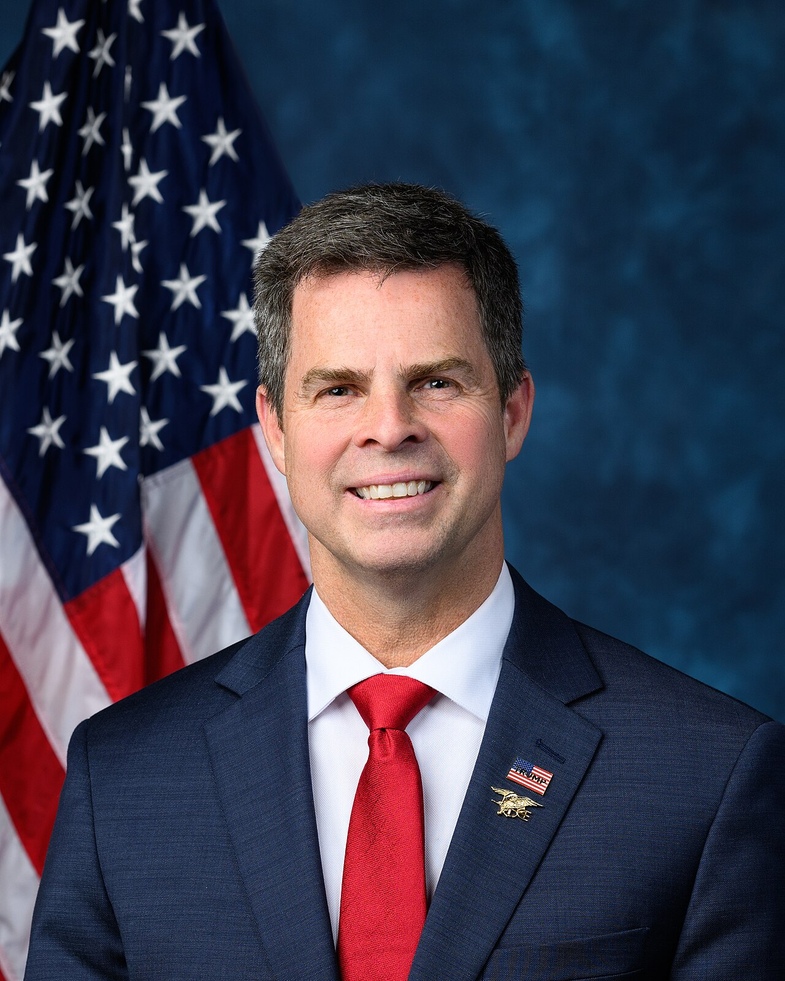
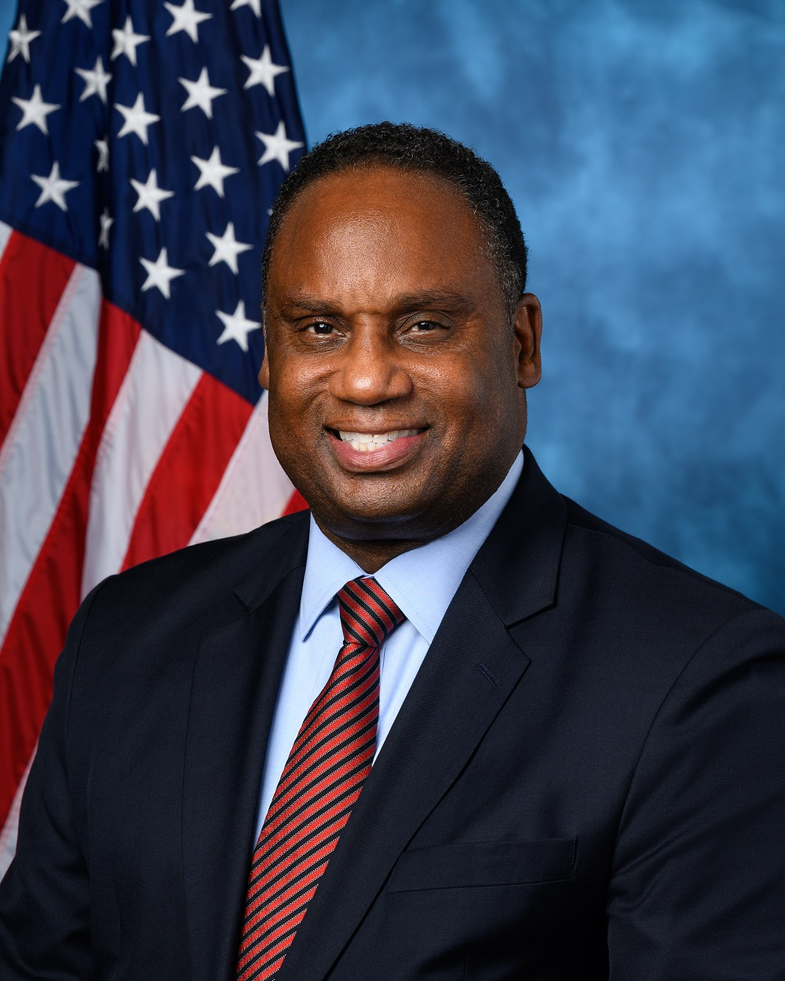
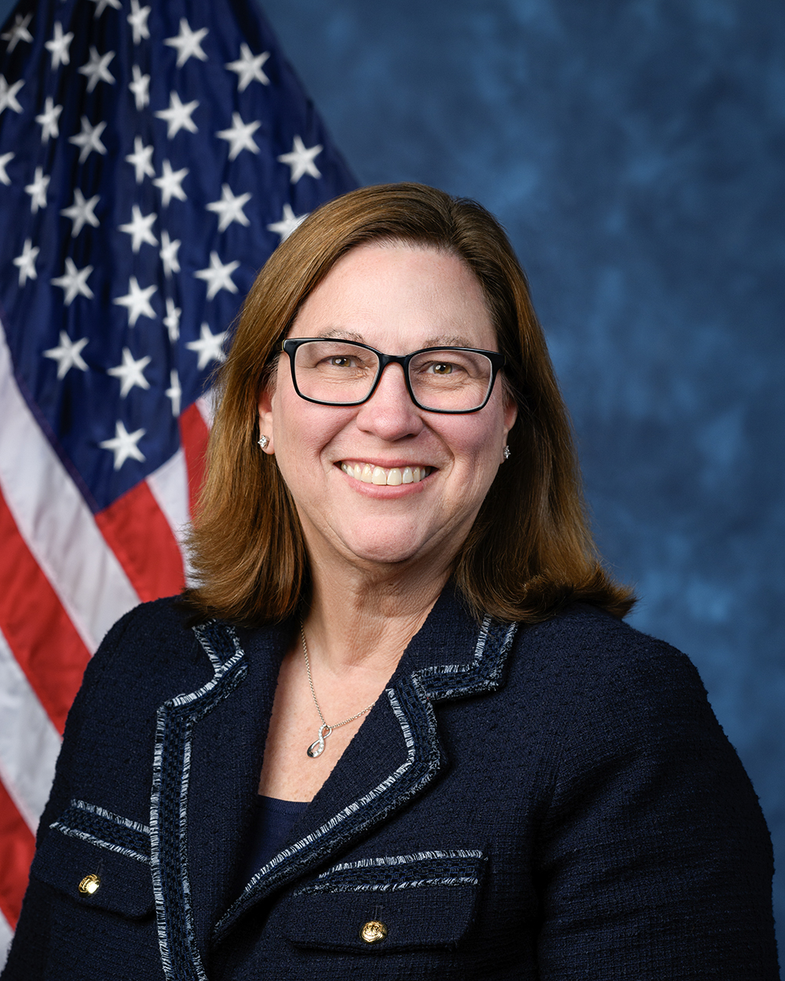
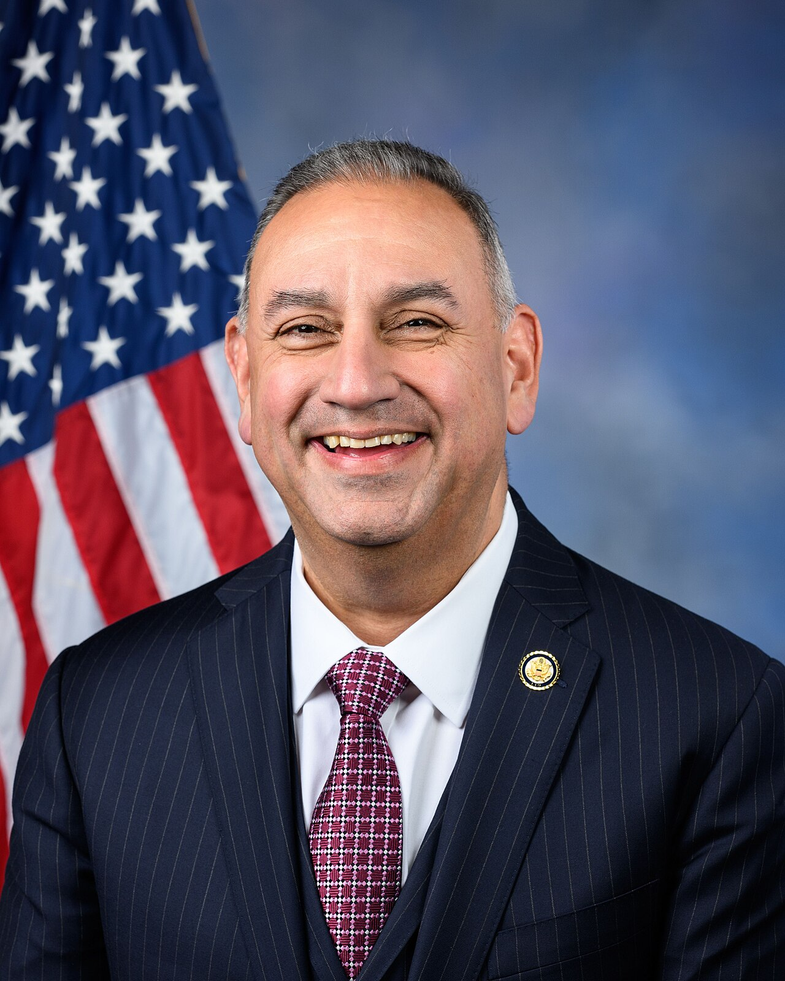
Sponsors
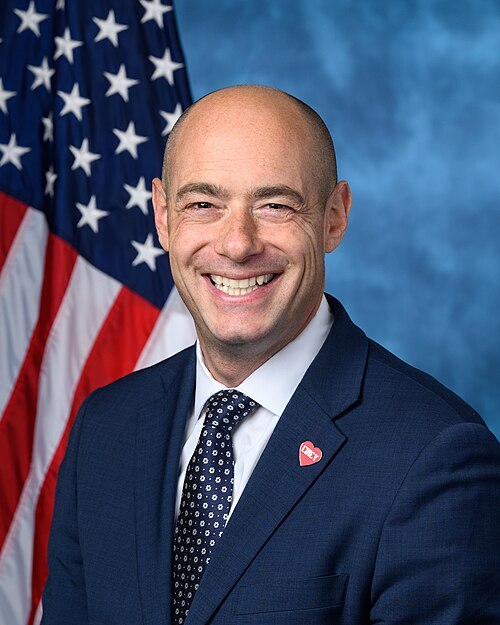
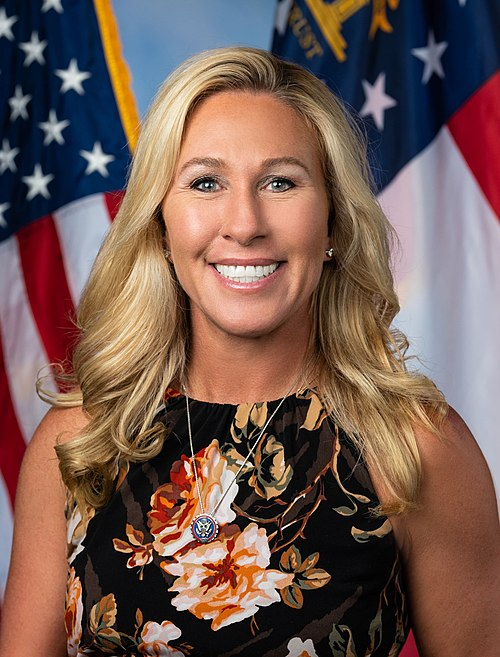
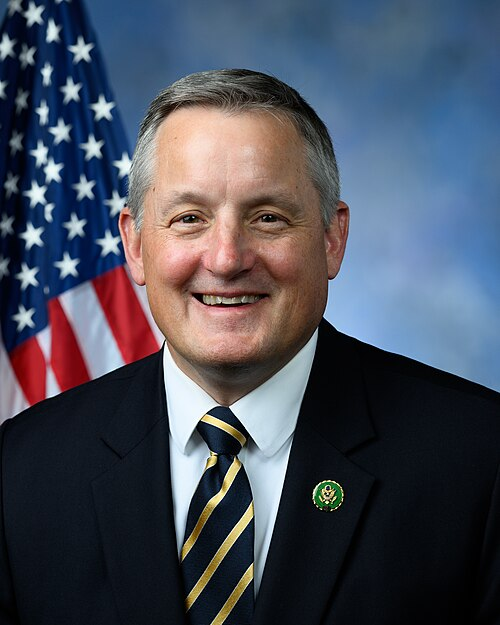
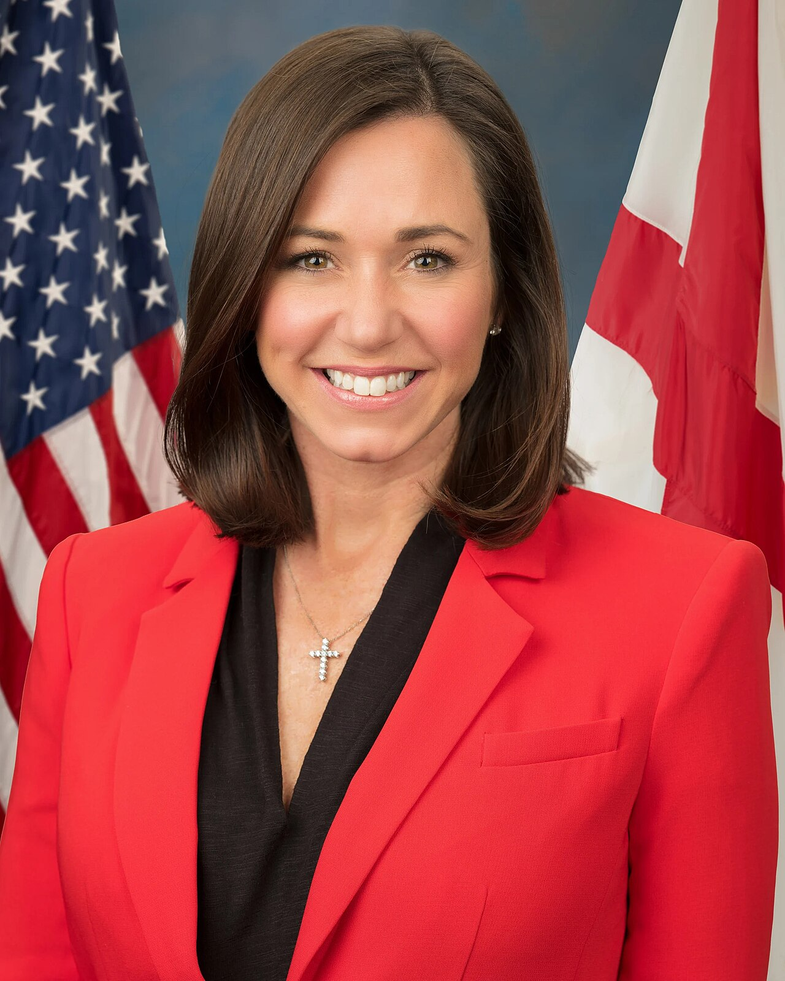
2 bill sponsors

Actions
2 actions
| Date | Action |
|---|---|
| Jul. 23, 2025 | Introduced in House |
| Jul. 23, 2025 | Referred to the House Committee on the Judiciary. |
Corporate Lobbying
0 companies lobbying
None found.
* Note that there can be significant delays in lobbying disclosures, and our data may be incomplete.