
H.R. 4667: Visible Identification Standards for Immigration-Based Law Enforcement Act of 2025
The Visible Identification Standards for Immigration-Based Law Enforcement Act of 2025 (referred to as the VISIBLE Act) seeks to enhance transparency and accountability in immigration enforcement actions conducted by federal officers. Below is a summary of the key provisions of the bill:
Purpose and Need for the Bill
The bill establishes that transparency in public immigration enforcement is crucial for maintaining public trust and constitutional governance. It emphasizes that immigration officers must be visibly identifiable when engaging in activities that are open to public observation, ensuring accountability.
Visible Identification Requirement
The bill amends the Immigration and Nationality Act, requiring that all immigration enforcement officers, referred to as “covered immigration officers,” must wear visible identification during any public immigration enforcement function. This includes various activities such as:
- Patrolling
- Conducting stops
- Making arrests
- Searching or interviewing individuals
- Executing raids and checkpoints
- Serving warrants
Definition of Key Terms
The bill defines several terms to clarify the requirements:
- Covered immigration officer: Includes personnel from U.S. Customs and Border Protection, U.S. Immigration and Customs Enforcement, and individuals authorized to perform enforcement functions.
- Public immigration enforcement function: Refers to activities involving federal immigration authority that are observable by the public.
- Visible identification: Identification must display the agency name and the officer’s name or badge number clearly, in a size discernible from at least 25 feet away.
Identification Requirements
During public-facing activities, covered immigration officers must wear:
- The full name or recognized initials of their employing agency.
- The officer’s last name or unique badge number.
The identification must be easily readable, suitable for both daylight and low-light conditions, and displayed on the outermost garment without being obscured by tactical gear.
Restrictions on Coverings
Officers are prohibited from wearing non-medical face coverings that obscure their identification unless necessary for the integrity of a covert operation or to protect against environmental hazards.
Accountability Measures
The bill outlines that the Secretary of Homeland Security must enforce compliance among immigration officers, ensuring that those who fail to comply face disciplinary actions such as reprimands or suspensions.
Reporting Requirements
The Secretary of Homeland Security is also required to submit an annual report to Congress detailing:
- The number of public immigration enforcement functions conducted.
- Instances of noncompliance with the visibility requirements.
- Actions taken against officers who do not comply.
Role of the Office for Civil Rights and Civil Liberties
This office will handle complaints from the public about violations of the identification requirements and recommend corrective actions to immigration authorities. It will also incorporate findings related to this Act into its annual public report.
Relevant Companies
None found.
This is an AI-generated summary of the bill text. There may be mistakes.
Sponsors
39 bill sponsors
-
TrackVicente Gonzalez
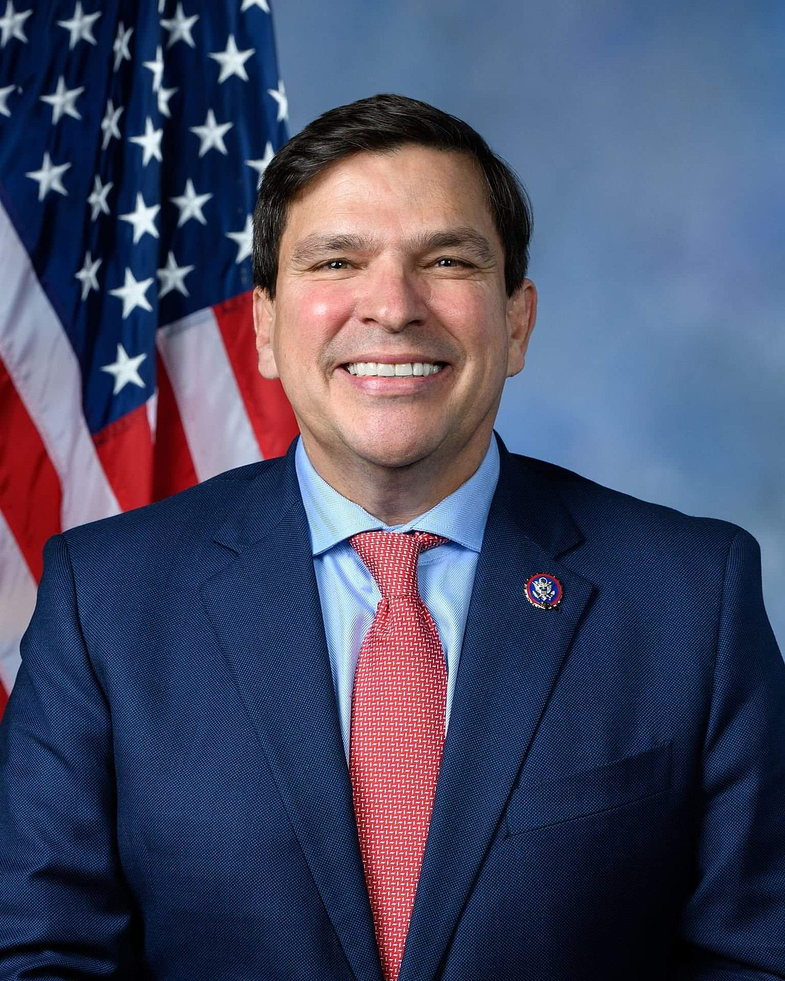
Sponsor
-
TrackAmi Bera
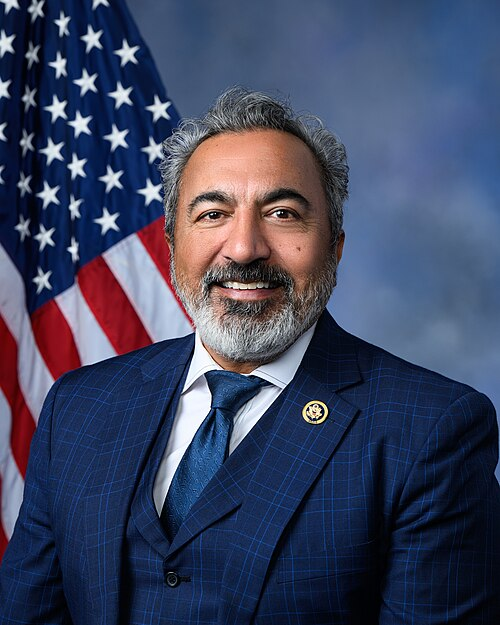
Co-Sponsor
-
TrackSalud O. Carbajal
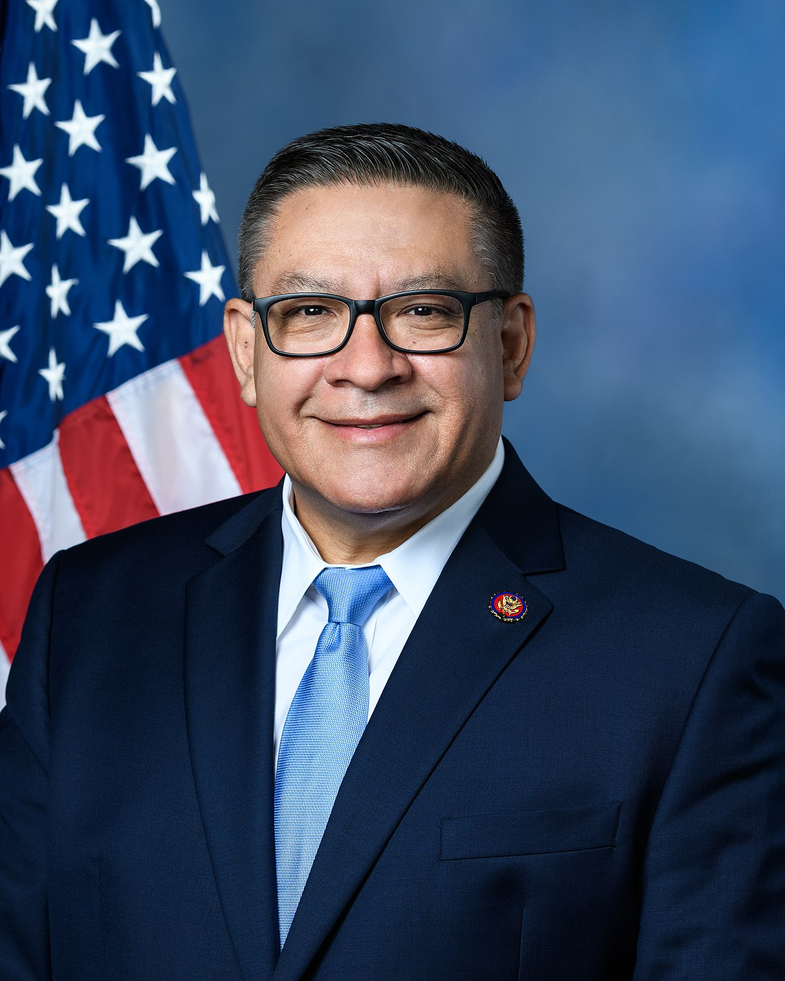
Co-Sponsor
-
TrackJudy Chu
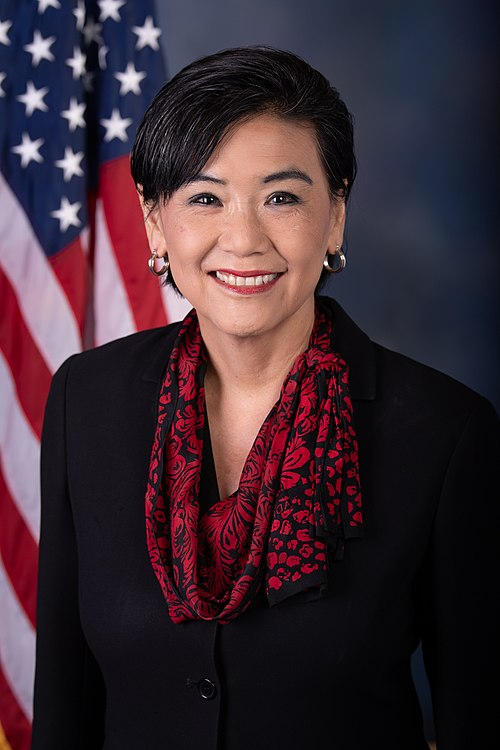
Co-Sponsor
-
TrackSteve Cohen
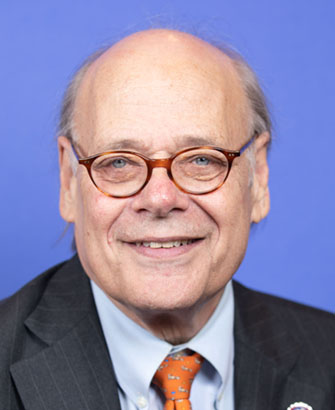
Co-Sponsor
-
TrackJim Costa
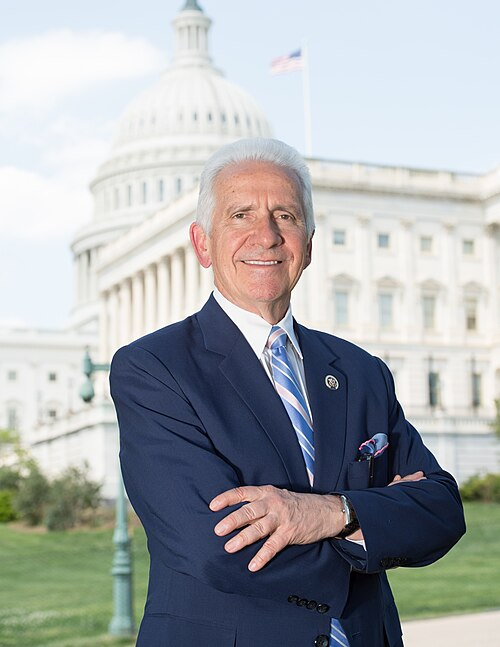
Co-Sponsor
-
TrackAngie Craig
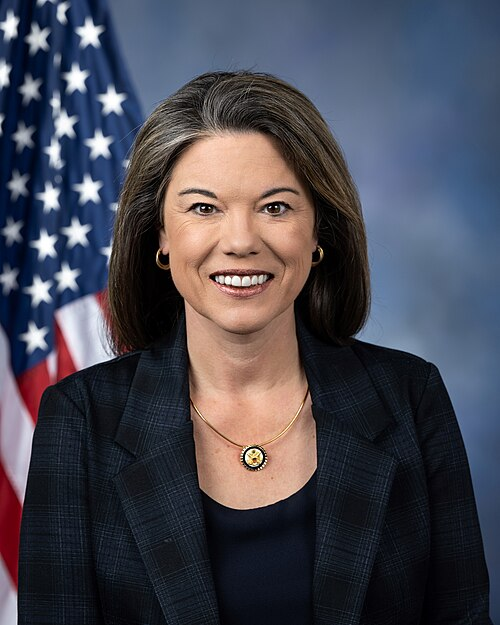
Co-Sponsor
-
TrackDiana DeGette
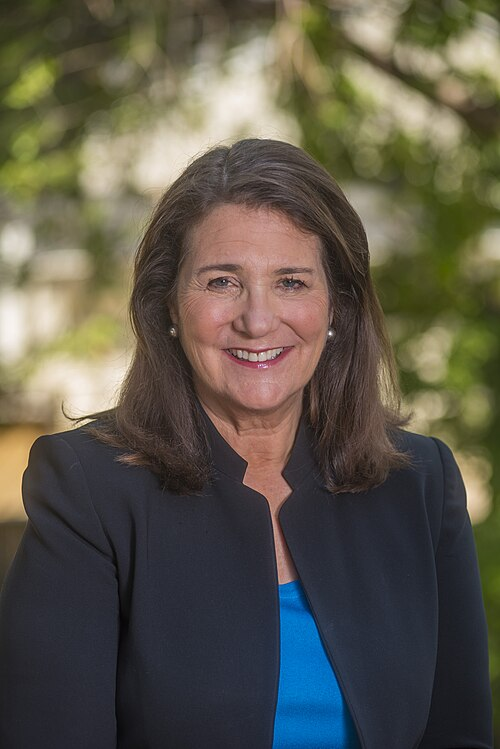
Co-Sponsor
-
TrackSuzan K. DelBene
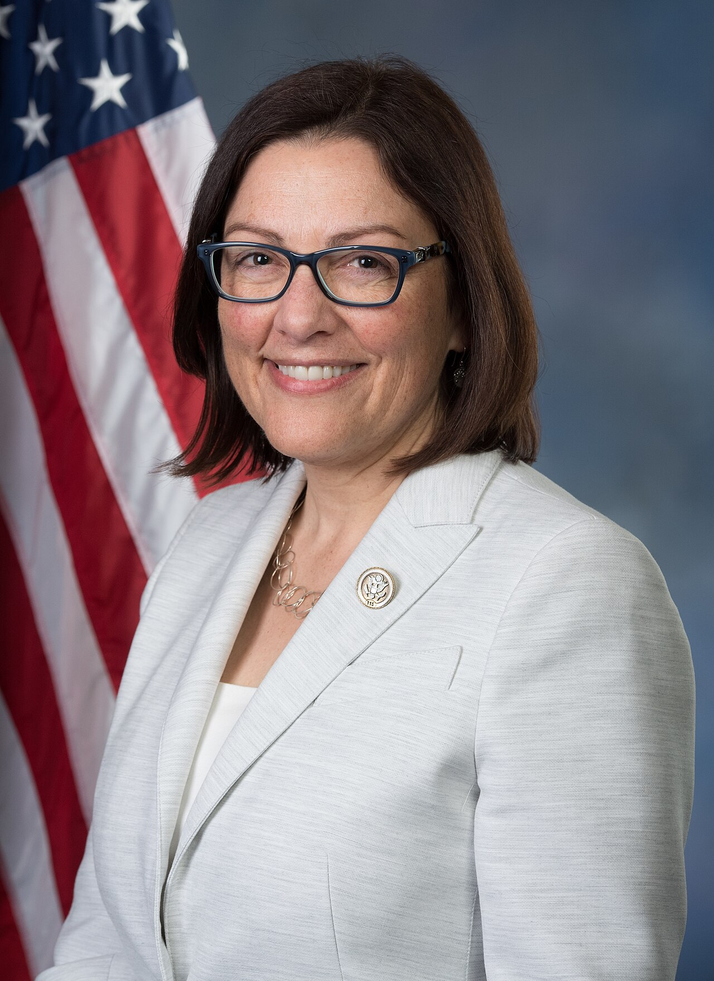
Co-Sponsor
-
TrackVeronica Escobar
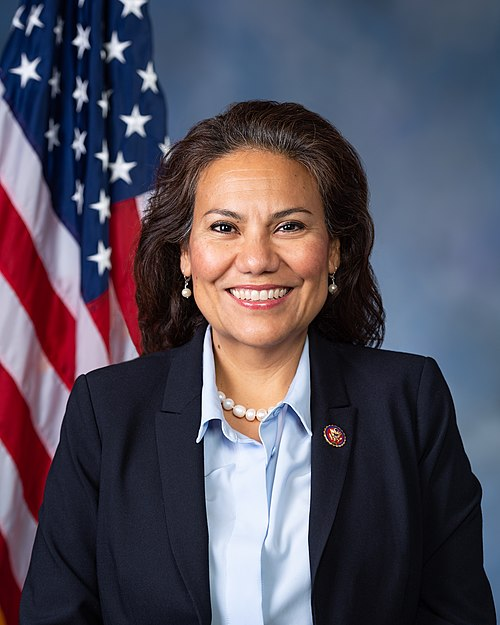
Co-Sponsor
-
TrackValerie P. Foushee
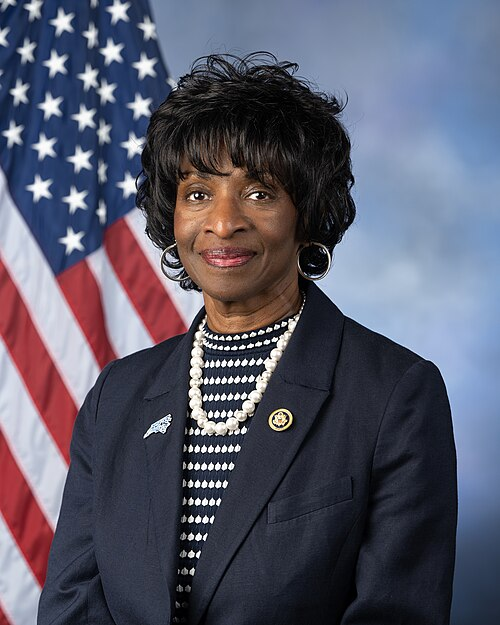
Co-Sponsor
-
TrackJesús G. "Chuy" García
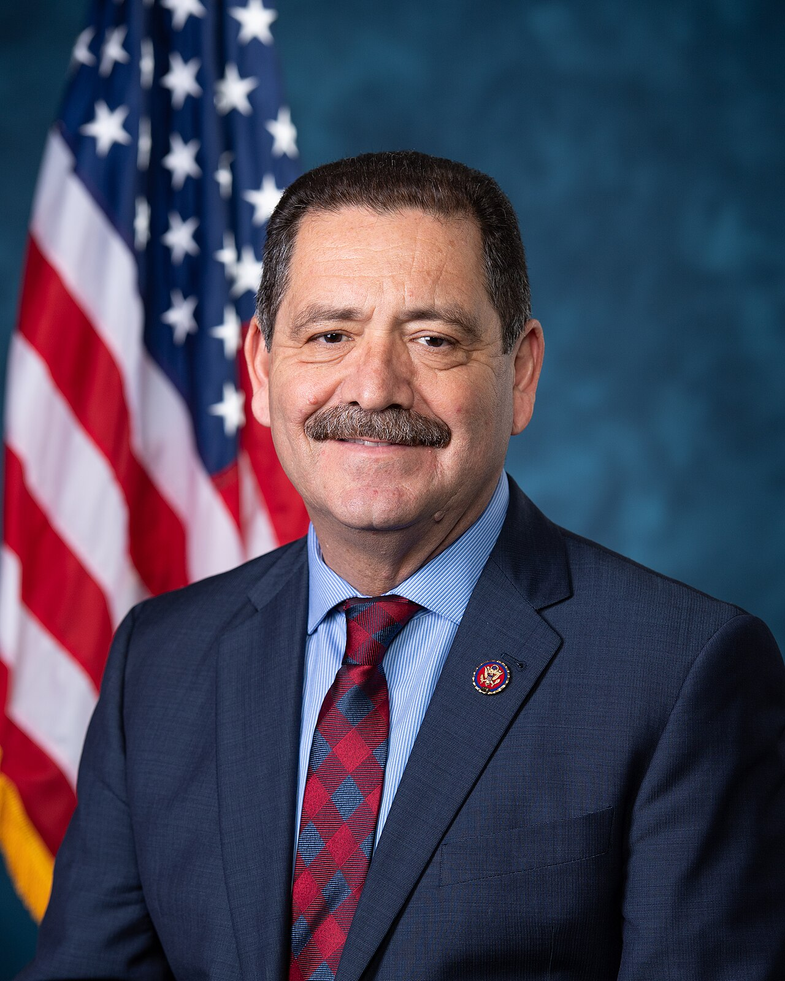
Co-Sponsor
-
TrackAdam Gray
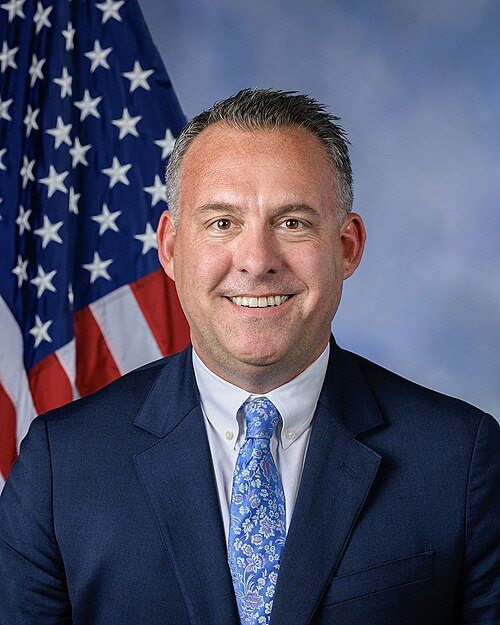
Co-Sponsor
-
TrackSteven Horsford
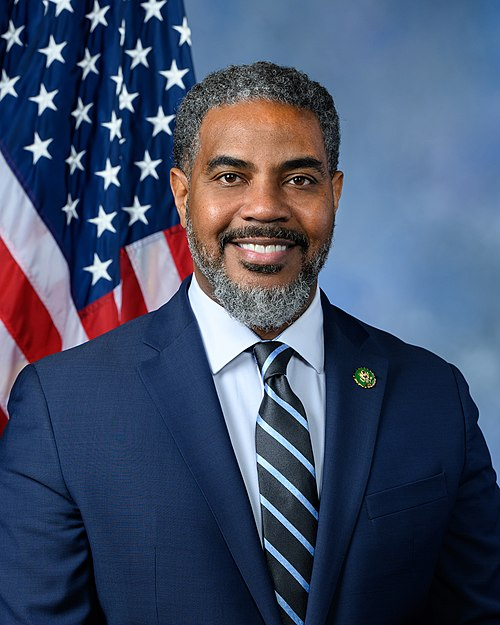
Co-Sponsor
-
TrackVal T. Hoyle

Co-Sponsor
-
TrackPramila Jayapal
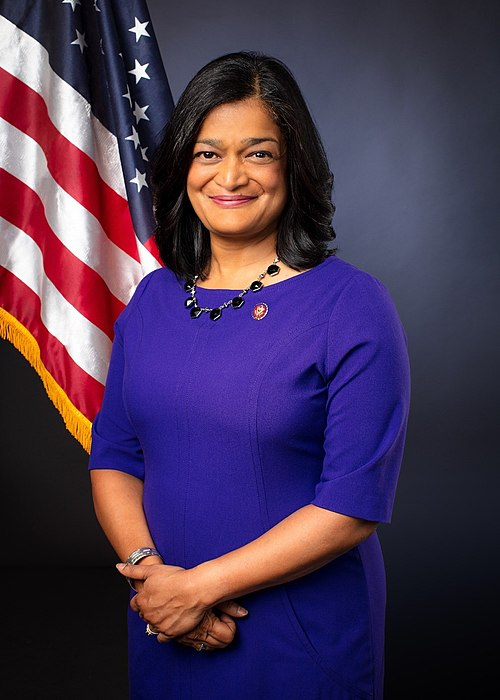
Co-Sponsor
-
TrackSydney Kamlager-Dove
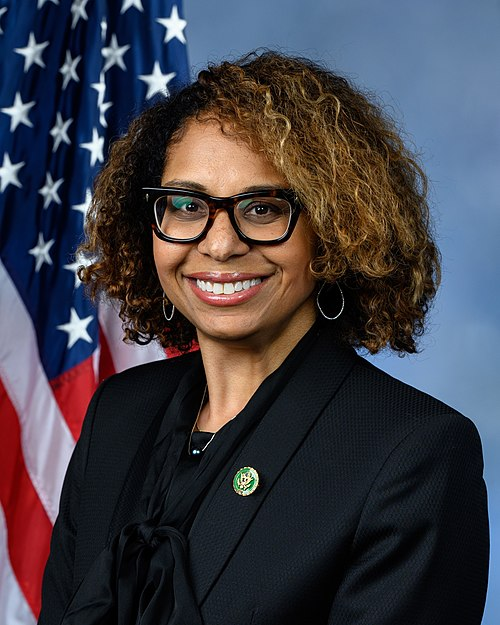
Co-Sponsor
-
TrackRobin L. Kelly
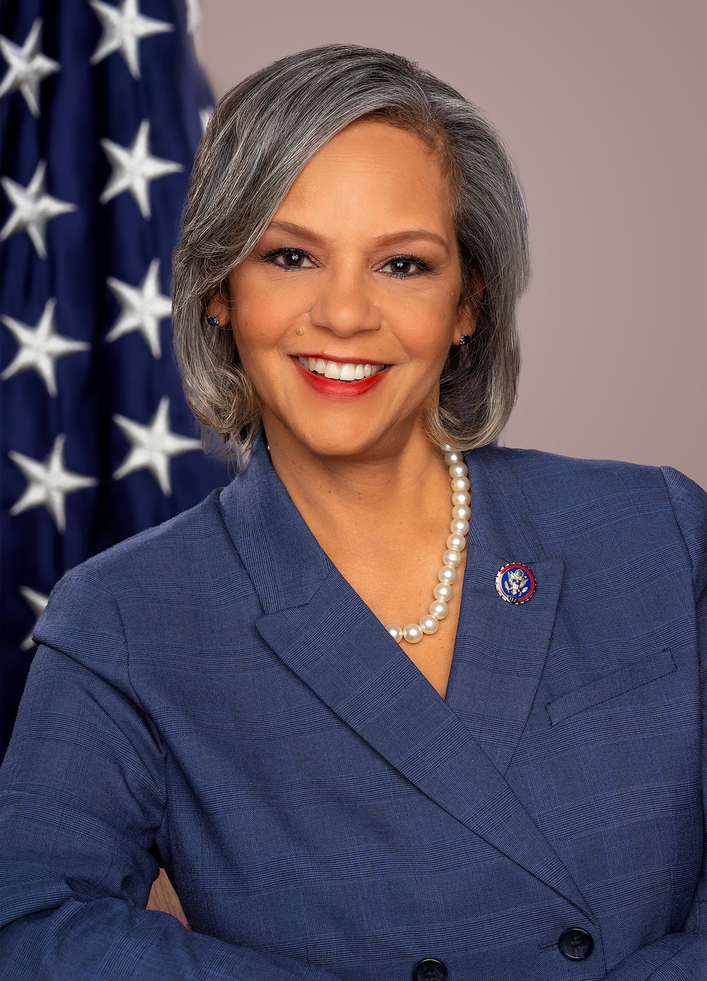
Co-Sponsor
-
TrackRo Khanna

Co-Sponsor
-
TrackSam Liccardo
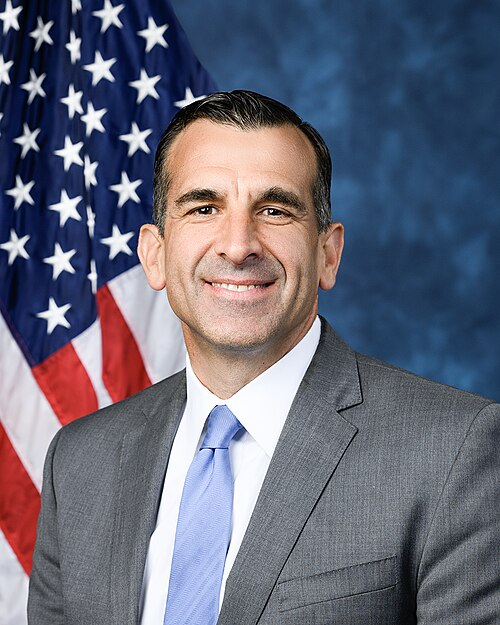
Co-Sponsor
-
TrackSeth Moulton
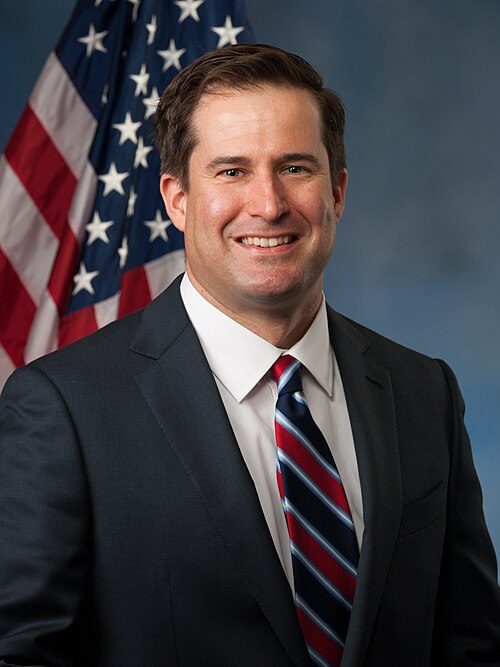
Co-Sponsor
-
TrackFrank J. Mrvan
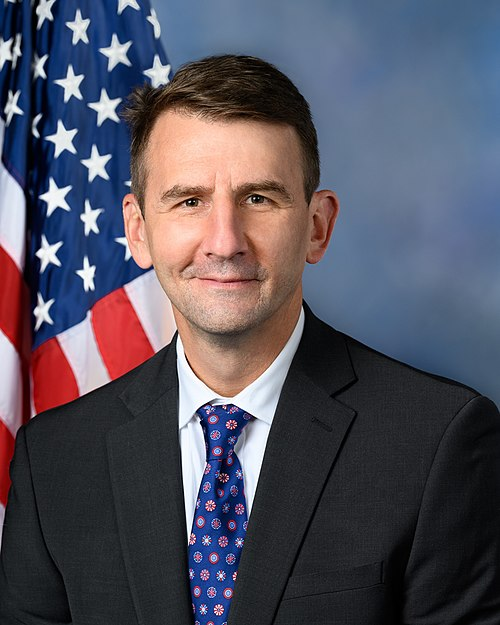
Co-Sponsor
-
TrackDonald Norcross
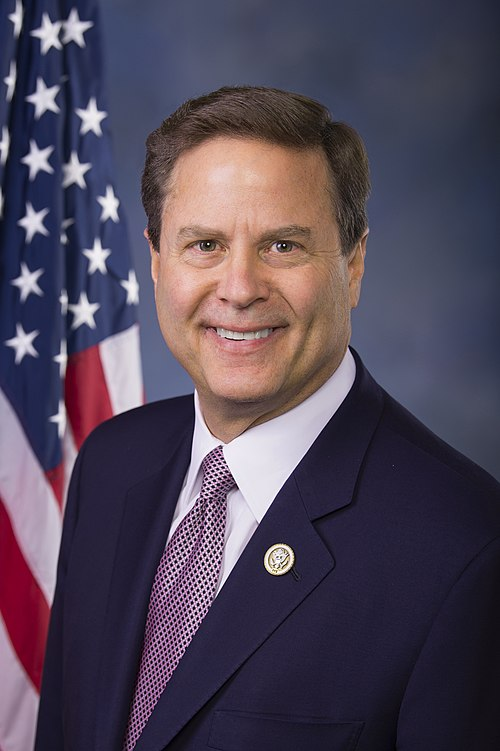
Co-Sponsor
-
TrackEleanor Holmes Norton
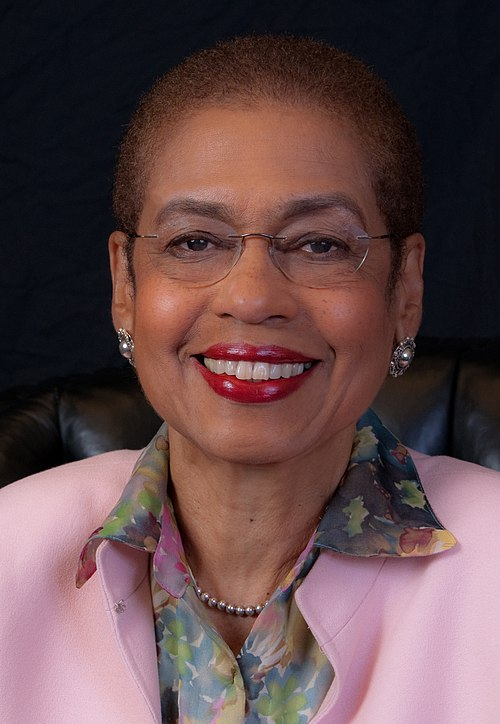
Co-Sponsor
-
TrackDelia C. Ramirez
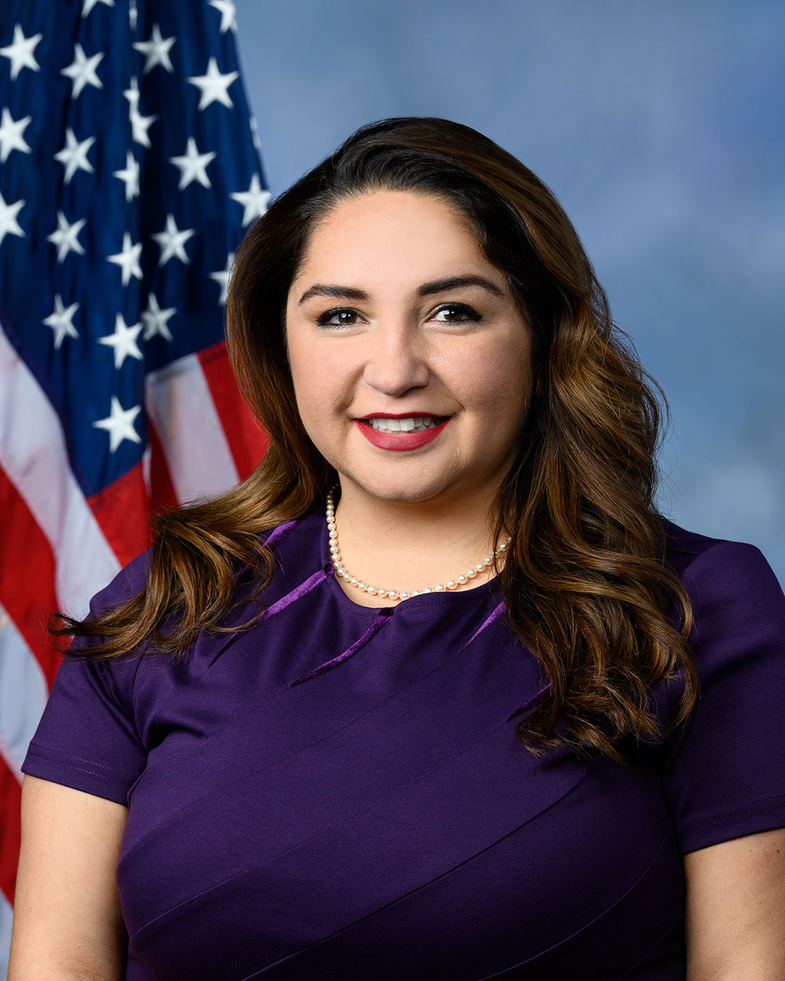
Co-Sponsor
-
TrackEmily Randall
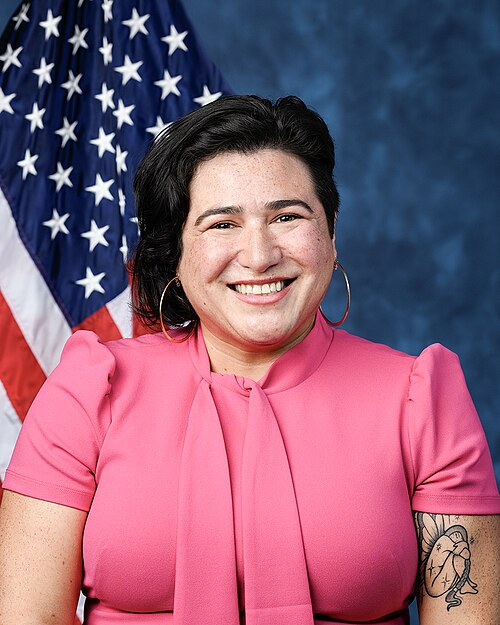
Co-Sponsor
-
TrackMary Gay Scanlon
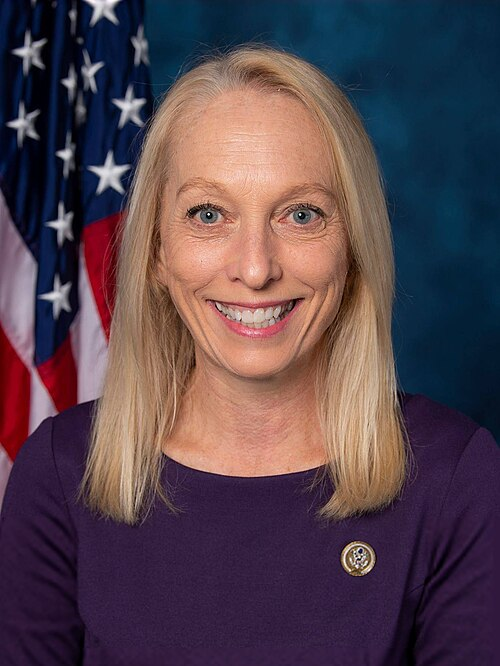
Co-Sponsor
-
TrackJanice D. Schakowsky
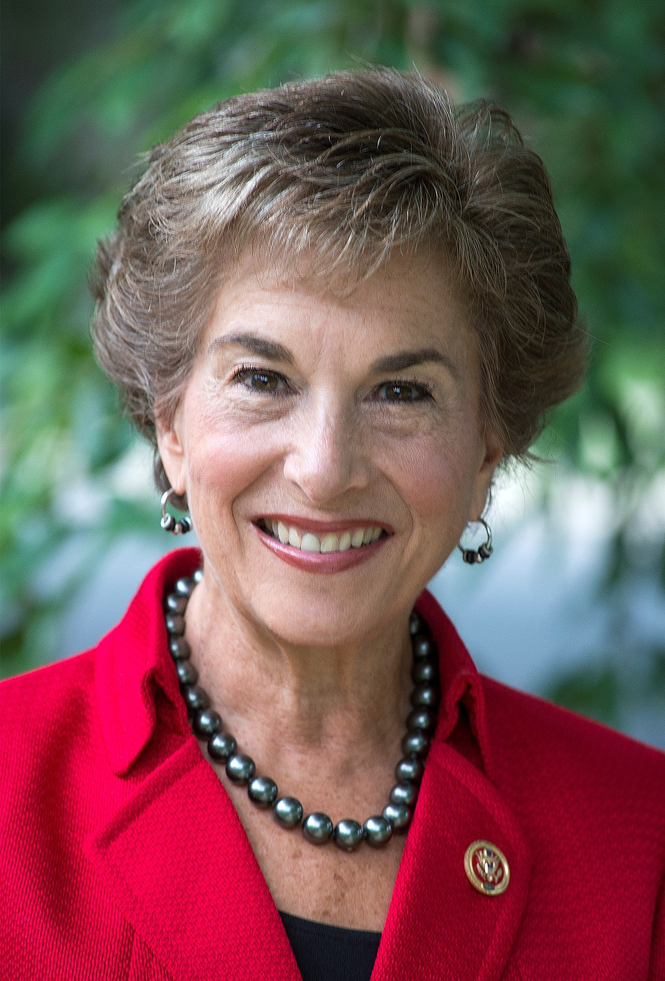
Co-Sponsor
-
TrackHillary J. Scholten
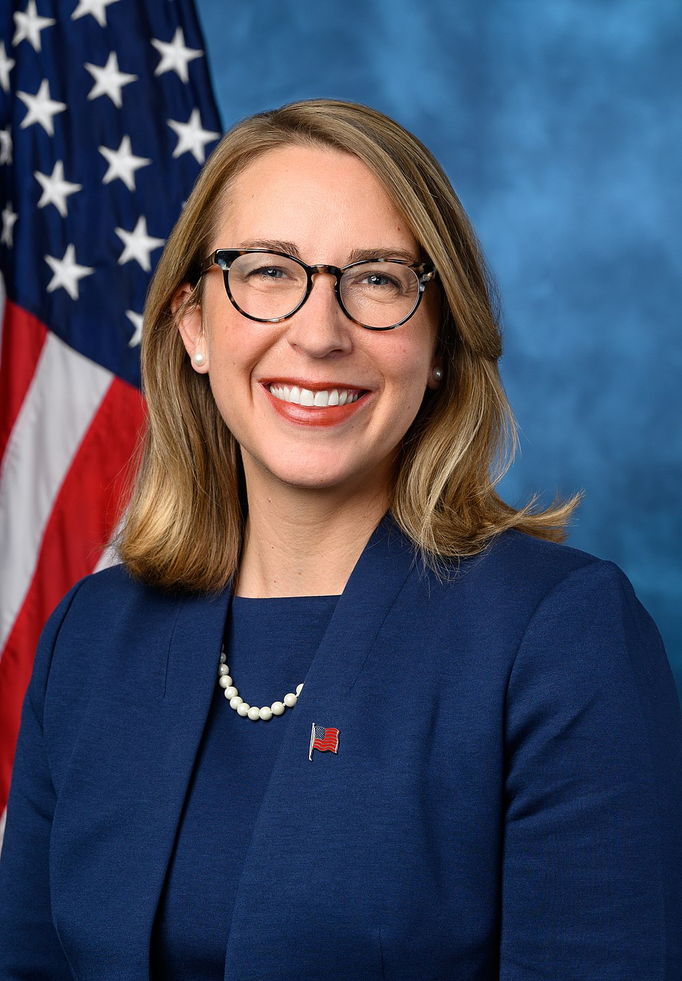
Co-Sponsor
-
TrackAdam Smith
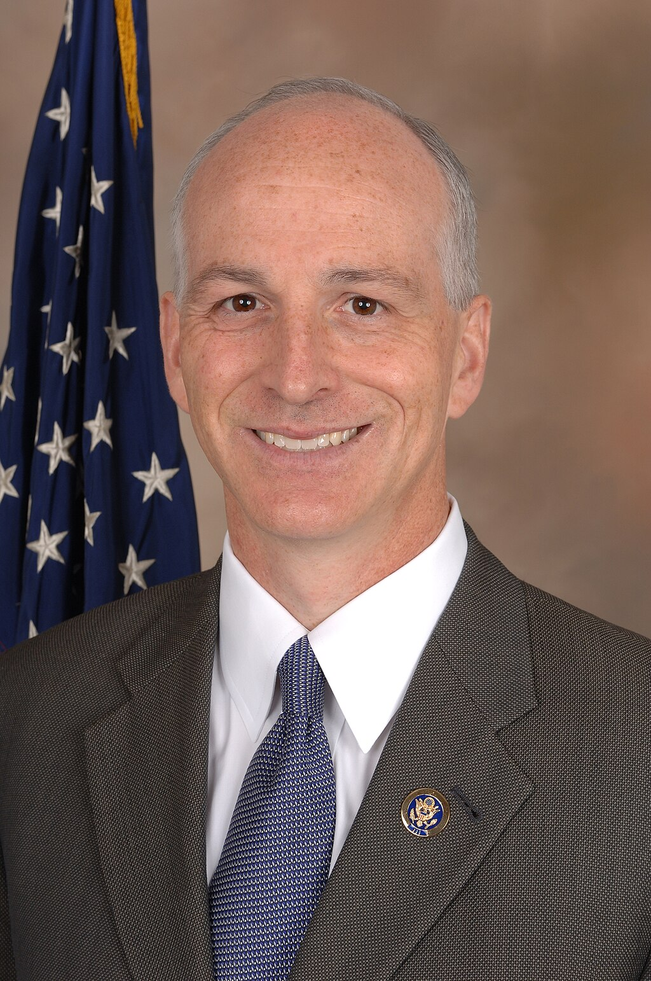
Co-Sponsor
-
TrackEric Sorensen
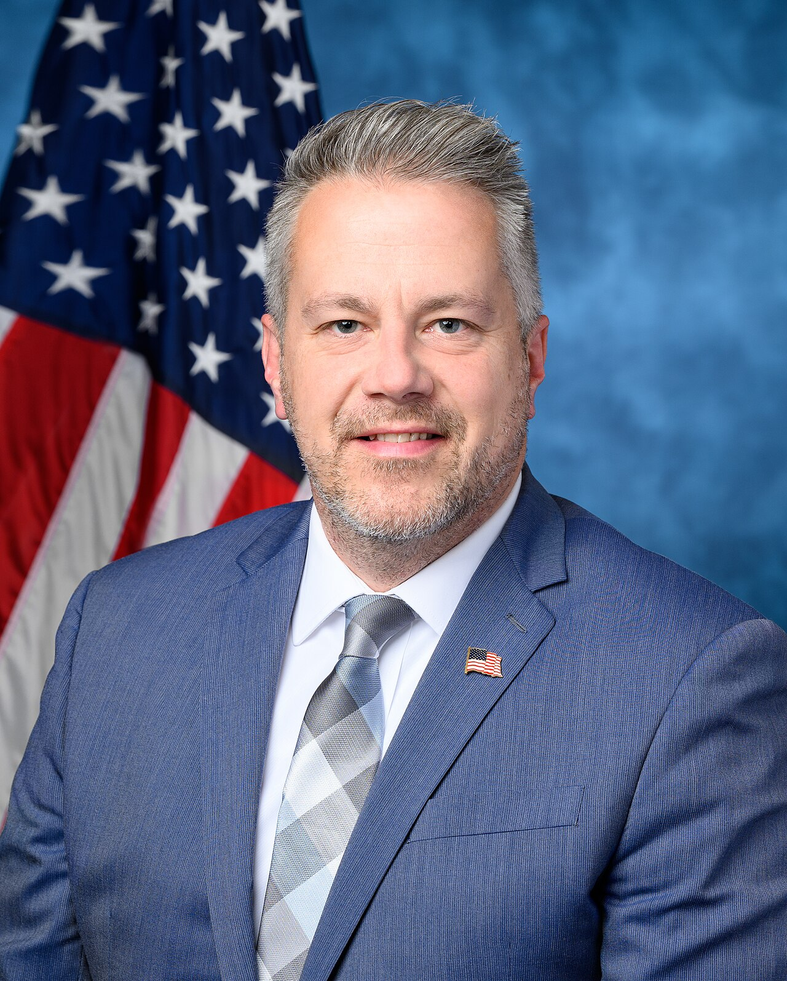
Co-Sponsor
-
TrackHaley M. Stevens
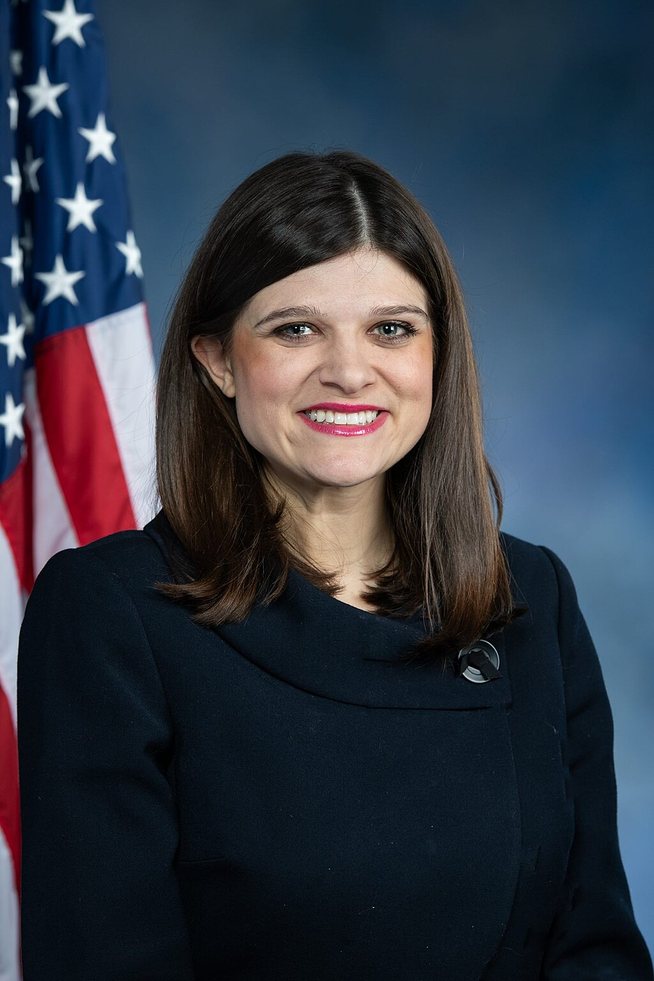
Co-Sponsor
-
TrackSuhas Subramanyam
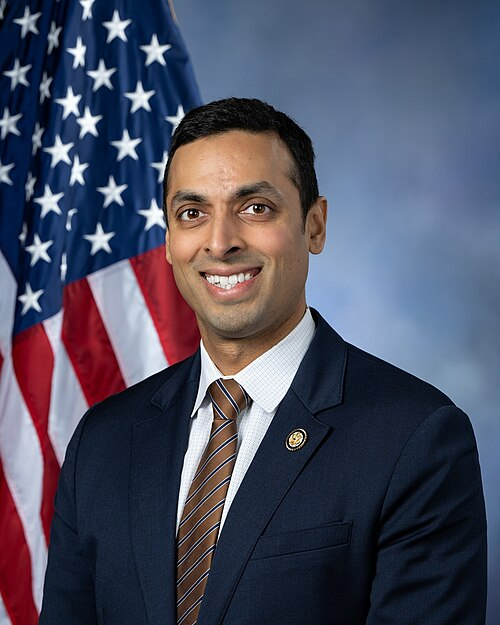
Co-Sponsor
-
TrackEmilia Strong Sykes
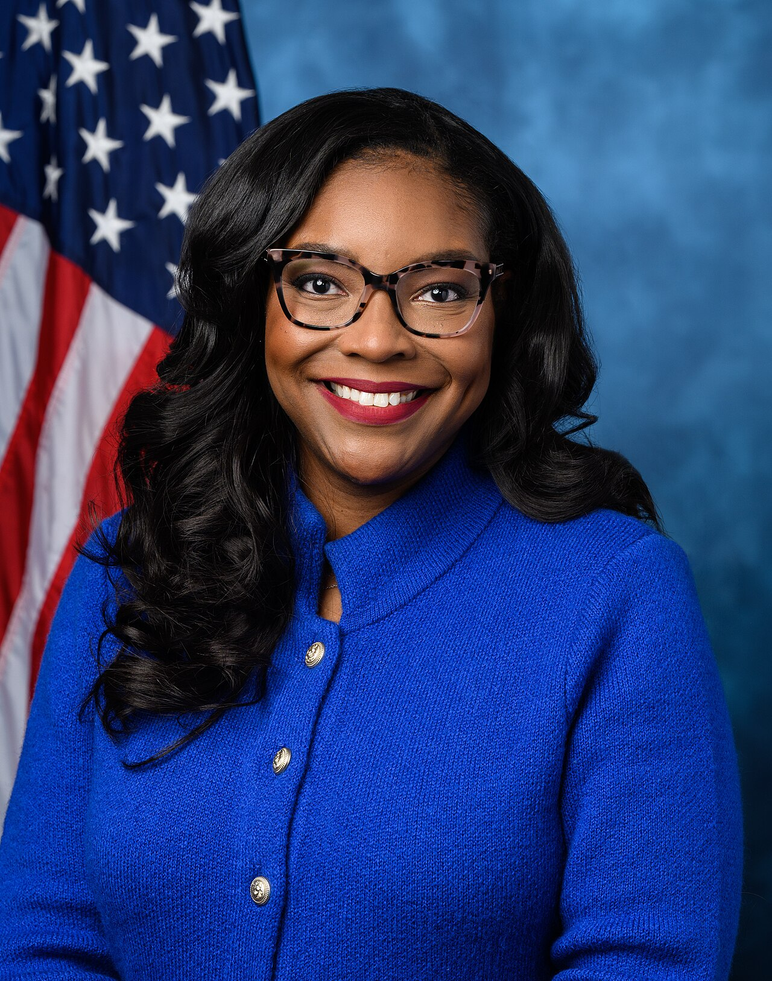
Co-Sponsor
-
TrackPaul Tonko
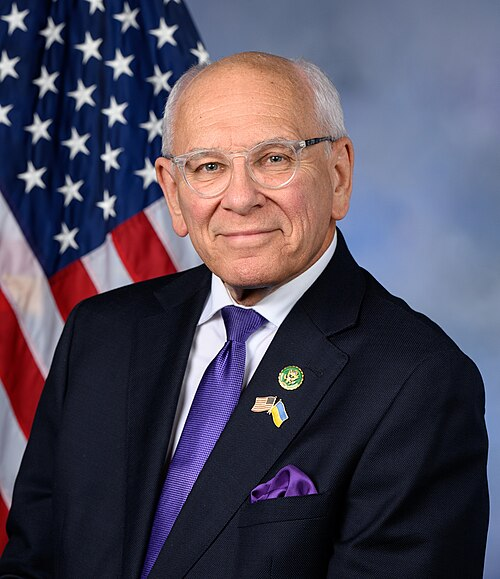
Co-Sponsor
-
TrackRitchie Torres
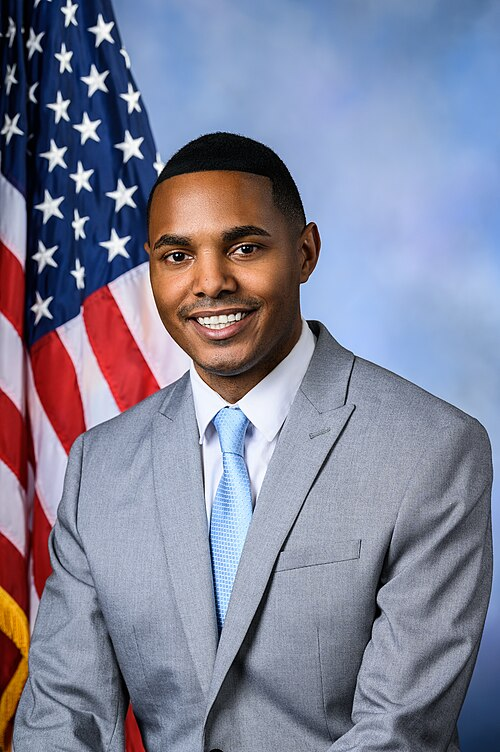
Co-Sponsor
-
TrackNorma J. Torres
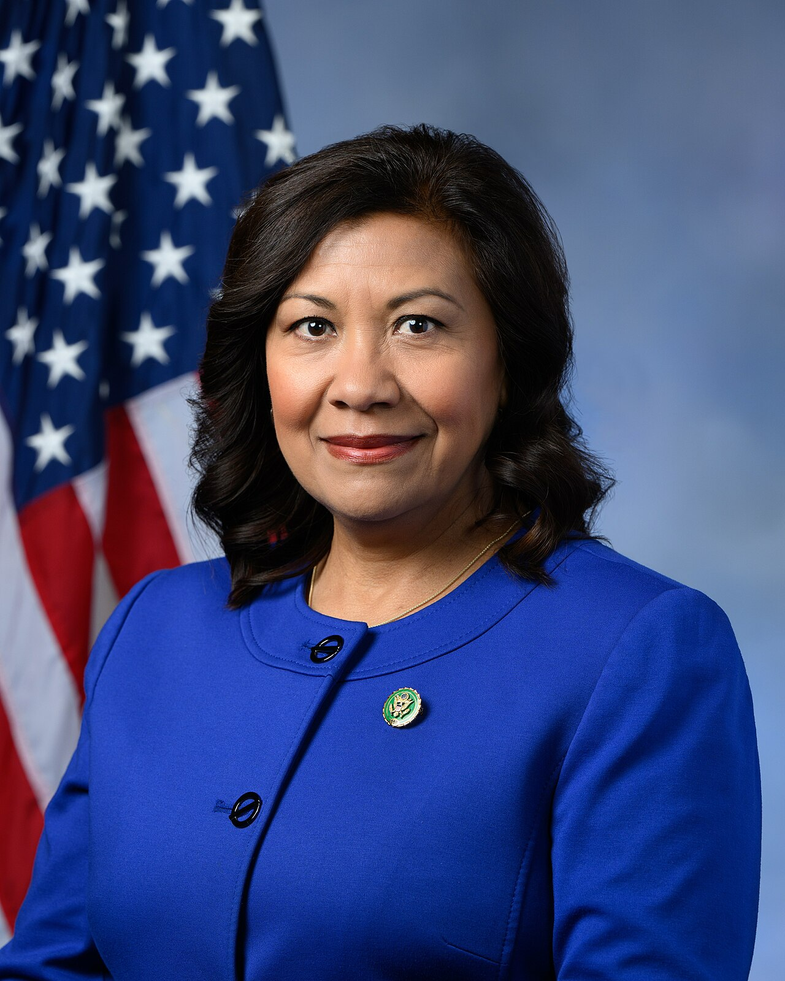
Co-Sponsor
-
TrackLauren Underwood
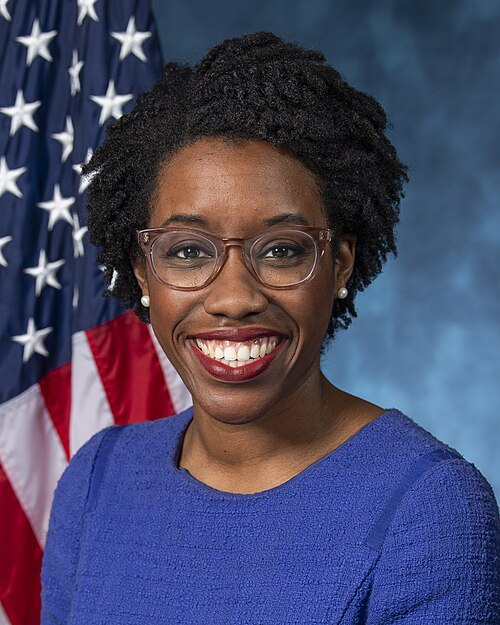
Co-Sponsor
-
TrackEugene Vindman
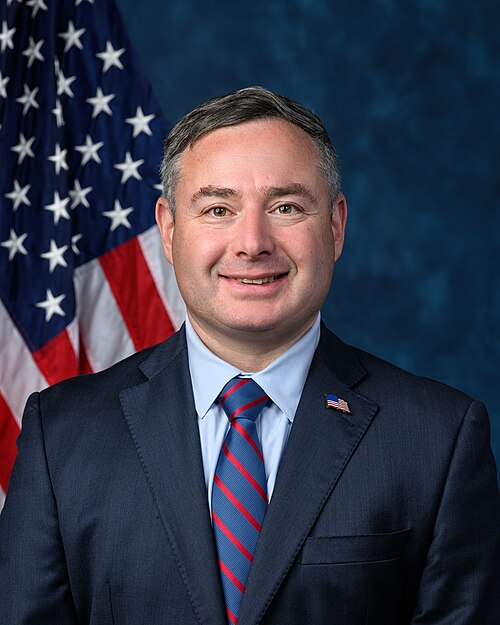
Co-Sponsor
Actions
3 actions
| Date | Action |
|---|---|
| Jul. 24, 2025 | Referred to the Subcommittee on Border Security and Enforcement. |
| Jul. 23, 2025 | Introduced in House |
| Jul. 23, 2025 | Referred to the Committee on the Judiciary, and in addition to the Committee on Homeland Security, for a period to be subsequently determined by the Speaker, in each case for consideration of such provisions as fall within the jurisdiction of the committee concerned. |
Corporate Lobbying
0 companies lobbying
None found.
* Note that there can be significant delays in lobbying disclosures, and our data may be incomplete.
Potentially Relevant Congressional Stock Trades
No relevant congressional stock trades found.