H.R. 3924: Wildfire Risk Evaluation Act
The **Wildfire Risk Evaluation Act** aims to improve wildfire management in the United States by establishing a structured and systematic approach to analyze wildfire risks every four years. Key components of the bill include:
Purpose of the Bill
The bill emphasizes that wildfire management is a complex issue that requires cooperation between various levels of government and different agencies. The main objectives include:
- Understanding and addressing the multi-jurisdictional nature of wildfires.
- Implementing strategic, interagency solutions for wildfire management.
- Planning and decision-making should involve all relevant government entities.
- Projecting future wildfire challenges to inform long-term management strategies.
Quadrennial Fire Review
The Act mandates a quadrennial review to be conducted by the Secretaries of Agriculture, the Interior, and Homeland Security. This review will:
- Analyze the changes in built and natural environments that impact wildfire risk and response.
- Assess the relationship between wildfire events and public health, coordinating with the Environmental Protection Agency and health agencies.
Reporting Requirements
Within twelve months of the Act becoming law, and every four years thereafter, the Secretaries must submit a report to various congressional committees. This report will include:
- Findings from the recent review, including actions taken based on the analyses.
- A summary of anticipated wildfire challenges for the next twenty years.
- Recommendations for any legislative or administrative actions needed to improve wildfire management.
- An evaluation of progress made toward established wildfire management goals.
- Projections for future scenarios to help align resources, strategies, and workforce for more effective wildfire management.
Agencies Involved
The term "qualified agencies" encompasses:
- The Forest Service under the Secretary of Agriculture.
- The Department of the Interior under the Secretary of the Interior.
- The Federal Emergency Management Agency (FEMA) and the United States Fire Administration under the Secretary of Homeland Security.
- Other entities determined appropriate by the Secretaries.
Legislative Context
The bill builds upon prior reports and strategies aimed at improving wildfire management, including updates and recommendations from various commissions and expert groups focusing on wildfire mitigation.
Relevant Companies
- DOW - The company may be impacted due to potential changes in regulations or strategies related to chemical firefighting solutions and materials used in construction that could influence fire resilience.
- RMD - Possible indirect impact involving partnerships or contracts with government agencies for firefighting and disaster response technologies.
- FLIR - As a provider of thermal imaging and surveillance equipment, changes in wildfire management strategies could influence demand for their products.
- XYL - The company, involved in water management technologies, may see changes in operational strategies or demand due to a reevaluation of resources for firefighting effectiveness.
This is an AI-generated summary of the bill text. There may be mistakes.
Sponsors
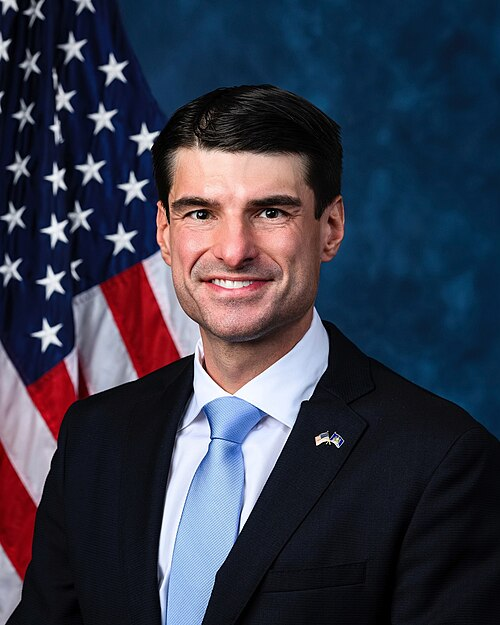
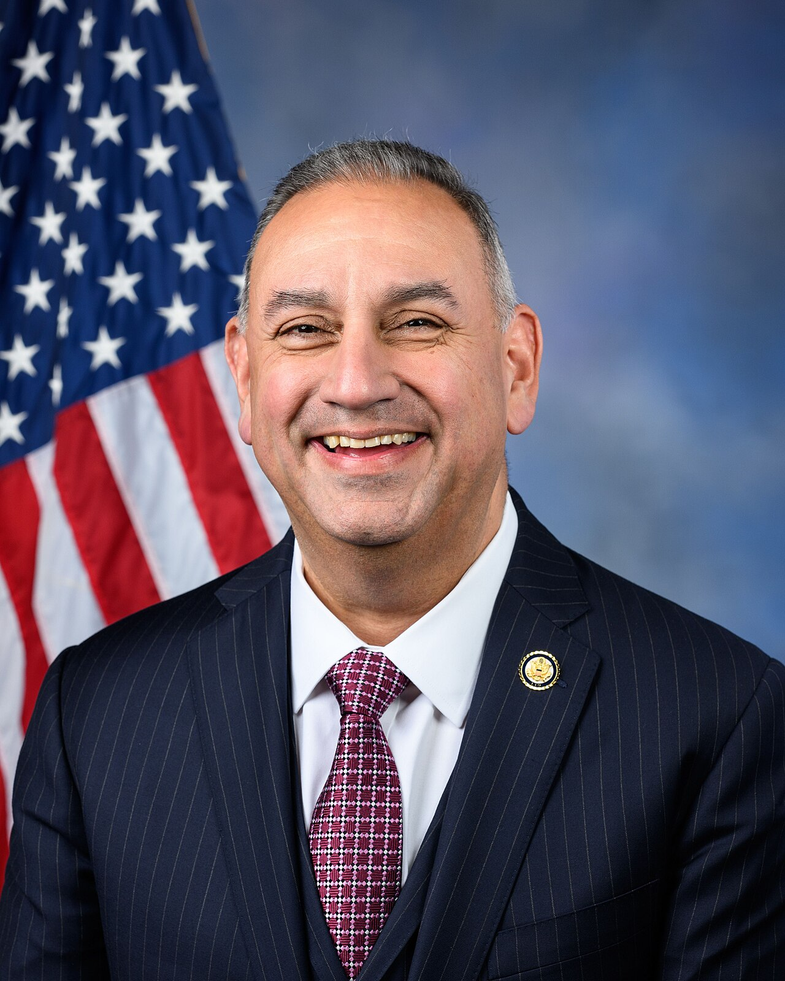
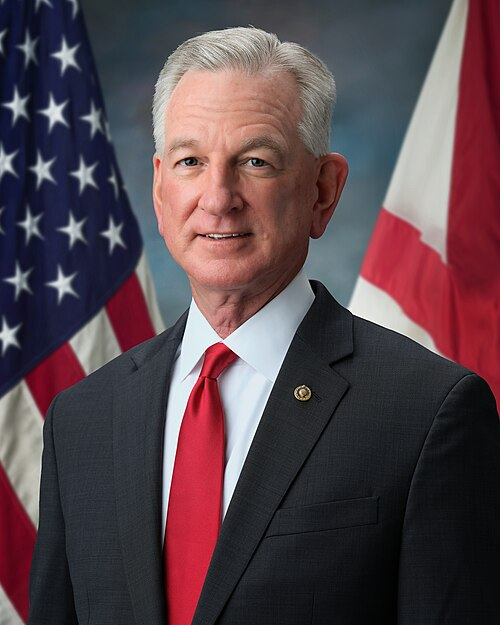
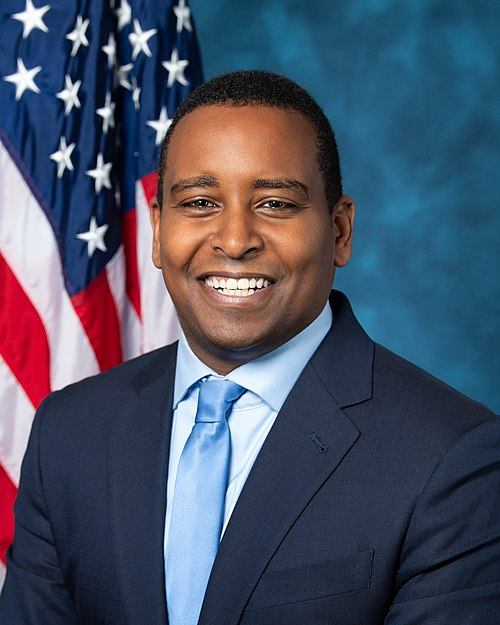
3 bill sponsors


Actions
5 actions
| Date | Action |
|---|---|
| Dec. 11, 2025 | Subcommittee Hearings Held |
| Dec. 04, 2025 | Referred to the Subcommittee on Federal Lands. |
| Jun. 12, 2025 | Referred to the Subcommittee on Economic Development, Public Buildings, and Emergency Management. |
| Jun. 11, 2025 | Introduced in House |
| Jun. 11, 2025 | Referred to the Committee on Natural Resources, and in addition to the Committees on Agriculture, Science, Space, and Technology, and Transportation and Infrastructure, for a period to be subsequently determined by the Speaker, in each case for consideration of such provisions as fall within the jurisdiction of the committee concerned. |
Corporate Lobbying
0 companies lobbying
None found.
* Note that there can be significant delays in lobbying disclosures, and our data may be incomplete.