H.R. 384: One Agency Act
This bill, known as the One Agency Act, aims to shift the responsibility for enforcing antitrust laws from the Federal Trade Commission (FTC) to the Attorney General. The key points of the bill are as follows:
Purpose
The main goal is to streamline antitrust enforcement in the United States by consolidating it under one agency, which the bill identifies as the Department of Justice (DOJ). This change is intended to reduce redundancy and improve efficiency in enforcing competition laws.
Background
- The United States currently has overlapping jurisdictions for antitrust enforcement between the DOJ and the FTC, which can waste taxpayer resources and create uncertainty for businesses and consumers.
- The bill argues that a single enforcement entity would enhance the effectiveness and efficiency of antitrust law enforcement.
Key Provisions
- Transfer of Responsibilities: All actions, personnel, assets, and funding associated with the FTC's antitrust unit would be transferred to the DOJ. This includes ongoing investigations and any unresolved actions initiated by the FTC.
- Transition Period: A specified transition period will be established, starting from the effective date of the bill, during which the transfer of functions will take place. During this time, the report indicates that the FTC cannot take on new antitrust matters without DOJ approval.
- Personnel Assignment: Employees currently working within the FTC’s antitrust unit would be reassigned to the DOJ's Antitrust Division. It allows for some flexibility in the use of FTC office space and resources during the transition.
- Definitions: Specific definitions related to antitrust laws, FTC actions, and antitrust employee roles are provided to clarify the bill’s scope.
Effectiveness and Implementation
The bill would take effect on the first day of the fiscal year that follows at least 90 days after its enactment. This means there will be time for preparation and adjustment within both agencies involved.
Regulations and Authority
- Regulatory Changes: The Attorney General is authorized to amend existing regulations as necessary to enforce the antitrust laws efficiently.
- New Reporting Requirements: The Attorney General will have the ability to require businesses to report on various aspects of their operations to ensure compliance with antitrust laws.
Ongoing Actions After Transfer
After the transition, the Attorney General will receive sole authority over all matters concerning antitrust consent decrees previously handled by the FTC. The FTC may continue to play a role in some actions under the supervision of the Attorney General, especially if involving former FTC employees.
Impact on Existing Operations
- Current investigations and proceedings under the FTC will be continued and re-evaluated by the Attorney General.
- The bill seeks to prevent disruptions during the transition, ensuring that existing legal matters are resolved as planned without losing the benefits of the work done by the FTC up to that point.
Relevant Companies
None found
This is an AI-generated summary of the bill text. There may be mistakes.
Sponsors
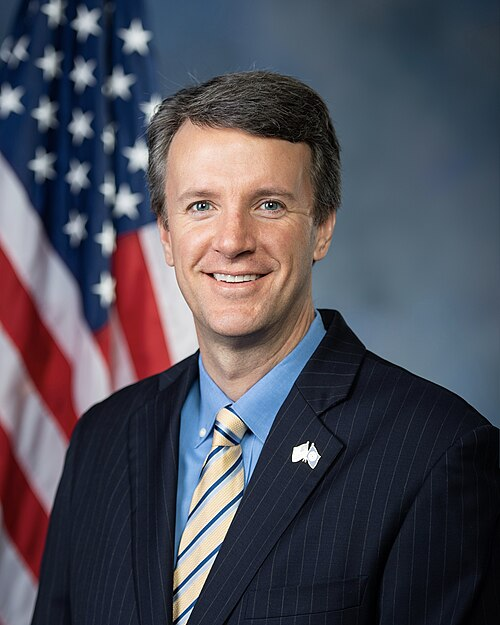
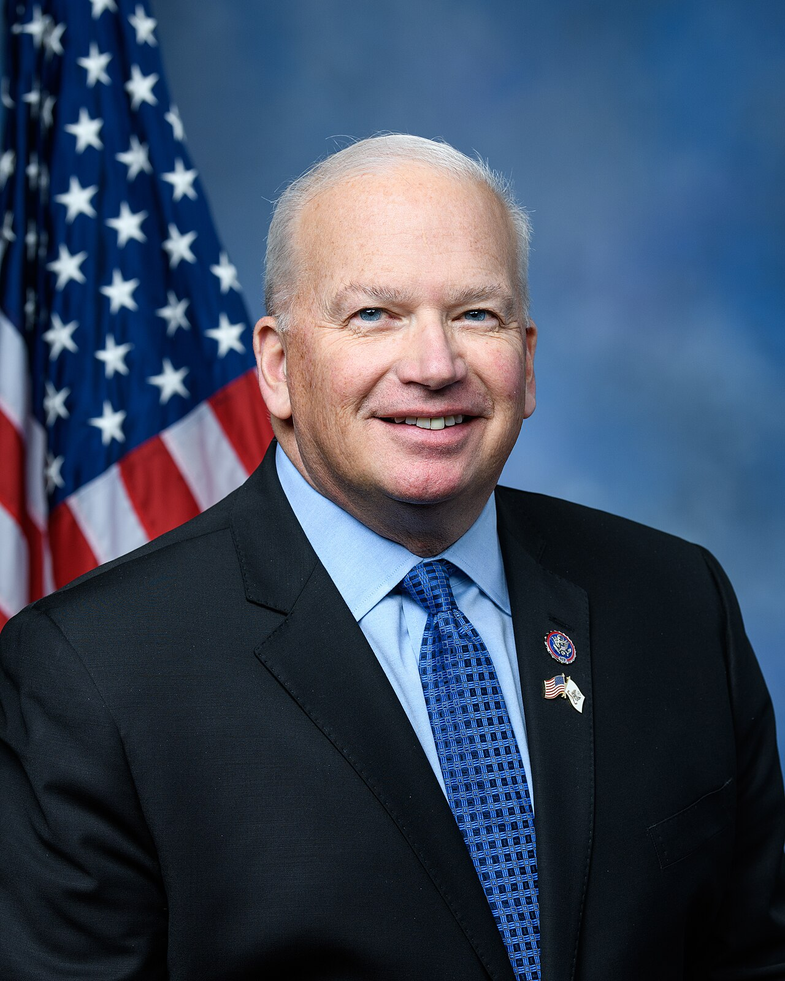
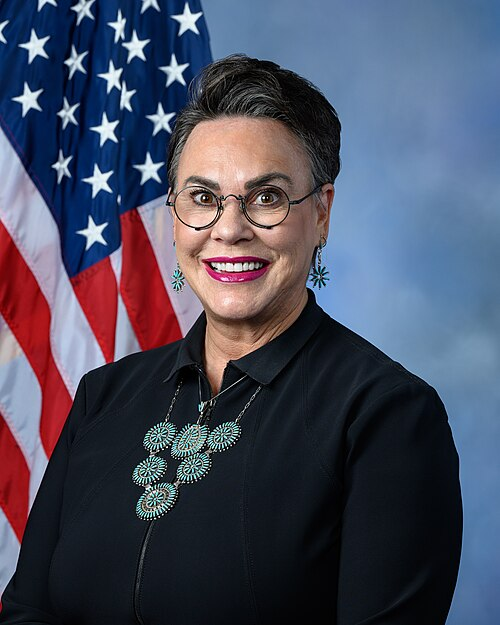
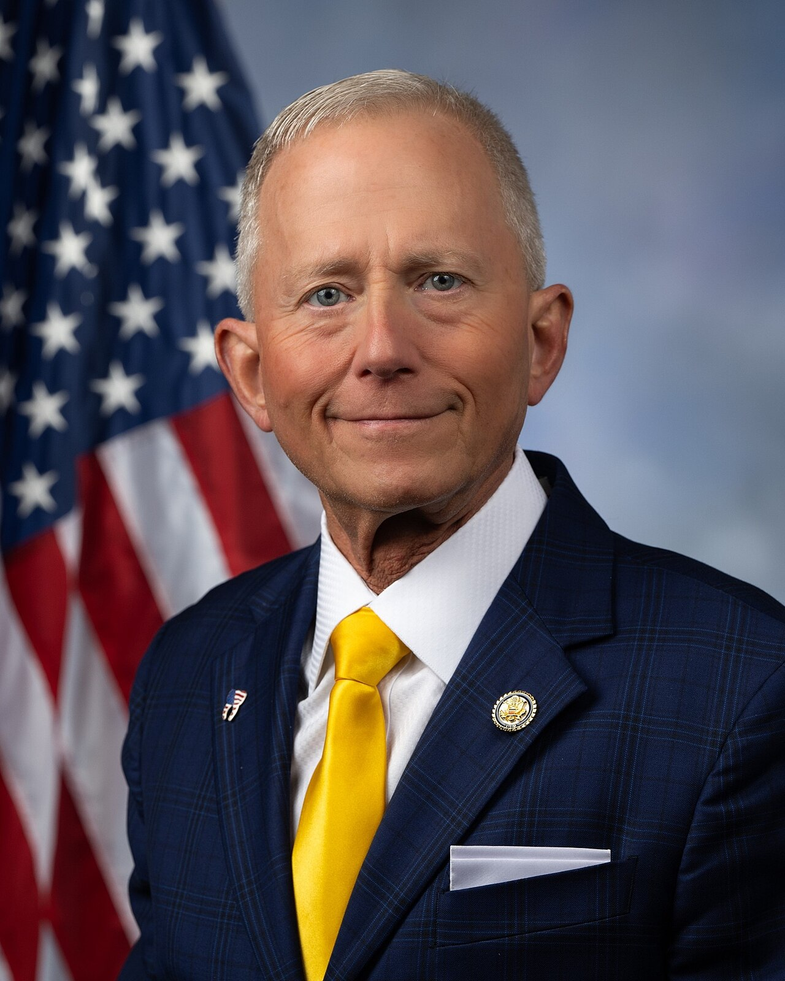
4 bill sponsors
Actions
2 actions
| Date | Action |
|---|---|
| Jan. 14, 2025 | Introduced in House |
| Jan. 14, 2025 | Referred to the House Committee on the Judiciary. |
Corporate Lobbying
0 companies lobbying
None found.
* Note that there can be significant delays in lobbying disclosures, and our data may be incomplete.
Potentially Relevant Congressional Stock Trades
No relevant congressional stock trades found.