H.R. 3649: Magnus White Cyclist Safety Act of 2025
This bill, known as the Magnus White Cyclist Safety Act of 2025, aims to enhance safety for cyclists and other vulnerable road users by establishing stricter requirements for automatic emergency braking systems in new vehicles. Here’s a summary of what the bill entails:
Key Provisions
- Performance Standards: The bill directs the Secretary of Transportation to establish minimum performance standards for automatic emergency braking systems (AEB) that must be installed in new covered vehicles. These systems need to be capable of:
- Functioning effectively in different lighting conditions, including daylight and low light.
- Meeting specified maximum activation speed thresholds relevant to the vehicle’s capabilities.
- Detecting and responding promptly to vulnerable road users, which includes recognizing a variety of skin tones, clothing, and protective gear colors.
- Compliance Timeline: The Secretary is required to issue these standards within three years after the bill becomes law. Following the issuance, vehicles will have a compliance date set at no later than two model years after the final rules are adopted.
Definitions
The bill includes several important definitions to clarify its terms:
- Automatic Emergency Braking System: Defined as per existing regulations to ensure a standardized understanding.
- Covered Vehicle: This term refers to passenger cars, multipurpose passenger vehicles, and trucks weighing 10,000 pounds or less.
- Vulnerable Road User: This includes cyclists, motorcyclists, and other non-motorized road users who may be at risk in traffic situations.
Objectives
The primary objective of this legislation is to improve safety measures for cyclists and other vulnerable groups on the road by ensuring that new vehicles are equipped with advanced safety technologies capable of preventing accidents involving these users.
Relevant Companies
- Ford Motor Company (F) - As a major manufacturer of passenger vehicles, Ford would be required to update their new models to comply with the new automatic emergency braking standards.
- Toyota Motor Corporation (TM) - With a wide range of covered vehicles, compliance with these new regulations may affect their manufacturing processes and costs.
- General Motors Company (GM) - GM would need to implement the enhanced AEB systems in their vehicles to meet the new safety standards mandated by this bill.
This is an AI-generated summary of the bill text. There may be mistakes.
Sponsors
22 bill sponsors
-
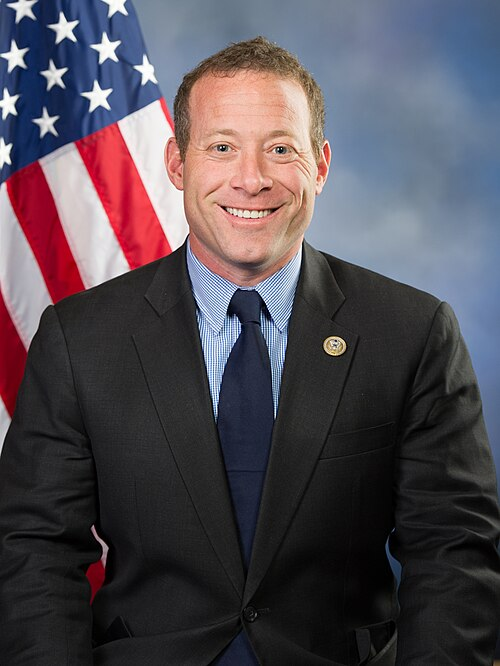
TrackJoe Neguse

Sponsor
-
TrackAmi Bera
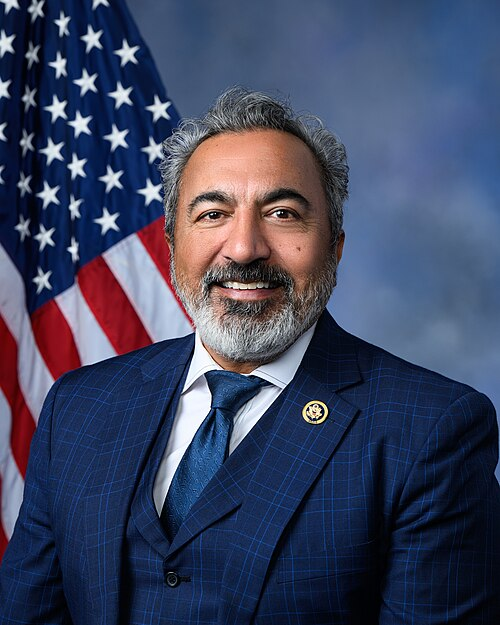
Co-Sponsor
-
TrackAndré Carson
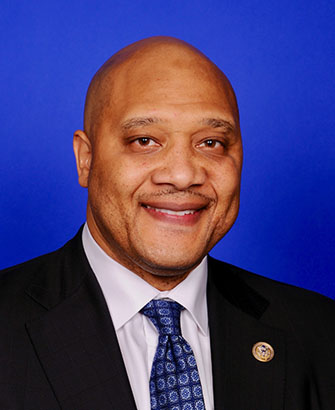
Co-Sponsor
-
TrackYvette D. Clarke
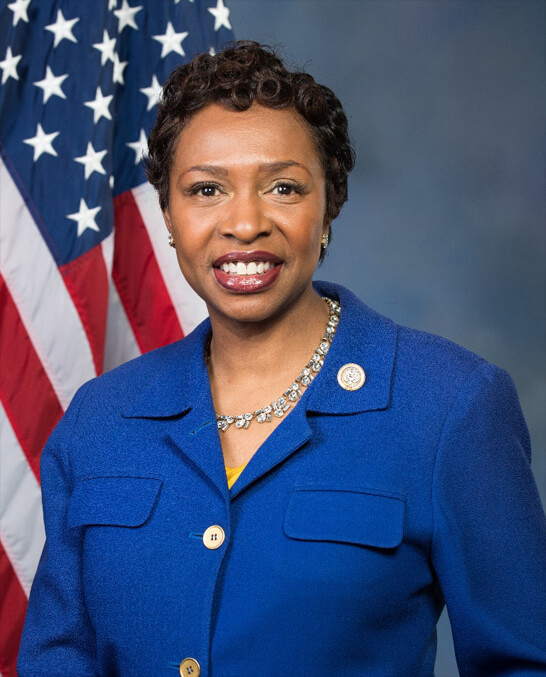
Co-Sponsor
-
TrackSteve Cohen
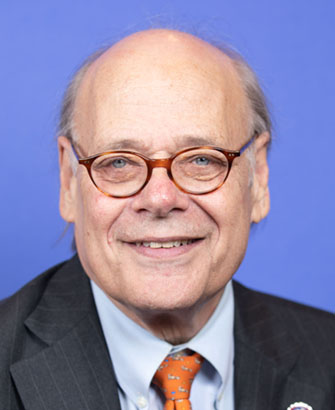
Co-Sponsor
-
TrackSharice Davids
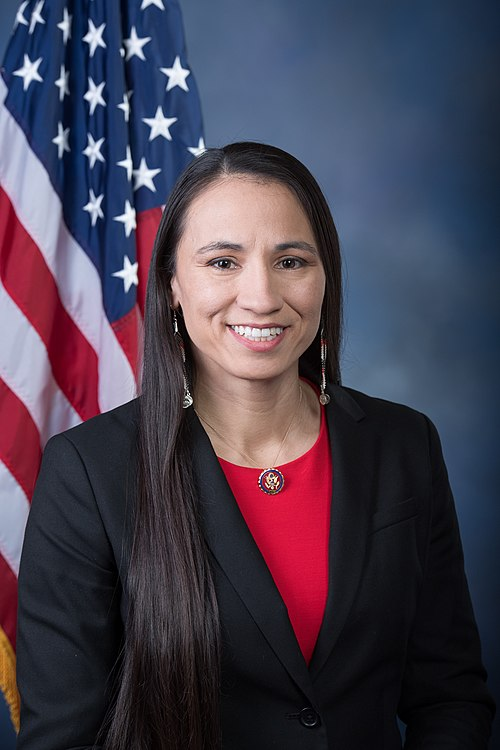
Co-Sponsor
-
TrackValerie P. Foushee
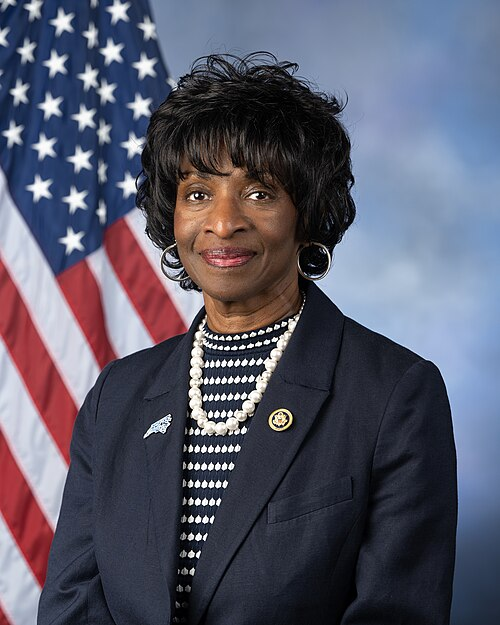
Co-Sponsor
-
TrackRobert Garcia
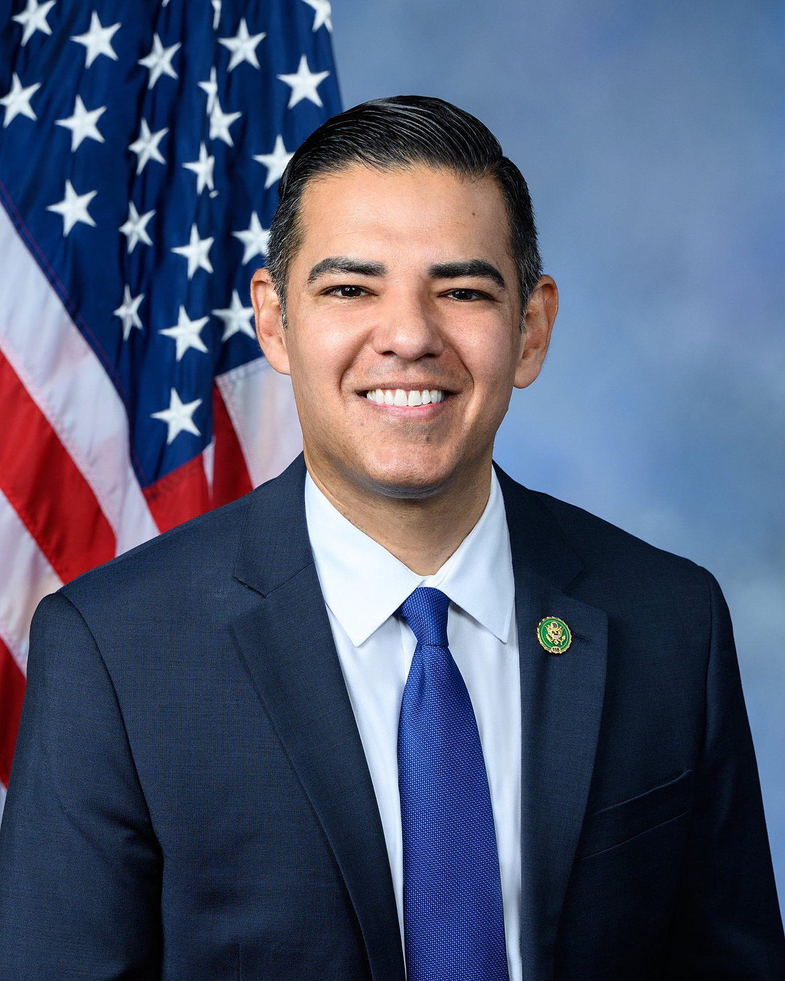
Co-Sponsor
-
TrackJesús G. "Chuy" García
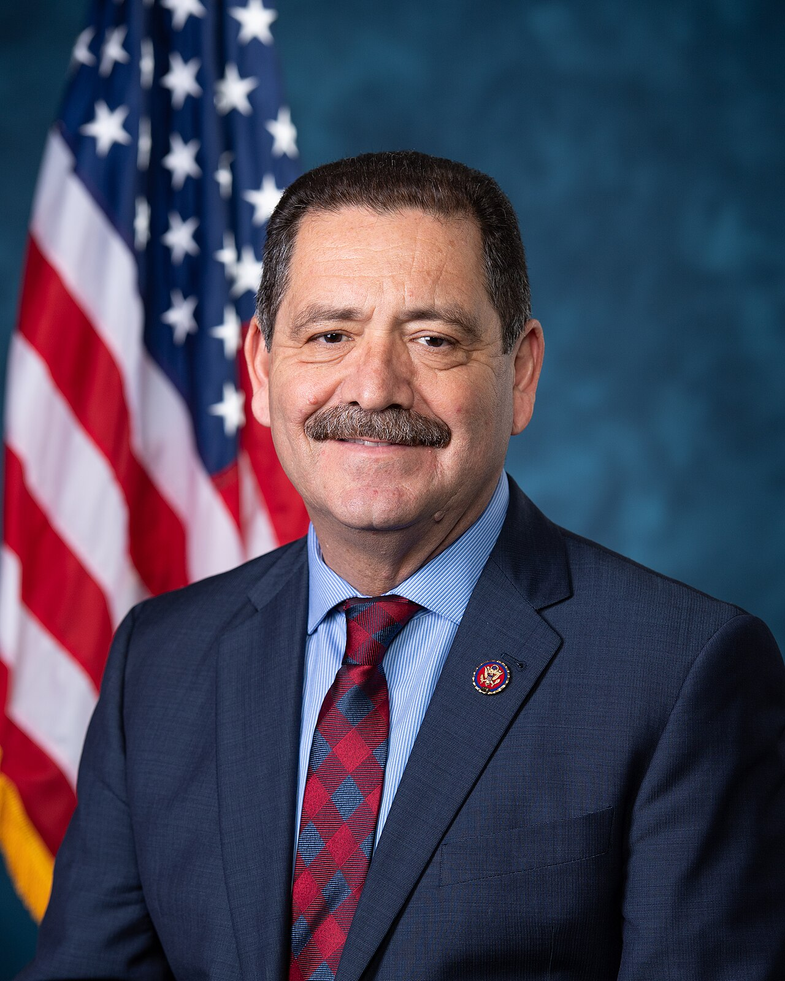
Co-Sponsor
-
TrackJared Huffman
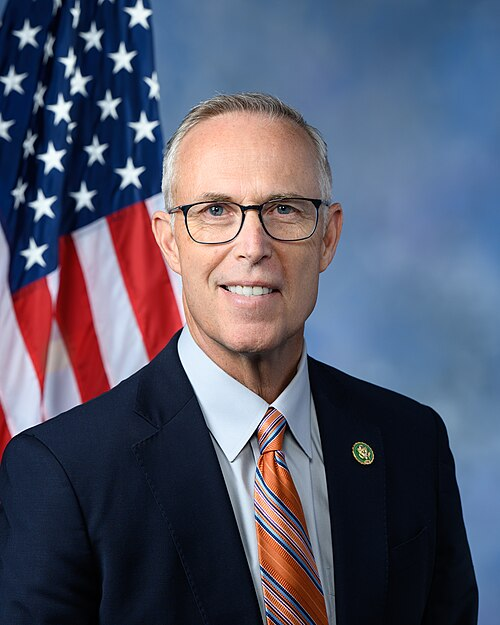
Co-Sponsor
-
TrackTed Lieu
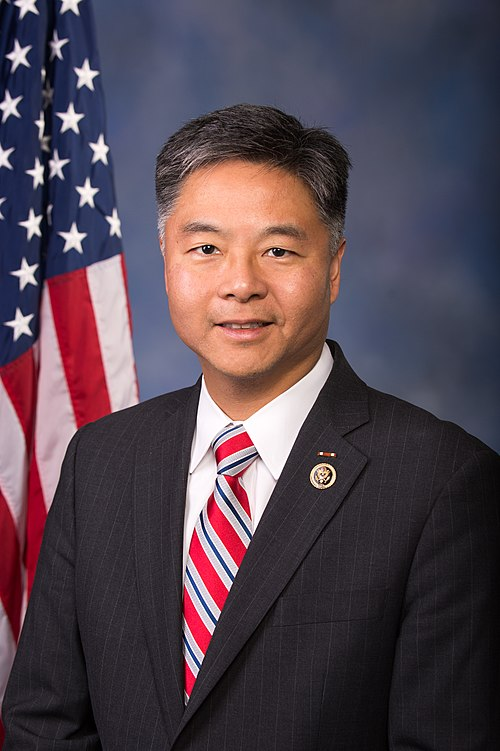
Co-Sponsor
-
TrackDoris O. Matsui

Co-Sponsor
-
TrackBetty McCollum
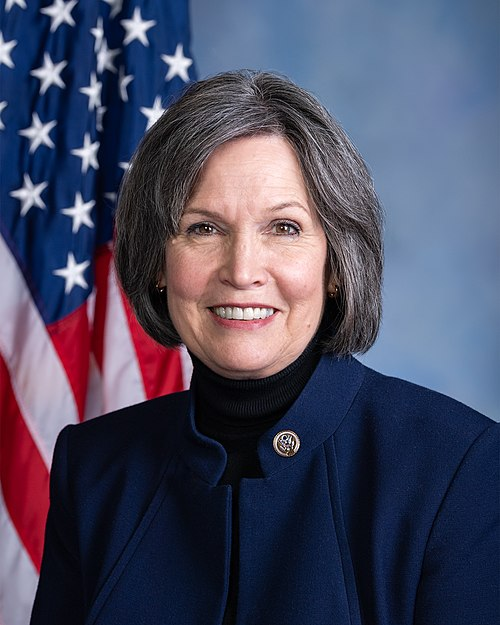
Co-Sponsor
-
TrackLaMonica McIver
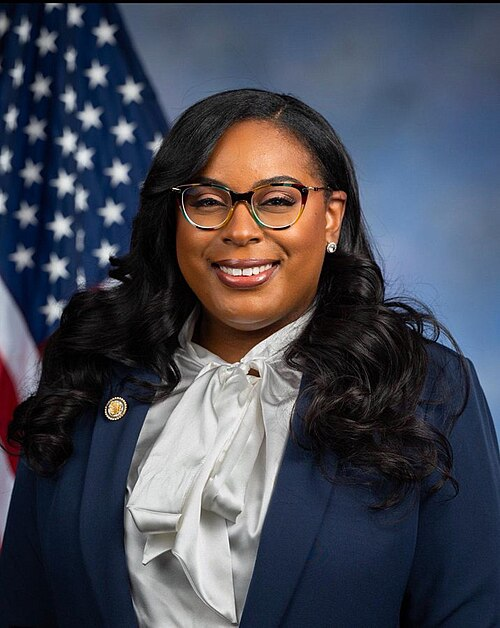
Co-Sponsor
-
TrackEleanor Holmes Norton

Co-Sponsor
-
TrackBrittany Pettersen
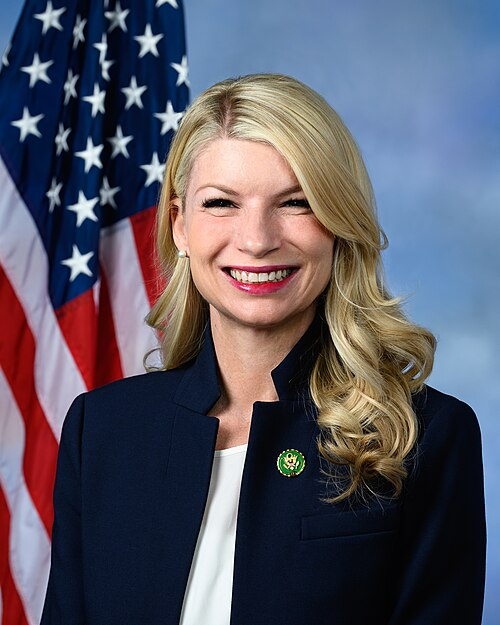
Co-Sponsor
-
TrackJosh Riley

Co-Sponsor
-
TrackLateefah Simon
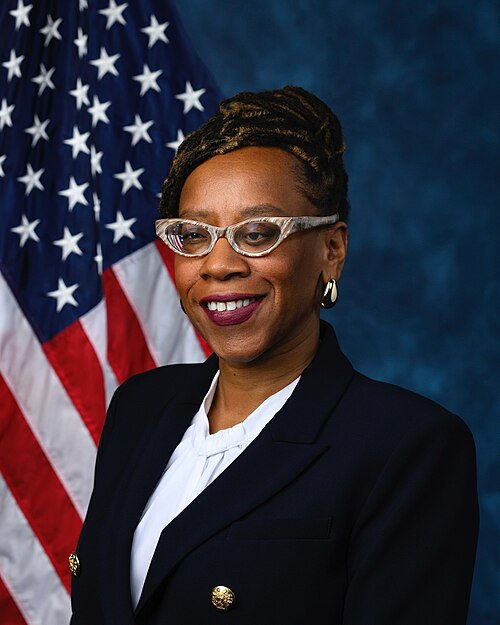
Co-Sponsor
-
TrackSuhas Subramanyam
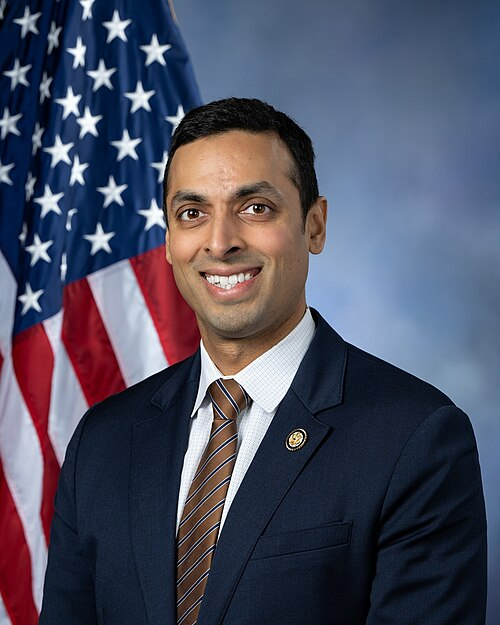
Co-Sponsor
-
TrackMike Thompson
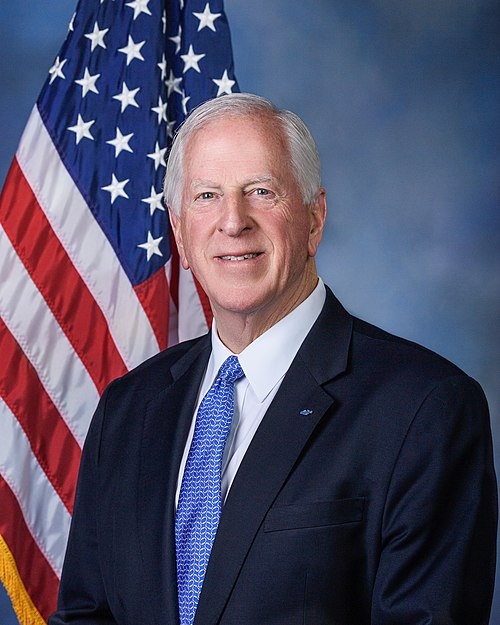
Co-Sponsor
-
TrackDina Titus
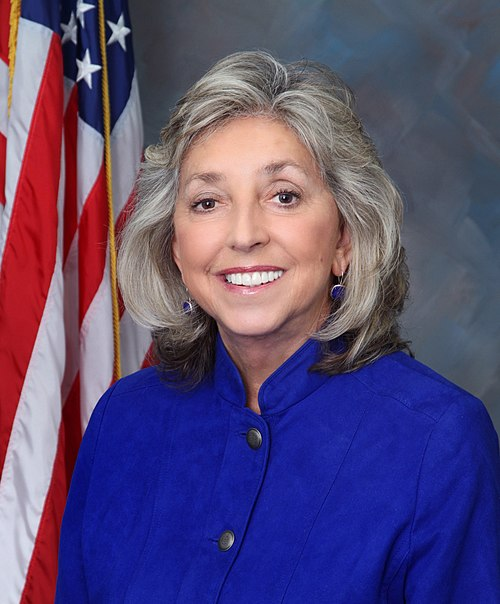
Co-Sponsor
-
TrackLori Trahan
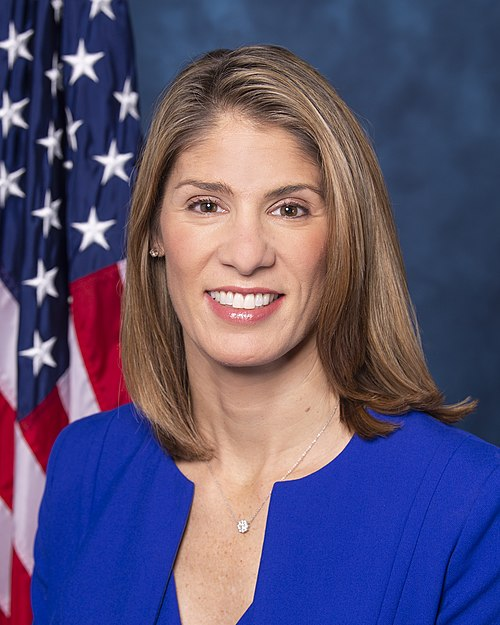
Co-Sponsor
Actions
3 actions
| Date | Action |
|---|---|
| May. 30, 2025 | Referred to the Subcommittee on Highways and Transit. |
| May. 29, 2025 | Introduced in House |
| May. 29, 2025 | Referred to the Committee on Transportation and Infrastructure, and in addition to the Committee on Energy and Commerce, for a period to be subsequently determined by the Speaker, in each case for consideration of such provisions as fall within the jurisdiction of the committee concerned. |
Corporate Lobbying
0 companies lobbying
None found.
* Note that there can be significant delays in lobbying disclosures, and our data may be incomplete.