H.R. 3257: Bridge to Medicaid Act of 2025
The bill, titled the Bridge to Medicaid Act of 2025, aims to enhance health insurance coverage access and affordability for low-income individuals in states that have not expanded Medicaid. Below are the key provisions of the bill:
1. Financial Assistance for Low-Income Individuals
The bill proposes to amend the Patient Protection and Affordable Care Act to improve cost-sharing reductions for low-income households. Specifically:- Individuals with household incomes that do not exceed 400% of the poverty line for 2026, 2027, and 2028 will receive enhanced cost-sharing reductions under qualified health plans.
- For the year 2025, if an individual's income is at or below 138% of the poverty line, they will be treated as having an income at 100% for cost-sharing purposes.
2. Open Enrollment Periods
The bill establishes special enrollment periods for eligible low-income individuals:- Individuals with a household income not exceeding 138% of the poverty line will have a continuous enrollment period starting from when their eligibility is determined.
3. Additional Benefits for Low-Income Individuals
For the plan years 2026 and 2027, the bill allows certain low-income individuals to access additional benefits under health plans which include:- Non-emergency transportation services and other services that are not covered under essential health benefits will be provided without any cost sharing.
4. Outreach and Education Activities
The bill mandates the implementation of outreach and education initiatives to inform low-income populations residing in non-Medicaid expansion states about available health insurance options and financial assistance. The secretary must ensure these activities cater to diverse populations with appropriate cultural and linguistic considerations.5. Temporary Expansion of Health Insurance Premium Tax Credits
The bill proposes temporary rules to expand eligibility for premium tax credits under the Internal Revenue Code for certain low-income individuals. For tax years starting after December 31, 2025:- Individuals will be eligible for credits without the prior income limitations.
- Special provisions will apply for certain employees and small employer health reimbursement arrangements.
6. Increased Funding for Health Services
The bill contains provisions for increased funding to support the implementation of various programs, including:- Funding for outreach activities up to $105 million for fiscal year 2026, with additional allocations for subsequent years.
- Financial resources to support health plans that furnish additional services under the new amendments.
7. Enhanced Federal Medical Assistance Percentage (FMAP)
The bill amends the Social Security Act to temporarily increase the FMAP for newly eligible individuals to 93% for calendar years 2026, 2027, and 2028, and to 90% for 2029 and beyond, thereby providing additional financial support to states for Medicaid services.Relevant Companies
None found.This is an AI-generated summary of the bill text. There may be mistakes.
Show More
Sponsors
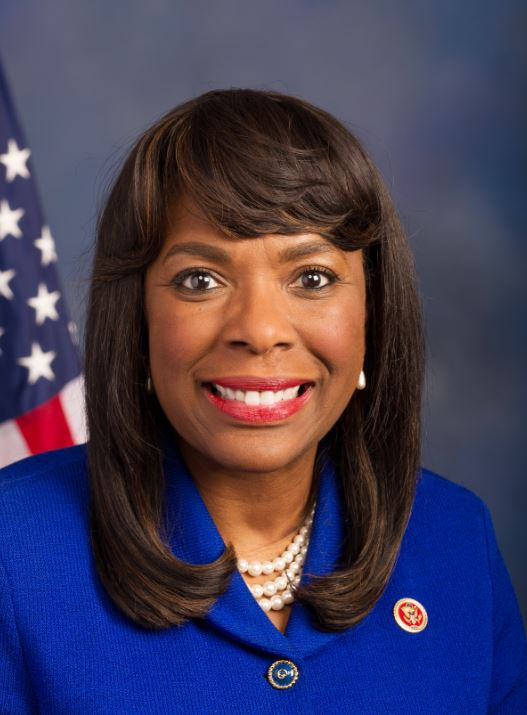
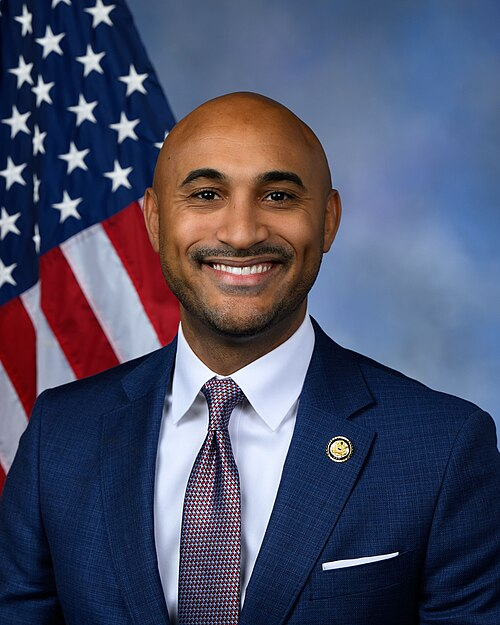
2 bill sponsors
Actions
2 actions
| Date | Action |
|---|---|
| May. 07, 2025 | Introduced in House |
| May. 07, 2025 | Referred to the Committee on Energy and Commerce, and in addition to the Committee on Ways and Means, for a period to be subsequently determined by the Speaker, in each case for consideration of such provisions as fall within the jurisdiction of the committee concerned. |
Corporate Lobbying
0 companies lobbying
None found.
* Note that there can be significant delays in lobbying disclosures, and our data may be incomplete.
Potentially Relevant Congressional Stock Trades
No relevant congressional stock trades found.