H.R. 2509: Connecting Our Medical Providers with Links to Expand Tailored and Effective Care
This bill, named the "COMPLETE Care Act," aims to improve the integration of behavioral health services with primary care through financial incentives and support mechanisms. Here are the key components of the bill:
Incentives for Behavioral Health Integration
- The bill proposes changes to the Medicare payment system to increase financial incentives for primary care providers who integrate behavioral health services into their practices.
- For services provided in the years 2027, 2028, and 2029, the payments to providers will be higher than the usual rates. Specifically:
- In 2027, providers will receive 175% of the standard payment rate.
- In 2028, the payment will be 150% of the standard rate.
- In 2029, the payment will be 125% of the standard rate.
- Services that qualify for these increased payments will be defined by specific healthcare codes that relate to behavioral health integration, effective from January 1, 2024.
Waiver of Budget Neutrality
- This section ensures that the increased payments to providers due to the behavioral health incentives do not count against budget neutrality rules in Medicare. This allows for greater flexibility in funding these services without the typical restrictions on federal spending increases.
Technical Assistance for Adoption
- The Secretary of Health and Human Services will be required to contract with appropriate entities to provide technical assistance to primary care practices interested in adopting behavioral health integration models by January 1, 2026.
- Different models of behavioral health integration, such as the Collaborative Care Model and the Primary Care Behavioral Health model, will be included in this technical support initiative.
- The Secretary can implement these provisions through program instructions, allowing for quicker adoption without needing extensive legislative approval processes.
- The bill allocates funding for this support from fiscal years 2025 through 2029 to ensure that the necessary resources are available for implementing these measures effectively.
Funding
- It designates unspecified sums for the Secretary of Health and Human Services over a five-year period to support the implementation of this initiative, ensuring it has adequate funding to be successful.
Conclusion
Overall, the COMPLETE Care Act is designed to enhance the delivery of integrated behavioral health services in primary care settings through financial incentives and support, with aims to improve patient care and outcomes.
Relevant Companies
- None found
This is an AI-generated summary of the bill text. There may be mistakes.
Sponsors
29 bill sponsors
-
TrackNicole Malliotakis
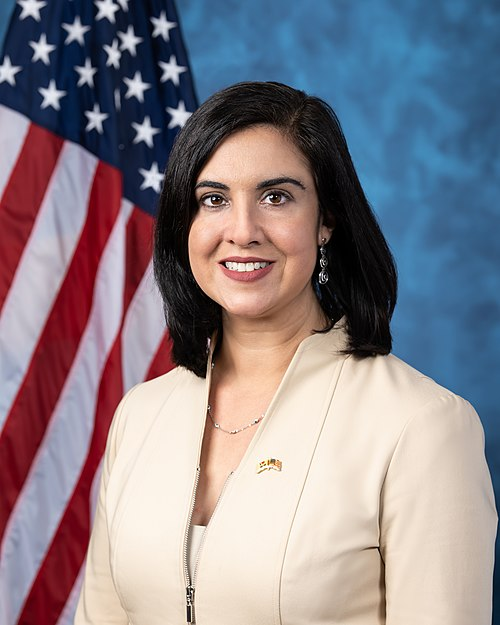
Sponsor
-
TrackDon Bacon
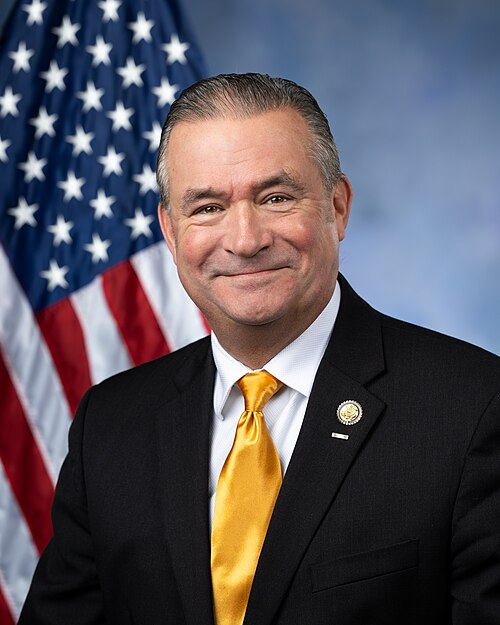
Co-Sponsor
-
TrackTroy Balderson
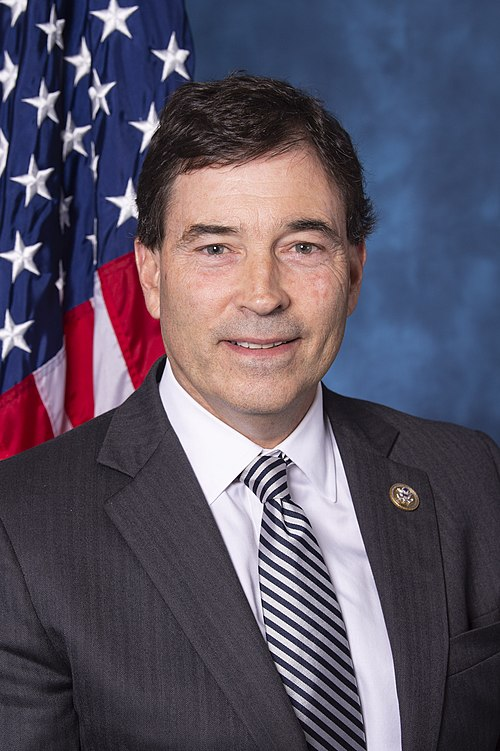
Co-Sponsor
-
TrackBecca Balint
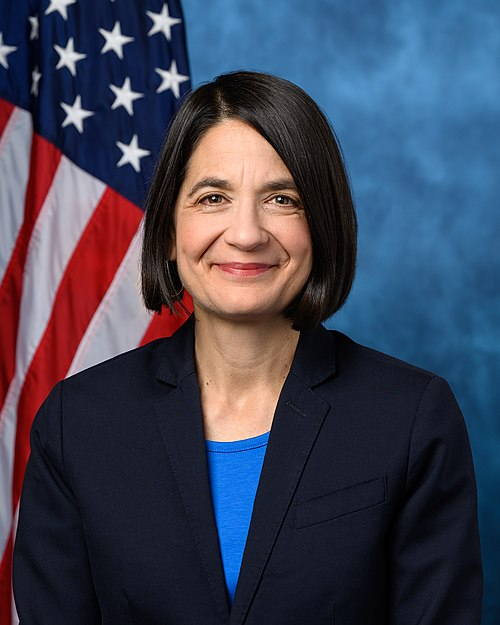
Co-Sponsor
-
TrackGus M. Bilirakis

Co-Sponsor
-
TrackNikki Budzinski
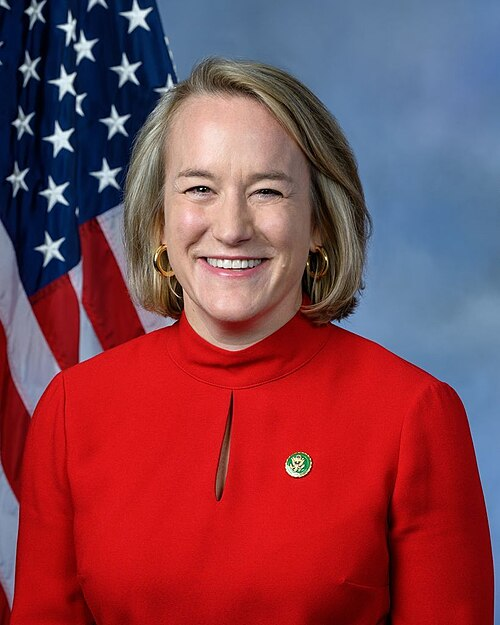
Co-Sponsor
-
TrackMike Carey
Co-Sponsor
-
TrackHerbert Conaway
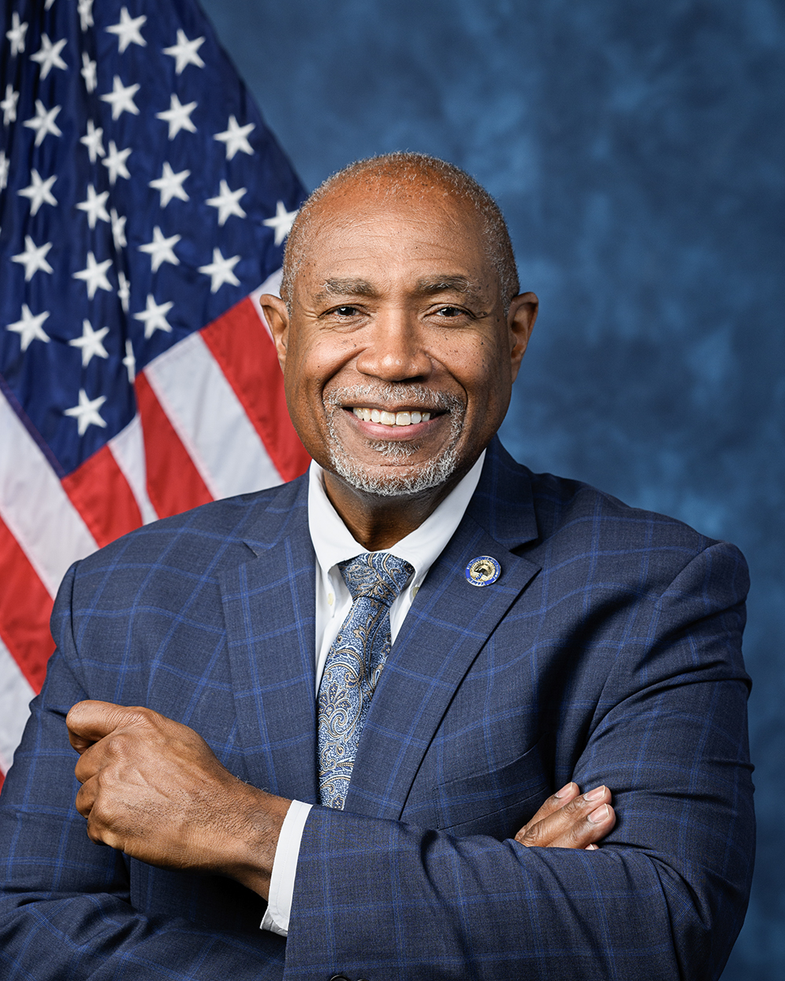
Co-Sponsor
-
TrackGabe Evans
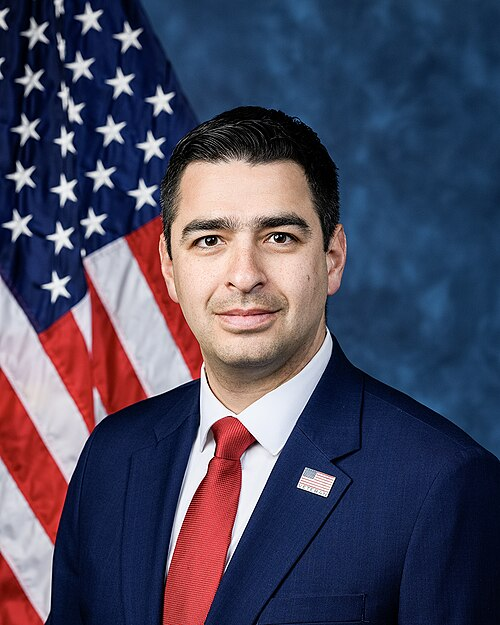
Co-Sponsor
-
TrackBrian K. Fitzpatrick
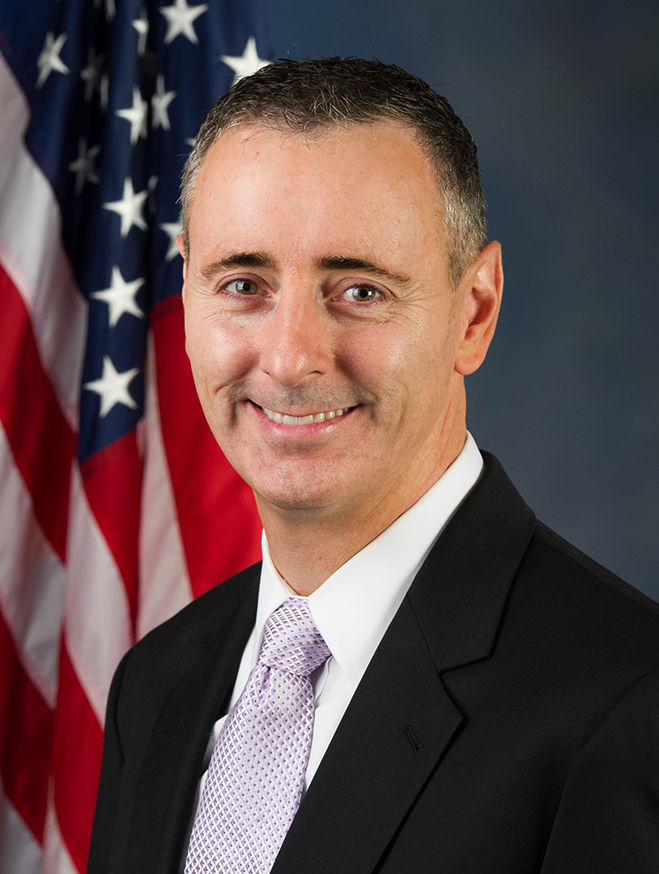
Co-Sponsor
-
TrackLizzie Fletcher
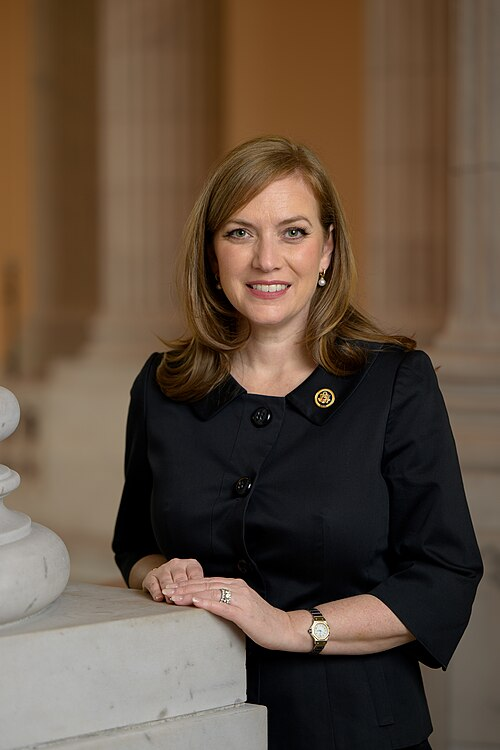
Co-Sponsor
-
TrackLaura Gillen
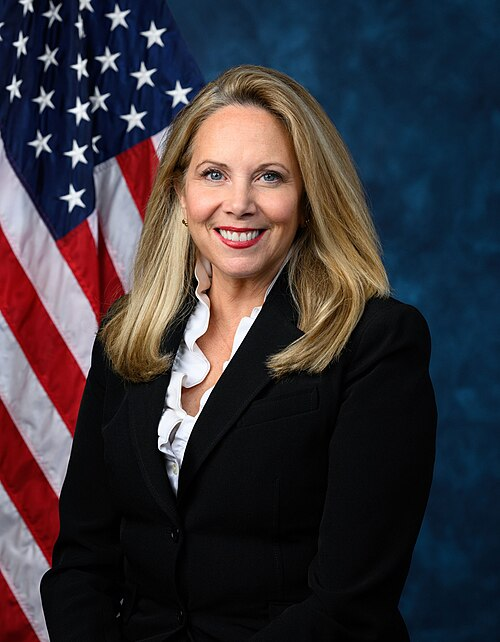
Co-Sponsor
-
TrackJosh Harder
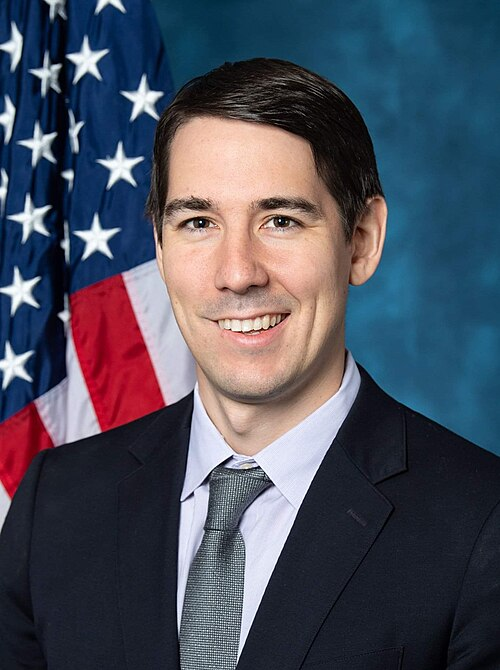
Co-Sponsor
-
TrackSteven Horsford
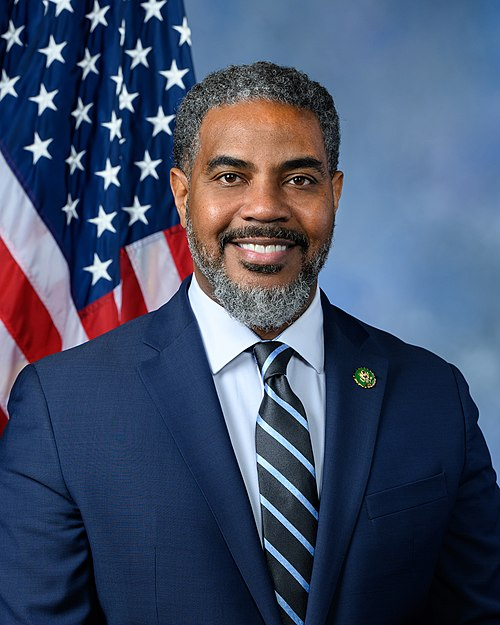
Co-Sponsor
-
TrackJohn Joyce
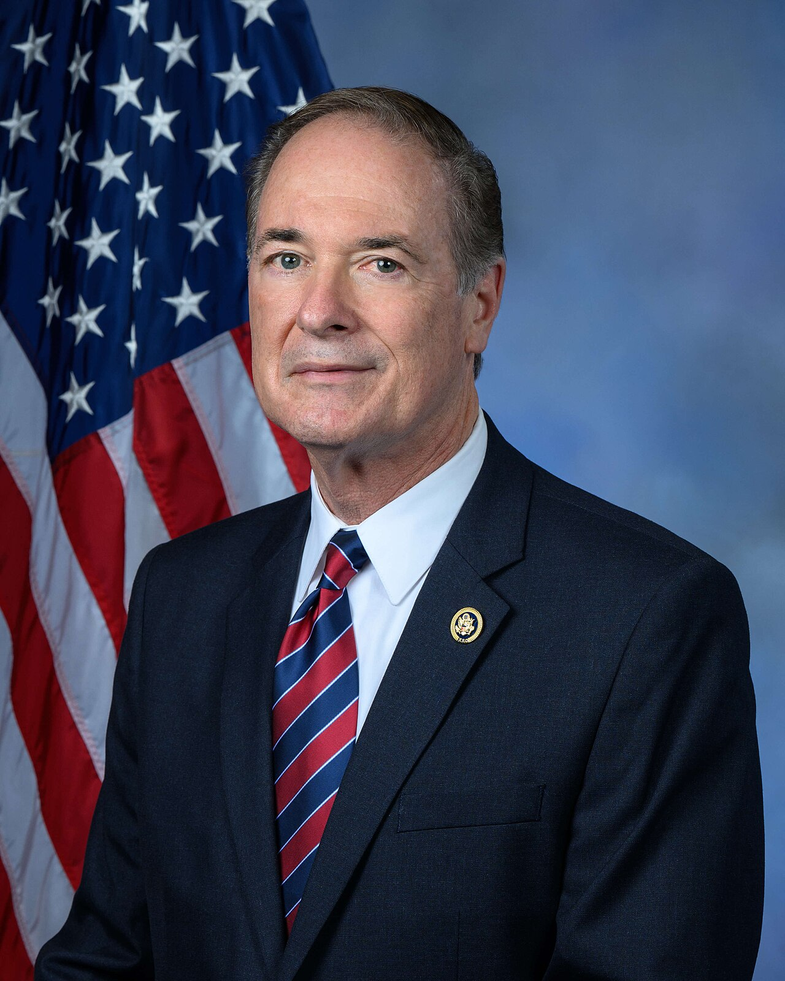
Co-Sponsor
-
TrackCarol D. Miller
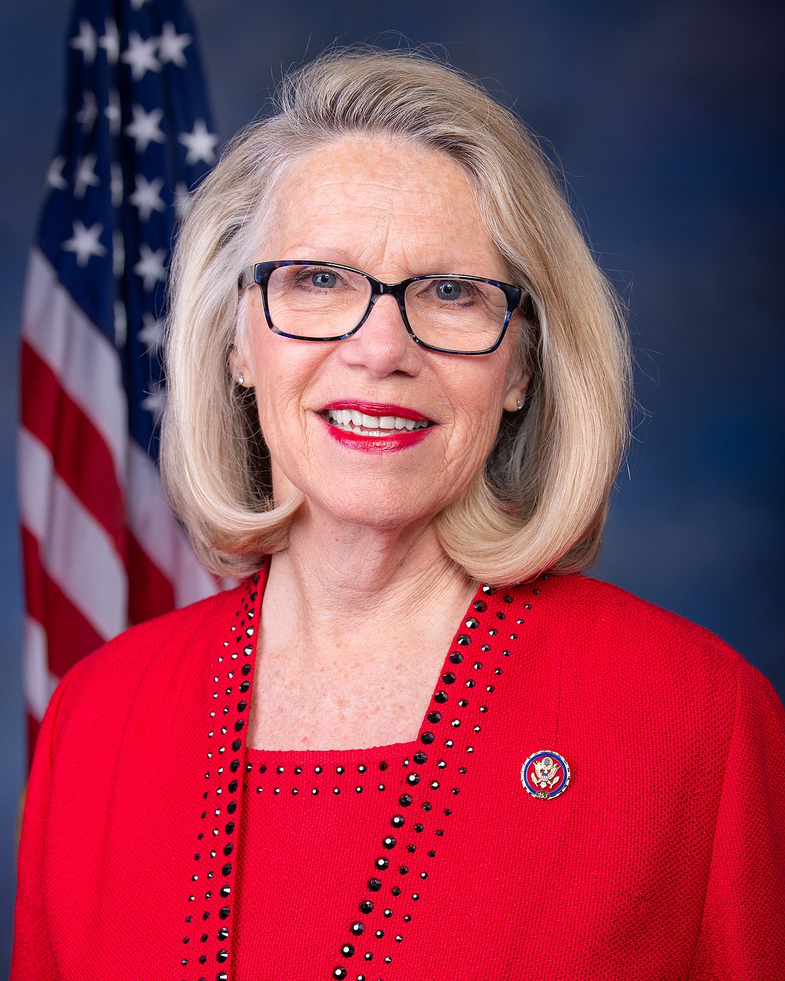
Co-Sponsor
-
TrackEleanor Holmes Norton

Co-Sponsor
-
TrackJay Obernolte
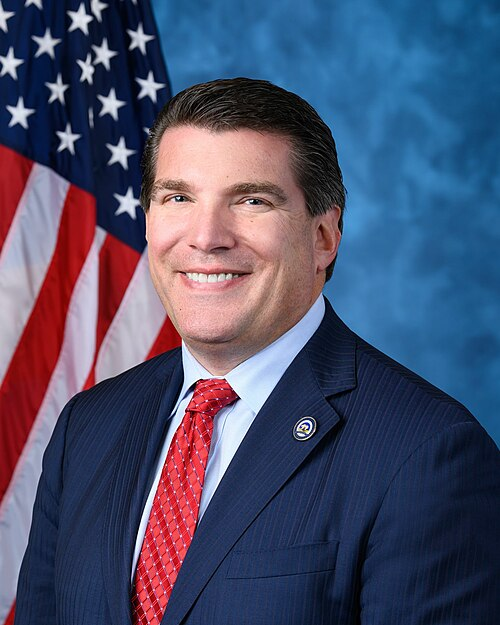
Co-Sponsor
-
TrackBrittany Pettersen
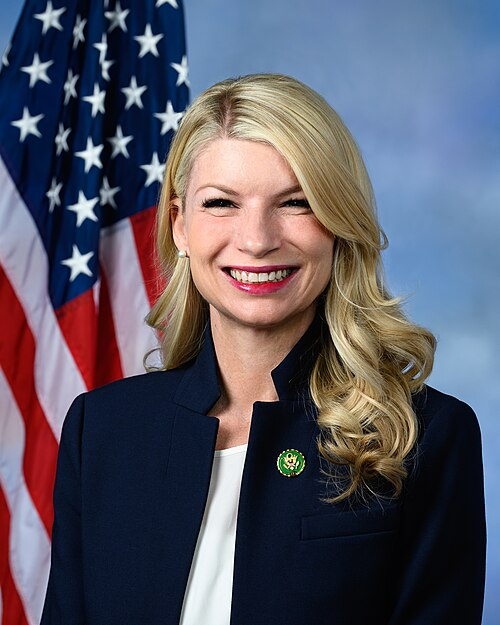
Co-Sponsor
-
TrackAugust Pfluger
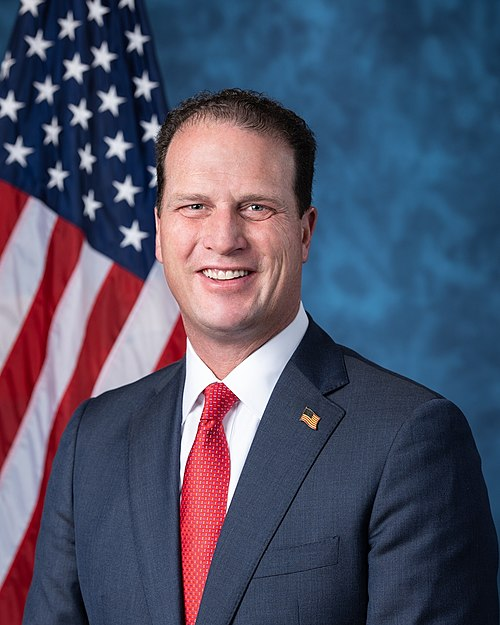
Co-Sponsor
-
TrackJamie Raskin
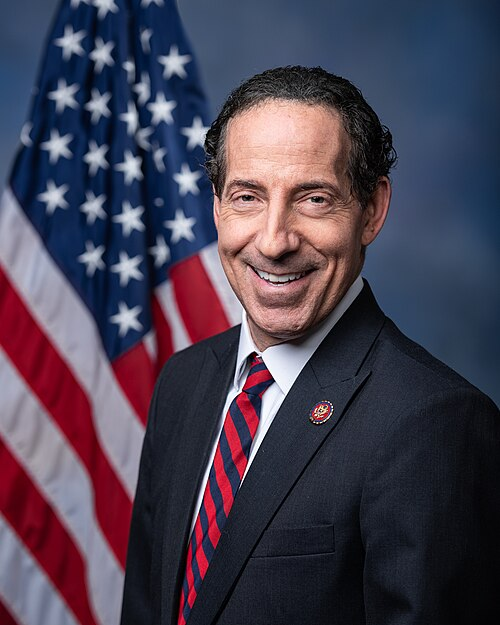
Co-Sponsor
-
TrackDeborah K. Ross
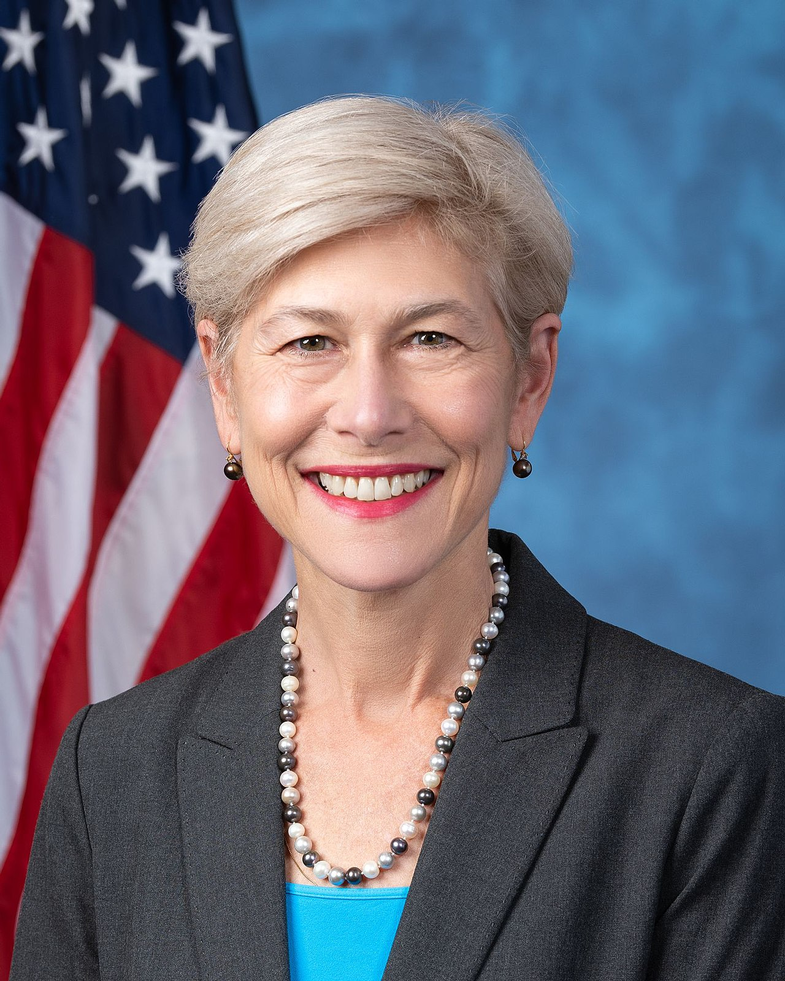
Co-Sponsor
-
TrackTerri A. Sewell
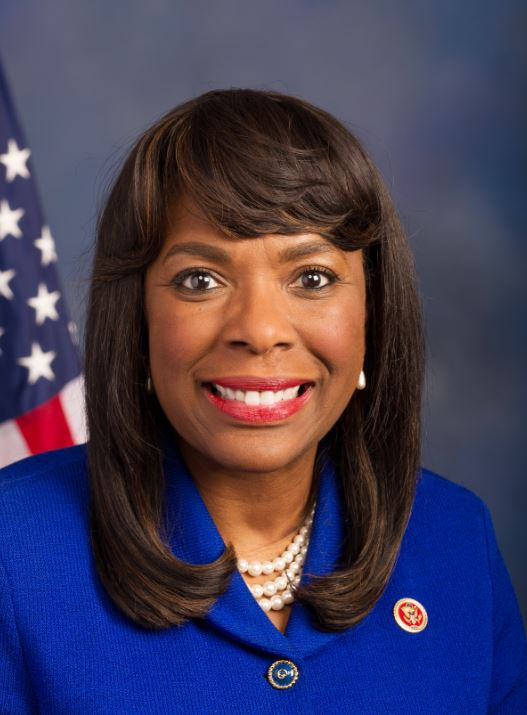
Co-Sponsor
-
TrackDarren Soto
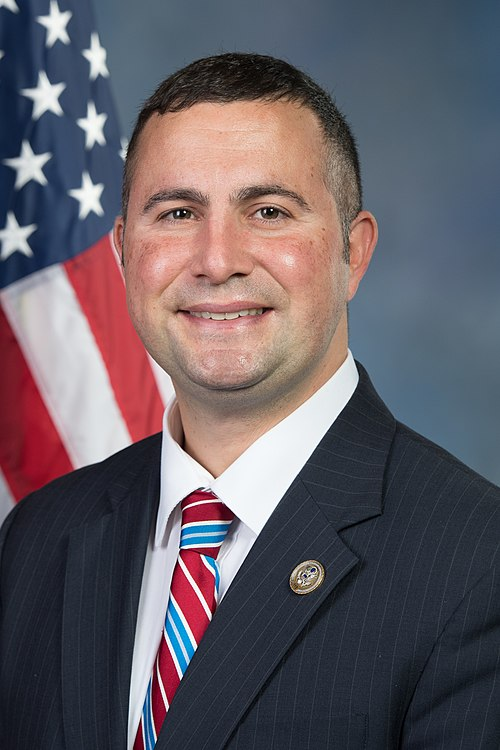
Co-Sponsor
-
TrackThomas R. Suozzi
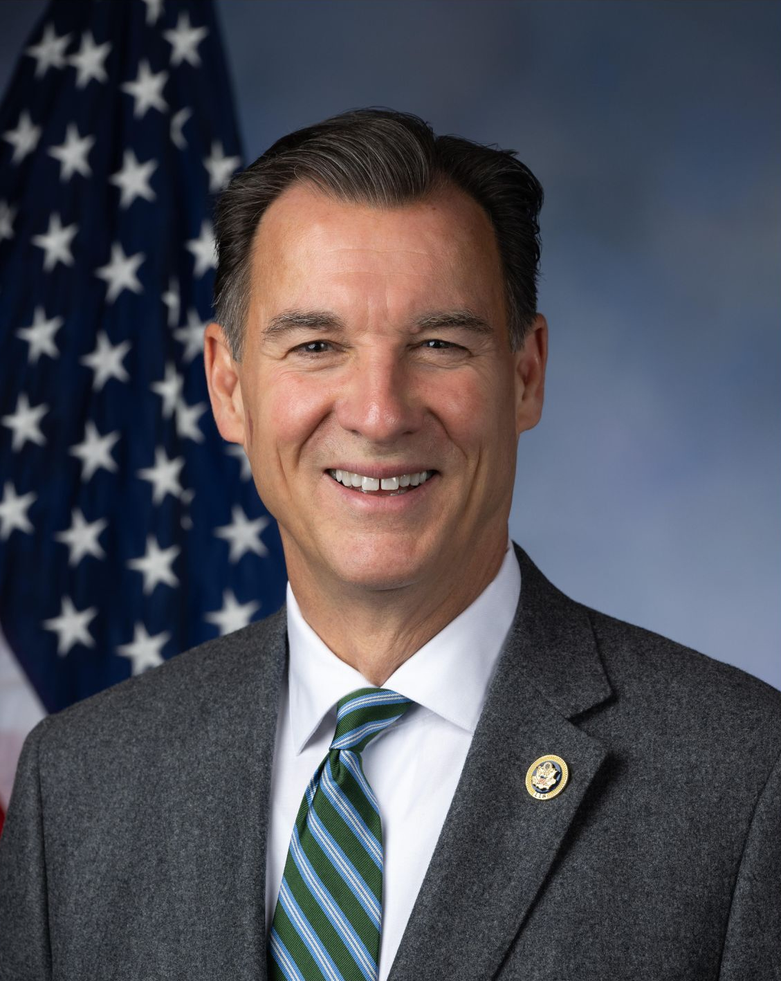
Co-Sponsor
-
TrackPaul Tonko
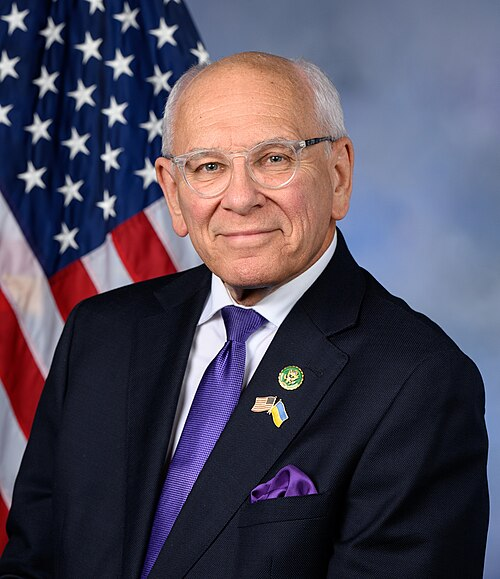
Co-Sponsor
-
TrackJefferson Van Drew
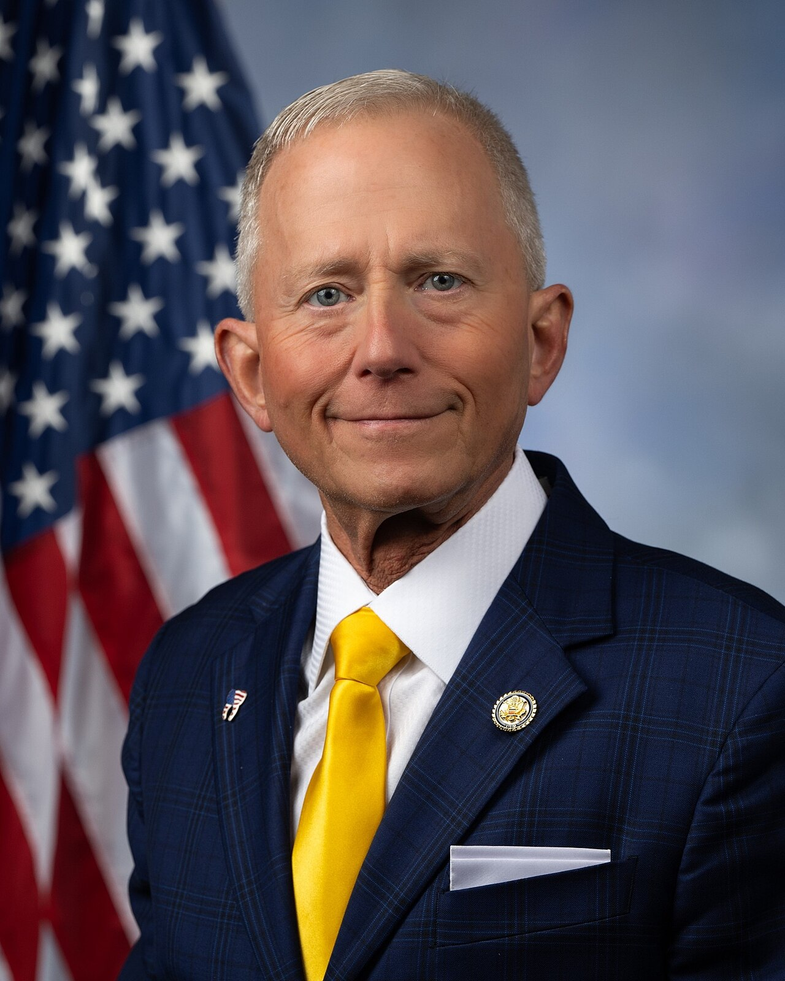
Co-Sponsor
-
TrackGabe Vasquez
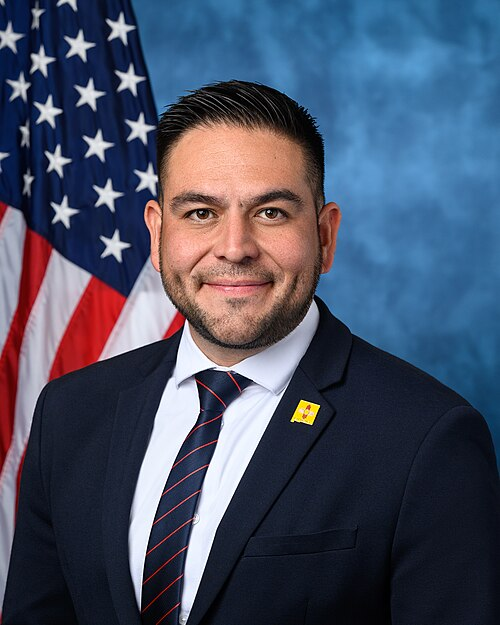
Co-Sponsor
-
TrackEugene Vindman
Co-Sponsor
Actions
2 actions
| Date | Action |
|---|---|
| Mar. 31, 2025 | Introduced in House |
| Mar. 31, 2025 | Referred to the Committee on Energy and Commerce, and in addition to the Committee on Ways and Means, for a period to be subsequently determined by the Speaker, in each case for consideration of such provisions as fall within the jurisdiction of the committee concerned. |
Corporate Lobbying
1 company lobbying