H.R. 2426: Veterans Mental Health and Addiction Therapy Quality of Care Act
This bill, known as the Veterans Mental Health and Addiction Therapy Quality of Care Act, aims to enhance the understanding of the quality of mental health and addiction treatment provided to veterans. Specifically, it mandates a study to compare the care delivered by the Department of Veterans Affairs (VA) to that provided by non-VA healthcare providers.
Objectives of the Bill
The primary goal of the bill is to investigate potential differences in the quality of care veterans receive based on the provider type (VA vs. non-VA). It emphasizes evaluating several key factors related to mental health and addiction therapy that impact veterans.
Study Requirements
Here are the main components outlined in the bill regarding the study:
- Independent Organization: The Secretary of Veterans Affairs is required to collaborate with an independent organization, external to the VA, to conduct the study.
- Study Content: The study must assess various modalities of care, such as:
- Telehealth
- In-patient care
- Intensive out-patient care
- Out-patient care
- Residential treatment
- Report Submission: The organization must submit a report with the study findings to both the Senate and House Committees on Veterans’ Affairs and publish the results on a publicly accessible website.
Timeline
The Secretary has to ensure that the study is completed within 18 months from the date of the agreement with the independent organization.
Elements of Assessment
The report must cover the following critical aspects:
- Health Outcomes Improvement: Measure improvements in health outcomes from the start to the completion of treatment, including symptom scores and suicide risk assessments.
- Evidence-Based Practices: Evaluate whether both VA and non-VA providers utilize evidence-based practices in mental health and addiction therapy.
- Coordination Gaps: Identify any gaps in coordination between VA and non-VA providers, particularly regarding the sharing of patient health records.
- Veteran-Centric Care: Assess the level of satisfaction among veterans regarding their care and measure the competency of providers in addressing the unique needs of veterans.
- Integrated Care for Co-Occurring Conditions: Review whether veterans with multiple conditions receive comprehensive and coordinated care.
- Monitoring Health Outcomes: Investigate if providers monitor health outcomes throughout treatment and for up to three years post-treatment.
- Service Initiation Time: Measure the duration from initial contact to the start of services, comparing both VA and non-VA providers.
Implications
This bill could provide a clearer picture of how mental health and addiction services for veterans compare across different healthcare systems, potentially identifying strengths and weaknesses in the current approaches. The findings may lead to improved treatment options and policies based on the study's outcomes.
Relevant Companies
- None found
This is an AI-generated summary of the bill text. There may be mistakes.
Sponsors
13 bill sponsors
-
TrackPat Fallon
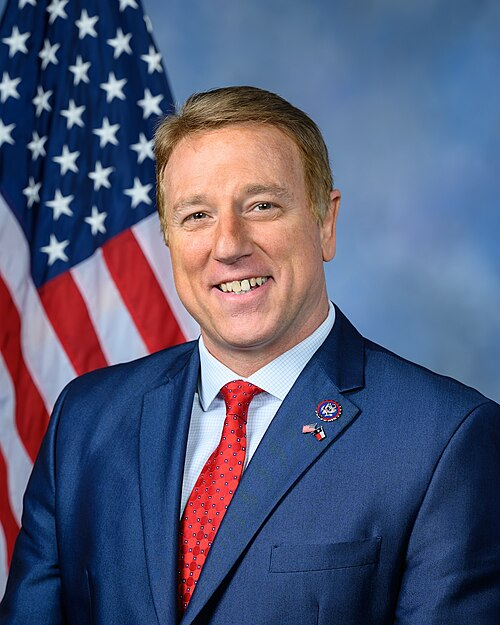
Sponsor
-
TrackSanford D. Bishop, Jr.
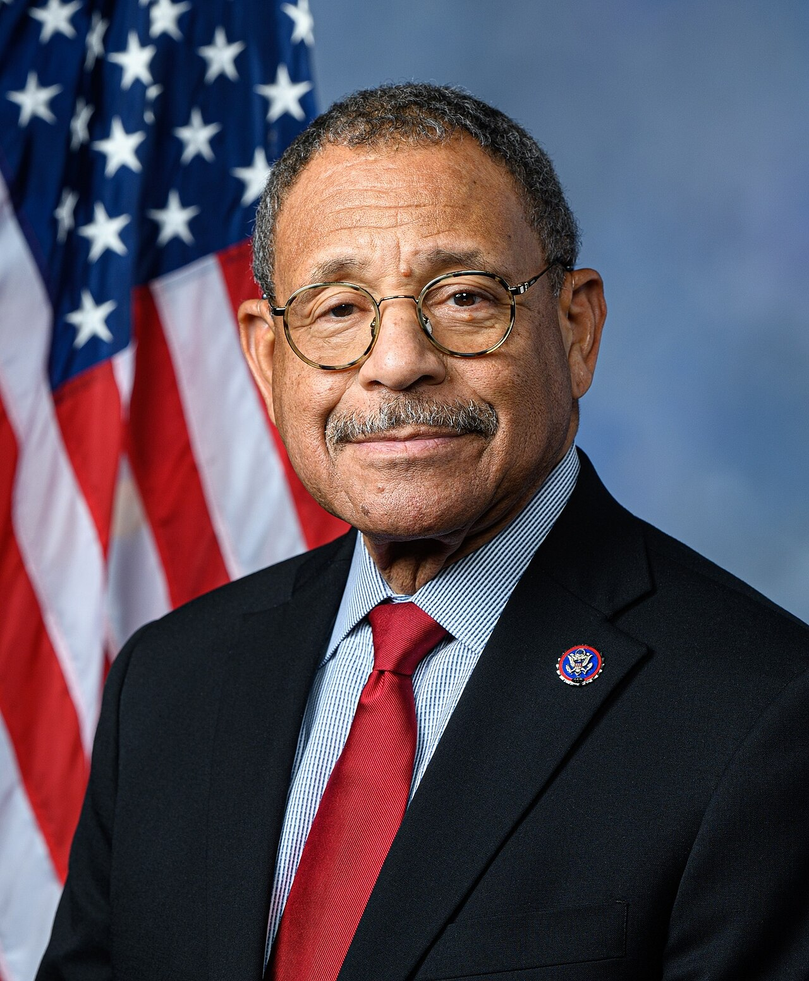
Co-Sponsor
-
TrackTroy A. Carter

Co-Sponsor
-
TrackLance Gooden
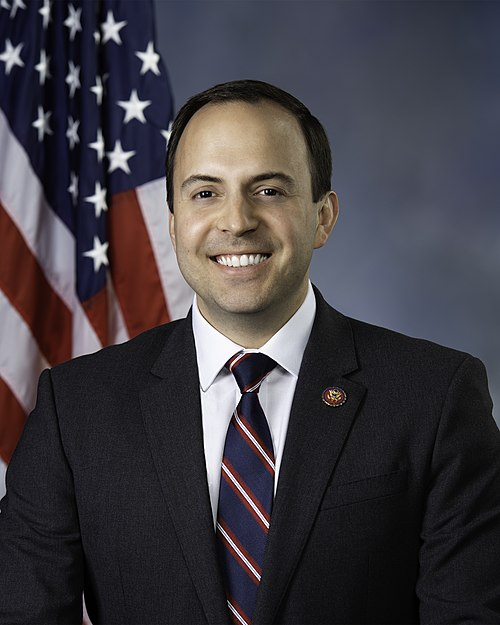
Co-Sponsor
-
TrackJosh Harder

Co-Sponsor
-
TrackSeth Magaziner
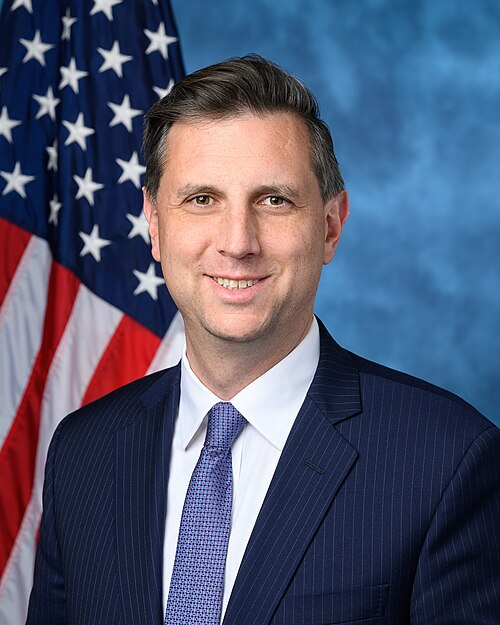
Co-Sponsor
-
TrackTroy E. Nehls
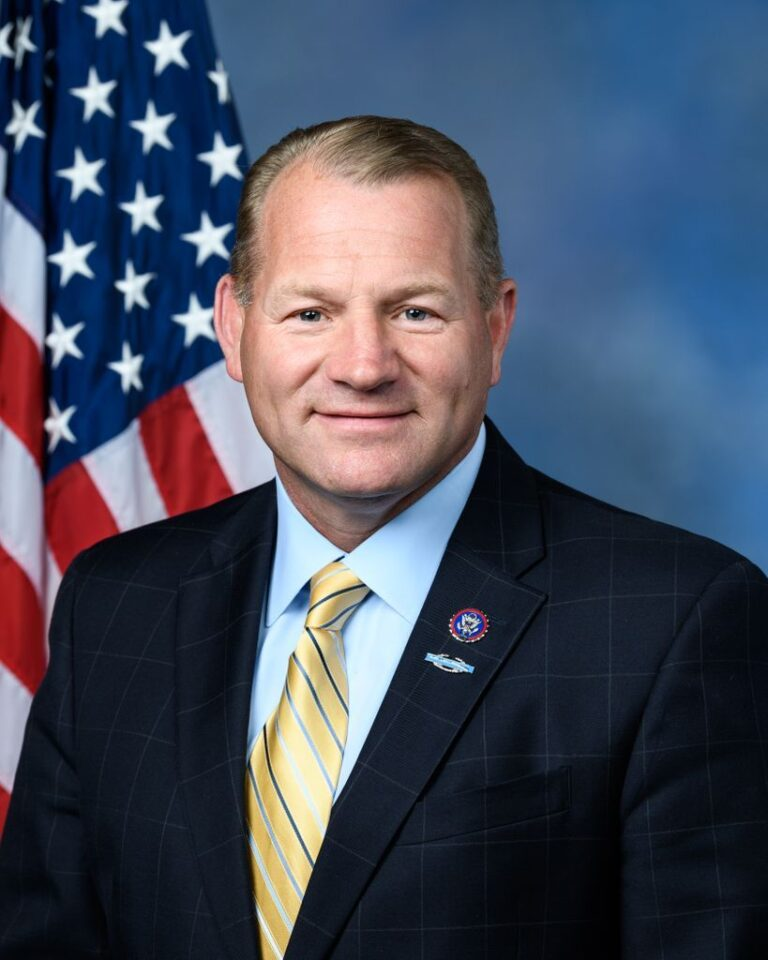
Co-Sponsor
-
TrackDavid G. Valadao
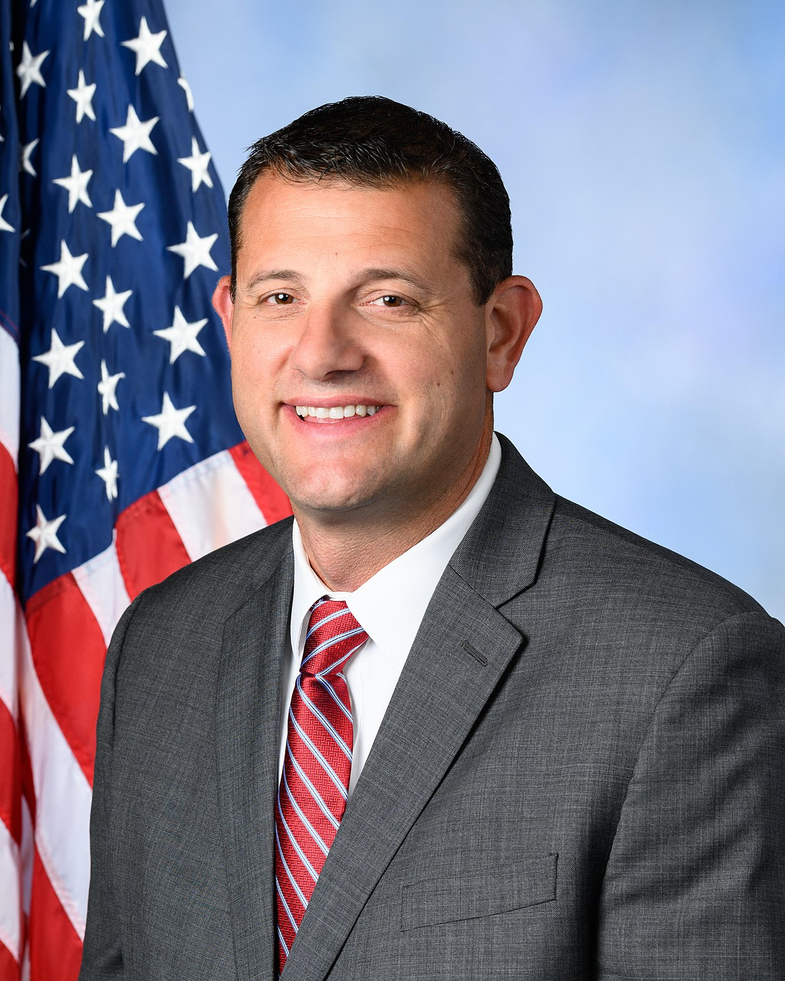
Co-Sponsor
-
TrackDerrick Van Orden
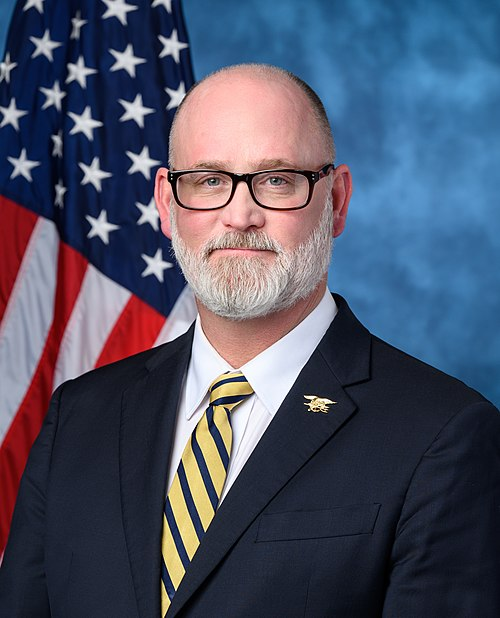
Co-Sponsor
-
TrackEugene Vindman
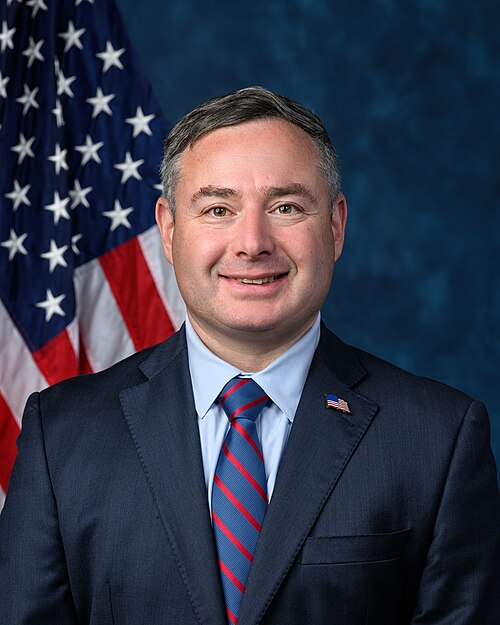
Co-Sponsor
-
TrackGeorge Whitesides

Co-Sponsor
-
TrackJoe Wilson

Co-Sponsor
-
TrackSteve Womack
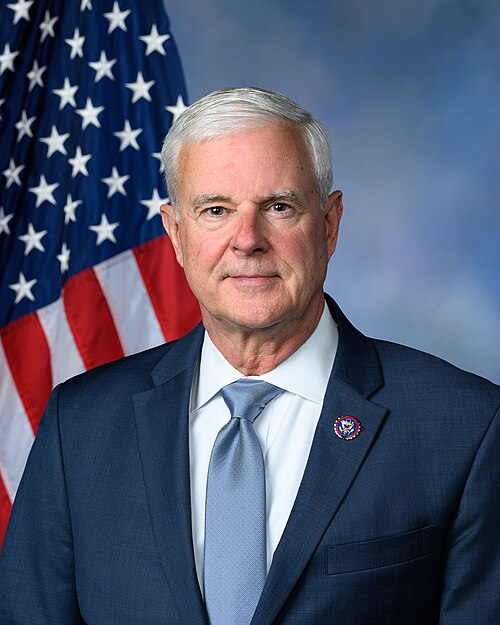
Co-Sponsor
Actions
4 actions
| Date | Action |
|---|---|
| Jan. 13, 2026 | Referred to the Subcommittee on Health. |
| Jan. 13, 2026 | Subcommittee Hearings Held |
| Mar. 27, 2025 | Introduced in House |
| Mar. 27, 2025 | Referred to the House Committee on Veterans' Affairs. |
Corporate Lobbying
1 company lobbying