H.R. 2350: Cellphone Jamming Reform Act of 2025
This bill, known as the Cellphone Jamming Reform Act of 2025, aims to give State and Federal correctional facilities the authority to use jamming equipment to prevent unauthorized wireless communications within their premises. Here’s a breakdown of what the bill entails:
Purpose of the Bill
The primary purpose is to allow correctional facilities to disrupt and interfere with wireless communications that are sent to or from contraband devices, such as cell phones, used by inmates. This is intended to enhance security and prevent illegal activities that can occur with the use of such devices.
Definitions
The bill defines several key terms:
- Commission: Refers to the Federal Communications Commission (FCC).
- Correctional Facility: Includes jails, prisons, penitentiaries, and other related institutions.
- Jamming System: A system designed to prevent or interfere with wireless communications. This includes all necessary equipment and components to establish and operate such a system.
Limitations on FCC Authority
The bill states that the FCC cannot stop a correctional facility from operating its jamming system, provided that:
- The system is used to block communications to and from unauthorized devices within the facility.
- It can interfere with communications made by or to individuals held in the facility.
Requirements for Jamming Systems
There are several conditions that must be met regarding the implementation of jamming systems:
- The jamming operation must be confined to the housing units of the correctional facility.
- If the facility is state-operated, the state is responsible for funding the entire cost of the jamming system, including its operation.
- Facilities must consult with local law enforcement and public safety officials before implementing the system.
- They must notify the Director of the Bureau of Prisons about the operation of the jamming system.
Impact of the Bill
By facilitating the use of jamming systems in correctional facilities, the bill aims to bolster security measures against the unauthorized use of communication devices by inmates, thus preventing potential criminal activities that may arise from such communications.
Relevant Companies
None found
This is an AI-generated summary of the bill text. There may be mistakes.
Sponsors
23 bill sponsors
-
TrackDavid Kustoff
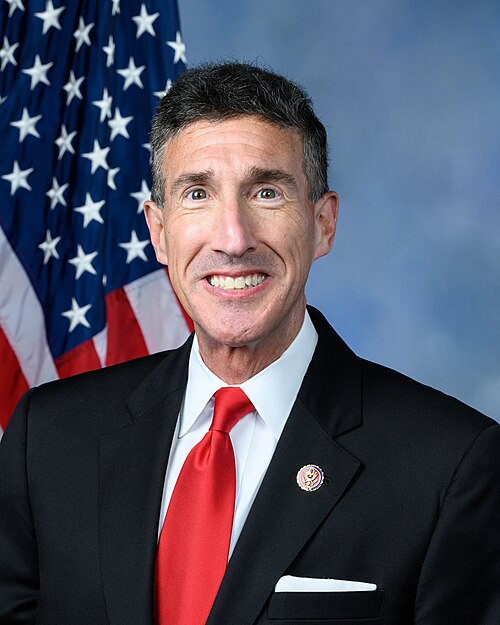
Sponsor
-
TrackStephanie I. Bice
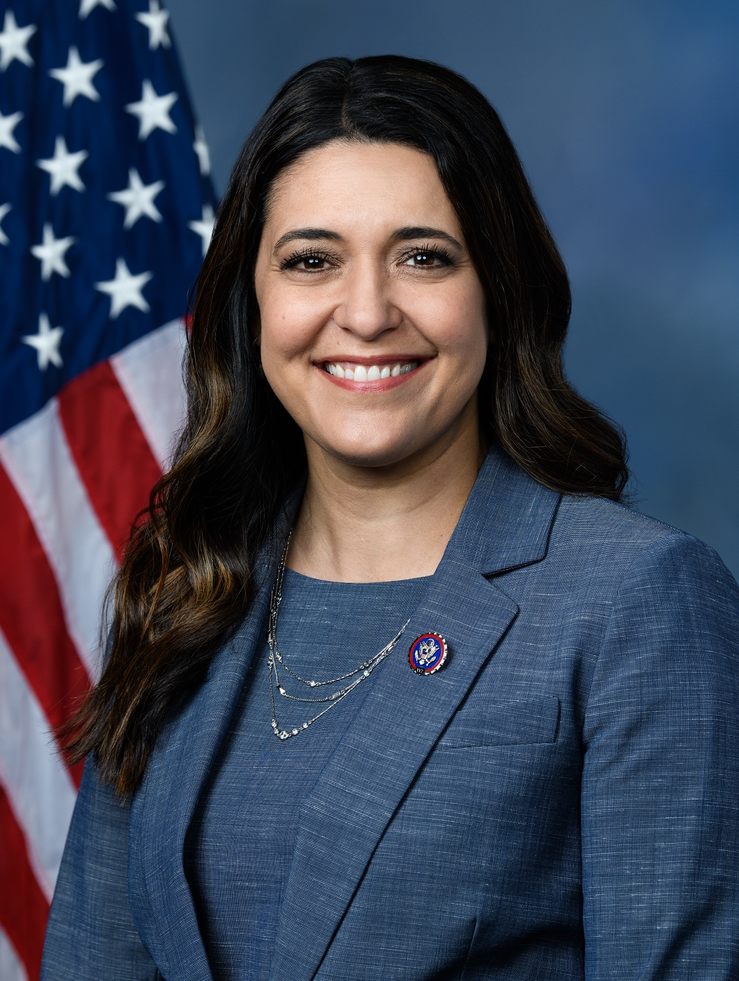
Co-Sponsor
-
TrackRobert Bresnahan
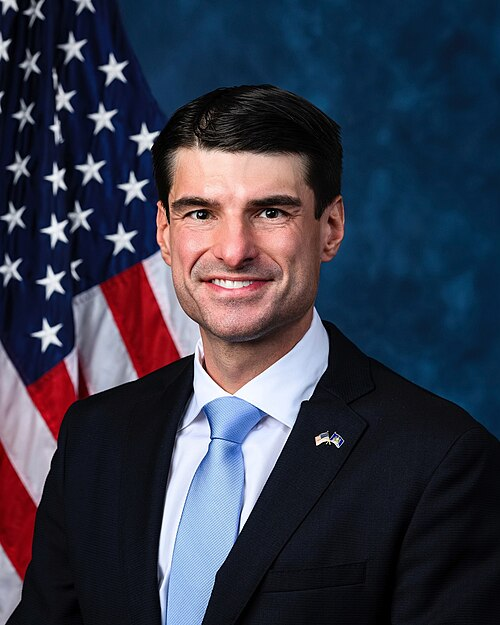
Co-Sponsor
-
TrackMike Collins
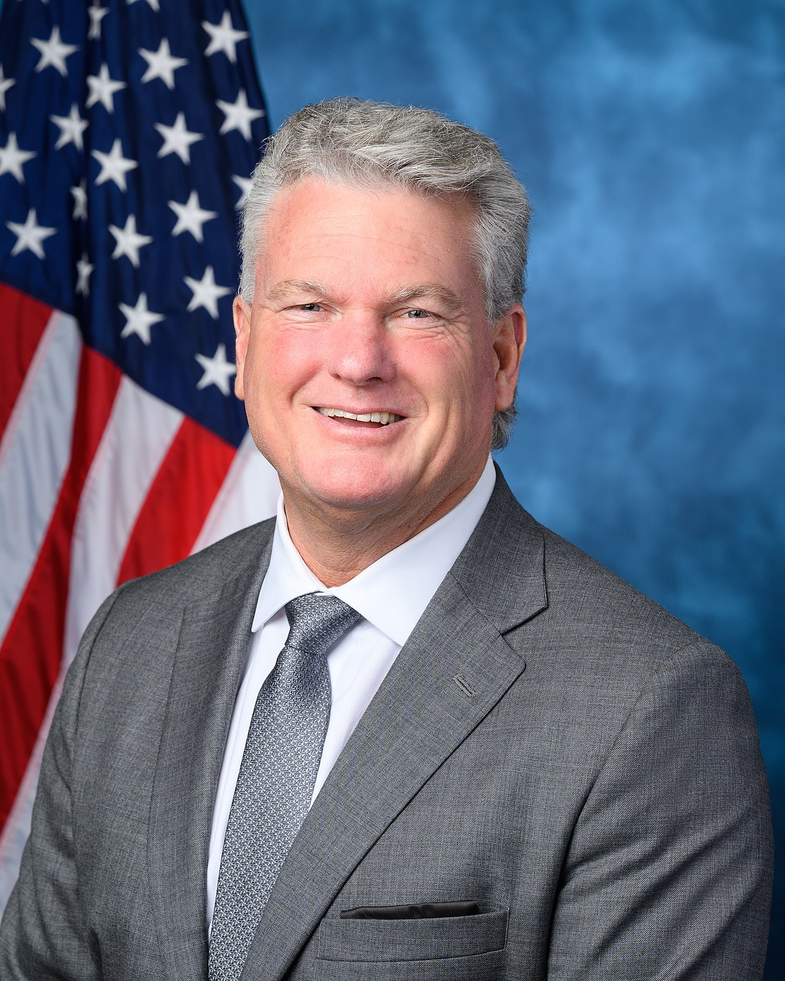
Co-Sponsor
-
TrackGabe Evans
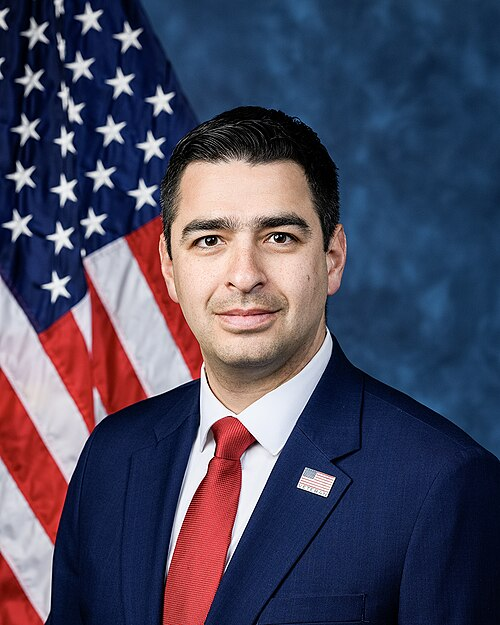
Co-Sponsor
-
TrackMike Ezell
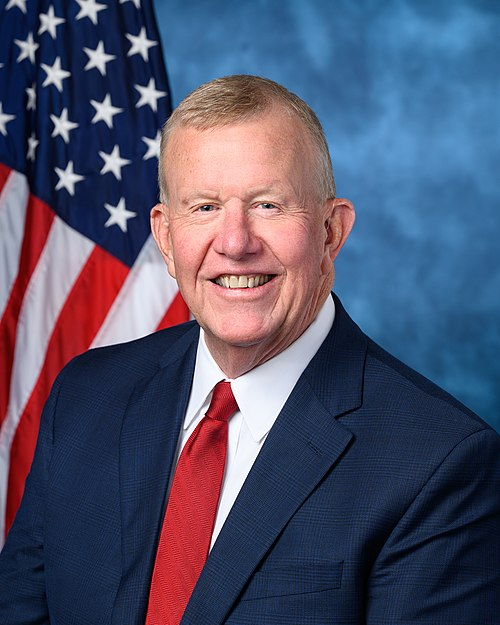
Co-Sponsor
-
TrackScott Franklin
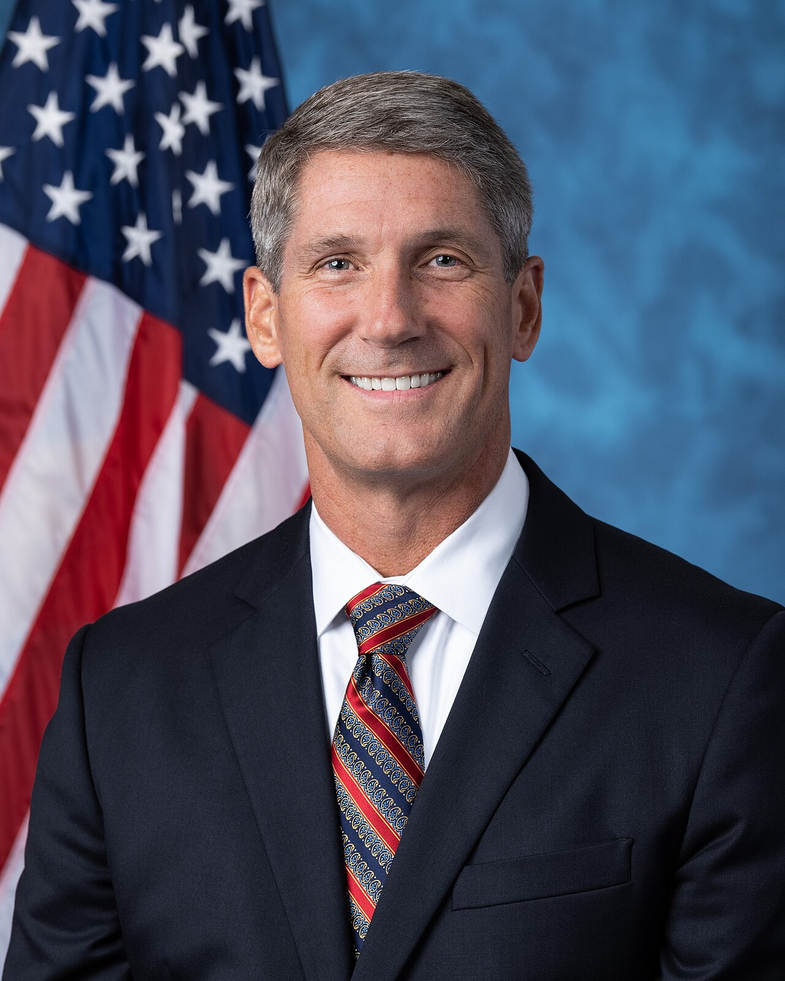
Co-Sponsor
-
TrackRussell Fry
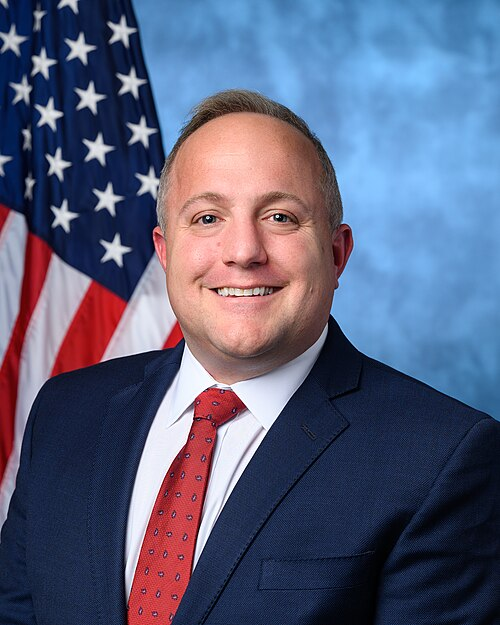
Co-Sponsor
-
TrackMichael Guest
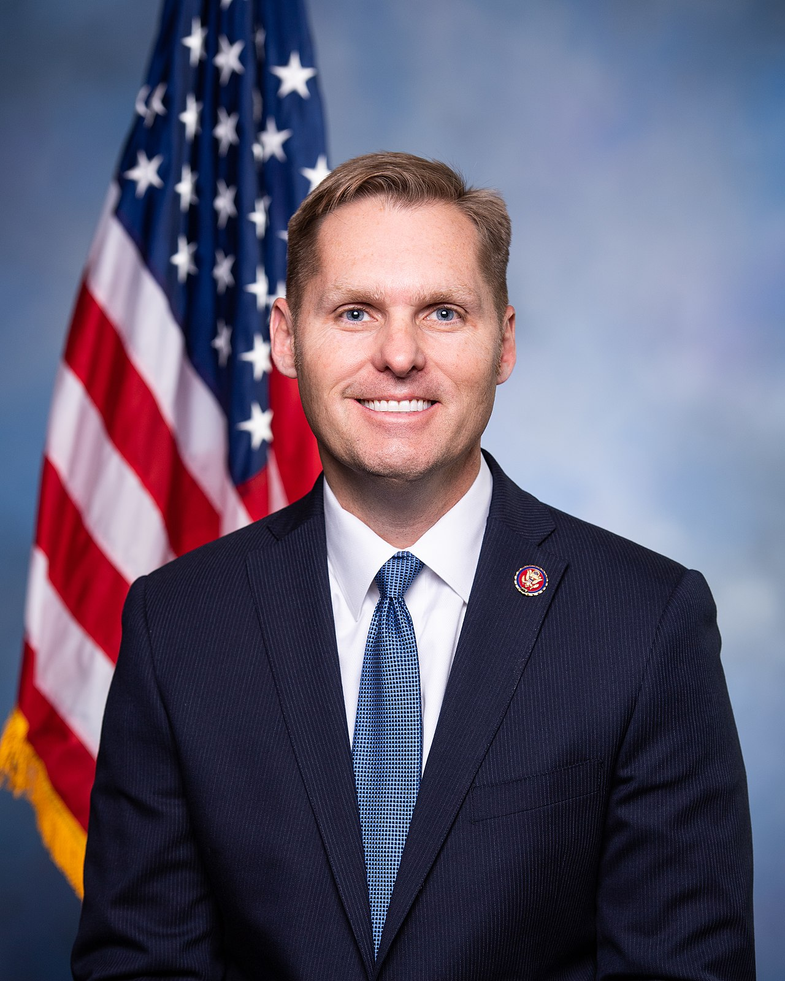
Co-Sponsor
-
TrackPat Harrigan
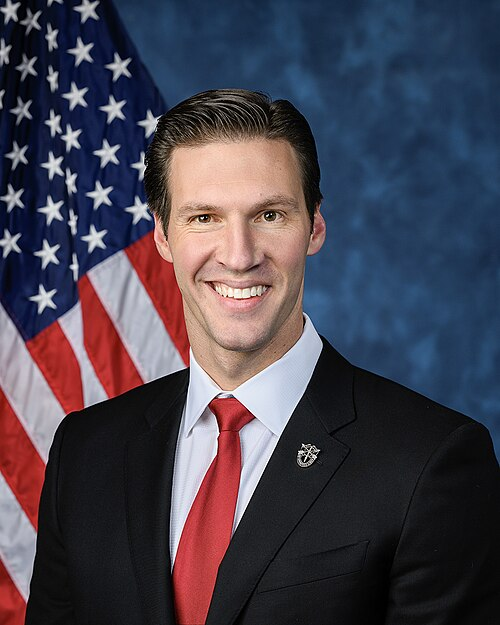
Co-Sponsor
-
TrackRichard McCormick
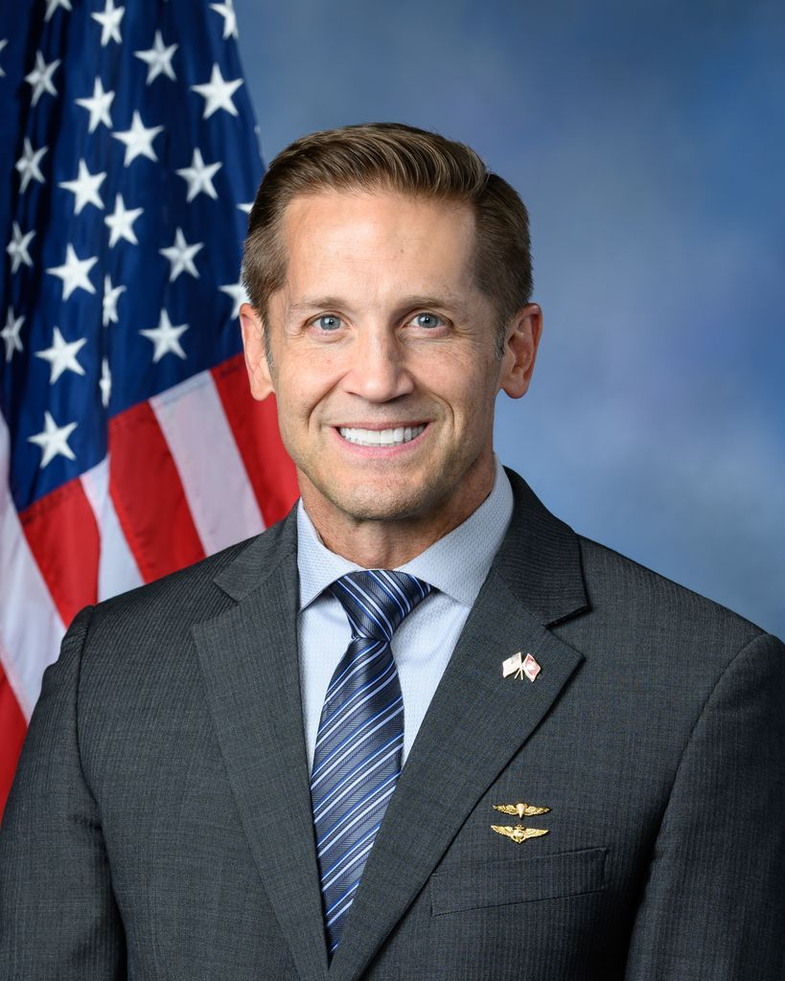
Co-Sponsor
-
TrackDaniel Meuser
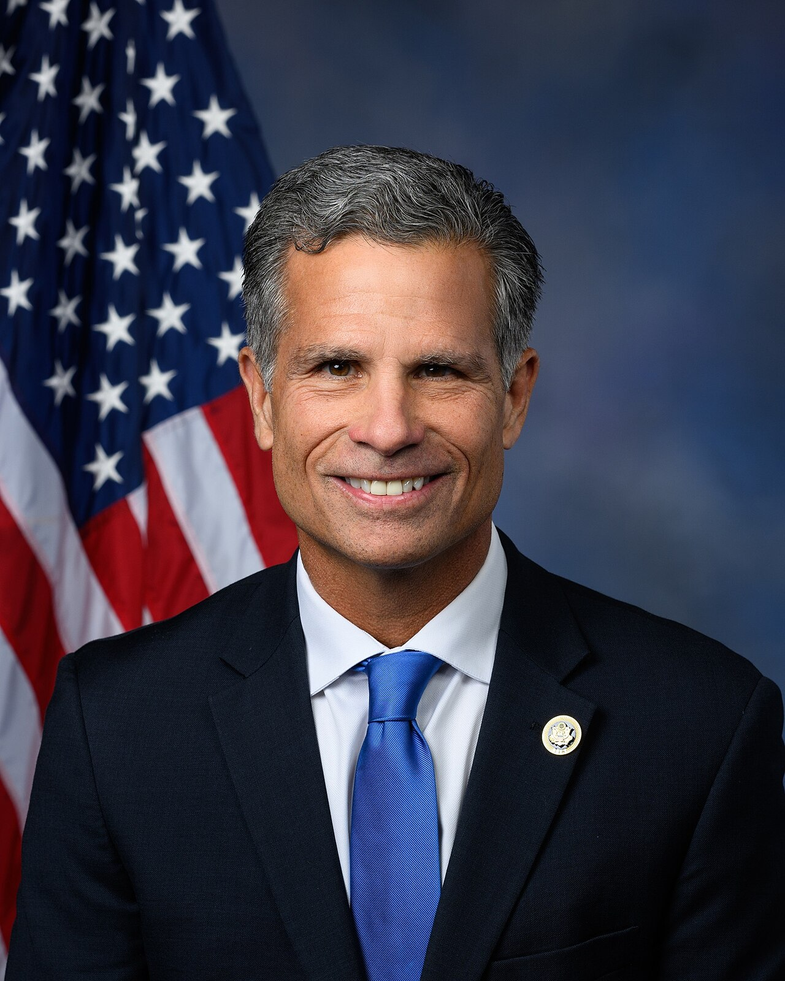
Co-Sponsor
-
TrackTim Moore
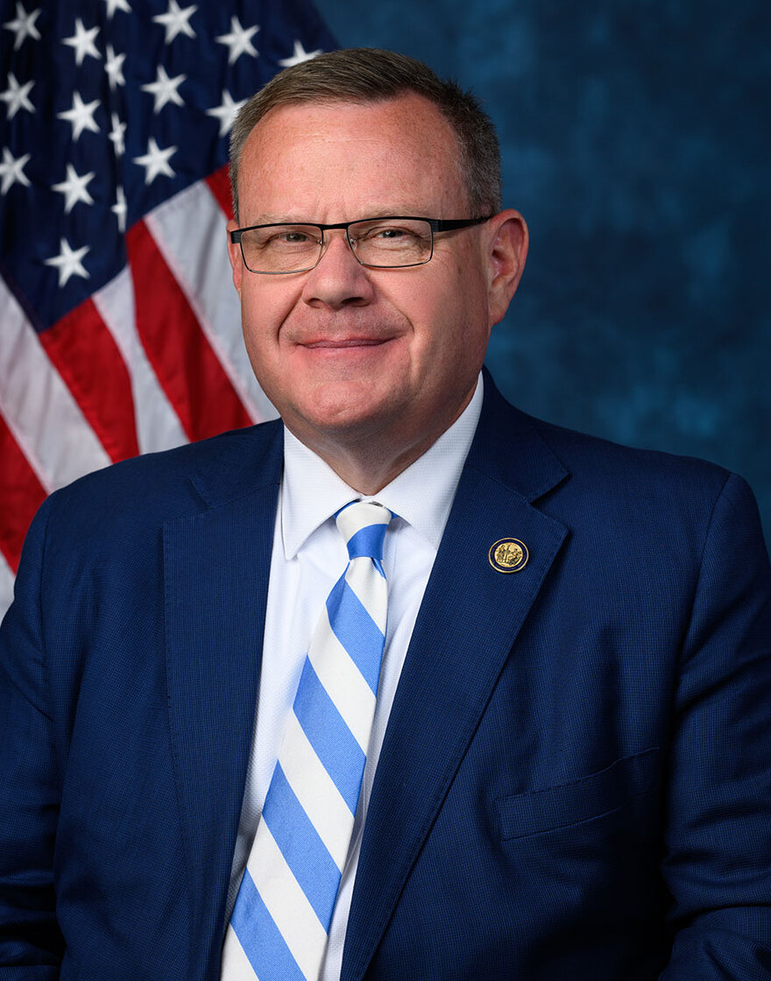
Co-Sponsor
-
TrackRalph Norman
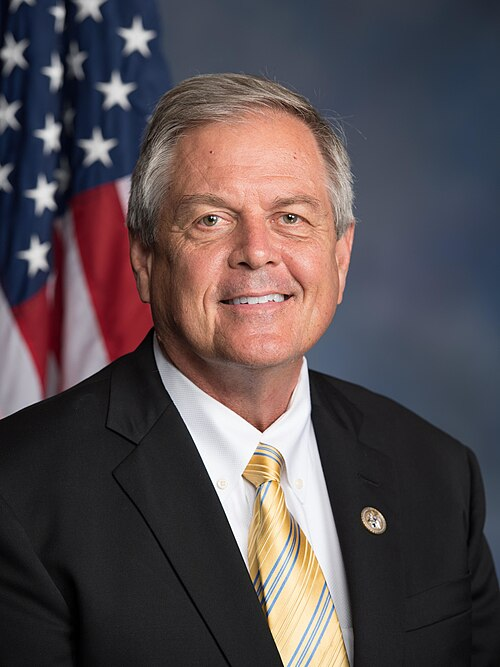
Co-Sponsor
-
TrackBurgess Owens
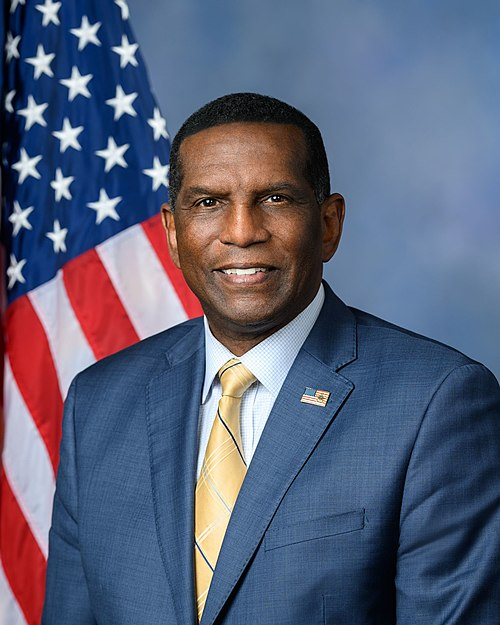
Co-Sponsor
-
TrackJohn W. Rose
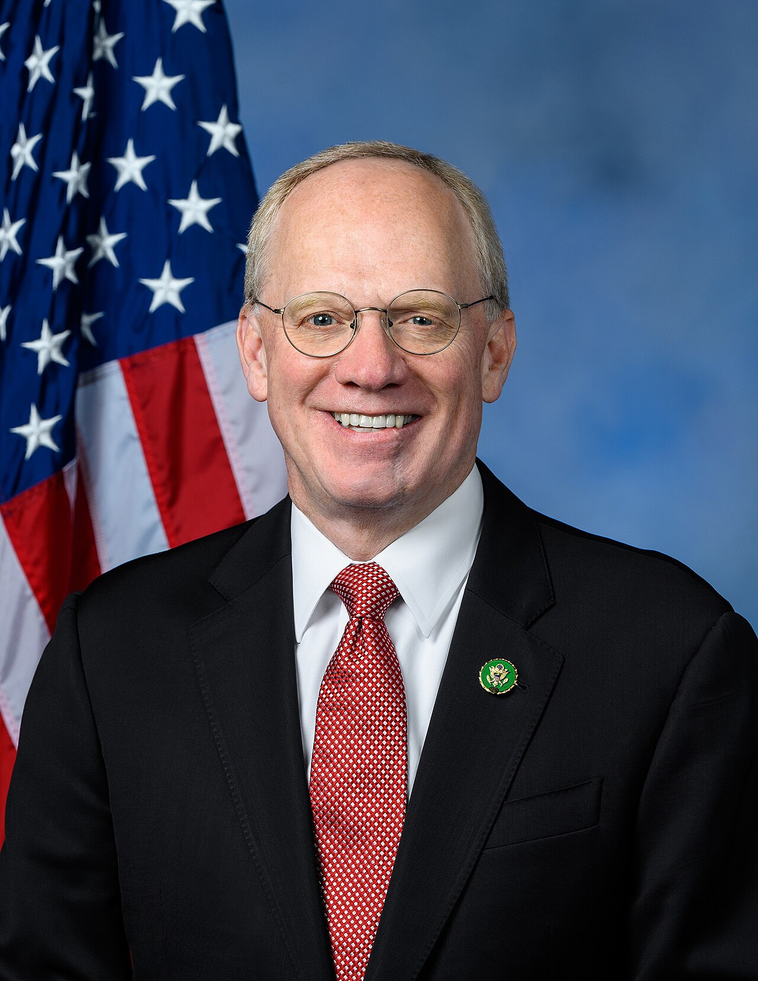
Co-Sponsor
-
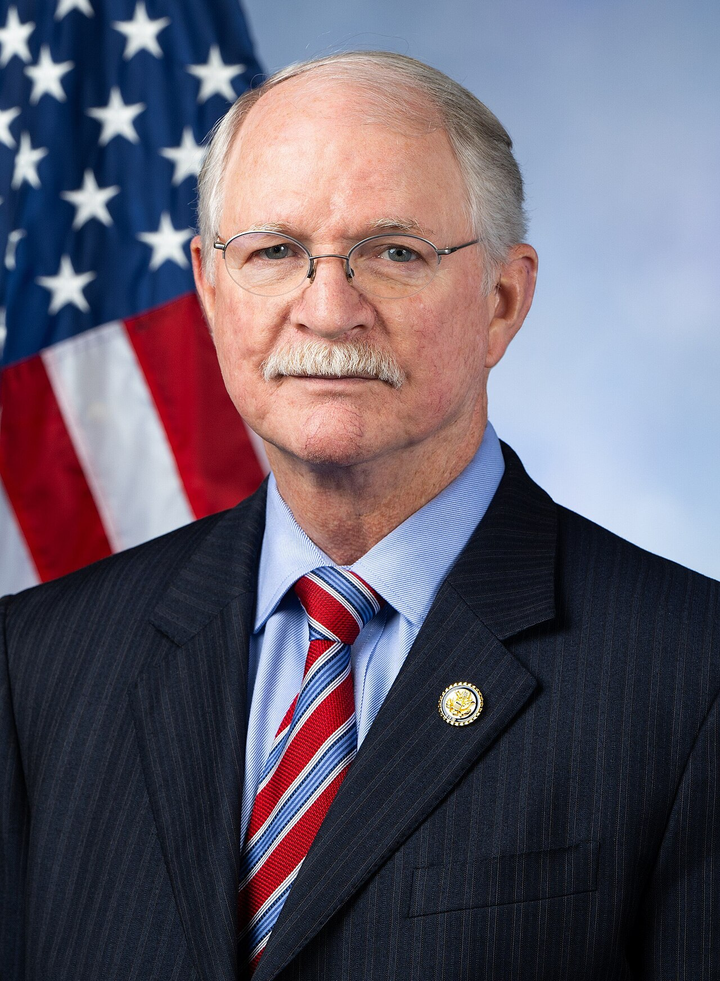
TrackJohn H. Rutherford
Co-Sponsor
-
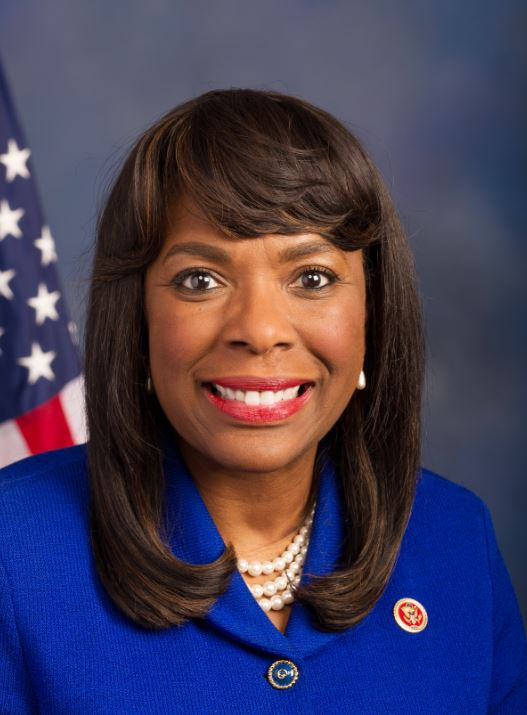
TrackTerri A. Sewell
Co-Sponsor
-
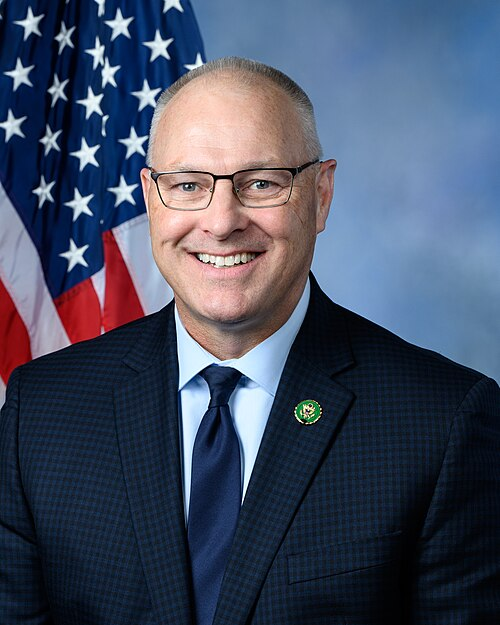
TrackPete Stauber
Co-Sponsor
-
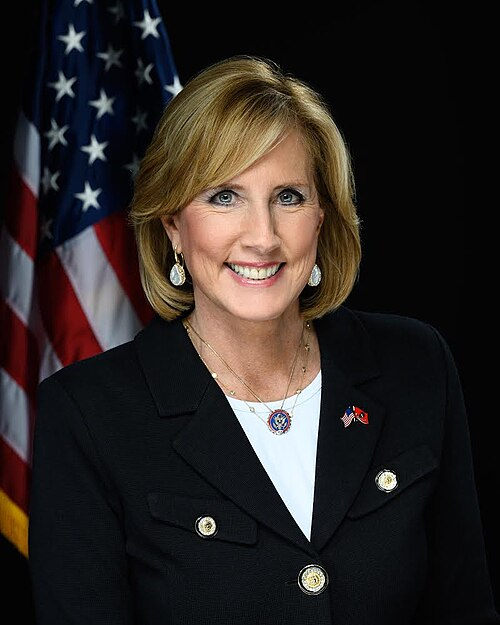
TrackClaudia Tenney
Co-Sponsor
-
TrackGlenn Thompson
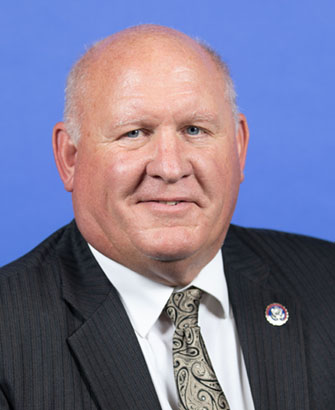
Co-Sponsor
-
TrackRandy K. Weber, Sr.
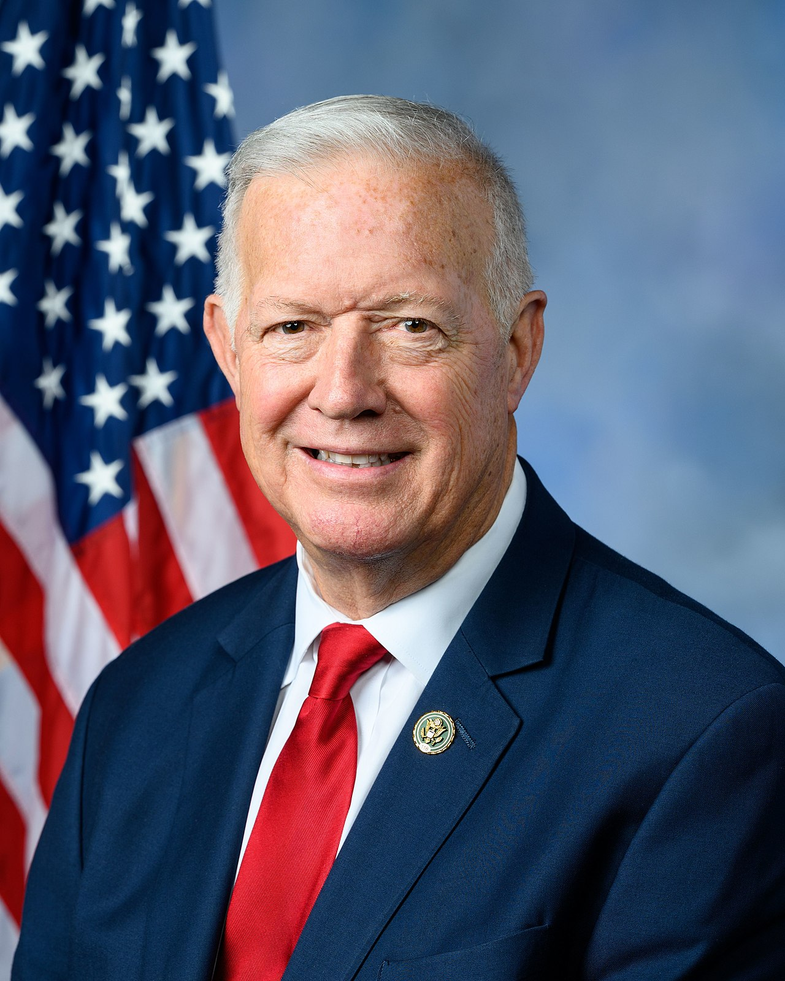
Co-Sponsor
-
TrackBruce Westerman
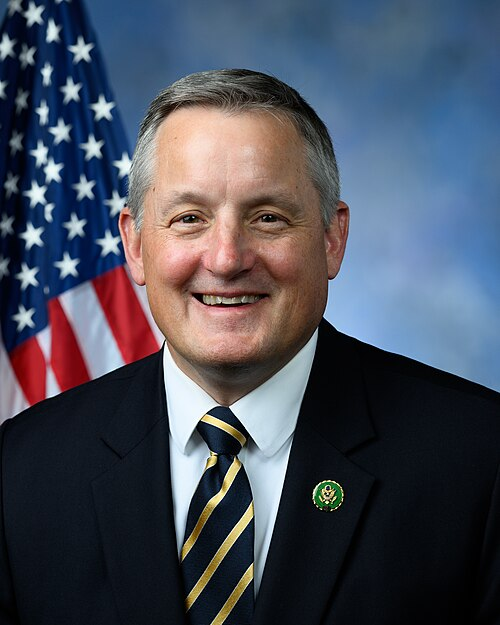
Co-Sponsor
Actions
2 actions
| Date | Action |
|---|---|
| Mar. 26, 2025 | Introduced in House |
| Mar. 26, 2025 | Referred to the House Committee on Energy and Commerce. |
Corporate Lobbying
0 companies lobbying
None found.
* Note that there can be significant delays in lobbying disclosures, and our data may be incomplete.
Potentially Relevant Congressional Stock Trades
No relevant congressional stock trades found.