H.R. 2145: Recycling Infrastructure and Accessibility Act of 2025
This bill, known as the Recycling Infrastructure and Accessibility Act of 2025, aims to enhance the accessibility of recycling services in the United States, particularly in communities that currently lack adequate recycling options. Here’s a breakdown of its key components:
Definitions
The bill introduces several terms important for understanding its provisions:
- Administrator: The head of the Environmental Protection Agency (EPA).
- Curbside recycling: The collection of recyclable materials from residences at the curbside.
- Eligible entity: Includes states, local governments, Indian Tribes, and public-private partnerships.
- Underserved community: Communities lacking full access to recycling services due to transportation issues or insufficient processing capacity.
- Materials recovery facility: A facility that sorts recyclable materials for further processing.
- Transfer station: A facility that consolidates recyclable materials for transport to processing facilities.
Pilot Grant Program
The bill establishes a pilot grant program called the Recycling Infrastructure and Accessibility Program, intended to award competitive grants to eligible entities to improve recycling access in their communities.
- The program must be set up within 18 months of the bill's enactment.
- Grants will support projects that enhance recycling infrastructure, with a focus on underserved communities using a "hub-and-spoke" model.
Grant Applications and Considerations
Eligible entities must submit applications that meet the criteria outlined by the EPA. When selecting applications for funding, the Administrator will consider:
- If the community already has curbside recycling.
- Whether the proposed project would improve access to recycling services.
- The financial status of private partners in public-private partnerships.
Priority will be given to projects in communities with limited materials recovery facilities nearby.
Use of Funds
Grant funds can be used for various projects aimed at improving recycling accessibility, such as:
- Increasing the number of transfer stations.
- Expanding curbside recycling programs.
- Establishing public-private partnerships to lower collection and transportation costs in underserved areas.
However, funds cannot be used for recycling education programs.
Grant Amounts
The grants awarded will range from a minimum of $500,000 to a maximum of $15,000,000, with at least 70% of the funding reserved for projects in underserved communities.
Federal Participation
The federal government may cover up to 90% of the costs of projects funded by these grants, with potential waivers for entities facing financial hardship.
Reporting and Accountability
The Administrator will be required to report to Congress on the program's implementation and its impact on recycling rates within two years of the first grant being awarded. This will include details on recipients of grants and measuring improvements in recycling access and rates.
Funding Authorization
The bill proposes an appropriation of $30 million per fiscal year from 2025 to 2029 to support the grant program, allowing unspent funds to remain available for future use. Up to 5% of these funds may cover administrative costs and provide technical assistance to applicants.
Relevant Companies
- WM (Waste Management, Inc.) - Waste Management could be directly impacted due to their operations in recycling and waste services, especially if selected to partner with communities to enhance recycling infrastructure.
- RSG (Republic Services, Inc.) - As a major player in the waste management industry, Republic Services may be leveraged in the expansion of curbside recycling programs or transfer stations in underserved communities.
This is an AI-generated summary of the bill text. There may be mistakes.
Sponsors
29 bill sponsors
-
TrackMariannette Miller-Meeks
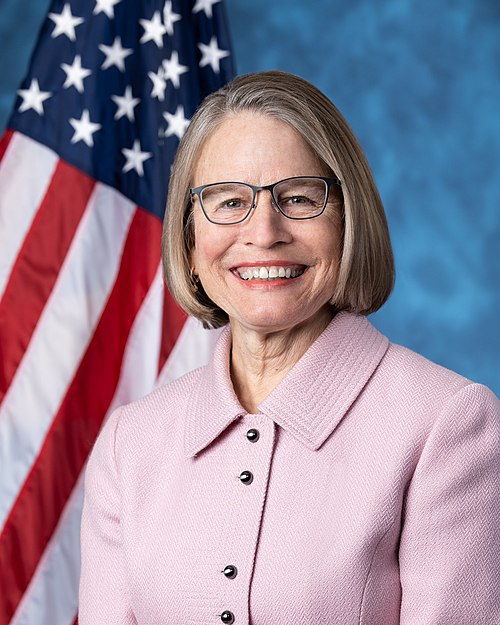
Sponsor
-
TrackGus M. Bilirakis
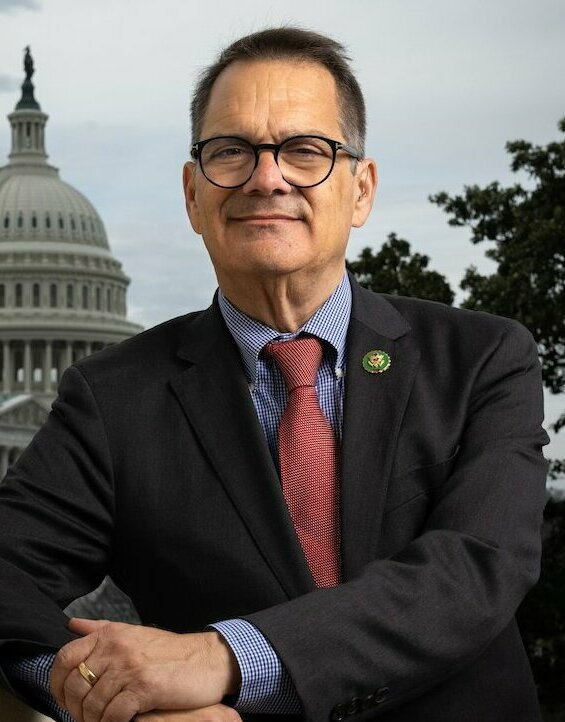
Co-Sponsor
-
TrackRobert Bresnahan
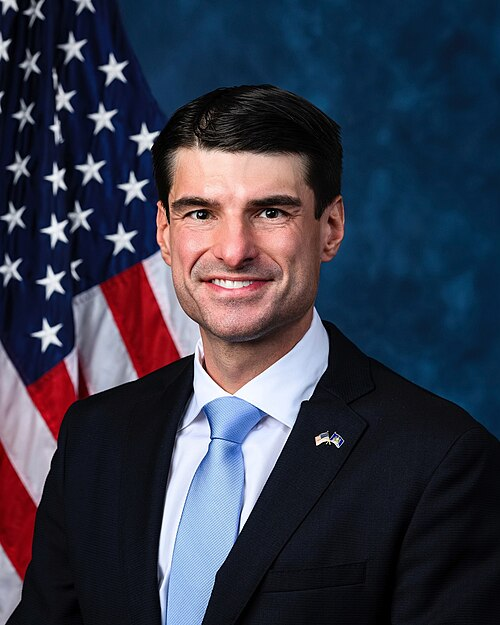
Co-Sponsor
-
TrackTroy A. Carter
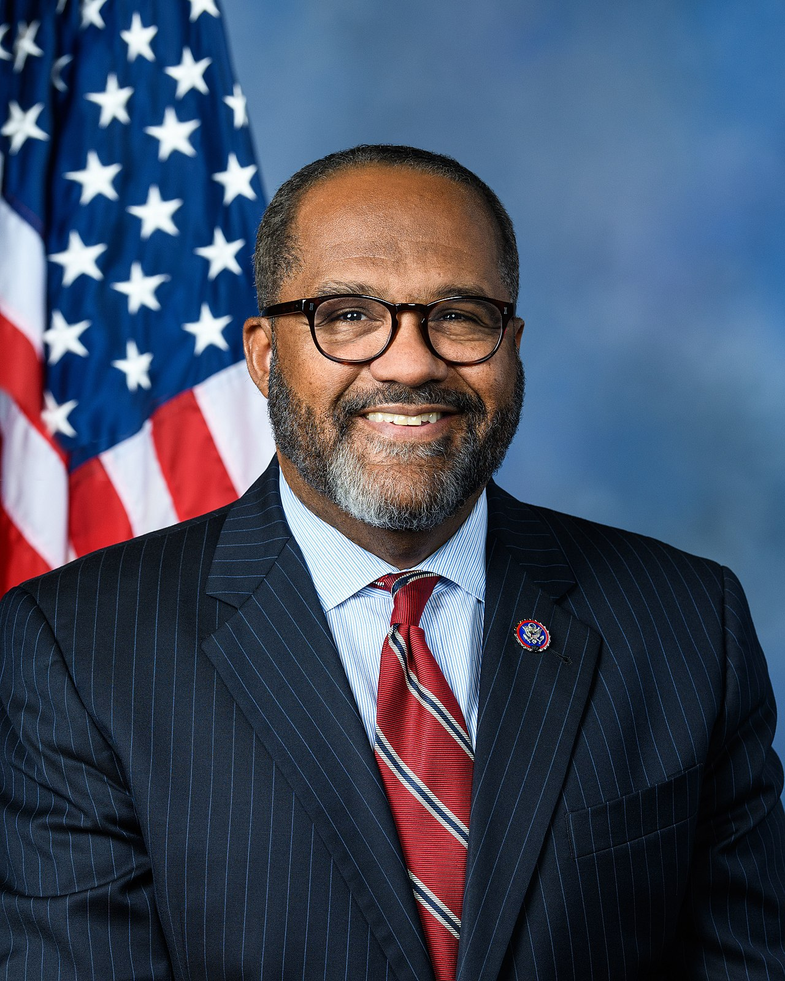
Co-Sponsor
-
TrackJames Comer
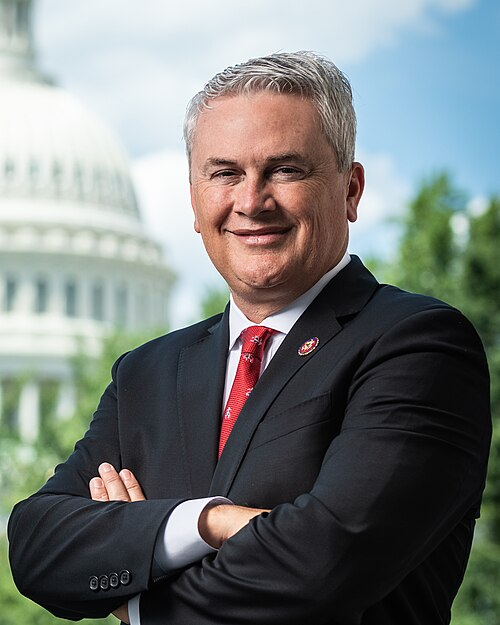
Co-Sponsor
-
TrackJason Crow
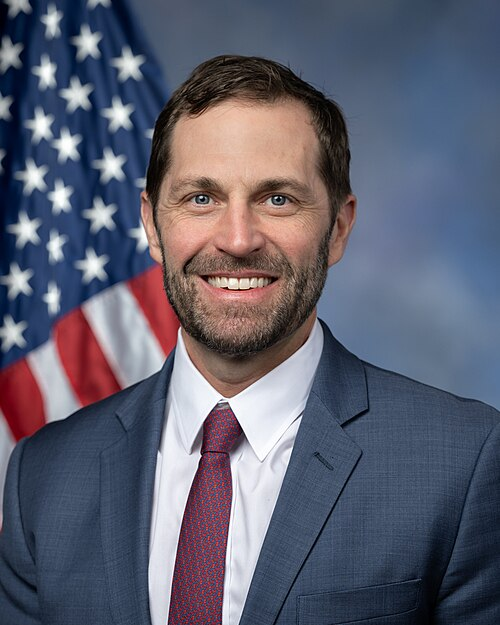
Co-Sponsor
-
TrackSharice Davids
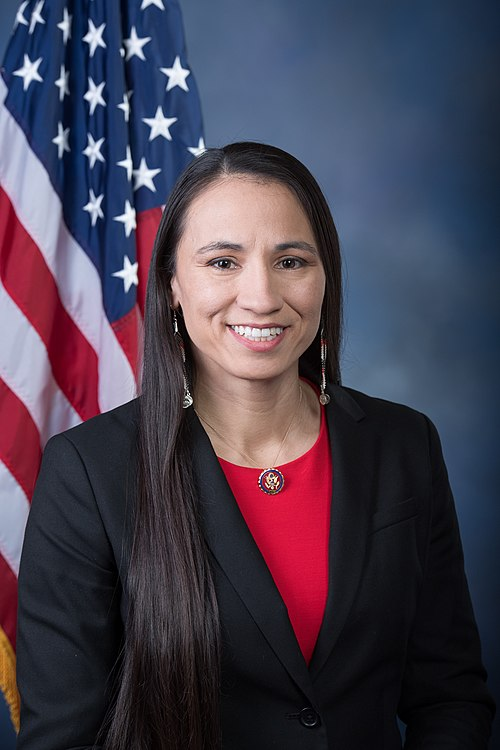
Co-Sponsor
-
TrackJohn Garamendi
Co-Sponsor
-
TrackJosh Harder
Co-Sponsor
-
TrackDavid P. Joyce
Co-Sponsor
-
TrackMichael Lawler
Co-Sponsor
-
TrackSusie Lee
Co-Sponsor
-
TrackBarry Loudermilk
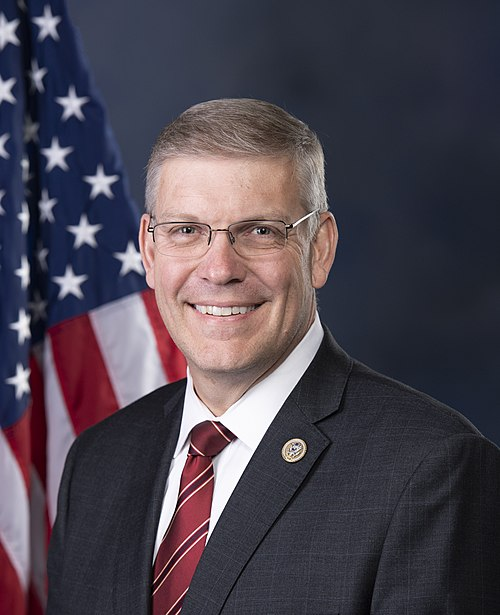
Co-Sponsor
-
TrackDoris O. Matsui

Co-Sponsor
-
TrackLucy McBath
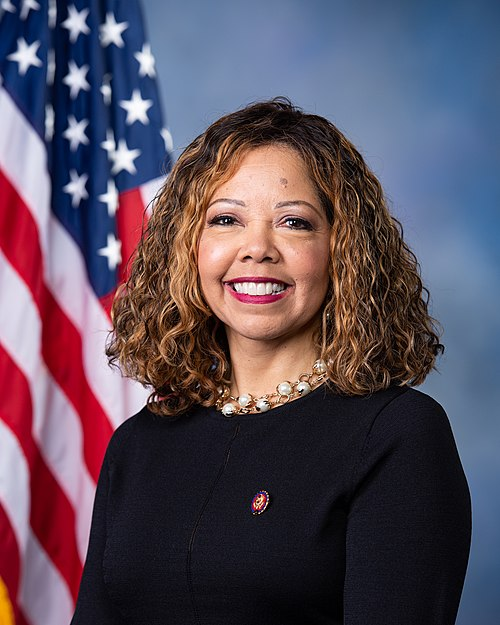
Co-Sponsor
-
TrackJennifer L. McClellan
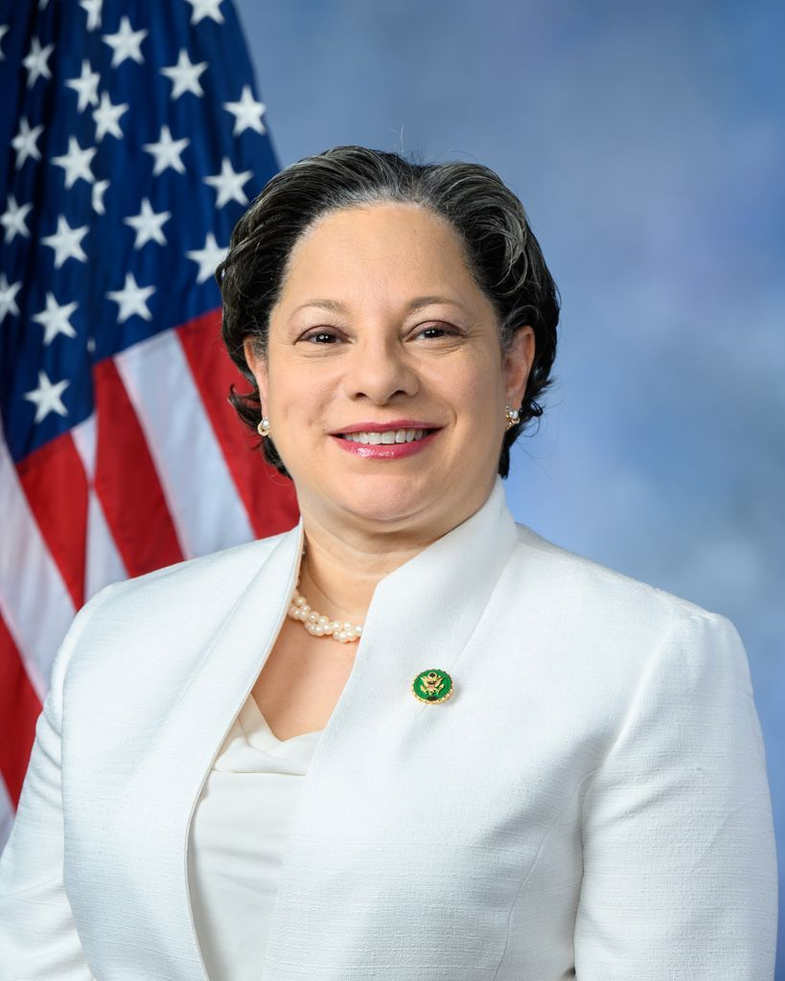
Co-Sponsor
-
TrackBarry Moore
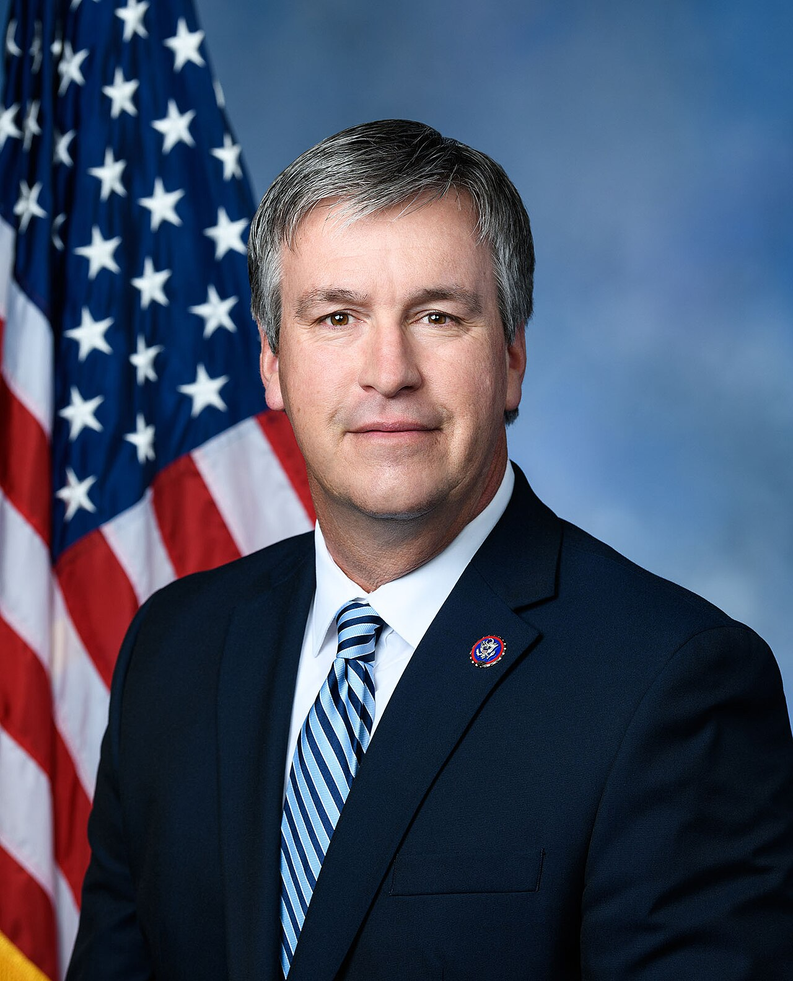
Co-Sponsor
-
TrackJoe Neguse
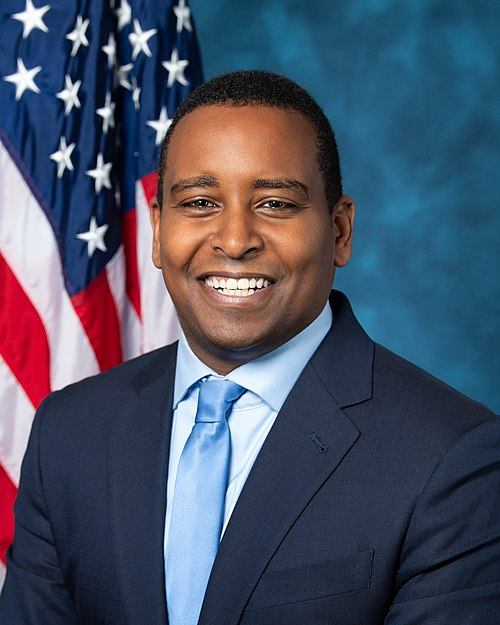
Co-Sponsor
-
TrackChris Pappas
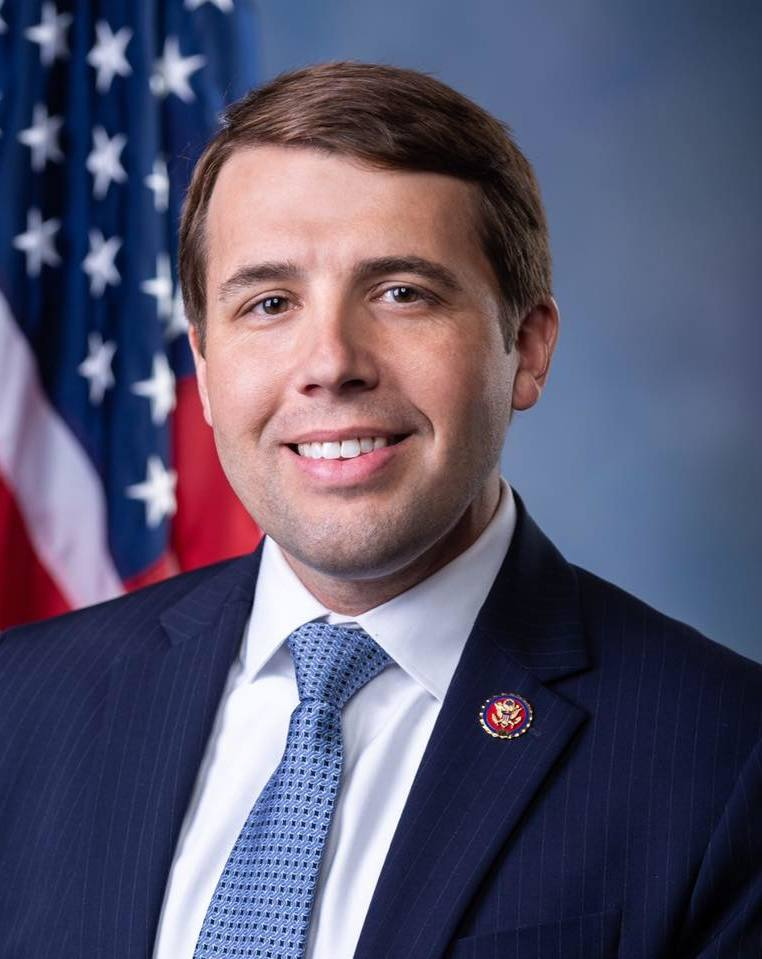
Co-Sponsor
-
TrackJosh Riley
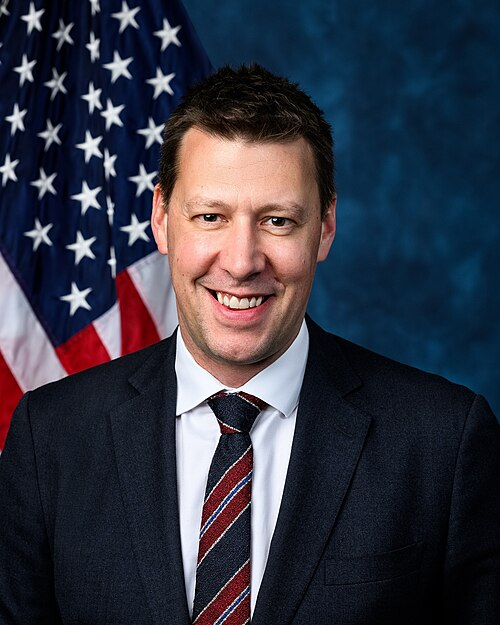
Co-Sponsor
-
TrackAustin Scott
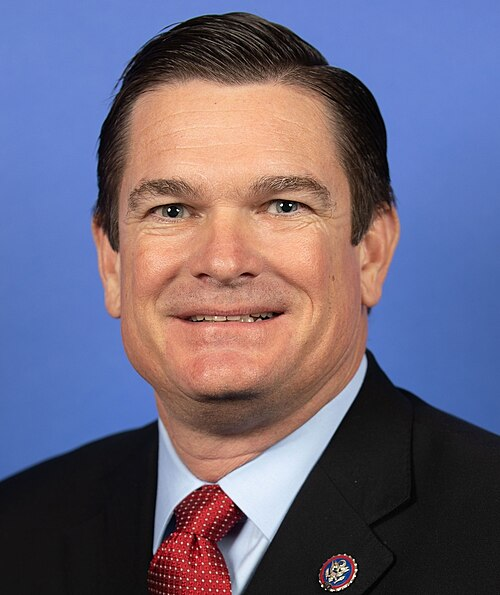
Co-Sponsor
-
TrackMikie Sherrill
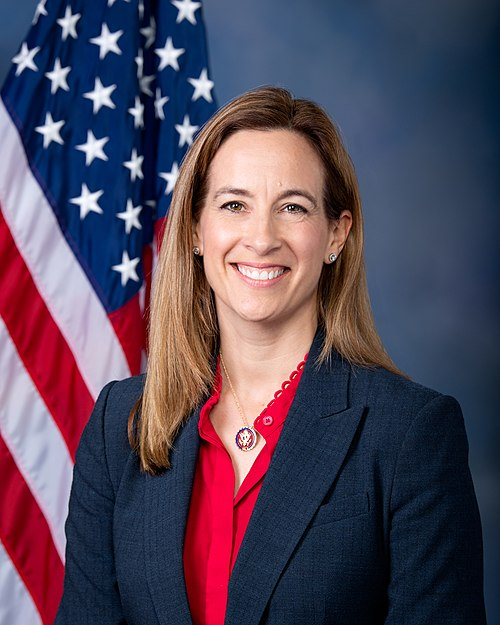
Co-Sponsor
-
TrackDarren Soto
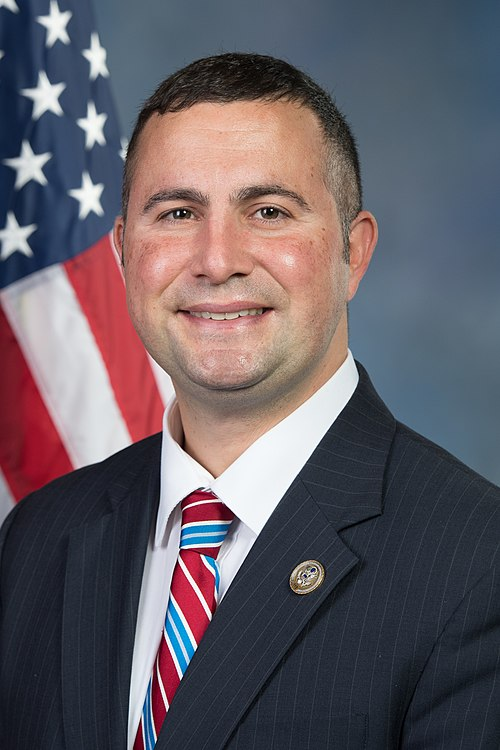
Co-Sponsor
-
TrackHaley M. Stevens
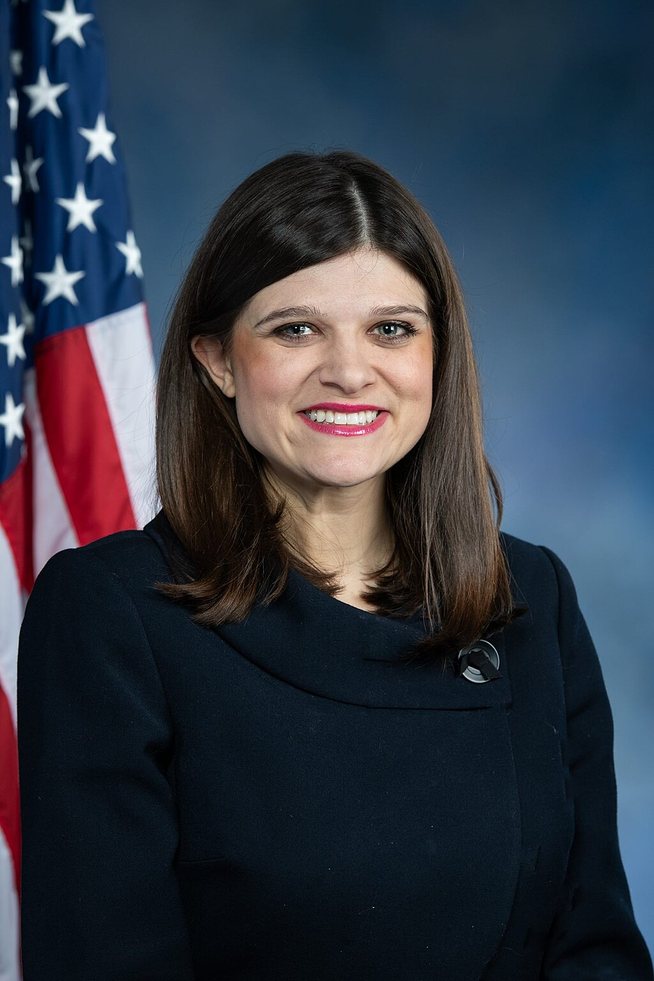
Co-Sponsor
-
TrackThomas R. Suozzi
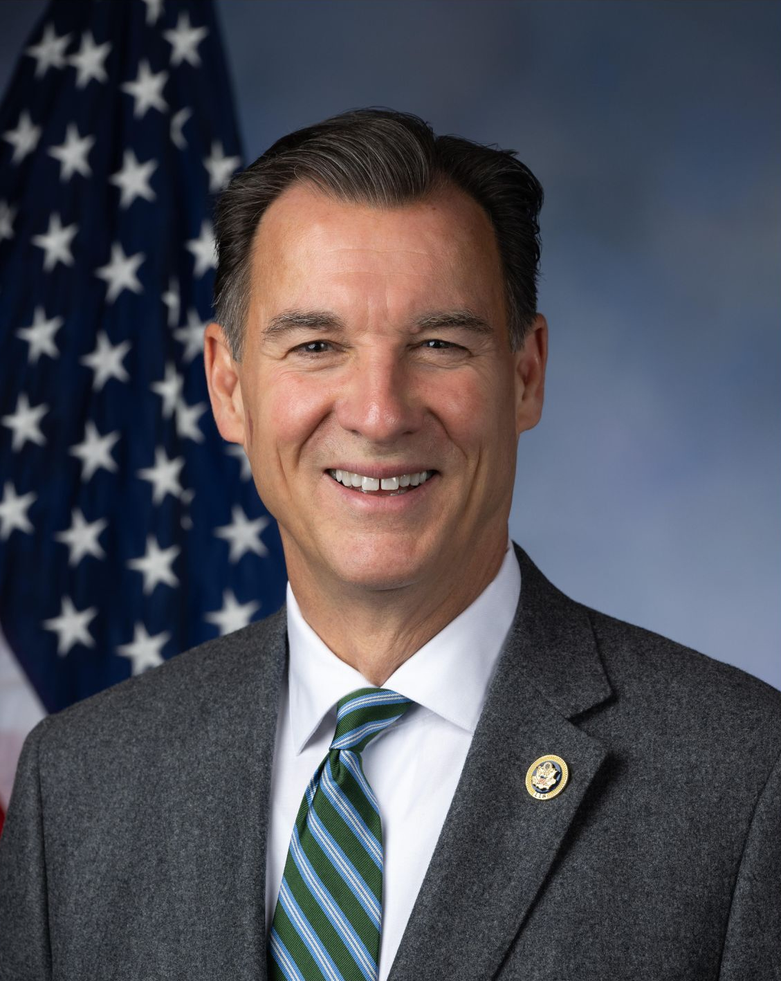
Co-Sponsor
-
TrackClaudia Tenney
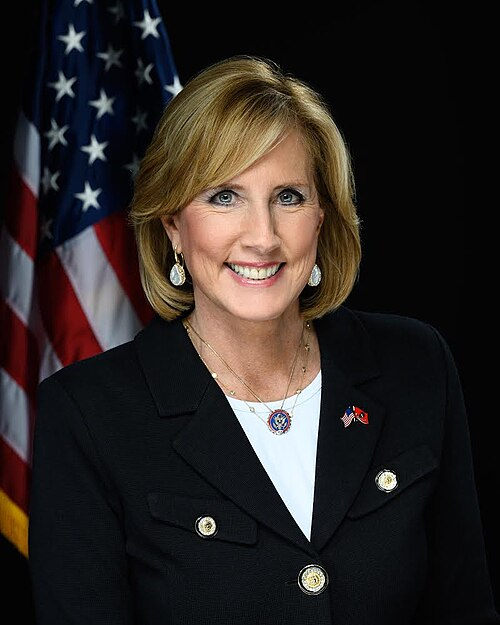
Co-Sponsor
-
TrackMarc A. Veasey
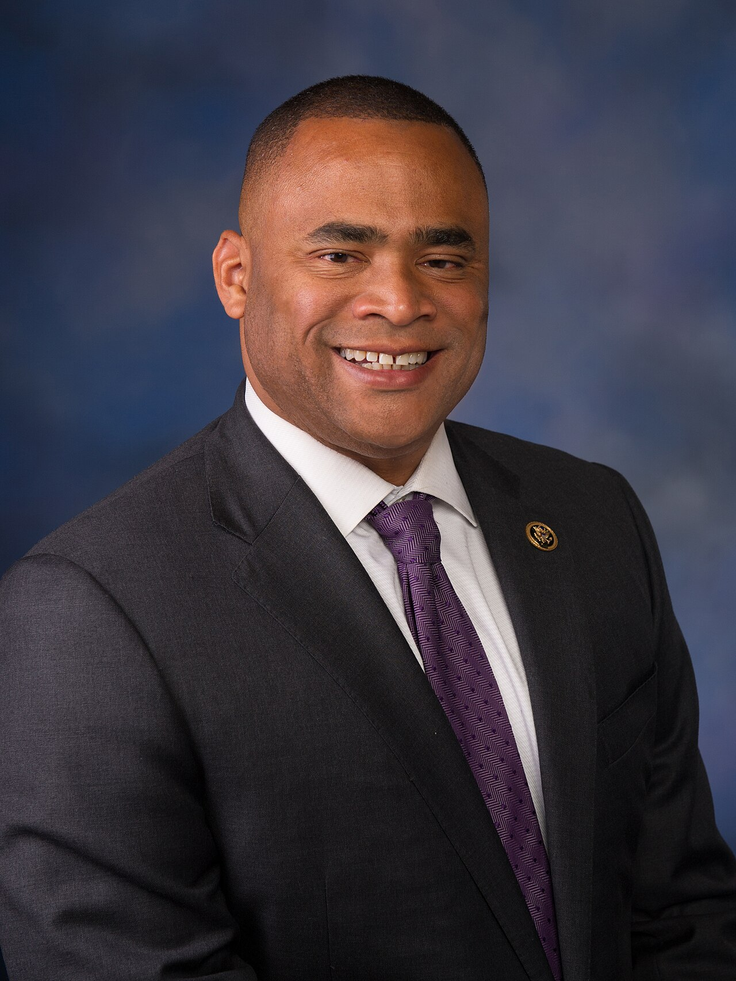
Co-Sponsor
-
TrackEugene Vindman
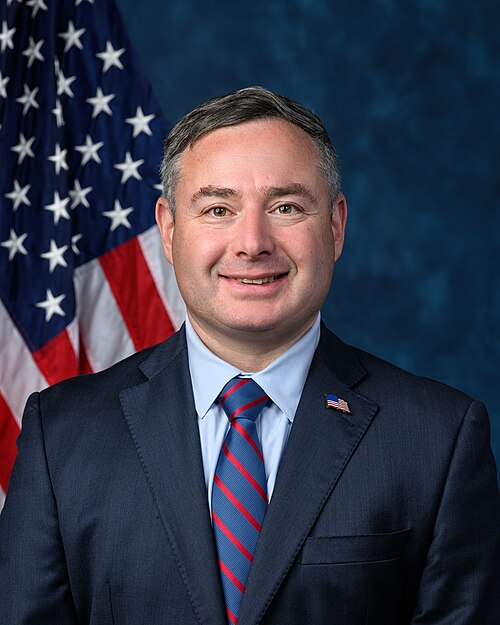
Co-Sponsor
-
TrackRudy Yakym III
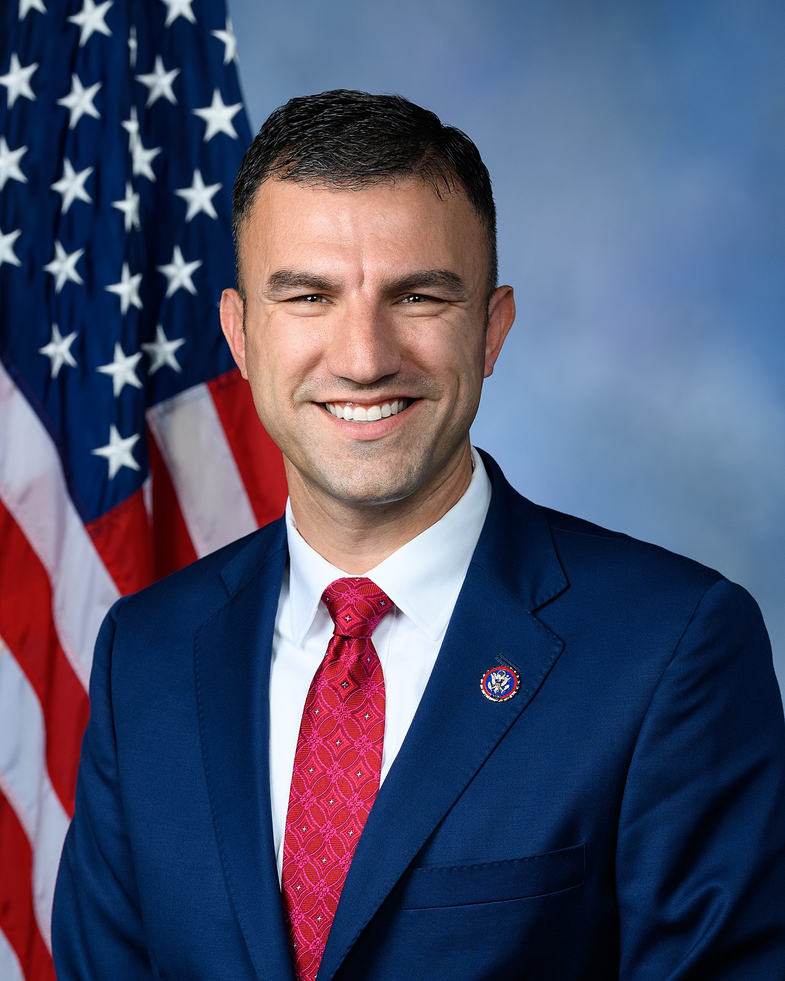
Co-Sponsor
Actions
7 actions
| Date | Action |
|---|---|
| May. 21, 2026 | Committee Consideration and Mark-up Session Held |
| May. 21, 2026 | Ordered to be Reported by the Yeas and Nays: 48 - 0. |
| May. 14, 2026 | Forwarded by Subcommittee to Full Committee (Amended) by Voice Vote. |
| May. 14, 2026 | Subcommittee Consideration and Mark-up Session Held |
| Mar. 14, 2025 | Introduced in House |
| Mar. 14, 2025 | Referred to the House Committee on Energy and Commerce. |
| Mar. 14, 2025 | Referred to the Subcommittee on Environment. |
Corporate Lobbying
7 companies lobbying